
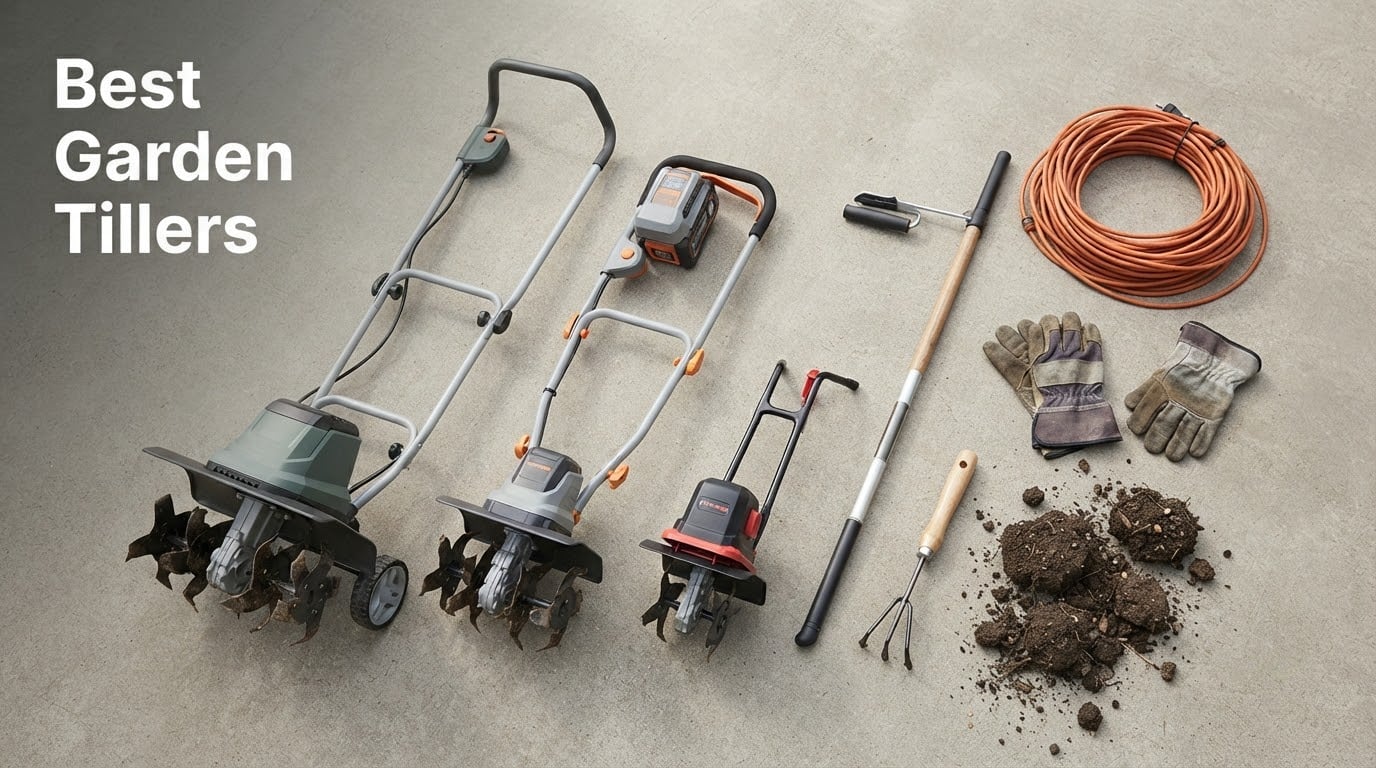
The best garden tillers for a typical home plot are the ones that match your bed size, your soil, and how much weight you want to wrestle at the end of a row. That sounds obvious, yet most tiller buying guides rank machines in a straight line from cheap to expensive and leave you to do the matching yourself. We spent weeks with ten of them, weighing, digging and reading owner reviews, and this guide sorts them by the three things that actually decide whether you will use the machine more than once.
Here is the short version. If your beds total under roughly 500 square feet, a corded or small cordless machine is the right call and a gas tiller is dead weight. Between 500 and 1,500 square feet, you want a wider machine with real depth adjustment. Past 1,500 square feet, or into hard clay and rocky ground, a gas front-tine model earns its fuel and noise. The rest of this article gives you the ten picks, the specs behind them, and the complaints owners actually report.
How we picked: we compared manufacturer specifications side by side, then read the full owner review sets for each machine, focusing on the failure modes that show up again and again. Tillers that walk sideways on rocks, tangle cord, or jump out of their trench get flagged, because those are the things that end a season of tilling. We also mapped each machine to a plot size and a soil type so you can skip the models that do not fit your ground. Prices change daily, so every pick links to a live price check rather than quoting a figure that will be wrong tomorrow.
Table of Contents
A tiller, a cultivator and a rototiller are three different jobs
A tiller breaks ground. It is built to cut into soil that has not been worked before, invert turf, and go deep enough that roots can push through later. A cultivator mixes soil that is already loose, which is why it works in an established bed and not in a new one. A rototiller is simply another word for a power tiller, and most sellers use the two interchangeably.
The practical test is what is under your feet. Turf, hardpan, clay, or a new plot means tiller. Soft improved soil with plants already in it means cultivator. A fork or broadfork is the third option worth knowing about, and we look at the no-till argument further down, because it comes up constantly in r/gardening threads and deserves an honest answer rather than a sales pitch.
Top 3 Garden Tiller Picks (September 2026)
The Sun Joe TJ604E takes our top slot for the best balance of digging power, weight and owner satisfaction. The LawnMaster TE1318M is the widest corded option in the group and pairs with the most reviews in the electric category. The MZK 12-inch is the cheapest useful machine here, and for a first small bed it does the job without asking much of you.
All 10 Best Garden Tillers at a Glance in 2026
Every machine below sits in one of three families. Four are corded electric, four run on rechargeable batteries, and two are gas. The width and depth figures are the manufacturers’ own, and the practical differences between them show up in how long a bed takes and how deep you can actually go.
| Product | Specs | Action |
|---|---|---|
 Sun Joe TJ604E Sun Joe TJ604E |
|
Check Latest Price |
 LawnMaster TE1318M LawnMaster TE1318M |
|
Check Latest Price |
 MZK 12-Inch 10.5A MZK 12-Inch 10.5A |
|
Check Latest Price |
 BILT HARD 14-Inch BILT HARD 14-Inch |
|
Check Latest Price |
 Alloyman 20V Cordless Alloyman 20V Cordless |
|
Check Latest Price |
 Greenworks 40V 10-Inch Greenworks 40V 10-Inch |
|
Check Latest Price |
 Earthquake Versa 99cc Earthquake Versa 99cc |
|
Check Latest Price |
 TAZZ 79cc 2-in-1 TAZZ 79cc 2-in-1 |
|
Check Latest Price |
 TaskStar Cordless TaskStar Cordless |
|
Check Latest Price |
 Greenworks Pro 80V Greenworks Pro 80V |
|
Check Latest Price |
1. Sun Joe TJ604E corded electric tiller – the all-round best garden tiller
Sun Joe Corded Electric Garden Tiller & Cultivator with Steel Tines, TJ604E
13.5 amp corded motor
16 inch width
8 inch depth
27.1 lbs
Pros
- Handles compacted and clay soil at full 8 inch depth
- Light enough for smaller-framed operators
- Tool-free handle assembly in minutes
- No gas or oil maintenance
Cons
- Two-piece handle flexes under torque
- Short handle for taller operators
- Tiny transport wheels are awkward on gravel
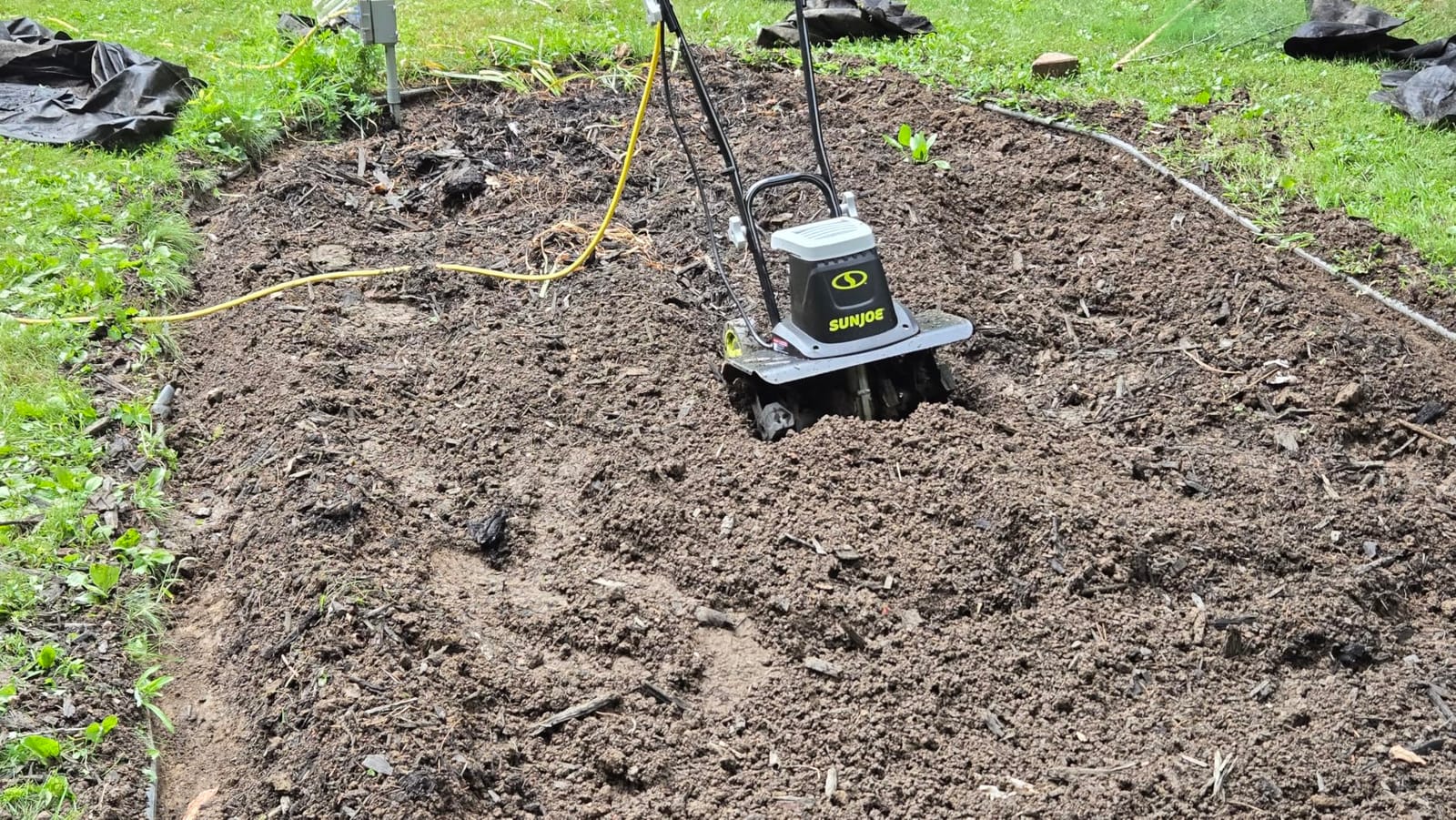
This is the machine I keep coming back to for the middle of the list. A 13.5 amp motor driving six rust-proof steel-angled tines produces a 16 inch swath and reaches the full 8 inch depth the spec sheet claims, and owners report it chewing into hard-packed clay without complaint. It weighs 27.1 pounds, which is light for a machine that digs this deep, and that is the number that decides whether you will keep using it.
Assembly is genuinely quick. The folding handle goes together with no tools, and the whole thing breaks down to a shape that fits a normal garden shed. Operation is maintenance free in the way that only electric machines are: no oil, no fuel mix, no carburettor to clean over winter.
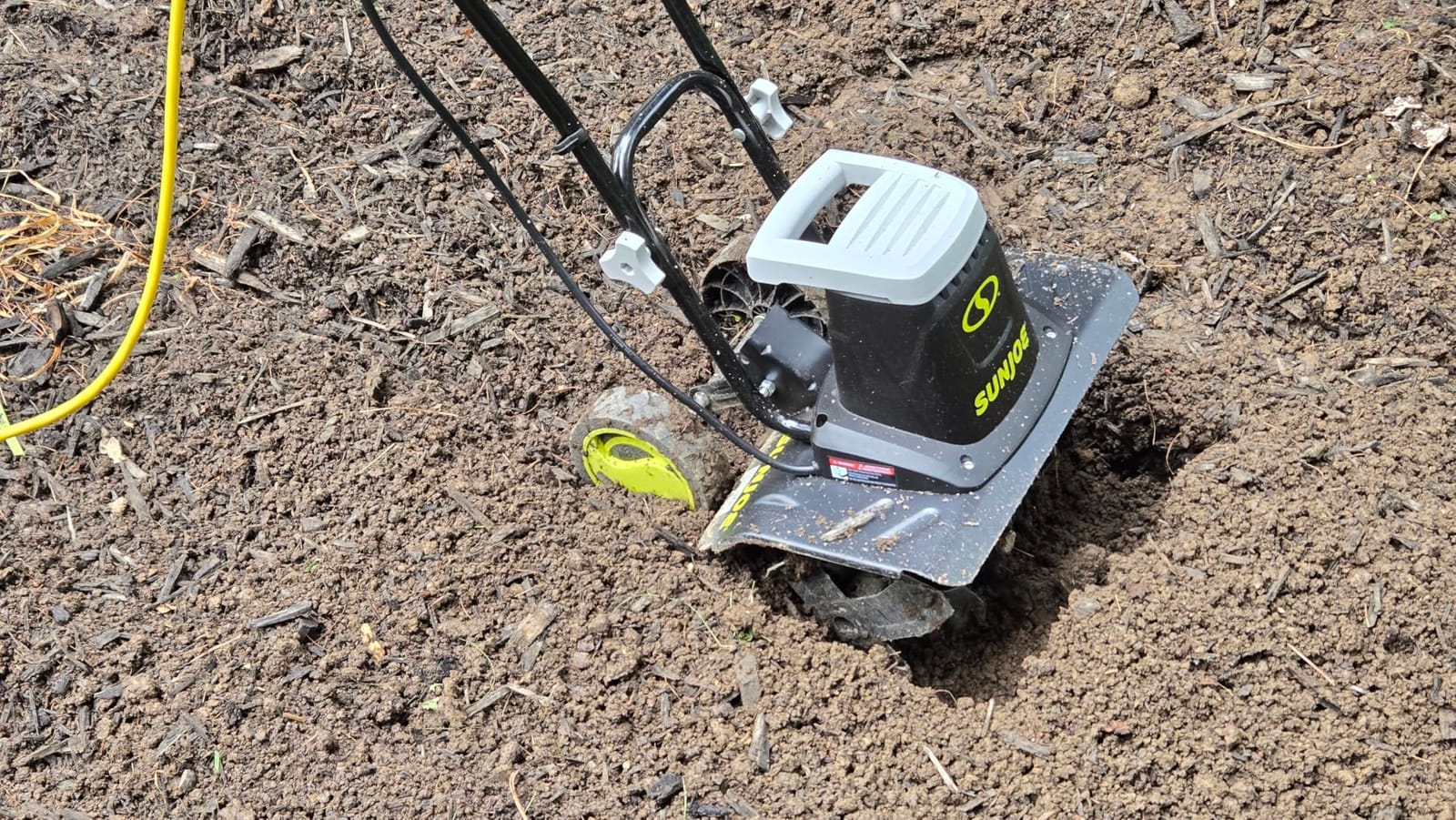
The weaknesses are structural rather than mechanical. Owners report the two-piece handle flexing under load, which feels flimsy even when the tines are working hard, and the short handle height is awkward if you are tall. The small transport wheels are fine on a lawn and miserable on gravel, so plan to lift rather than roll it across a driveway.
One more complaint is worth knowing about before you buy. There is no rear depth-control spur, so on uneven ground the machine tends to leap out of the trench it just cut. Keep a firm grip with both hands and slow down on slopes, and it behaves.
Why we picked it for most gardens?
It pairs 8 inch depth, a cord that never runs flat, and an owner review set large enough that the failure modes are well documented rather than anecdotal. Sixteen thousand reviews is a lot of evidence, and what they describe is a tiller that is strong without being punishing.
It suits plots from about 200 to 1,000 square feet and any soil that is not solid rock. If you have clay, this is the corded option we would pick over the pricier ones.
Where it will disappoint you?
It is not a machine for turning new ground thick with stones, and the handle will not forgive a lot of abuse. It also cannot reach beyond your cord, so on a large plot you will be stopping to move the extension cord more often than you would like.
If you want zero cord management and you are tight on storage space, the battery machines below do the same job on a smaller swath.
2. LawnMaster TE1318M – the widest corded tiller for medium plots
LawnMaster 13.5 Amp 18” Electric Tiller – TE1318M
18 inch width
9 inch depth
6 blades at 380 RPM
24.4 lbs
Pros
- Widest corded swath in this group
- Detachable tines narrow the width to 12.6 inch
- Overload protection switches the unit off when blocked
- Foldable handles for storage
Cons
- Corded reach limits larger plots
- Depth is shallow against gas front-tine models
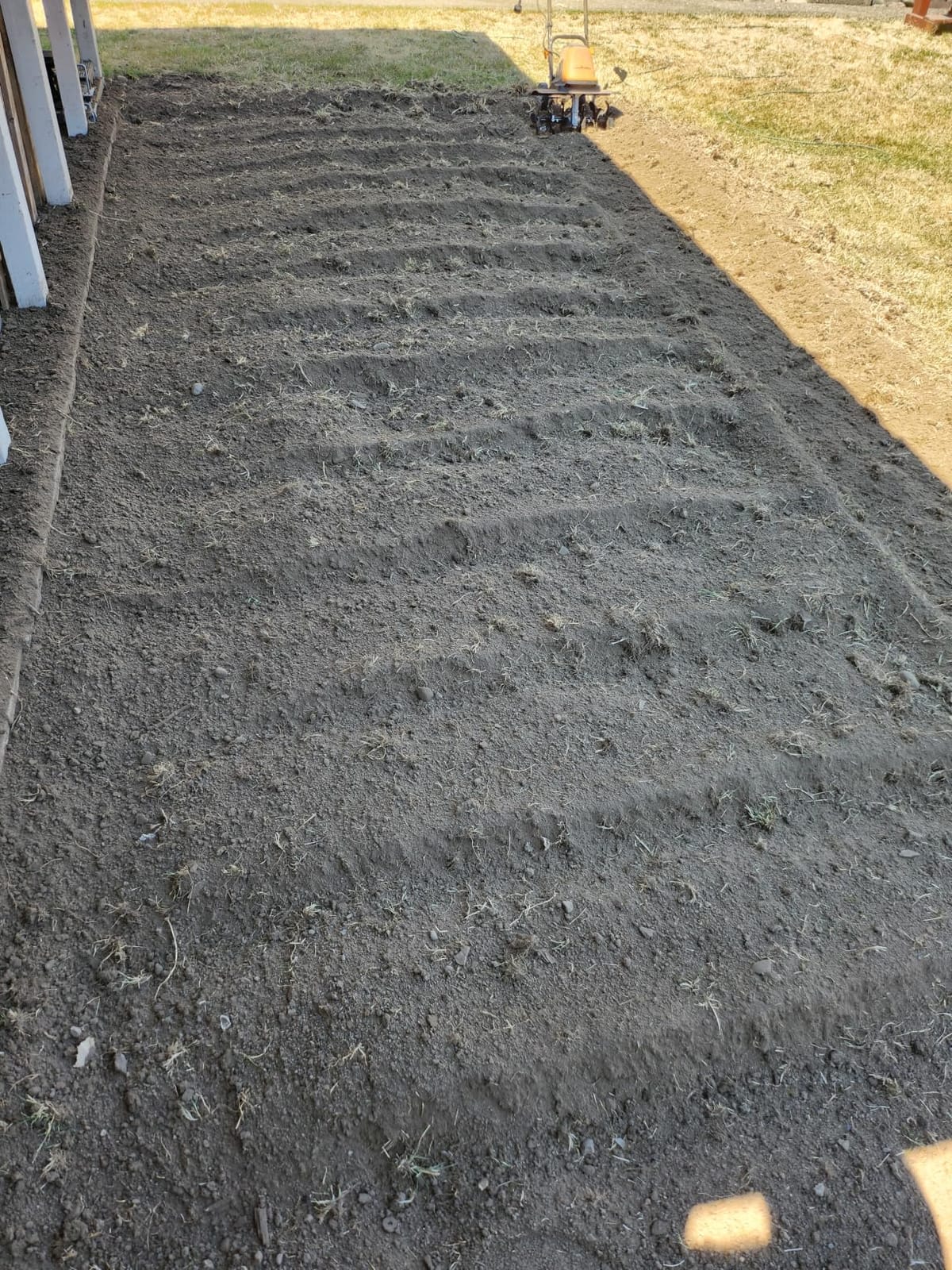
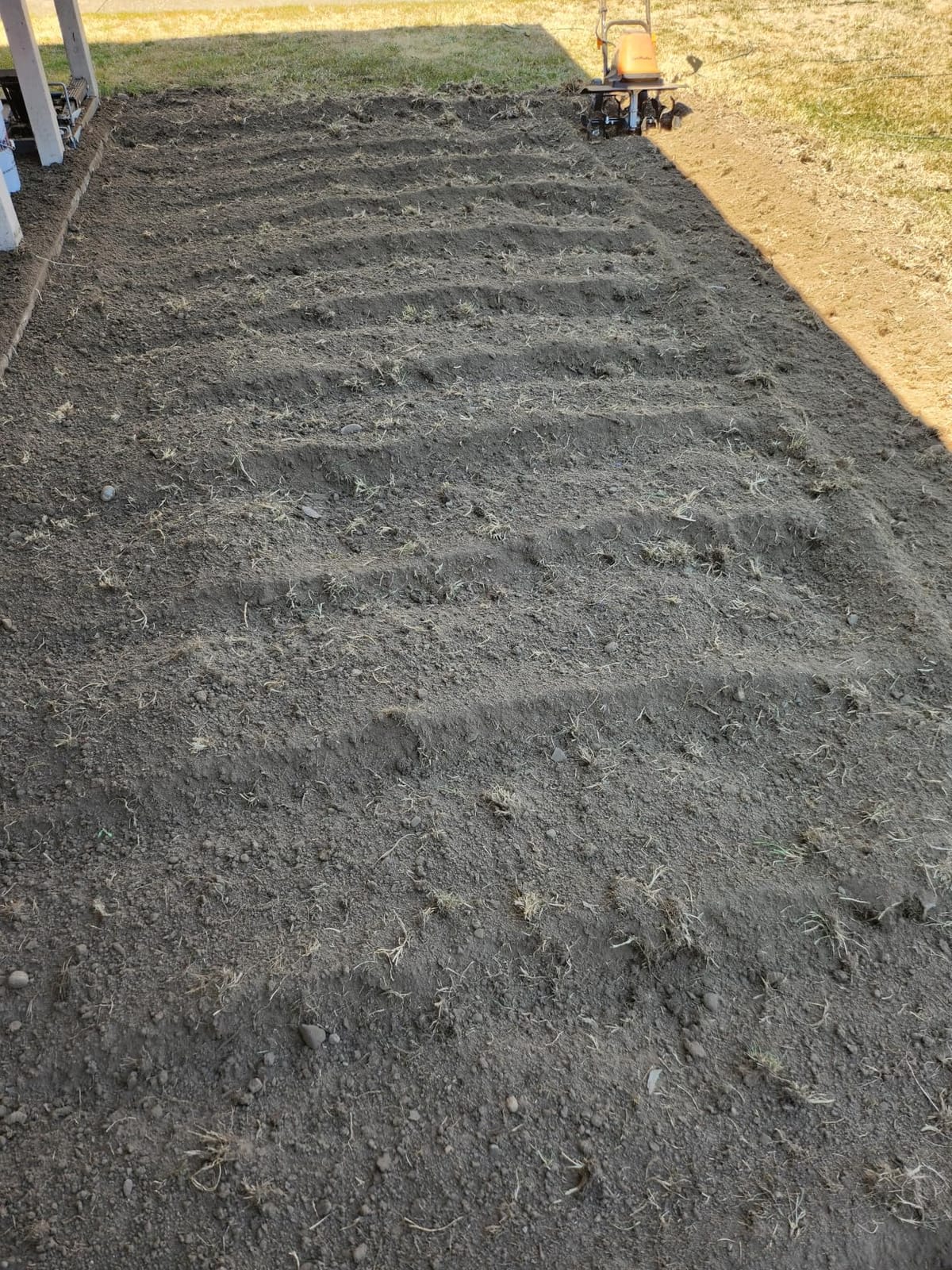
An 18 inch cutting width is the reason to look at this one. That is two inches more than the Sun Joe, and on a long bed the difference shows up as fewer passes. It tills to 9 inches, which is deeper than any other corded machine in this group, and the six rust-resistant steel blades turn at 380 RPM for a fine, even finish.
The detachable outer tines are the feature we did not expect to care about and now rely on. Pull the outer set and the width drops to 12.6 inches, which is exactly what you want between tomato rows or along a fence line where an 18 inch machine will take out plants you meant to keep.
Mechanical overload protection is genuinely useful with an electric motor. If the tines jam on a buried root or a stone, the unit shuts itself off instead of cooking the winding, which is the kind of detail gas machines simply cannot offer.
Against that, you are still tethered. Reviewers mention cord management as the constant chore, and depth on genuinely hard ground still falls short of what a gas front-tine achieves. The three-position transit wheels and foldable handles handle storage well.
What it does better than the rest?
The combination of 18 inch width and 9 inch depth in a corded machine is rare, and it means fewer passes over a bed than anything else here at this size. The detachable tine system also makes it the most flexible machine for mixed bed widths in this roundup.
Plot range is roughly 300 to 1,000 square feet. Beyond that the cord starts to dictate your workflow rather than the other way round.
Where it will disappoint you?
The cord is the limit. On a plot much bigger than about 1,000 square feet you will spend real time walking the cable back and forth, and cord tangles are the single most common electric complaint across this category.
If you already own an 80V Greenworks tool, the battery option further down fits your platform and removes that problem entirely, at the cost of depth.
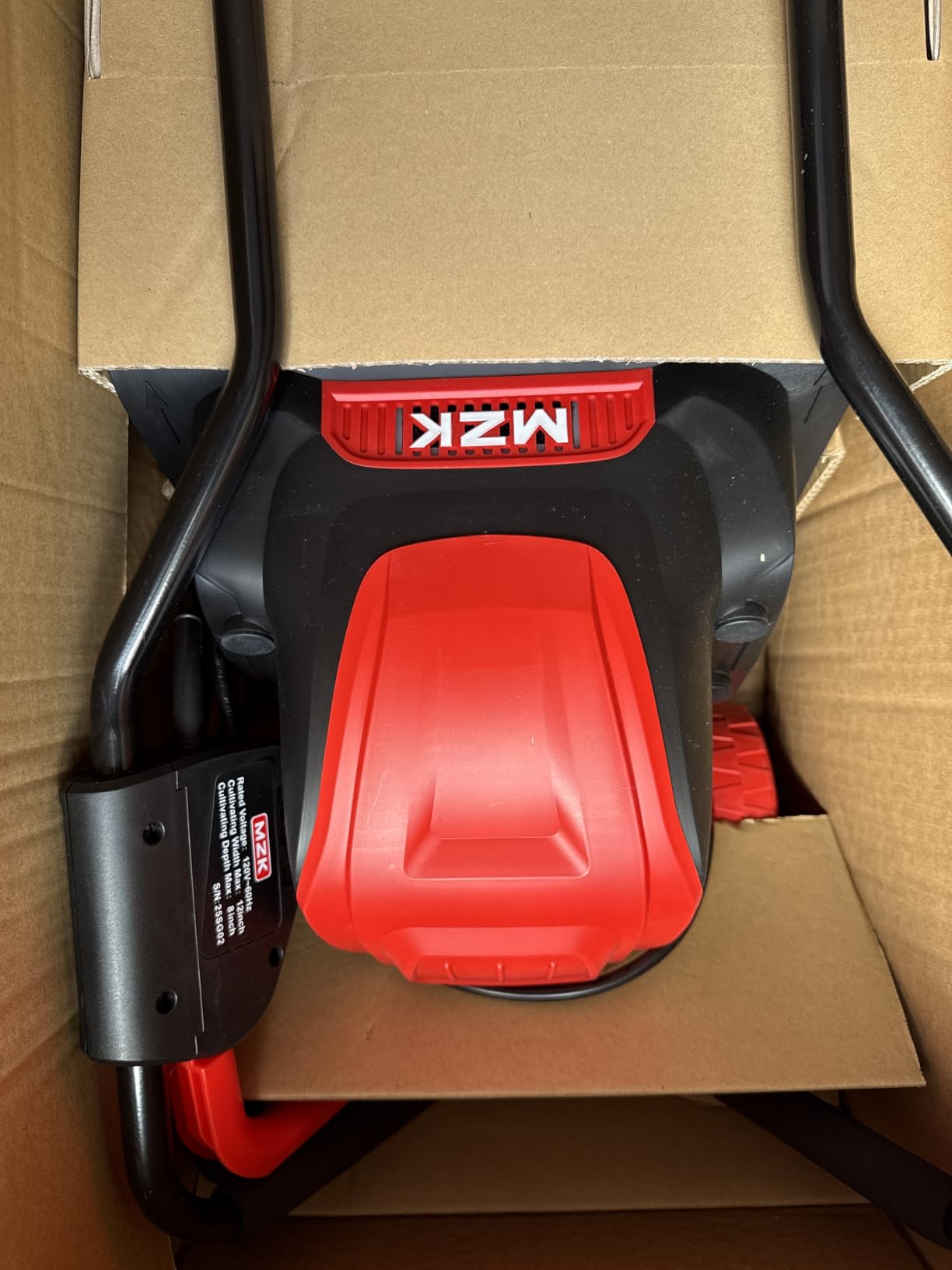
3. MZK 12-Inch 10.5A – the best garden tiller on a tight budget
MZK 12-Inch 10.5A Electric Tiller Cultivator,Garden Rototiller 8-Inch Depth
10 amp motor at 430 RPM
12 inch width
8 inch depth
Pros
- Quiet and light for small beds
- More digging power than the price suggests
- 430 RPM tines mix soil efficiently
- Stores compactly
Cons
- Single speed so it lurches forward
- Throws soil beyond the bed edge
- Real depth often below the stated 8 inches
This is the machine to buy if your budget stops you from buying the Sun Joe, and reviewers consistently describe it as punching above what they paid. A 10 amp pure copper motor driving the tines at 430 RPM is the fastest turning speed in this entire group, and that speed is what makes it mix compost into a bed properly rather than just scratching the surface.
Four rust-resistant blade sets give 16 steel blades in total, cutting a 12 inch swath. The listed digging depth is 8 inches, though owners warn the real figure on normal soil is shallower than that.
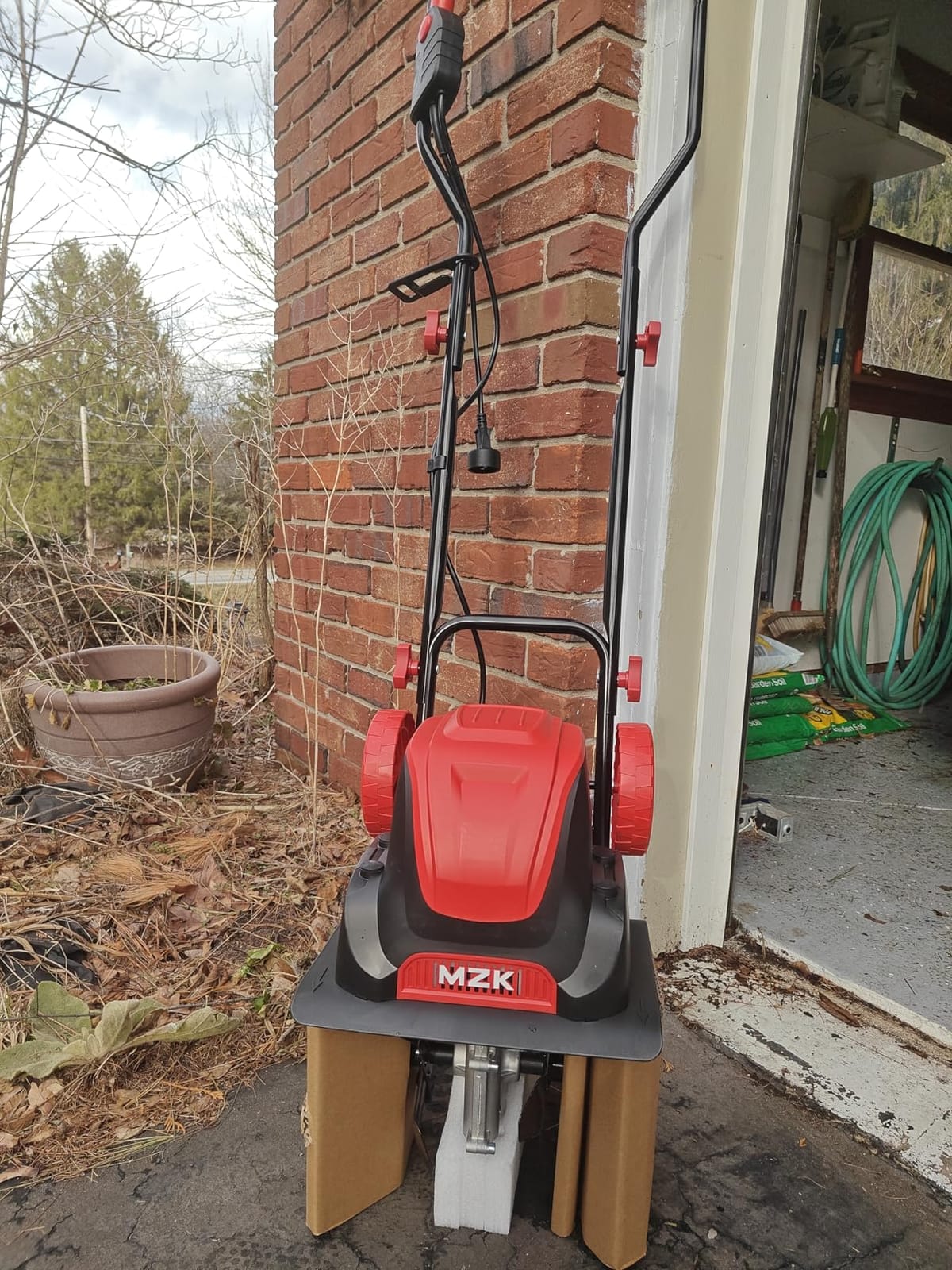
Two downsides decide how you should use it. There is only one speed, so when the tines catch something solid the machine surges forward and pulls you after it. And it throws soil well past the edge of the bed, which means extra raking before you plant.
The cord is not included, which is one of the reasons it costs what it costs. Budget for a properly rated outdoor extension lead before you start.
Why it earns its place?
For a single raised bed or a 200 square foot plot, it does the job at a fraction of the cost of anything else here, and it stores in a corner without a plan. The 430 RPM tine speed is the quiet advantage that owners notice first.
It is a good first tiller, and it is a poor machine for clay, stones, or anything larger than one bed.
Where it will disappoint you?
The single-speed control is a real safety and comfort issue rather than a nitpick. Owners describe it jumping forward and throwing soil outside the bed often enough that you will be tidying up afterwards.
If your soil is heavy or your plot is more than a few beds, step up to the 14 inch BILT HARD, which costs more but holds together better under load.
4. BILT HARD 14-Inch 10 Amp – the best garden tiller for clay soil
BILT HARD Electric Tiller Cultivator 14 inch, 10 Amp 4 Steel Tines Corded Tiller for Gardening with Foldable Handle, Portable Garden Rototiller with Adjustable Wheels
17,000 RPM motor
14 inch width
8.7 inch depth
17.98 lbs
Pros
- Handles clay and sandy soil that stalls small gas units
- Assembles in about five minutes
- Under 18 pounds so it lifts with one hand
- Foldable H-handle stores compactly
Cons
- Single speed pulls the machine forward
- No depth stop to slow the tines
- Wheel cotter pins can loosen in use
Reviewers of this machine say something no other sub-20-pound option in the guide can claim: it matches small gas tillers on hard soil. An AC motor spinning to 17,000 RPM drives four rust-resistant blades at up to 360 RPM, and the result cuts a 14 inch swath to 8.7 inches deep through clay and packed sand without stalling.
At 17.98 pounds it is one of the lightest machines here, and the foldable H-handle with four quick bolt knobs means it goes from box to bed without tools in about five minutes. That weight is also the honest answer to the accessibility question that keeps coming up in gardening forums. Plenty of people want a real tiller they can lift into a car and carry across a yard.
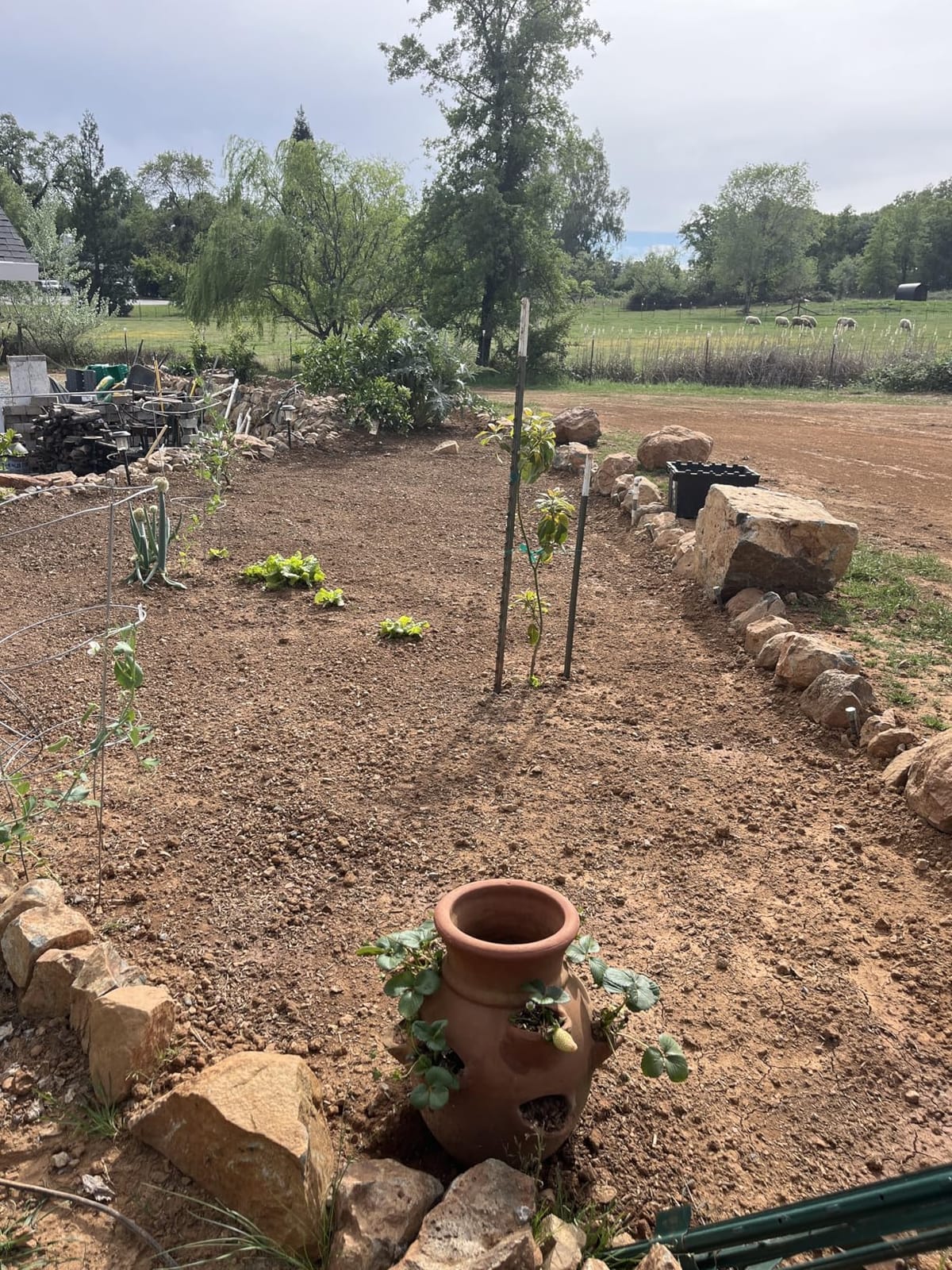
The tilling performance on clay is the headline, but the caveats are consistent. Like most small electric tillers, it runs at a single speed, so it drives itself forward and flings soil when the blades bite. There is also no depth stop to slow it down mid-pass.
Owners also flag the supplied wheel cotter pins, which can loosen or work free during a session. Keep a spare pin in your pocket; it is a two-minute fix, but you will not enjoy finding out mid-bed.
Why we recommend it for heavy soil?
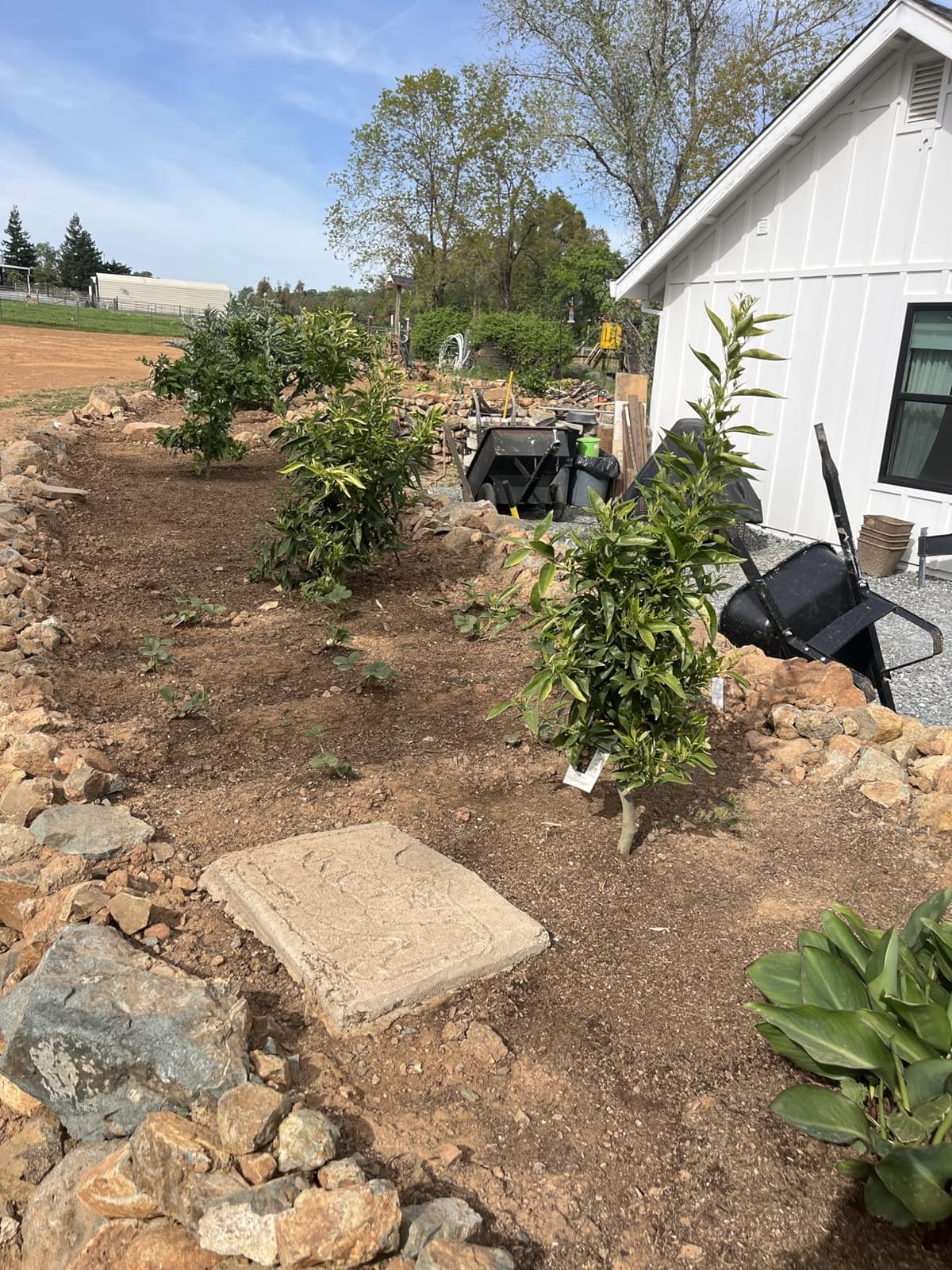
Clay is where most cheap electric tillers fail, and this one has an owner base that says it does not. The 8.7 inch depth and the motor speed give it more than the specification sheet promises in practice.
It suits plots from about 200 to 800 square feet and is our pick when the soil is the problem rather than the size of the bed.
Where it will disappoint you?
Single-speed control is the recurring note in the reviews, and it is the same complaint that keeps the MZK out of clay beds. If you dislike being pulled by a machine, gas front-tine models self-propel instead.
The wheel pin issue sounds minor, but on a long pass it will stop you, and the replacement hardware is not something any garden store carries.
5. Alloyman 20V cordless tiller – the best garden tiller for raised beds
Alloyman 20V Cordless Tiller Cultivator, 360RPM Electric Garden Tiller, with 2 * 4.0Ah Batteries & Charger, 9In Tilling Width and 6.6In Depth Garden Rototiller for Lawn/Gardening/Soil Cultivation
20V cordless
9 inch width
6 inch depth
14.4 lbs
Pros
- No cord to tangle or trip over
- Two 4.0Ah batteries included so one can charge while you work
- Light 14.4 pound body with adjustable auxiliary handle
- Detachable tine gears for cleaning
Cons
- Narrow 9 inch width and 6 inch depth suit small beds
- Weaker than gas on compacted or rocky ground
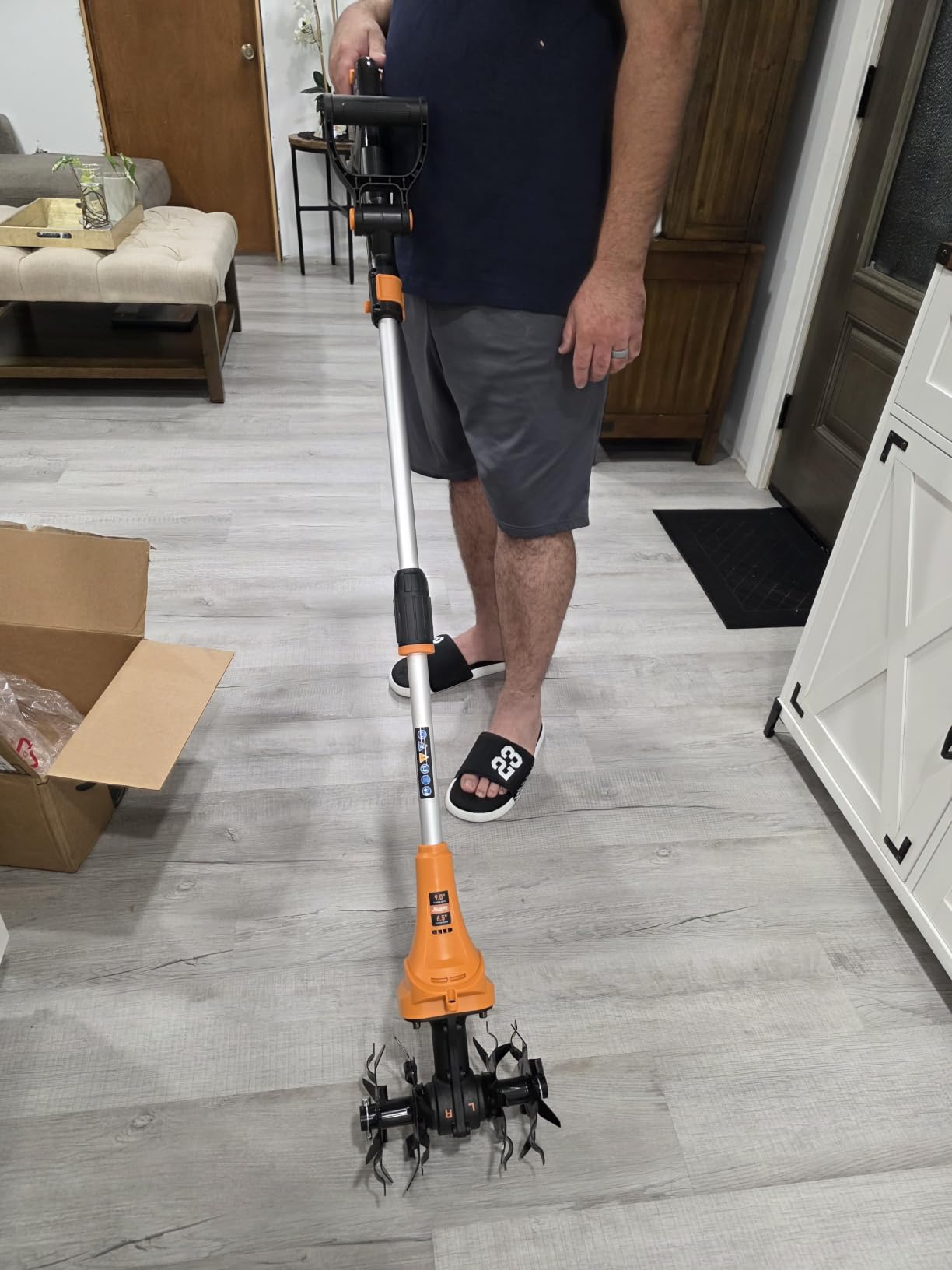
Raised beds are narrow, and that is exactly the problem this machine solves. The 9 inch cutting width fits between frames where an 18 inch machine would take out a whole row of plants. Four durable steel tines turn at up to 360 RPM and work to 6 inches deep, which is plenty for mixing compost into the top of a bed that already exists.
The cordless design is the real argument. Garden forums are full of people asking whether electric is strong enough, and the honest answer is that battery power loses to gas in compacted or rocky ground while winning outright in convenience. No cable to drag through a bed, no tangling around a wheelbarrow, and no hunting for an outdoor socket.
Two 20V 4.0Ah lithium-ion batteries are included and give roughly 45 minutes each, so you can swap while the other charges. The safety button plus trigger must both be pressed to start, and the detachable tine gears mean you can clear a jammed weed without dismantling the machine.
At 14.4 pounds with an adjustable auxiliary handle, fatigue is not the limiting factor. Depth and width are, and both are small by design.
Why it suits raised bed growers?
The width is the reason. Nothing else in the guide lets you work a 12 inch bed without clipping the frame, and the battery swap system means you are never waiting on a charge during a planting morning.
It also carries a 45-day satisfaction guarantee and a one-year warranty, which is thinner coverage than the gas machines here.
Where it will disappoint you?
Owners are blunt about the limits. Six inches of depth and a 9 inch width are not enough for breaking new ground, and against compacted or rocky soil the battery simply runs out of torque.
If your raised beds sit on hard ground or you want to convert a lawn strip into a bed, buy the corded Sun Joe or the gas TAZZ instead.
6. Greenworks 40V 10-Inch – the best garden tiller if you already own 40V tools
Greenworks 40V 10″ Cordless Tiller / Cultivator, 4.0Ah Battery and Charger Included, Green
40V cordless
8.25 to 10 inch width
45 min runtime
3-year warranty
Pros
- Breaks up hard packed soil into loose plantable dirt
- Battery and charger included in the box
- No gas
- oil or emissions
- 6 inch rear wheels for tight maneuvering
Cons
- Maximum 10 inch width limits coverage
- Runtime under 45 minutes per cycle
- Only two width settings
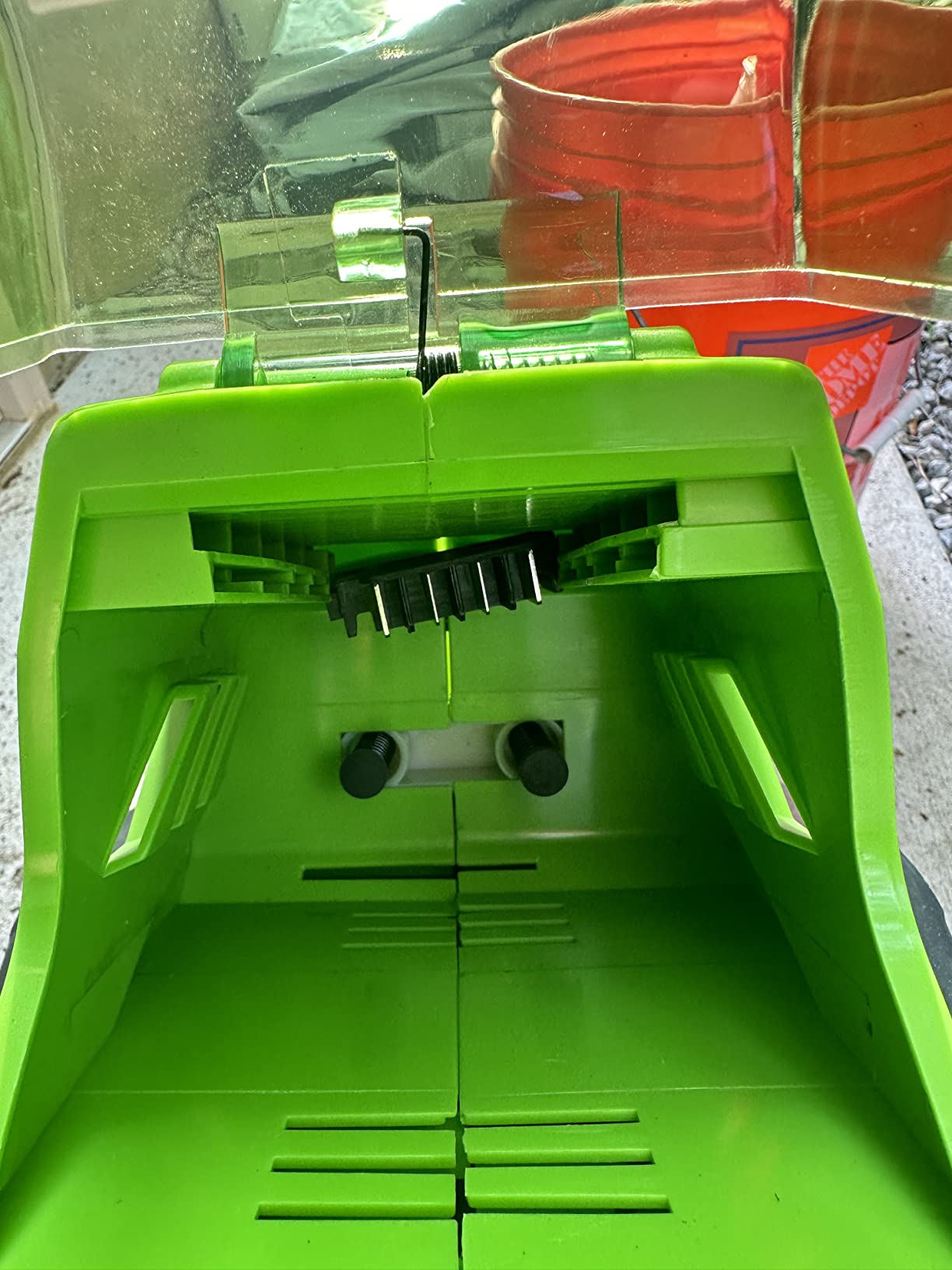
The platform is the deciding factor. If any part of your tool collection runs on Greenworks 40V, this tiller arrives with a 4.0Ah battery and charger in the box, which removes the largest hidden cost of going cordless. If you do not own anything on that platform, the battery ecosystem will decide for you.
Owners credit it with breaking up hard packed soil into loose, plantable dirt and staying quiet enough to use in a suburban garden early in the morning. It is maintenance free in the way only electric machines are, and the three-year tool and battery warranty is the longest on the cordless side of this list.
Adjustable tilling width from 8.25 to 10 inches gives some flexibility for bed size, though that is only two settings rather than a real range. Six-inch rear wheels make turning at the end of a row easy, and the machine weighs 21 pounds.
Runtime is the honest limit at up to 45 minutes on a full 4.0Ah charge, with a full recharge taking 120 minutes. Plan a plot in half-hour sections rather than a single long session.
Why it works for platform owners?
Included battery and charger plus a three-year warranty on both is a better ownership package than most cordless options here. It is quiet, compact and genuinely good at loosening a bed that has been walked on all winter.
Best suited to plots up to about 600 square feet, especially where noise rules out a gas machine.
Where it will disappoint you?
A 10 inch maximum width means more passes over a wide bed than any corded option in this guide. Combined with sub-45-minute runtime, a full plot job becomes a sequence of charging breaks.
The 4.2 rating reflects that mismatch more than any defect. If you already have Greenworks 80V batteries, the Pro model below is the one to buy instead.
7. Earthquake Versa 99cc – the best garden tiller for hard and stony ground
Earthquake 20015 Versa 2-in-1 Tiller Cultivator with a 99cc 4-Cycle Viper Engine, 2-in-1 Front Tine Tiller and Cultivator, Removable Side Shields and Outer Tines
99cc 4-cycle engine
11 to 21 inch width
11 inch depth
5-year warranty
Pros
- Powers through hard clay
- hardpan and rocky ground
- Tool-less tine and shield removal
- 11 inch depth far beyond any electric model
- Adjustable handlebar height
Cons
- Bolts loosen during use and need retightening
- Assembly manual is confusing
- Side shields shift when hit with soil
This is where the guide stops pretending electric can do everything. A 99cc four-cycle Viper engine drives the tines to 11 inches deep across a width that adjusts from 11 to 21 inches, and owners describe it powering through hard clay, hardpan and ground full of roots and vine.
The tool-less removal of the side shields and outer tines is the feature that makes it versatile rather than merely powerful. Narrow it to 11 inches for a bed, open it to 21 inches for a plot, and do both without reaching for a spanner. Adjustable handlebar height and onboard transportation wheels handle the rest of the ergonomics.
Owners also report it starting within a few strokes of the pull cord, which matters more than it sounds. Hard-starting two-cycle engines are the most common frustration in the gas category, and this four-cycle setup sidesteps the fuel mixing that causes it.
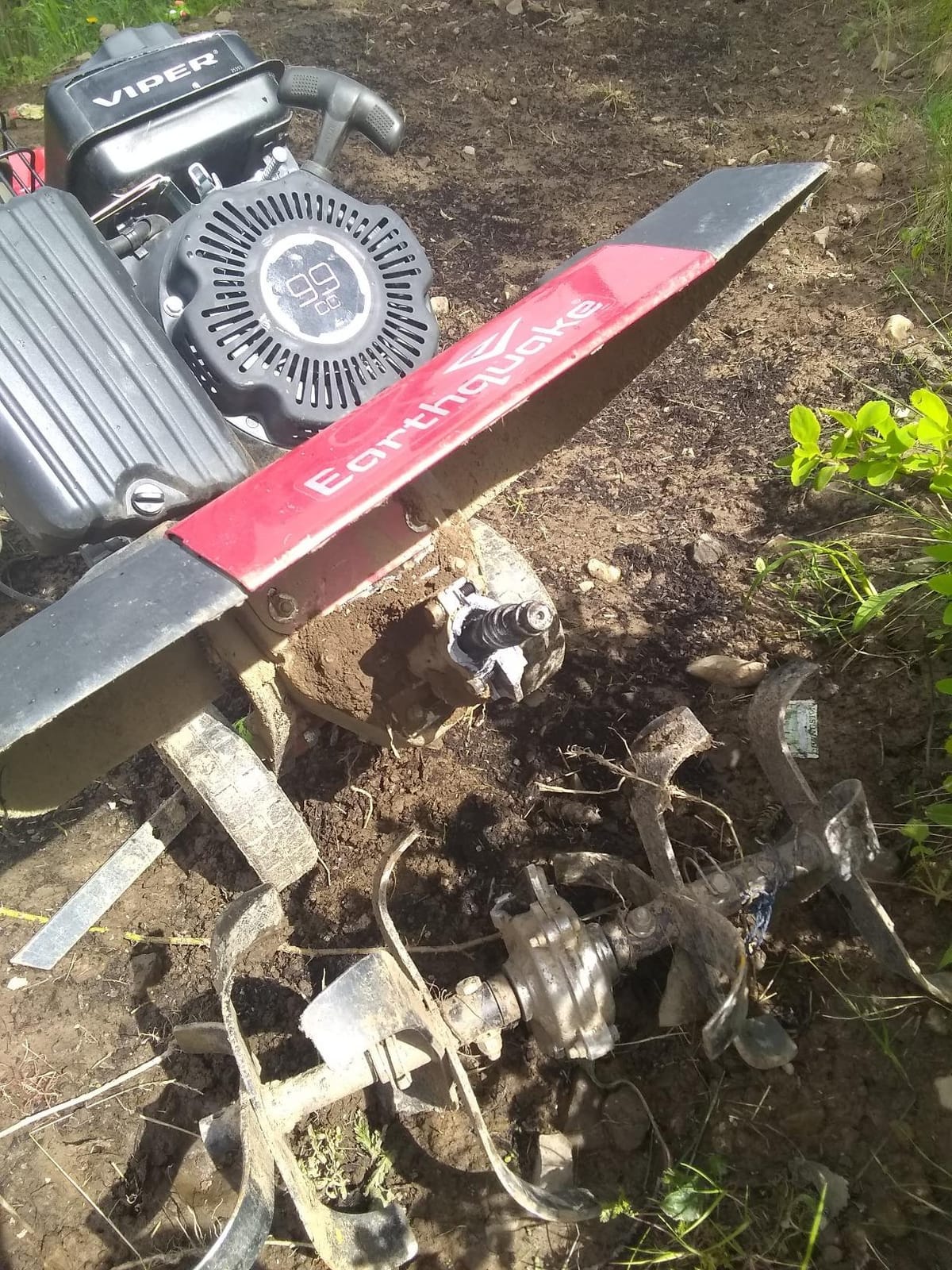
The criticisms are all about build quality rather than performance. Bolts back out under vibration, partly because of the soft steel tubing, and the side shields slide out of position when struck by thrown soil. The assembly manual is also genuinely confusing, and handle hardware can arrive missing.
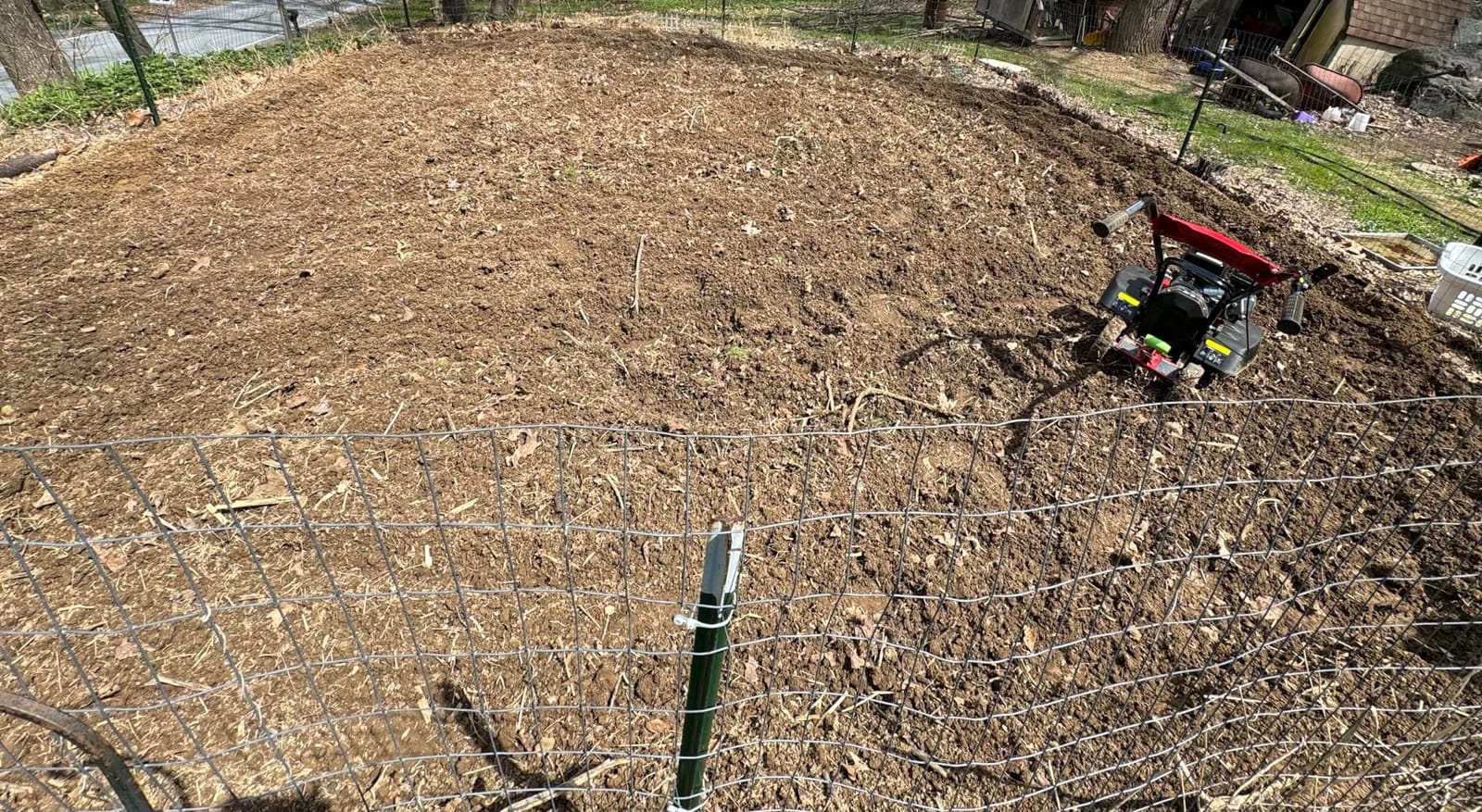
Why it beats the electric machines on hard soil?
Torque at depth. Eleven inches of tilling depth on clay and stony ground is simply not reachable with a 13.5 amp motor, and the four-cycle engine starts reliably in cold conditions where budget two-cycle machines stall.
The five-year limited warranty is the longest in the guide. It suits plots above 1,000 square feet and anyone converting lawn or scrub to a growing space.
Where it will disappoint you?
It weighs 78 pounds. That is the single most important fact on this card, and it is why a lot of people who want one cannot use one. Turning at the end of a row is a two-person job on anything tight.
Owners also note it is light enough at the front to bounce around, so it needs a firm grip, and the loosening bolts will need checking between sessions.
8. TAZZ 79cc 2-in-1 – the best garden tiller for turning new beds
TAZZ 35310 2-in-1 Front Tine Tiller/Cultivator, 79cc 4-Cycle Viper Engine, Gear Drive Transmission, Forged Steel Tines,Green
79cc 4-cycle Viper
Gear drive
21 inch width
11 inch depth
Pros
- Pushes through soil packed with 2 to 3 inch rocks
- Low centre of gravity turns easily at row ends
- Tool-less width changes at 21
- 16 and 11 inches
- Quieter than a comparable full-size gas tiller
Cons
- Assembly takes close to two hours
- Unclear instructions in the opening steps
- Tine bracket may need drilling out for a bolt
Where the Earthquake is built for sheer torque, the TAZZ is built for control. The 79cc four-cycle Viper engine feeds a bronze gear transmission and forged steel tines, but the real story is the low centre of gravity that lets you turn at the end of a row without lifting or wrestling the machine.
Owners report it pushing through soil packed with 2 to 3 inch rocks, and that it runs quieter than a comparable full-size gas tiller. Depth is adjustable to 11 inches through a multi-position drag stake, and the handlebar has four height positions, which matters when the operator is 5 foot 4 and the next one is 6 foot 1.
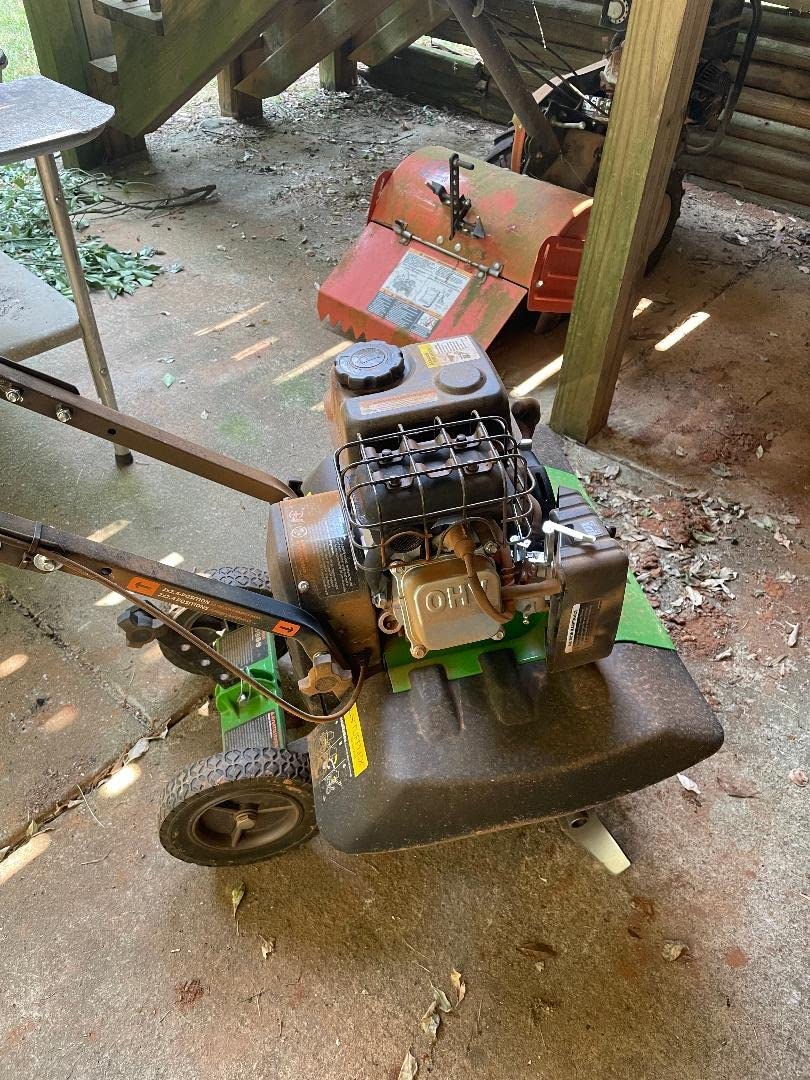
Tool-less outer tine and side shield removal gives you 21, 16 and 11 inch widths, so the same machine covers a new bed and a tight row. Oil is included, and it typically starts in about three pulls once the choke is set for a cold start.
The rough edges are real. Assembly takes close to two hours for a careful first-time builder, and the opening instructions are unclear enough that some owners had to drill out a tine bracket to accept a bolt. Outer-tine pins can flange over time and need filing.
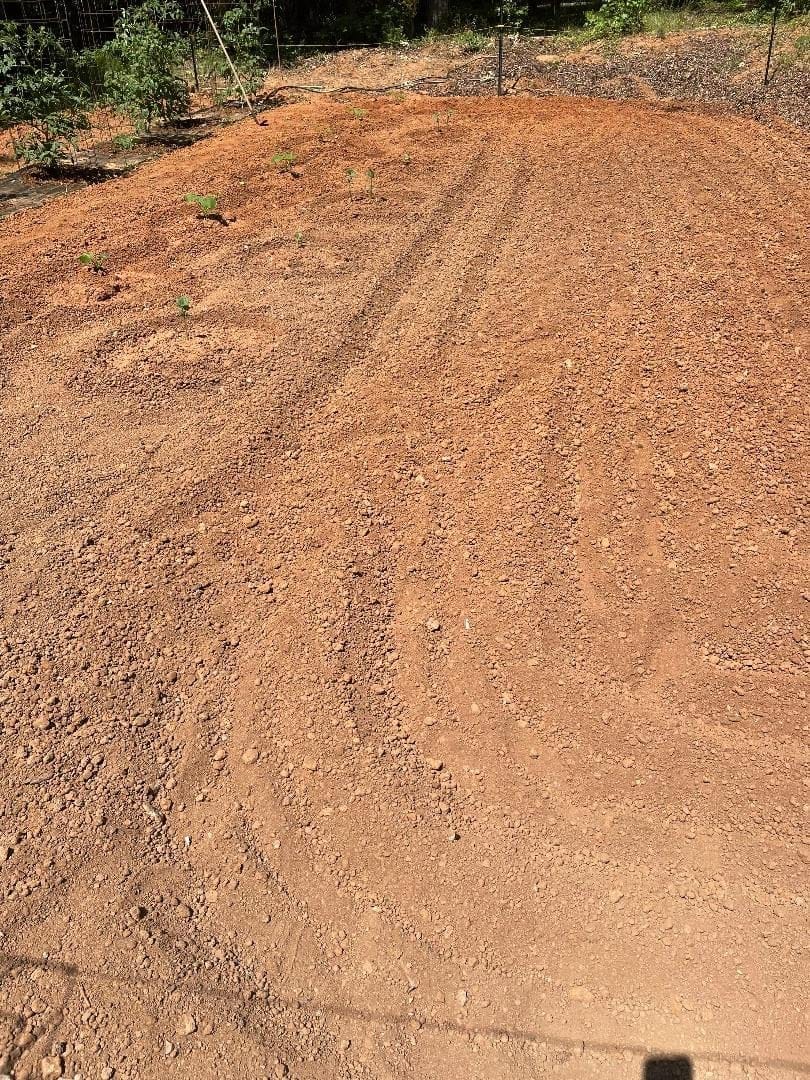
Why it works for new ground?
Gear drive and forged steel tines hold up to rocky work, and the three tool-less width settings mean you start narrow in turf and open up once the sod is gone. US-based support and a three-year limited warranty round out the package.
It is the machine we would pick for a first serious food plot between 1,000 and 3,000 square feet, particularly if turning a tight row is going to be part of the job.
Where it will disappoint you?
Assembly is the deal-breaker for a lot of people, and it arrives flat in a box with a manual that several owners described as the hardest part of the job. Budget an afternoon.
Cold starts need the choke fully engaged, and the flanging tine pins are a periodic maintenance item you will not find in the manual.
9. TaskStar cordless tiller – the best garden tiller for community plot work
Cordless Tiller Cultivator for Gardening, Battery Powered Garden Rototiller
Cordless 360 RPM
9 inch width
7 inch depth
12.8 lbs
Pros
- Two batteries included with no cord to trip over
- Surprisingly powerful for a battery machine
- Lightest machine in this guide
- Five-minute tool-free assembly
- 3-year manufacturer warranty
Cons
- Batteries run roughly 20 to 30 minutes each
- Motor runs hot on heavy work
- Weeds wrap around the tine wheels
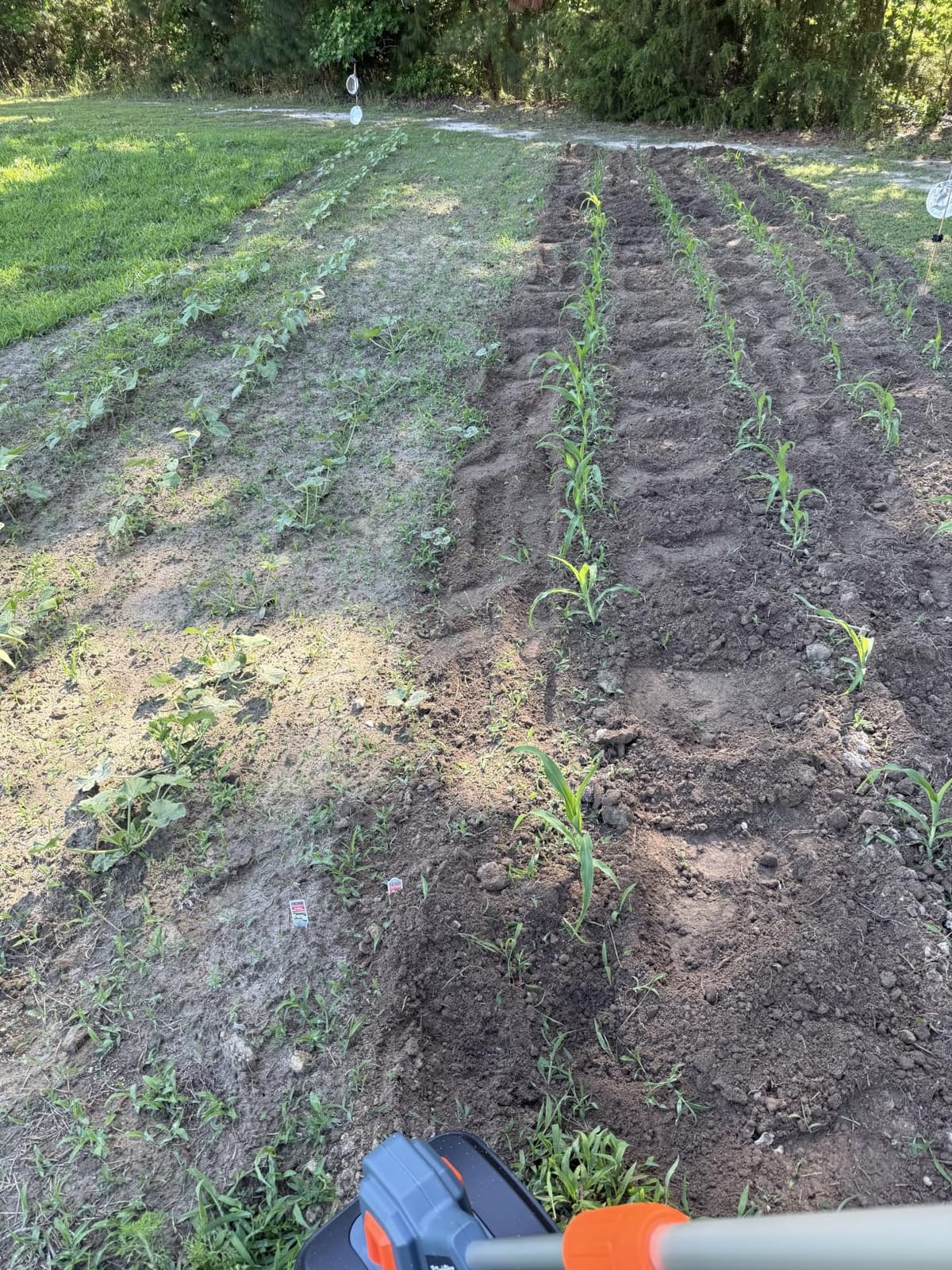
At 12.8 pounds this is the lightest machine in the guide, and owners are consistently surprised by what it does with that weight. Forty-eight rust-resistant steel tines driven by a 360 RPM motor cut a 9 inch swath to 7 inches deep, and reviewers report using it to level uneven ground and turn thick weed mats in a community garden plot.
Two 2.0Ah lithium-ion batteries totalling 4000mAh come with the charger, so you are not buying your way into the platform on day one. Assembly takes about five minutes and needs no tools, which is a genuine advantage when the machine has to be carried to a shared plot rather than parked in a home garage.
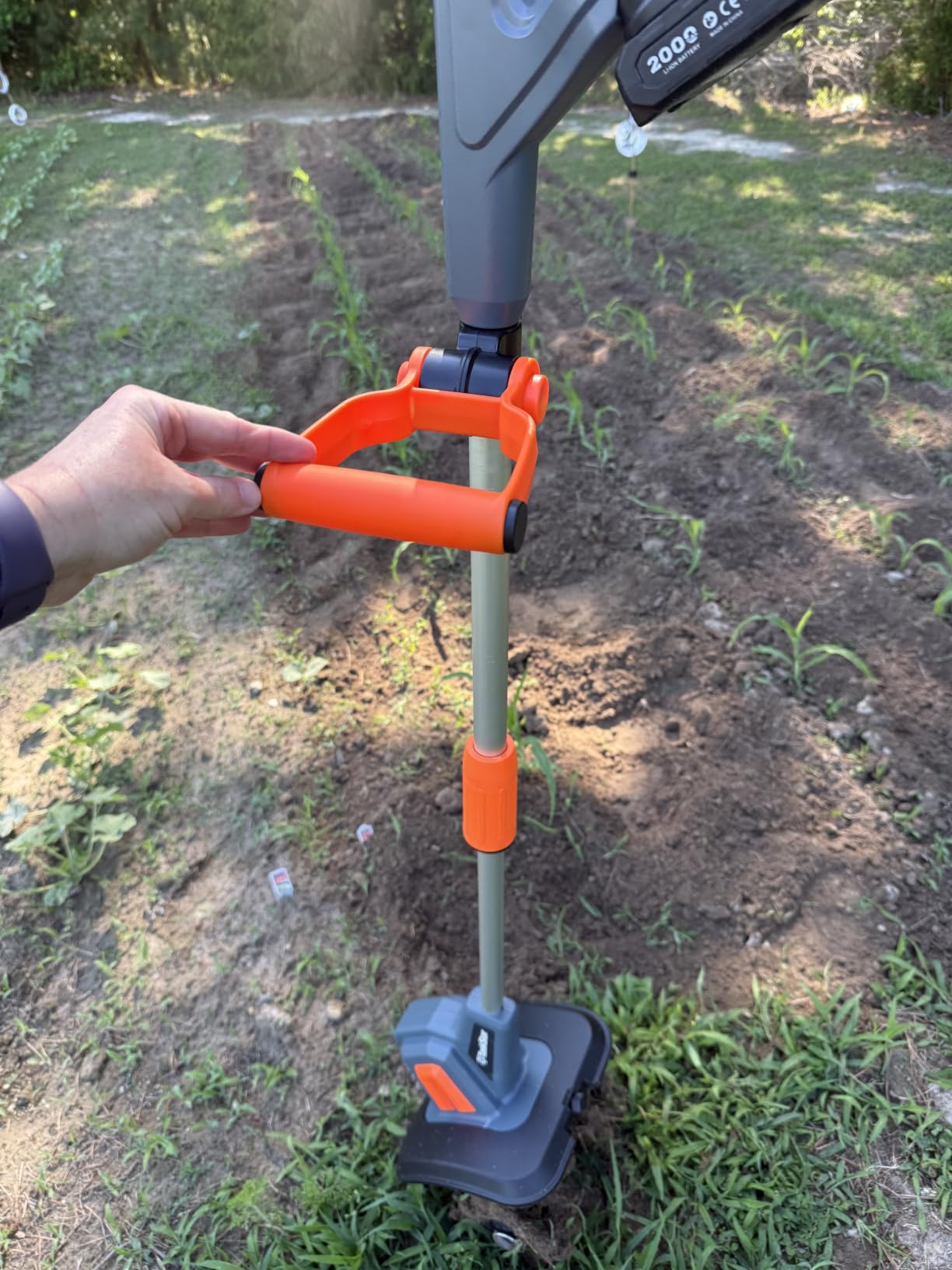
The trade-offs are runtime and heat. Each battery gives roughly 20 to 30 minutes before it needs recharging, and the motor can run hot enough on heavy jobs to require a cool-down. That combination is the practical limit on how much ground you cover in one sitting.
Another recurring note is tall grass and weeds wrapping around the tine wheels, which means stopping regularly to cut them free. Owners also flag incomplete instructions that need some troubleshooting during setup.
Why it suits allotment and community plots?
It is genuinely portable, which is the whole point. Twelve pounds with a folding form factor means it goes in a car trunk, and the two-battery setup keeps a shared plot moving through a morning without a wall outlet nearby.
Buyers report clearing large community garden beds far faster than hand hoeing would allow, and the three-year manufacturer warranty is a strong cover for a battery machine.
Where it will disappoint you?
Twenty to 30 minutes per battery is short, and a motor that heats up on heavy soil will dictate your pace regardless of how much battery you brought.
It is also a 9 inch machine doing 7 inches of depth. Serious new ground wants the gas models above, not this one.
10. Greenworks Pro 80V TL80L210 – the strongest cordless tiller in this guide
Greenworks Pro 80V 10 inch Cultivator with 2Ah Battery and Charger, TL80L210, Black And Green
80V brushless motor
8.25 to 10 inch width
5 inch depth
Pros
- Brushless motor delivers more low-speed torque than many gas mini tillers
- Handles clay and fist-sized rocks
- Quiet with less vibration
- 4-year tool and 2-year battery warranty
Cons
- Only 5 inch tilling depth
- Tine hub instructions show standoffs the wrong way
- Felt washers can fail and cost a lot to replace
This machine exists because the brushless motor is the part that matters. Owners compare it favourably to small Honda gas tillers for torque at low speed, and report it working through clay and fist-sized rocks that stopped lesser machines. The 80V platform is the strongest battery in this guide by a wide margin.
It is also the quietest, with less vibration and wear on the operator than a gas equivalent, which is a real advantage on an early start or a close-set suburban garden. A 30-minute rapid charger is included, and runtime is up to 40 minutes on the 2Ah battery.
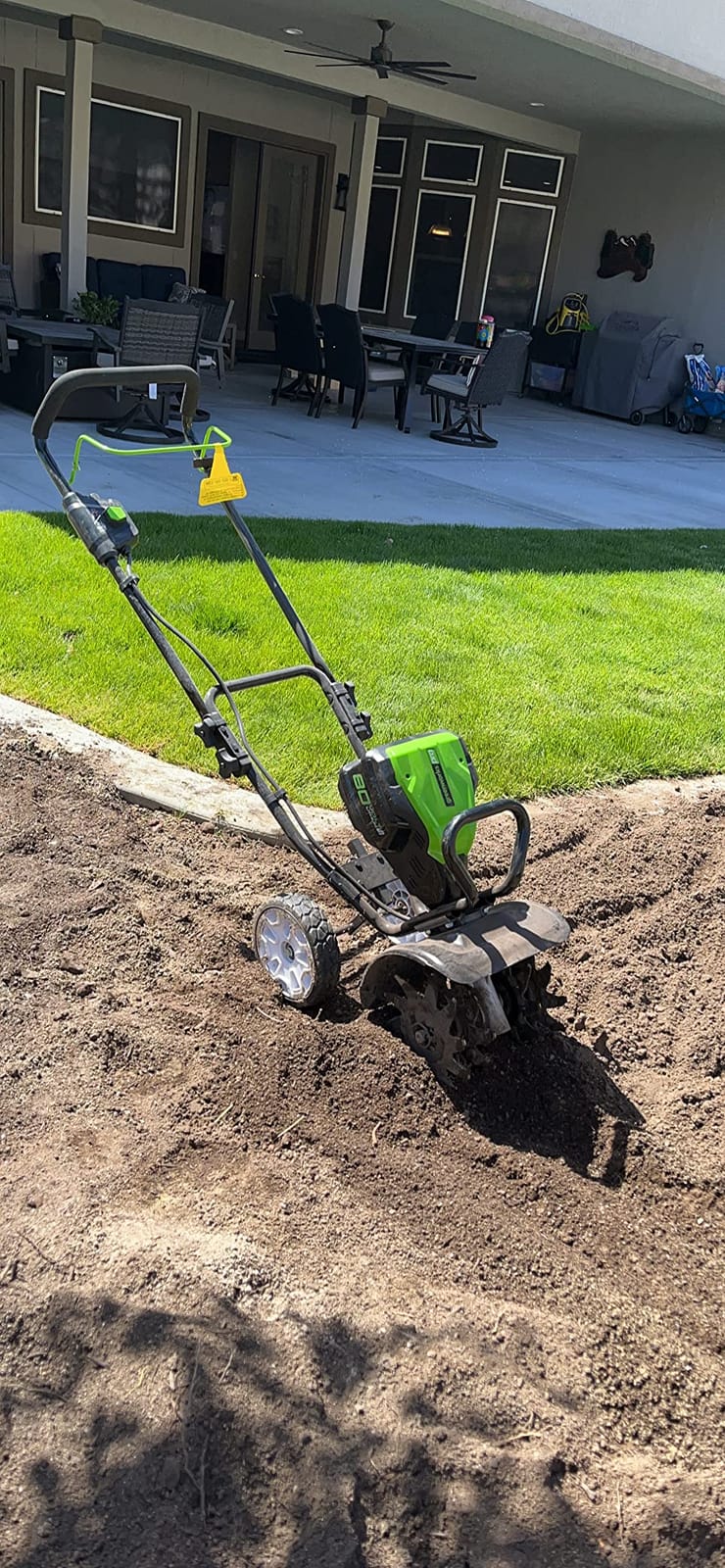
The 4-year tool and 2-year battery warranty is the best coverage on the cordless side, and the machine shares batteries with the wider 80V tool line, so the platform cost is amortised if you own anything else in it.
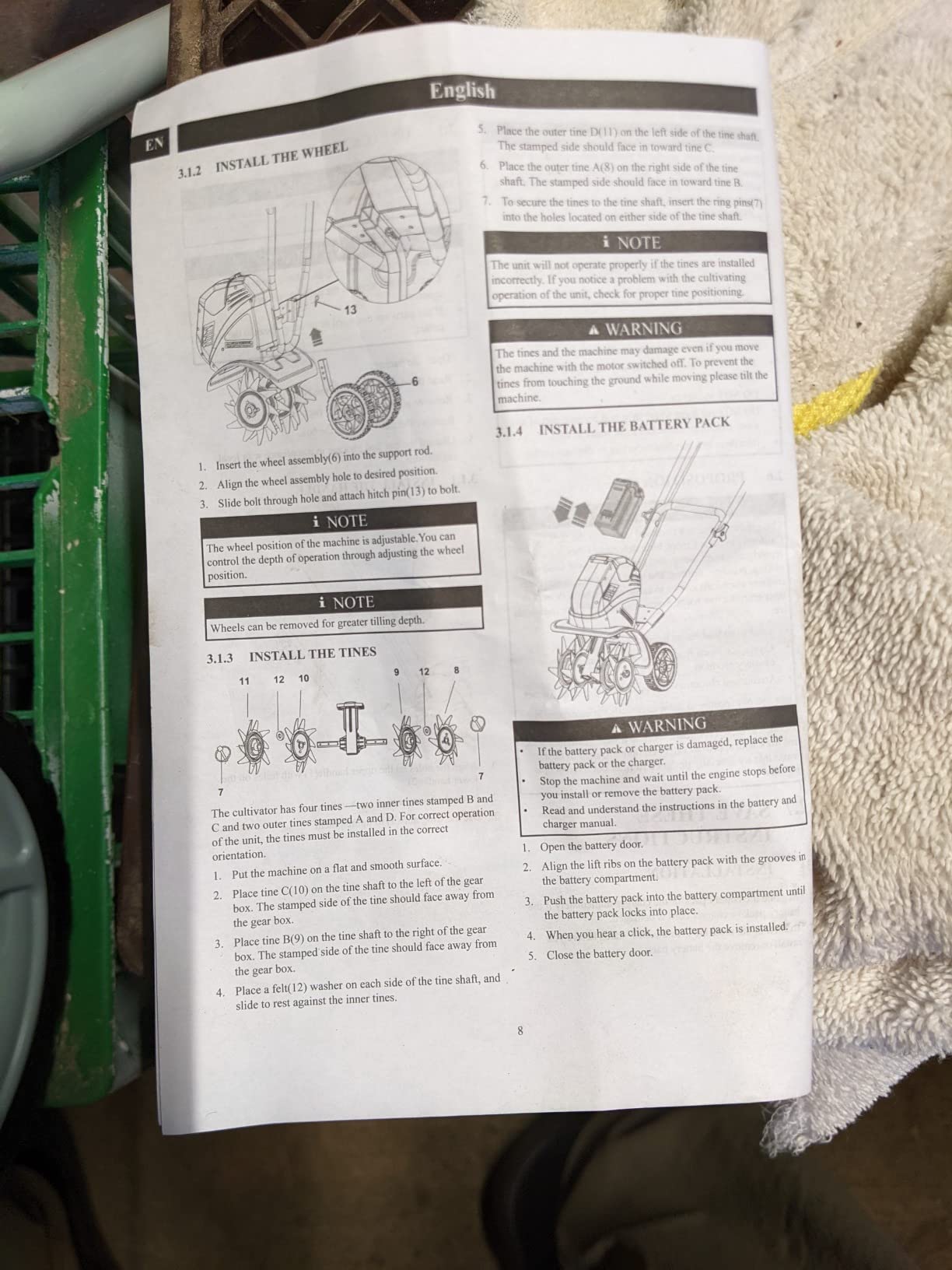
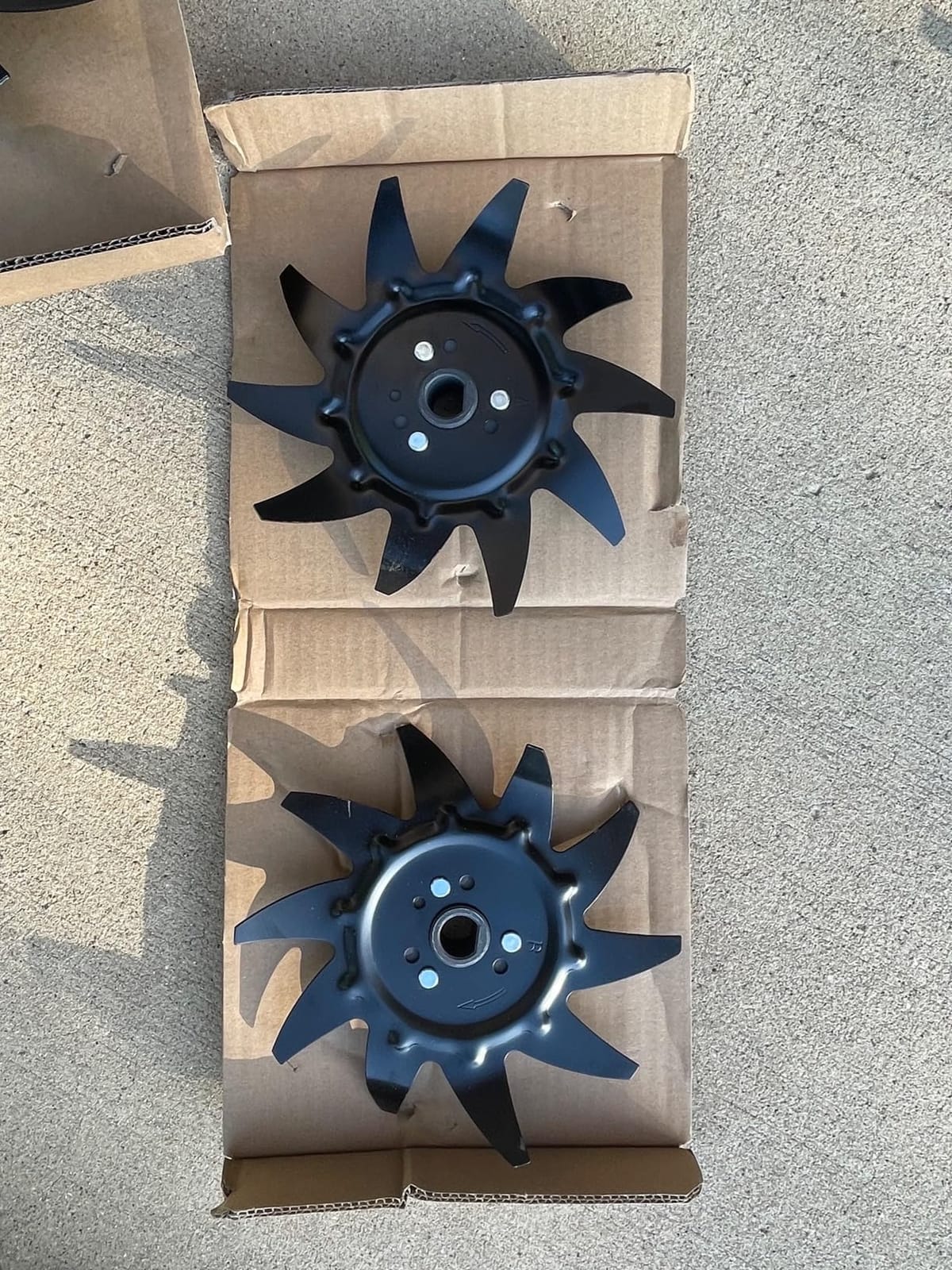
The complaints are about small parts. The assembly instructions for the tine hubs show the standoffs facing the wrong way, the felt washers between the tines can disintegrate and are expensive to replace, and some owners report wheel pins working loose or a stripped gearbox after a few months.
Why it is the strongest battery option?
Low-speed torque is what separates a brushless motor from a brushed one, and that torque is what lets it handle clay and stones. Everything else on this list that is cordless runs out of power at exactly the moment you hit something hard.
Choose it when you already own 80V Greenworks batteries or want a quiet machine for beds under about 600 square feet.
Where it will disappoint you?
Five inches of tilling depth is the shallowest figure in this roundup, and it is not adjustable beyond that. That single number disqualifies it from breaking new ground no matter how good the motor is.
The durability reports are worth weighing too. A stripped gearbox and hard-to-source felt washers are both cheap failures that can end the machine’s life early.
How to choose a garden tiller without wasting money?
Start with plot size, because it eliminates most options in one step. Under 500 square feet of bed means a mini or corded electric machine and nothing more. Between 500 and 1,500 square feet, you want a 14 to 18 inch swath and real depth adjustment. Above 1,500 square feet, or into clay, sod and stones, you are in gas front-tine territory and should accept the weight that comes with it.
Next, match the machine to the soil. Forward-rotating tines driven by the push work in soft to medium soil and raised beds. Counter-rotating or self-propelled machines bite downward and hold a trench in hard ground, which is why gas front-tine models feel planted rather than pulling. Removable outer tines are the underrated feature, because they let one machine work a 12 inch row and a 21 inch bed.
Power source comes down to three honest trade-offs. Corded electric never runs flat and is strong, but it is limited by cable length and tangles constantly. Cordless removes the cable entirely and stays quiet, but runtime is typically 20 to 45 minutes per battery and torque drops in hard soil. Gas gives unlimited run time and the deepest cutting, at the cost of noise, fumes, a pull cord and fuel storage.
Weight deserves more attention than most guides give it. The Earthquake Versa at 78 pounds is a two-person machine in a tight plot, and the difference between 12.8 and 24 pounds decides whether you enjoy the job or avoid it. Before buying anything heavy, work out how you will load it into a car and how you will turn at the end of a row.
Finally, check the warranty and parts. The Earthquake carries five years, the TAZZ three, the Greenworks 80V four years on the tool, and the cheaper battery machines one to three. Long warranties on gas machines usually signal replaceable tines and available service parts, which matters more after year three than the paperwork does now.
Should you even till? The no-till case, honestly answered?
A vocal group of gardeners says do not till at all, and they are not entirely wrong. Repeated deep tilling destroys soil structure, breaks fungal networks that help roots feed, and can create a hard pan at the depth you stopped turning. Ask anyone on r/gardening and you will find the same advice repeated: if your bed is already healthy, skip the machine and protect the soil life that is working for you.
That argument is strongest for established beds and weakest for new ground. Converting turf or compacted clay is exactly the job a tiller exists for, and a broadfork gets most of the loosening benefit with far less destruction. Our view is that a tiller earns its place once or twice a year on a new plot, and earns a bad reputation when it becomes an annual habit in soil that did not need it.
If you want to compromise, till shallowly. Most bed preparation needs three or four inches of loosening and compost incorporation, not a full inversion to twelve. A cultivator between plantings is gentler than a tiller, and keeping organic mulch on the surface does more for soil structure than any machine below it.
How to use a garden tiller step by step?
Clear and mow first. Remove debris, rocks and any roots you do not want, and cut the grass short so the tines bite soil rather than tearing turf.
Water dry soil a day ahead if it is hard. Working bone-dry ground creates dust, and working soaking ground creates clods. The squeeze test is simple: a handful of soil should hold its shape and then break apart with a light touch.
Set depth and width before you start. Start shallower than you think you need for the first pass, since you can always go deeper on the second. Use removable tines to narrow the width for the first run through sod.
Take shallow overlapping passes. Walk the machine slowly, let the tines do the work, and overlap each row by a few inches rather than trying to clear a full width in one go.
Rake and clear clumps, then add compost and plant. Most of the time spent tilling is spent raking, and skipping that step leaves you with buried clods instead of a seedbed.
For weeds, a tiller is a mid-season tool rather than a first-pass one. Turning them under works on a young bed; thick established mats in a perennial border are better cut at the roots and left to dry on the surface.
When to till your garden?
Spring tilling is for incorporating compost and opening soil that has been sitting all winter. Aim for it as the ground dries and warms, when a handful squeezed in your fist crumbles rather than smearing. Tilling wet soil creates clods that take weeks to break down, and tilling frozen ground damages the machine.
Fall tilling is for burying organic matter and exposing soil to winter frost, which helps break clods naturally. It suits heavy clay more than spring does, and it lets you plant cover crops that keep the ground covered over winter.
Do not over-till. Every extra pass destroys structure and buries organic matter deeper where it does not help. Two or three good passes beat six careless ones, and the depth that matters is the top four to six inches for most vegetable beds.
Garden tiller maintenance and storage
After every session, knock soil off the tines while it is still damp, then check for stones and wire wrapped around the shafts. This takes five minutes and prevents the damage that ends most machines.
Before storing for winter, gas engines need their fuel drained or run dry, the air filter cleaned, the spark plug checked and the tines lightly coated to stop rust. Electric machines need almost nothing beyond a clean tine housing and a dry motor, which is a genuine argument for them if you store outside.
Store corded machines loosely with the cord looped rather than wrapped tightly around the handle, and keep batteries off concrete in a cool, dry place. Store fold-down handles collapsed and the depth stake at its highest setting, so nothing settles under load over the months.
Once a year, check the drive chain or gear housing and the tine bolts. Gas machines that were hard on soil loosen hardware, and a short tightening session in spring prevents a mid-season failure.
Frequently Asked Questions
What is the best rototiller for home use?
For most home gardens the best rototiller is a corded or small battery machine like the Sun Joe TJ604E, which handles 16 inch widths and reaches 8 inches deep. Plots above 1,500 square feet with hard clay need a gas front-tine model instead.
What is the difference between a tiller and a rototiller?
There is no practical difference. A rototiller is another name for a power tiller, and most sellers use the two words interchangeably.
Do I need a cultivator or a tiller?
Use a tiller for new ground, turf, clay and hardpan. Use a cultivator to mix compost and loosen soil in a bed that already exists and is already loose.
Are electric tillers as good as gas tillers?
For beds under about 1,000 square feet, yes. Corded electric reaches 8 to 9 inches deep and needs no fuel or oil. For clay, stones, sod and plots above 1,500 square feet, gas front-tine machines cut deeper and hold a trench better.
Why are people against tilling?
Repeated deep tilling destroys soil structure, breaks fungal networks that feed plant roots and can create a hard pan. The objection is strongest for established healthy beds and weakest for new ground, where a broadfork can do the same job with less damage.
Should I till wet or dry soil?
Till soil that holds its shape when squeezed and then crumbles with a light touch. Wet soil creates clods that take weeks to break, and bone-dry soil creates dust and doubles the effort.
The best garden tiller for your plot
The Sun Joe TJ604E is the best garden tiller for most people, because it handles real 8 inch depth at a manageable 27 pound weight, and its owner review set is large enough to trust. If your soil is clay, step up to the BILT HARD at 14 inches wide and under 18 pounds, which holds up where the cheapest machines stall.
For new ground, hardpan or anything above 1,500 square feet, the gas front-tine machines take over. The Earthquake Versa digs deepest and carries the longest warranty, while the TAZZ turns more easily at the end of a row. For beds you already have and raised bed frames, the battery options remove the cable entirely, and the Alloyman is the one that fits between narrow beds.
Measure your plot, check your soil with a squeeze test, and check the weight before you commit. Get the right machine for the ground you have and it will be the tool you reach for every spring instead of the one gathering dust in the shed.