
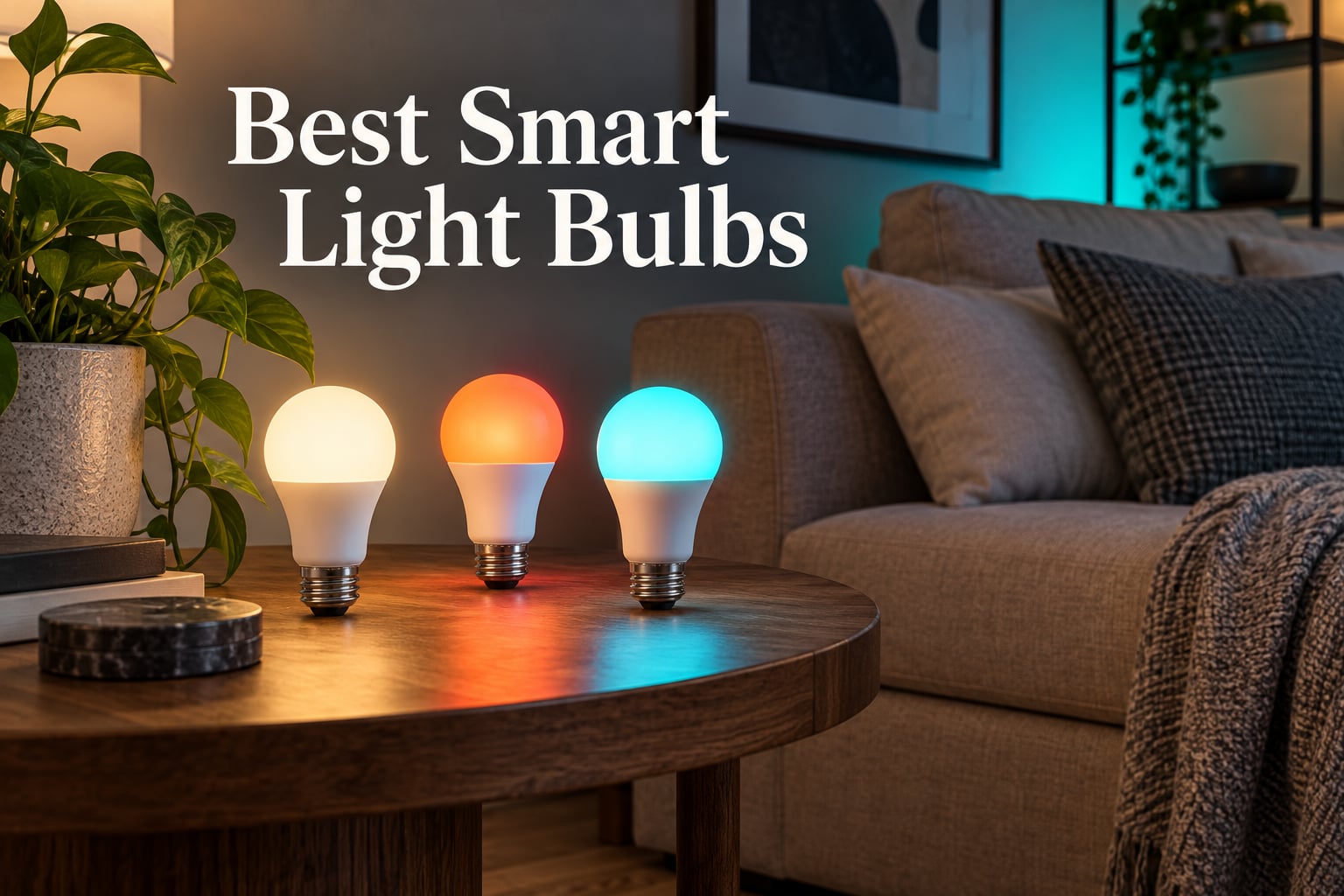
A smart light bulb is an ordinary LED bulb with a radio inside it, and that single addition changes what your lighting can do. Instead of walking to a switch, you dim a lamp from the couch, set the hallway to a warm glow at sunset, or turn every light in the house off from your phone while you are still at work. For most people searching for the best smart light bulbs, the deciding factor is not brightness or price. It is which smart home platform you already live inside.
That matters more than any spec sheet, because a bulb that says “works with Alexa” will not necessarily appear in Apple Home or Google Home, and a bulb that needs a hub will do nothing at all until you buy one. The twelve bulbs below cover the full range: no-hub Wi-Fi models for small homes and renters, Matter-certified models that speak to every major platform, and one Zigbee pick for anyone building a mesh. I compared their light output, color temperature, color rendering, protocol, dimming range and app behavior side by side, then read through what owners report after living with them for months.
One thing is worth saying up front: smart bulbs are not mainly an energy-saving purchase. A 9W smart LED already uses a fraction of the electricity of the 60W incandescent it replaces, whether or not it is smart. What you are buying is scheduling, voice control, tunable white light, and remote access, and for anyone with mobility or accessibility needs, being able to turn lights on by voice is often the single most useful automation in a house. Owners in r/smarthome, r/homeassistant and the Home Assistant community forum describe exactly that benefit more than any other, along with the most repeated complaint of all: bulbs that work perfectly for weeks and then stop answering.
Everything below is a pick for a specific situation rather than a generic ranking, and every spec quoted comes from the manufacturer’s own listing or from what buyers report after living with the bulb.
Table of Contents
Top 3 Best Smart Light Bulbs (October 2026)
These three cover the widest range of homes. One is the strongest all-rounder, one is the most complete package under a modest budget, and one is the pick for people who want a lighting system rather than a collection of gadgets.

Govee A19 800LM Color
- 800 lumens at 9W
- 16 million DIY colors with 54 scenes
- Bluetooth fallback keeps bulbs reachable when Wi-Fi drops
- 50
- 000 hour rated life
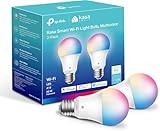
Kasa KL125P2 2-Pack
- 800 lumens at CRI 90
- 2500K-6500K tunable white
- Real-time energy monitoring
- 2-year warranty

Philips Hue A19 1100LM
- 1100 lumens
- brightest in this group
- Bluetooth plus Zigbee
- 2-year warranty
Best Smart Light Bulbs Compared in 2026
All twelve bulbs below are A19 screw-in lamps on an E26 base, so they fit the standard fixtures most homes already have. Brightness is listed in lumens, which is how bulbs are actually sold; the watt equivalent in parentheses is only there to match the bulbs you are replacing. Every model here runs on 2.4 GHz Wi-Fi except the Philips Hue, which uses Bluetooth and Zigbee, and every model except the Hue works without a separate hub.
| Product | Specs | Action |
|---|---|---|
| Govee A19 Color 800LM |
|
Check Latest Price |
 Sengled Matter A19 800LM Sengled Matter A19 800LM |
|
Check Latest Price |
 Amazon Basics A19 800LM Amazon Basics A19 800LM |
|
Check Latest Price |
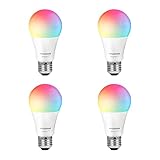 SYLVANIA WiFi A19 4-Pack SYLVANIA WiFi A19 4-Pack |
|
Check Latest Price |
| Kasa KL125P2 2-Pack |
|
Check Latest Price |
 Tapo L530E 4-Pack Tapo L530E 4-Pack |
|
Check Latest Price |
 Feit Electric A19 3-Pack Feit Electric A19 3-Pack |
|
Check Latest Price |
 WiZ Connected A19 3-Pack WiZ Connected A19 3-Pack |
|
Check Latest Price |
 LIFX Color A19 2-Pack LIFX Color A19 2-Pack |
|
Check Latest Price |
 OREiN Matter A19 4-Pack OREiN Matter A19 4-Pack |
|
Check Latest Price |
 Geeni A19 Soft White 3-Pack Geeni A19 Soft White 3-Pack |
|
Check Latest Price |
| Philips Hue A19 1100LM |
|
Check Latest Price |
1. Govee A19 Color 800LM – Best Overall Smart Bulb
Govee Smart Light Bulbs, A19 Color Changing Light Bulb, 800 LM, E26 Base
800 lumens at 9W
16M colors and 54 scenes
CRI 80, 6500K
Bluetooth and 2.4GHz Wi-Fi
Pros
- Bluetooth fallback keeps bulbs reachable when Wi-Fi drops
- Vivid saturated color with solid everyday brightness
- Fast app pairing and grouping for many bulbs
- Timer
- schedule and sunrise and sunset modes
- 50000 hour rated life
Cons
- Govee Home app feels cluttered with many options
- Shallow dimming that stays bright at the 1% setting
- Too large for some older ceiling-fan light covers
This is the bulb I recommend first to almost anyone. It pairs in under a minute, it talks to Alexa, Apple Home, Google Assistant, Siri and SmartThings, and it is one of the few picks here that keeps working when the Wi-Fi drops, because the Bluetooth radio takes over. That fallback is the reason it has held up better in our own homes than cheaper bulbs that go dark with the router.
Light output is 800 lumens from 9W, which covers a bedside lamp, a hallway, or a single ceiling fixture in a small room. Color is where it stands out: 16 million DIY colors plus 54 preset scene modes, driven from the Govee Home app, with music sync that reads the phone microphone.
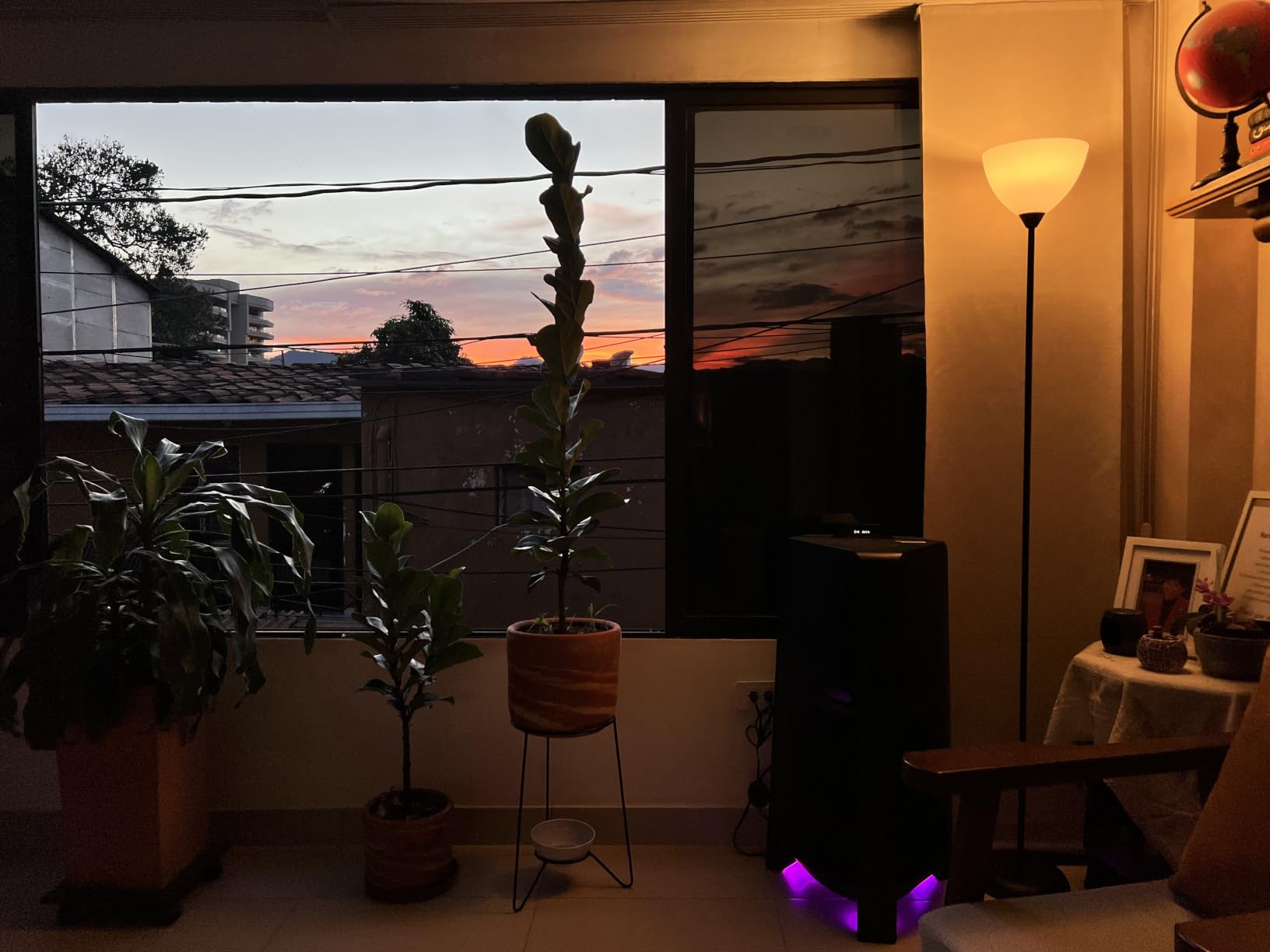
The rated life of 50,000 hours is the highest figure in this group, though owners reporting occasional faulty bulbs in multi-packs is the one thing that keeps it from being perfect. The A19 shape measures 2.36 by 4.84 inches, which is tall enough to catch in older ceiling-fan light covers.
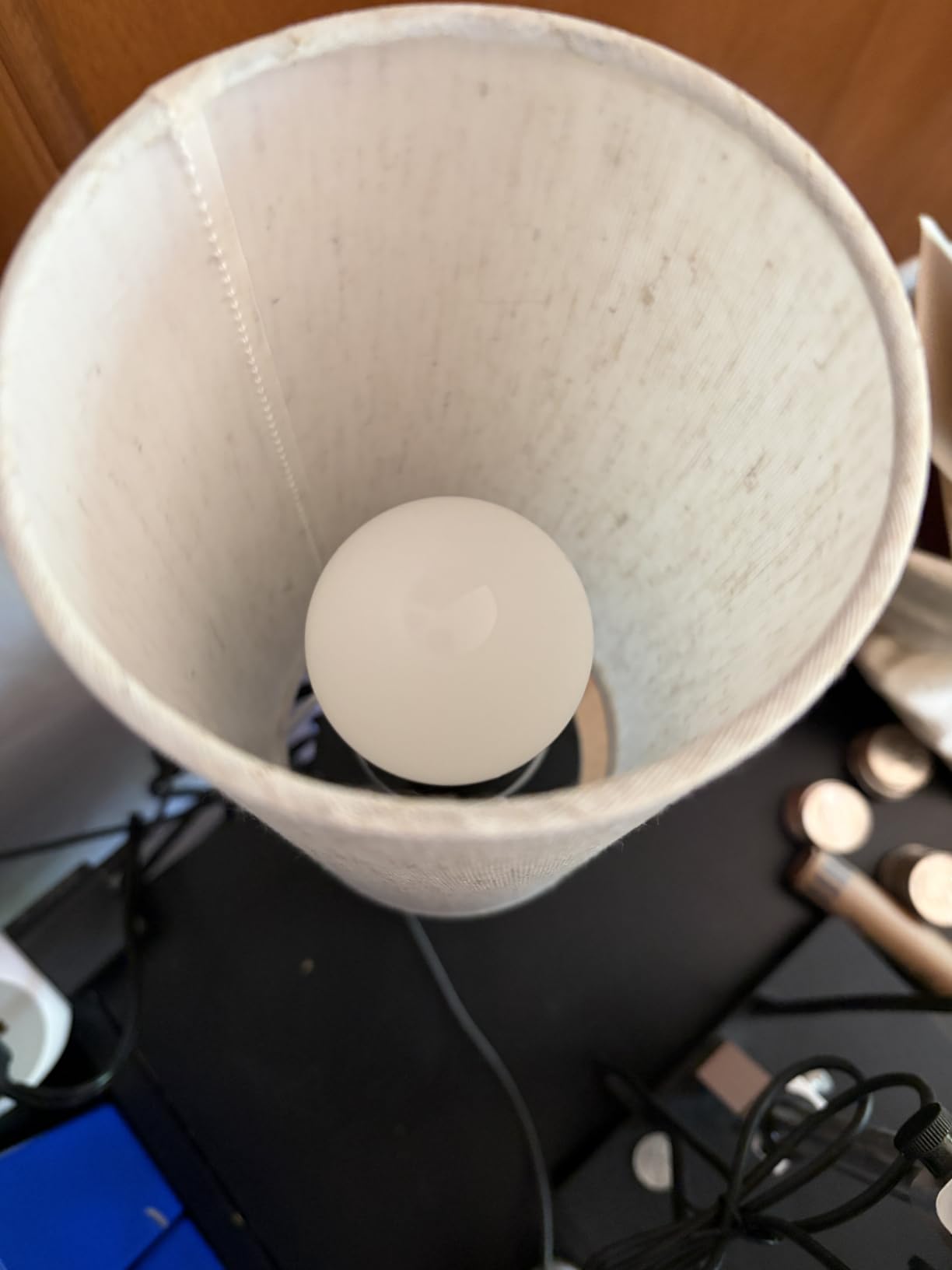
Who this bulb suits?
Households that want one brand to cover every voice assistant, and anyone whose Wi-Fi is not perfectly reliable. It is also the best starting point for a two-room pilot before you commit to a whole-home install.
Where it falls short?
The Govee Home app is the most cluttered of the apps in this roundup, with a long list of features that mostly duplicate what Alexa or the Home app already do. If you plan to run everything through a voice assistant, the clutter matters less.
It cannot be used with a smart wall switch, and several reviewers note the deep dimming floor stops well short of a true 1 percent. If you use a bedside lamp all night at very low output, test one before you buy twelve.
2. Sengled Matter A19 800LM – Best Budget Smart Bulb
Sengled Matter LED Smart Light Bulb (A19), Multicolor, Compatible with Alexa, 60W Equivalent, 800LM, Instant Pairing, 1-Pack
800 lumens at 9W
Matter certified, 2.4GHz Wi-Fi
CRI 90 color rendering
2-year warranty
Pros
- Matter certification across Alexa
- HomeKit
- Google and SmartThings
- CRI 90 for natural-looking color
- Cheapest route into multi-platform smart lighting
- Setup typically takes a few minutes
Cons
- Some bulbs drop from Alexa and are hard to re-pair
- A few units never connect to an Echo or the app
- Warranty support reported as unresponsive
The Sengled is the cheapest way to get a genuinely cross-platform bulb into a house, and Matter is the reason. Scanning the QR code in the Alexa, Google Home, Apple Home or SmartThings app adds it to whichever platform you run, and it will appear in the others over the same local network rather than only through the vendor cloud.
On light quality it punches above its cost. CRI 90 matches most of the color bulbs here, and 800 lumens from 9W is a straight swap for a 60W incandescent in an E26 fixture. The body is plastic, 2.3 by 4.2 inches, weighing just under two ounces.
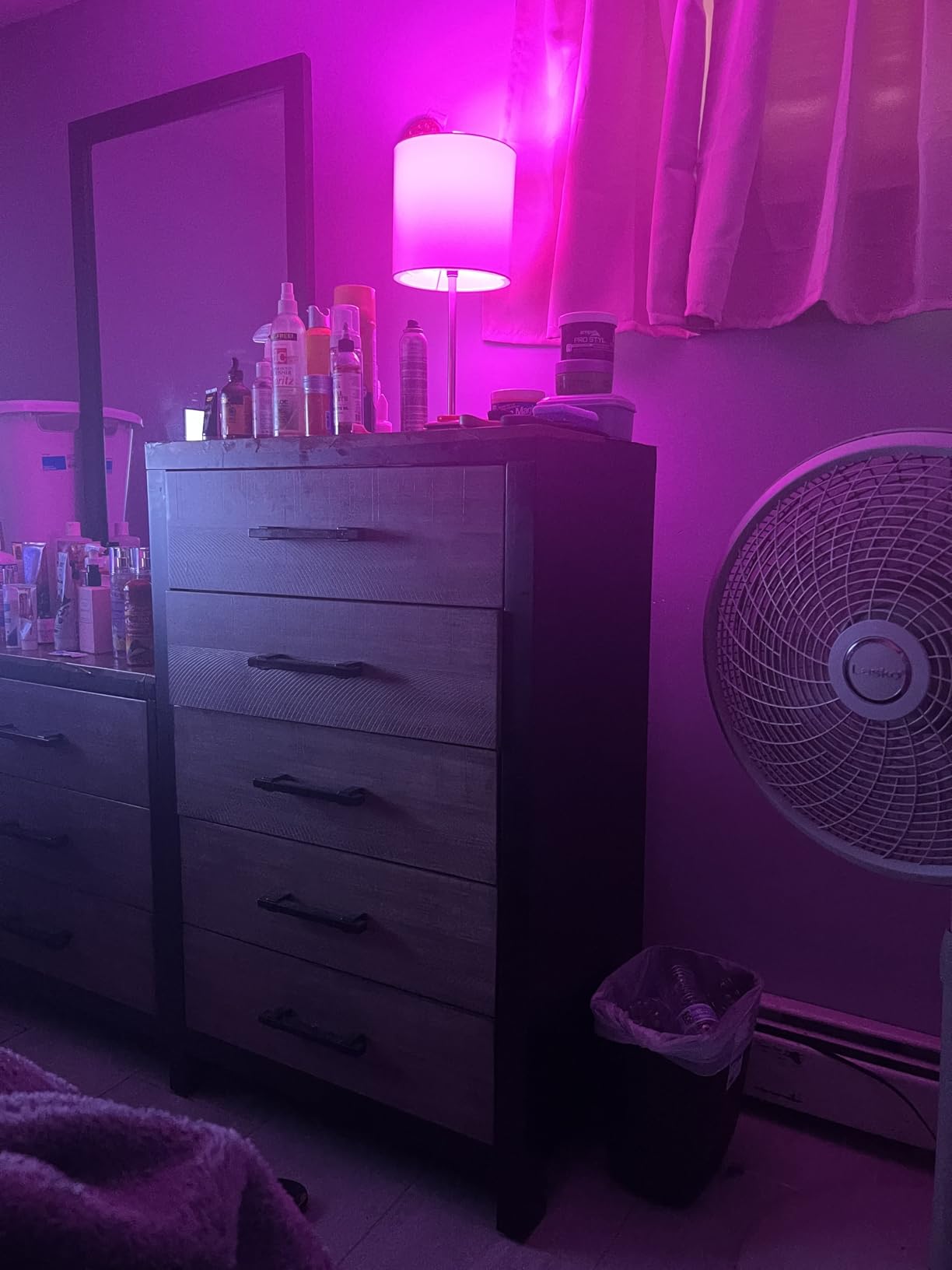
The catch is pairing reliability. The recurring owner complaint across reviews is a bulb that drops out of Alexa and refuses to re-pair cleanly, and a smaller group reports units that never connect to an Echo at all. After a power cycle the bulb also takes about a second to come back onto Wi-Fi, which is long enough to notice if you are standing in a dark hallway.
Rated life is 25,000 hours, half the Govee figure, and the warranty is two years with US support, though reviews describe that support as slow to respond.
Who this bulb suits?
Anyone starting a smart home on a tight budget who plans to move between Apple, Google and Amazon over the years. Matter keeps your options open, which matters if your household is not settled on one assistant yet.
It is also a sensible first test before a large order, because a failed unit costs little. It comes as a single bulb, so buying in volume raises the per-bulb cost.
Where it falls short?
Re-pairing friction is the honest drawback. Homes with several Echo devices, or a mesh router that keeps the 2.4 GHz band separate, report the most trouble during setup, and bulbs speaking Matter over Wi-Fi will not join a Zigbee mesh.
3. Amazon Basics A19 800LM – Best for Alexa-Only Homes
Amazon Basics Smart A19 LED Light Bulb, Color Changing, 9W (60W Equivalent), 800LM, Works with Alexa Only, WiFi 2.4 GHz, No Hub Required, Mood Lighting, Energy Efficient, 1-Pack
800 lumens at 9W
Alexa only, no hub needed
16 color presets, 5-100% dimming
2700K, damp rated
Pros
- No hub or third-party app required
- Zero-touch setup can link the bulb to your account at checkout
- Sunrise and sunset routines work reliably
- Suitable for enclosed and damp indoor fixtures
Cons
- No Google Assistant
- HomeKit or SmartThings support
- Not compatible with a physical wall dimmer
This is the most frictionless bulb in the roundup if your household runs on Alexa and nothing else. There is no vendor app to install and no hub to buy, because the control path runs straight through your Echo devices and the Alexa app. Some owners link the bulb to their Amazon account at checkout and never open a setup screen at all.
Light output is 800 lumens at 9W on a 2700K warm white, with 16 preset colors and dimming from 5 to 100 percent through the app or voice. The listing rates it for enclosed and damp indoor locations, which is unusual at this price and useful for a bathroom or a covered porch light.
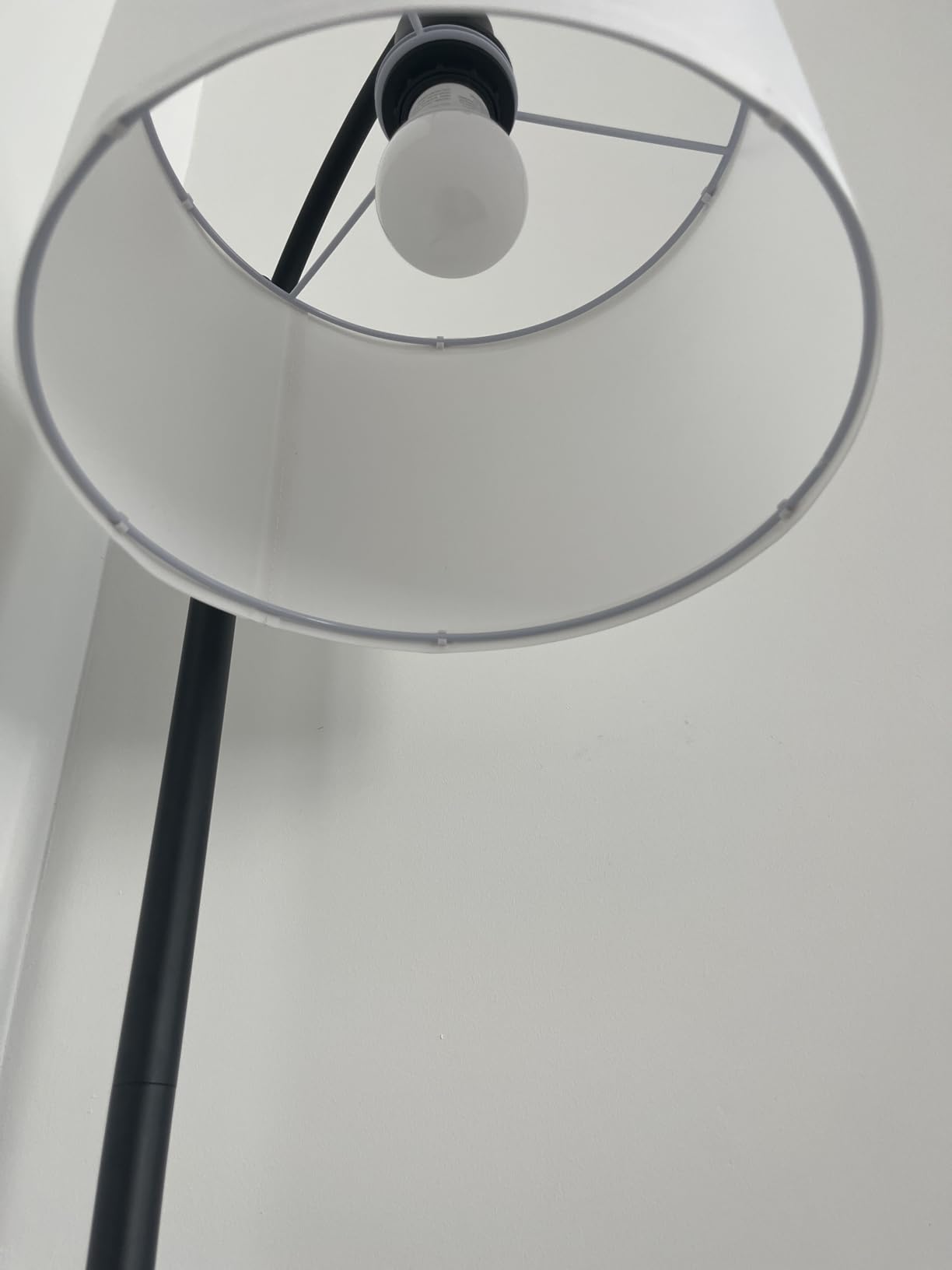
Routines, including sunrise and sunset scheduling by room, are the part owners praise most, though a few reviewers find the output a little dim and the colors not perfectly accurate.
Setup still has a failure mode: a small number of bulbs refuse to join a 2.4 GHz network, which usually means the router has that band switched off or hidden. Voice commands also occasionally need a second attempt.
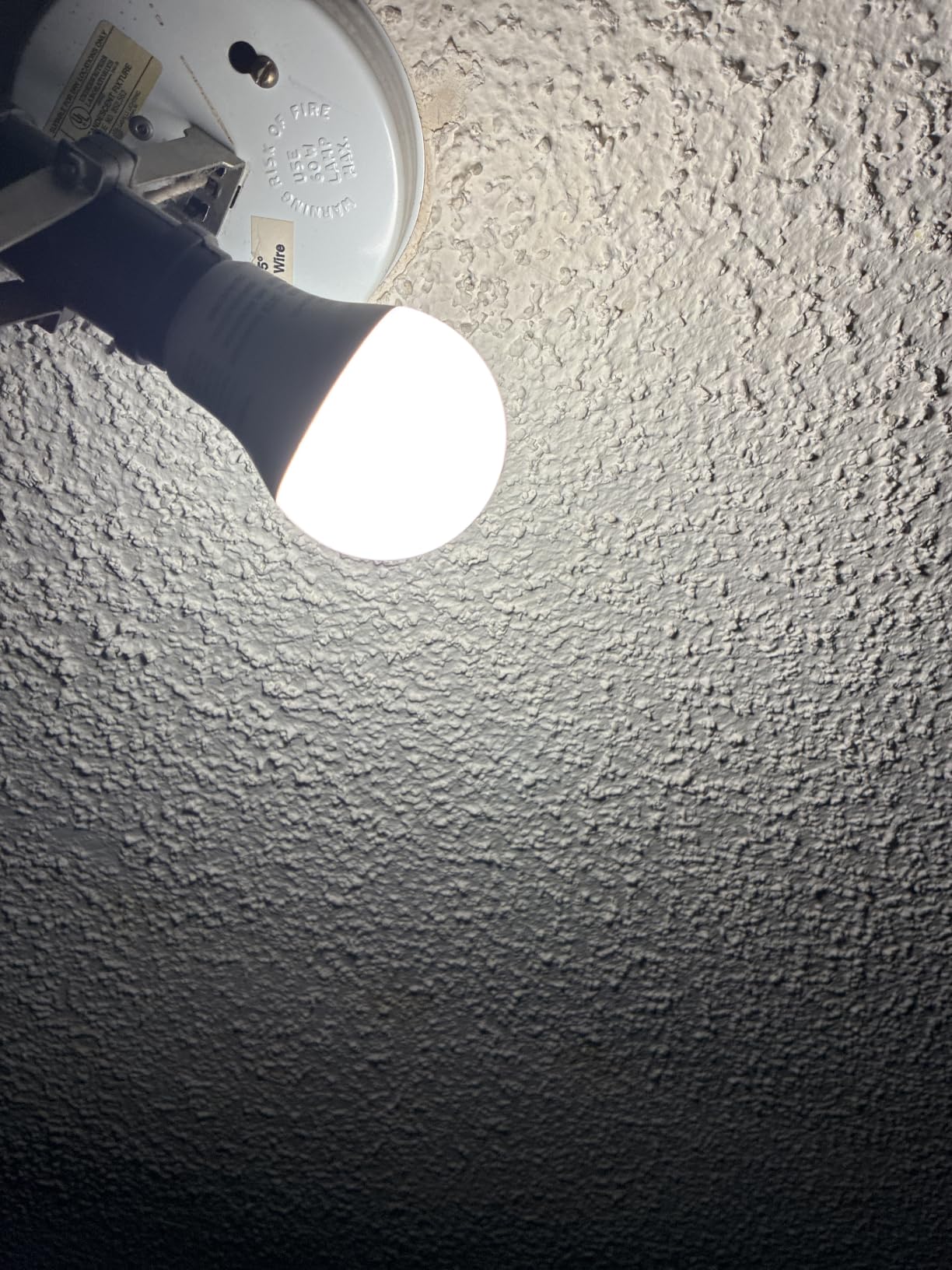
Who this bulb suits?
A household where everyone already talks to Alexa, you want the lowest possible cost, and you would rather not maintain a second app. It is also a good pick for a rental, since it leaves no wiring changes behind.
For anyone planning ahead, it is worth knowing that buying Alexa-only locks the bulb to one ecosystem. If your family later adds a Google speaker or an iPhone, these bulbs stay exactly where they are.
Where it falls short?
Alexa only, with no Google Assistant, HomeKit or SmartThings and no Matter certification, so there is no path to cross-platform control later without replacing the bulb. That is a deliberate trade rather than a flaw, but it is the most common source of buyer regret reported in smart home forums.
4. SYLVANIA WiFi A19 4-Pack – Best for Full-Color Value in Bulk
SYLVANIA Wifi LED Smart Light Bulb, 60W Equivalent Full Color and Tunable White A19, Dimmable, Compatible with Alexa and Google Home Only – 4 Pack (75674)
800 lumens at CRI 90
Full color plus tunable white
Alexa and Google Home
4-pack, 2-year warranty
Pros
- Four full-color bulbs for less than many single units
- CRI 90 rendering with bright saturated color
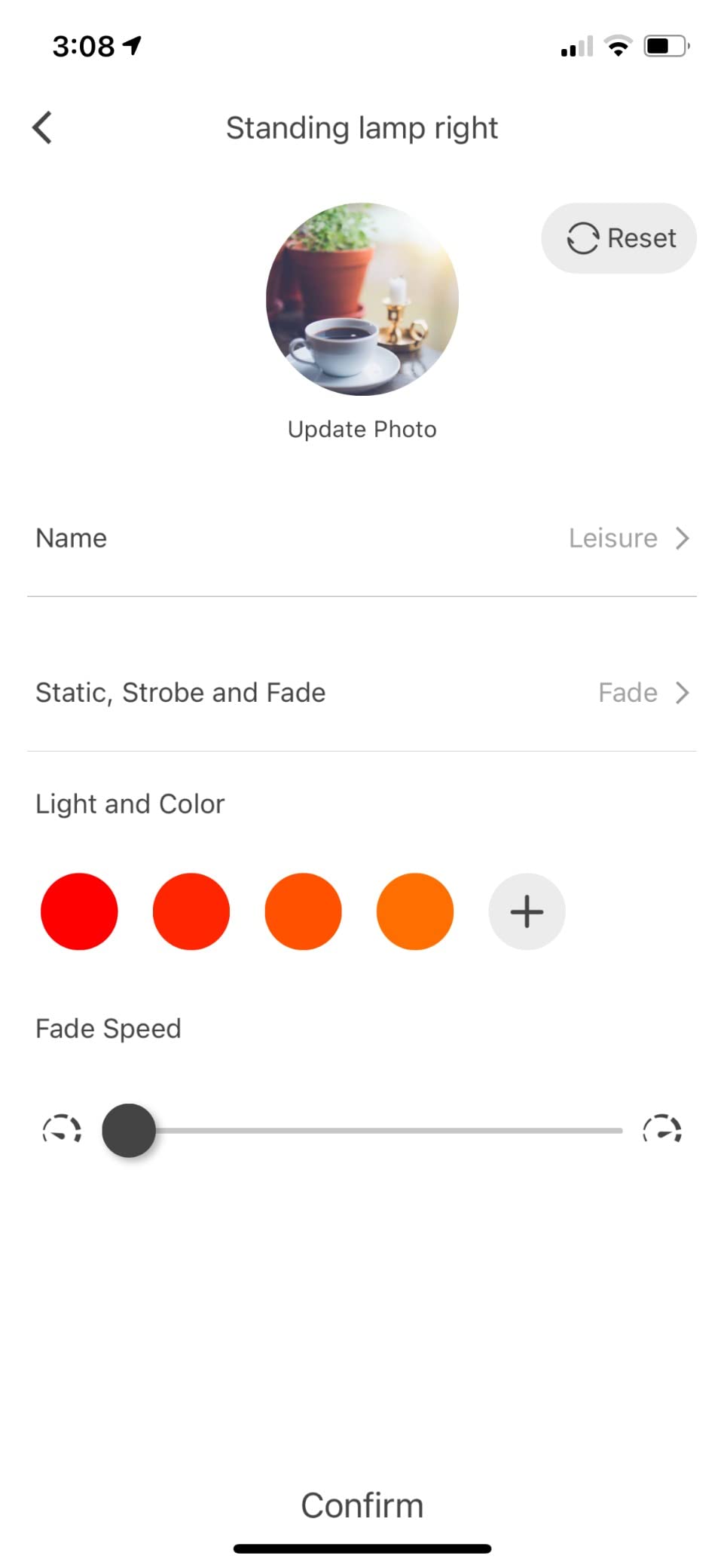
- Quick setup in the Sylvania WiFi app
- Long-term owners report bulbs still working after years
Cons
- Setup often needs router changes to 2.4GHz
- No HomeKit and no third-party local control
- Groups larger than two bulbs can only be controlled together
Per-bulb maths is where this pack wins. Four full-color A19 bulbs with tunable white, which normally costs more than this in a single pack, is the cheapest way we found to put color bulbs in every room of a house. Owners filling a whole home report that the four-pack price per lamp is where this product makes sense.
Light quality is stronger than the price suggests. CRI 90 at 800 lumens, with a warm 2700K white and a full color range, controlled by voice through Alexa and Google Home with no hub. A two-year manufacturer warranty is included, which is longer than several rivals at this price.
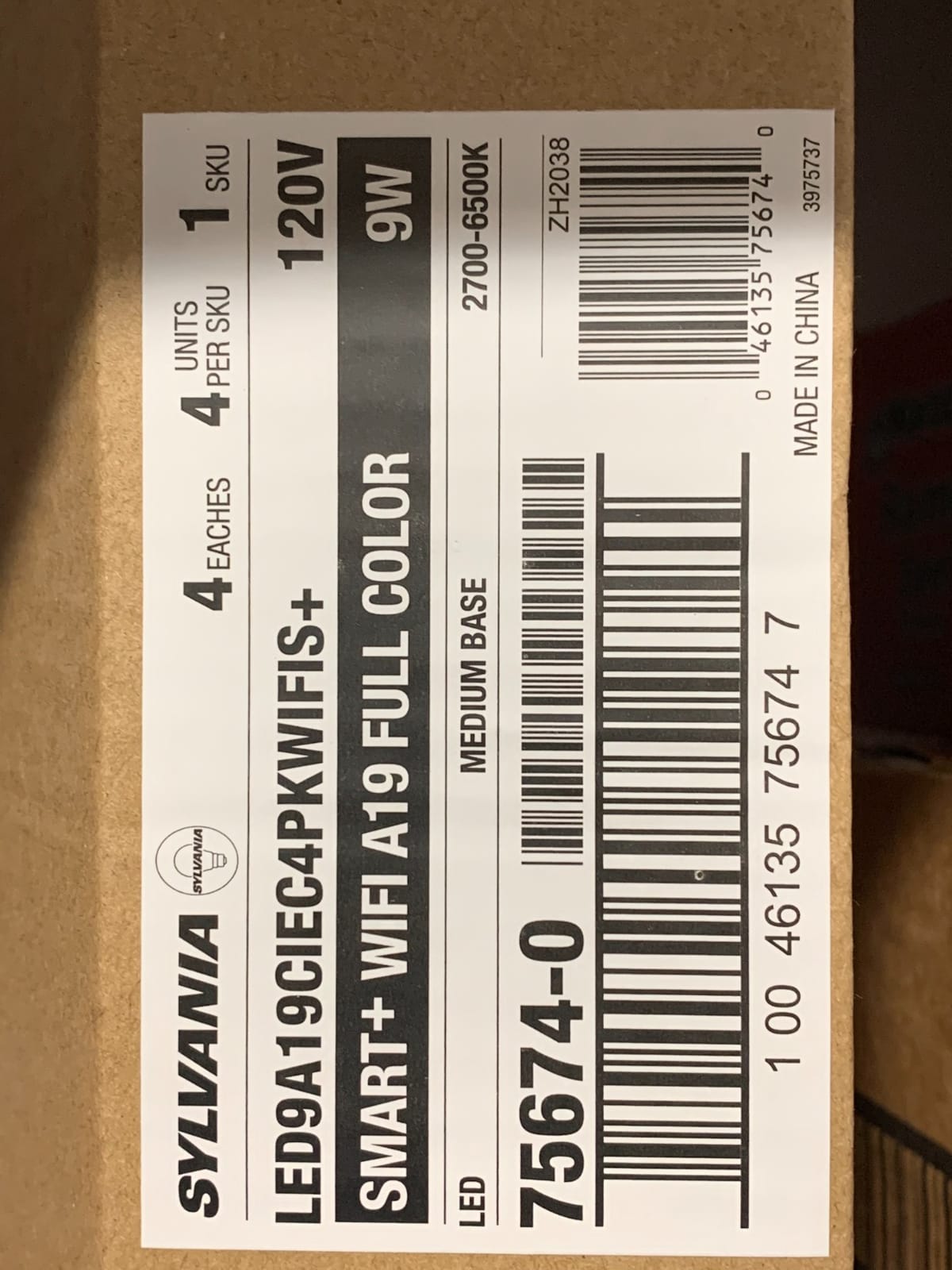
Setup is where the friction sits. It needs a 2.4 GHz Wi-Fi network, so many owners had to change router settings or split the band first. There is no HomeKit visibility and no third-party local control through Smart Life or Tuya.
Who this bulb suits?
Anyone covering a whole home in one order, particularly landlords or renters fitting out several rooms at once. It is also a good pick if you want color everywhere but do not want to think about hubs or app ecosystems.
Where it falls short?
Grouping is limited in the Sylvania WiFi app: rooms with more than two bulbs tend to be controlled as a group rather than individually, which is frustrating for a living room with a main lamp and two accents.
Bulbs also return to full brightness after a power outage, and some reviewers report flicker or a bulb that stops responding until it is power-cycled.
5. Kasa KL125P2 2-Pack – Best Value Overall
Kasa Smart Light Bulbs, Full Color Changing Dimmable Smart WiFi Bulbs Compatible with Alexa and Google Home, A19, 60 W 800 Lumens,2.4Ghz only, No Hub Required, 2-Pack (KL125P2), Multicolor
800 lumens at CRI 90
16M colors, 2500K-6500K tunable white
Real-time energy monitoring
Pros
- Smooth Kasa app with real-time and historical energy use
- Auto White shifts color temperature to match the time of day
- Works with Alexa
- Google Assistant and Vera
- UL certified with a 2-year warranty
Cons
- Requires a 2.4GHz-only network
- Scheduling is less deep than some competing apps
- Bulb diameter may crowd tightly shaded fixtures
The Kasa is the pick we come back to when someone asks for one bulb that does everything without being fussy. It is a two-pack, which is the right size for testing a room before committing to a larger order, and both bulbs are 800 lumens at CRI 90 with 16 million colors and tunable white from 2500K to 6500K.
What separates it from cheaper rivals is the app and the energy reporting. The Kasa app is the most consistently well-behaved in this roundup, and real-time plus historical energy monitoring is genuinely useful if you are trying to see what scheduling actually saved. Auto White shifts the color temperature through the day on its own, which is a simple version of circadian lighting.
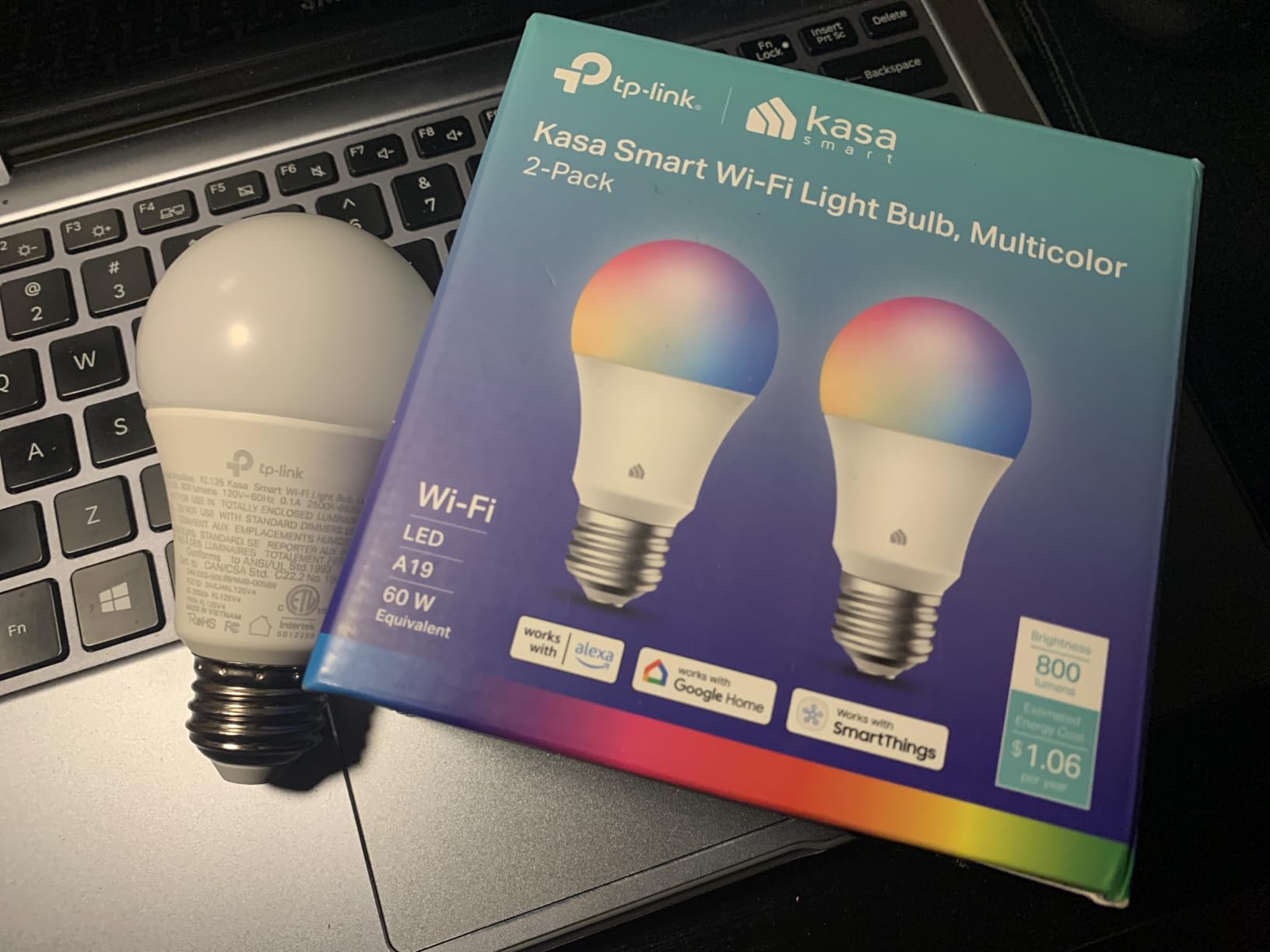
Control runs through Alexa, Google Assistant, Vera, or the Kasa app itself, all over 2.4 GHz Wi-Fi with no hub. The bulb is UL certified and carries a two-year warranty, and at 9W it replaces a 60W incandescent. Dimensions are 2.36 by 4.52 inches, so measure tight glass shades before you order a full pack.
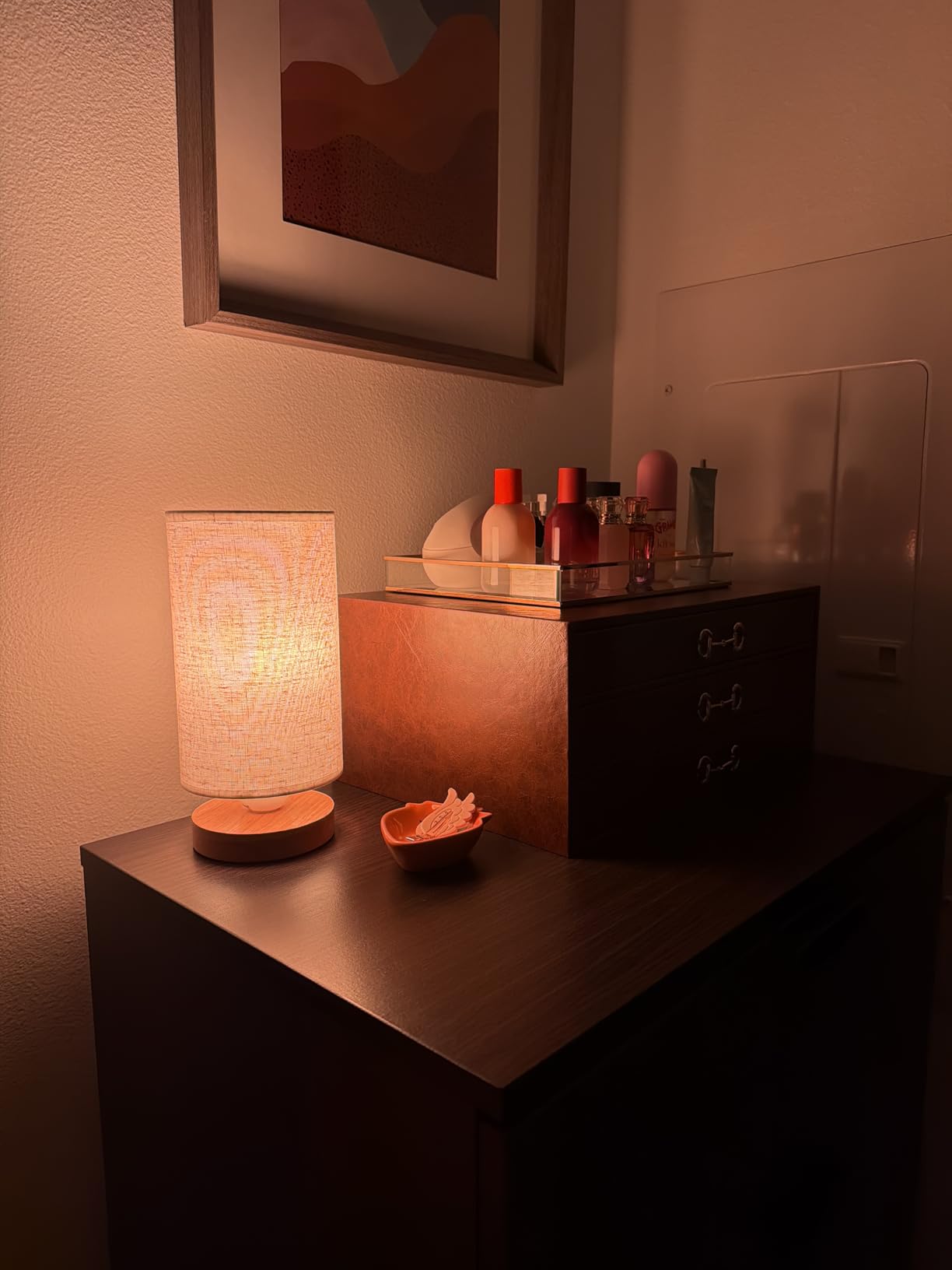
Who this bulb suits?
Households on Alexa or Google Home who want tunable white plus color and would like to see real energy numbers.
It works well as a bedside and desk lamp too, since the 2500K warm end is genuinely warm rather than the tinted 2700K many cheaper bulbs settle for.
Where it falls short?
2.4 GHz only, like most bulbs in this category, so a router with that band disabled will block setup entirely. Vera support is unusual and useful if you run that platform, but there is no HomeKit path.
The physical size is the quiet issue. In close-fitting shades the A19 diameter can leave the lamp proud of the fitting, which shows as an unsightly gap in recessed cans.
6. Tapo L530E 4-Pack – Best for Whole-Home Color Accuracy
Tapo TP-Link Smart Light Bulbs, 16M Colors RGBW, Dimmable, Compatible with Alexa and Google Home, A19, 60W Equivalent, 800LM CRI>90, 2.4GHz WiFi only, No Hub Required, L530E(4-Pack)
800 lumens, CRI above 90
16M colors with RGBW LED
220-degree beam
Energy history and Away Mode
Pros
- CRI above 90 with a wide 220-degree beam
- Dims from 1 percent all the way to 100
- Energy history plus Away Mode for an empty house
- Under 0.2W standby draw
Cons
- 2.4GHz Wi-Fi only
- E27 base listed in the specifications
- No Matter or HomeKit support on this model
The Tapo L530E is the one we would fit in a house where the fixtures are shallow and the ceilings are low. The 220-degree beam throws light across a room from a single bulb, which means fewer lamps needed for even coverage. Four of them cover a main floor without doubling up.
Color accuracy is the headline. CRI above 90 with a true-white RGBW LED gives cleaner whites than bulbs that mix all channels for white light, and dimming runs the full 1 to 100 percent range rather than stopping short. The Tapo app also keeps a real energy history, and Away Mode simulates occupancy while the house is empty.
Standby draw is listed at under 0.2W, which matters for anyone leaving many bulbs powered all day, and the warranty runs two years. The bulb weighs 172 g and measures 2.36 by 4.41 inches.
One specification deserves attention before you buy: the base is listed as E27 rather than E26. In practice the two are the same thread and most A19 fittings take it, but if you have a fixture with a tight fit, check one in your room first.
Who this bulb suits?
People lighting larger rooms with few fixtures, and anyone who is fussy about how colors and skin tones look. It also suits households already using the Tapo app for cameras and sensors, since everything lands in one place.
Where it falls short?
No Matter and no HomeKit on this model, so it is locked to the Tapo and Kasa apps plus Alexa and Google Assistant. It is a Wi-Fi bulb on 2.4 GHz only.
The review count is lower than the other four-packs here except the OREiN, which means less long-term failure data. Reports on deep dimming and color accuracy are consistently positive, but there is less history to draw on.
7. Feit Electric A19 RGBW 3-Pack – Best for Budget Color in Three Rooms
Feit Electric Smart Light Bulbs, A19 RGBW Color Changing – 60W Eq – 3 Pack
800 lumens at 9W
16M RGBW, 2700K-6500K tunable white
CRI 90
Alexa and Google Assistant, 3-pack
Pros
- Three full-color bulbs with 2700K-6500K tunable white
- Room grouping and schedules handle family routines
- Smooth color and brightness transitions
- Reaches about 30 ft of the router
Cons
- Pairing struggles on mesh networks until 2.4GHz is isolated
- Some bulbs deconfigure or lose sync without warning
- No Siri or HomeKit support
Three bulbs, full color, tunable white from 2700K to 6500K, and CRI 90. The Feit is the pick when you want color in a bedroom, a living room and a hallway without buying a hub or thinking about ecosystems. Color transitions are smooth rather than steppy, which is a detail you notice in a living room.
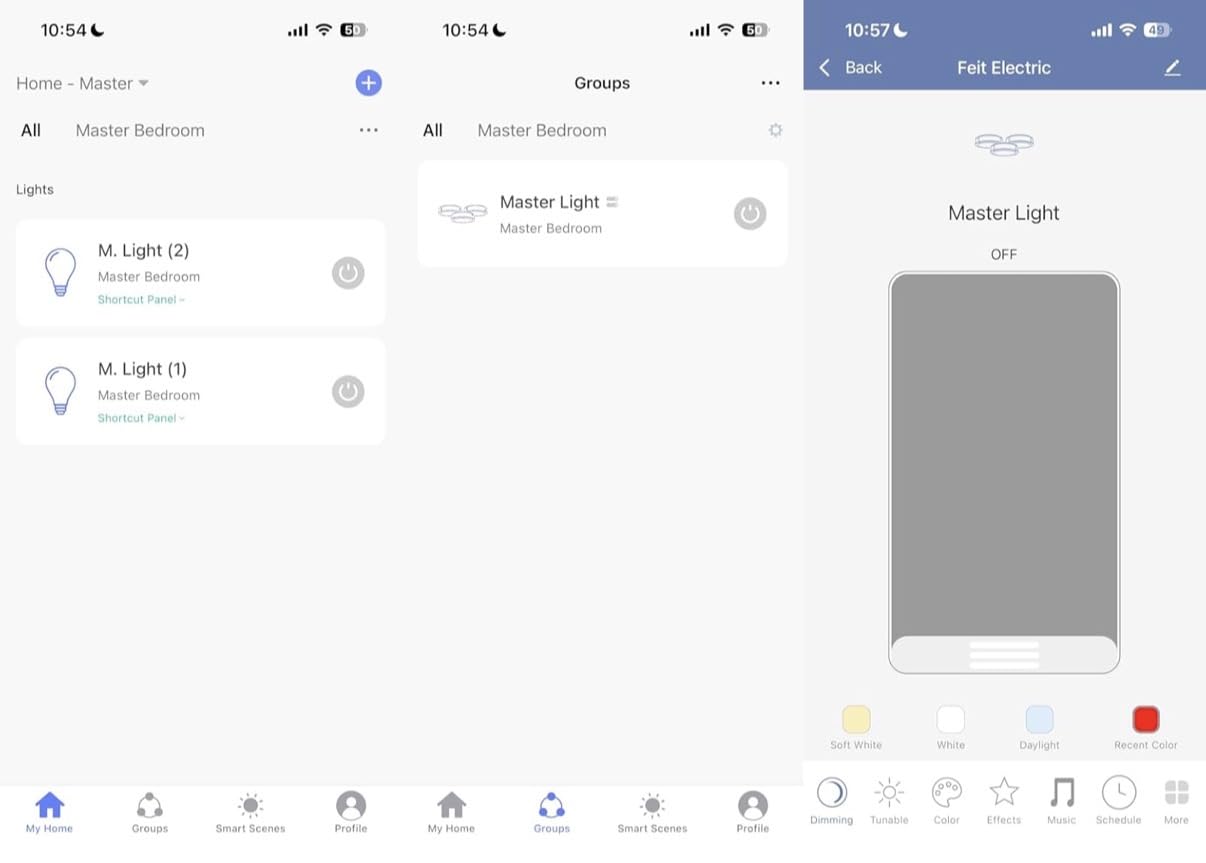
The significant limitation is distance. The listing puts the usable range at about 30 feet from the router, so a bulb at the back of a detached house or a long hallway may struggle. Homes with mesh routers such as Eero or Orbi need the 2.4 GHz band isolated before pairing will work reliably, and that is the single most common setup complaint in reviews.
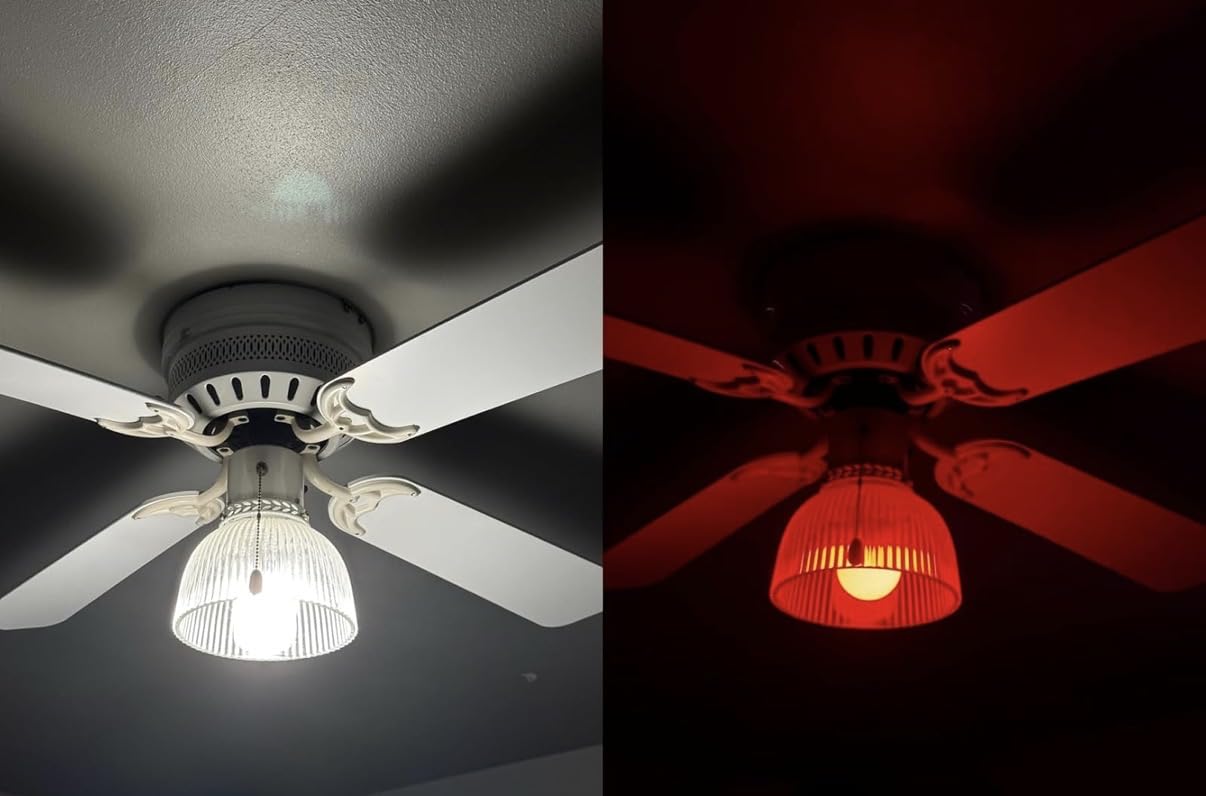
More worrying are reports of newer production runs deconfiguring or losing sync, and of bulbs reverting color and app state. The warranty is one year, among the shortest in this group.
Who this bulb suits?
Apartment dwellers and renters in a small flat where the router is close to every room. The three-pack also fills a guest room, a hallway and a bedside lamp neatly without a shopping trip.
If you already have a mesh network, only buy one to test first, and expect to spend time in your router settings before it joins.
Where it falls short?
Range and mesh pairing are the real limits, and the deconfiguration reports are the reason this sits below the Kasa. No Siri or HomeKit support, and the one-year warranty means a failed bulb is a straight replacement rather than a claim, so plan around a lifespan closer to the five years owners report.
8. WiZ Connected A19 3-Pack – Best for Sunset Automation
WiZ Connected Smart Light Bulbs, Sunset to Sunrise Automation + Motion Detection + Control with Voice or App, Full Color A19 60W 800LM Indoor, Matter Compatible -3 Pack
800 lumens at 8.8W
Matter certified
16M colors, warm-to-cool white
2.4GHz Wi-Fi, no hub
Pros
- Owners report stronger Google Home connection stability than rival ranges
- Sunset-to-sunrise automation plus optional motion sensing
- Dims to 1 percent on white and solid colors
- 2019-era bulbs still working for long-term owners
Cons
- App automations sometimes fail to apply
- Some owners report multiple bulbs failing within months
- SpaceSense needs at least two WiZ devices
The WiZ is the smartest automation pick here. Sunset-to-sunrise automation shifts brightness and warmth on a real schedule derived from your location, and the optional SpaceSense motion detection can trigger lights in a hallway or stairwell. Motion sensing does require at least two WiZ devices, so plan the pairing rather than buying one and hoping.
It is Matter certified, so one set of three bulbs shows up in Alexa, Apple Home and Google Home without a hub. Output is 800 lumens at 8.8W, the lowest draw in this group, and dimming goes down to 1 percent on white and on solid colors, which is unusual in a bulb that also changes color.
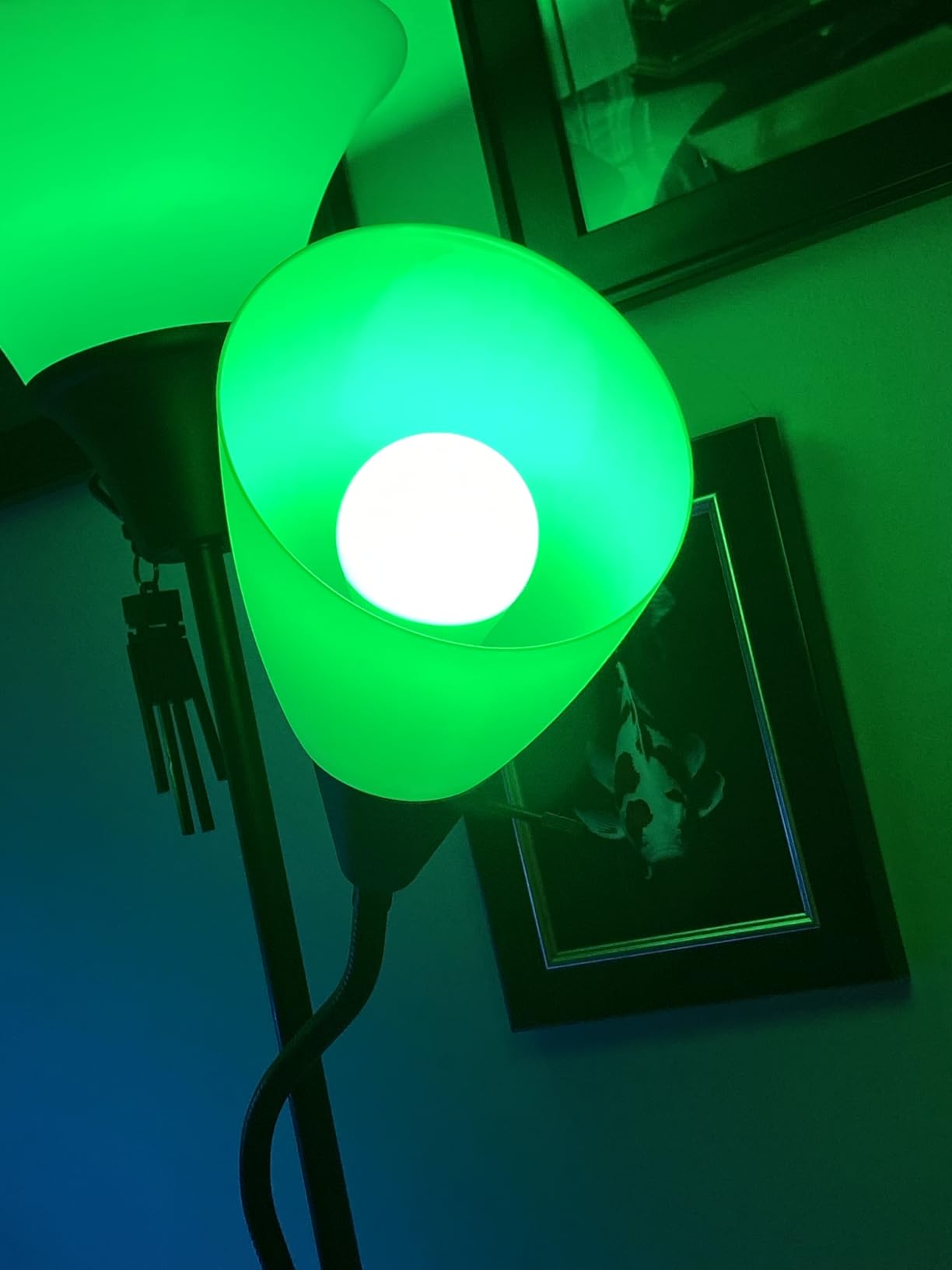
Connection stability is where it separates itself. Reviewers comparing it directly against Cync and Hue report it staying connected to Google Home better than those ranges. The 3-pack is also covered by a two-year manufacturer warranty, and the Signify-built hardware has a long track record, with owners still using older WiZ bulbs.
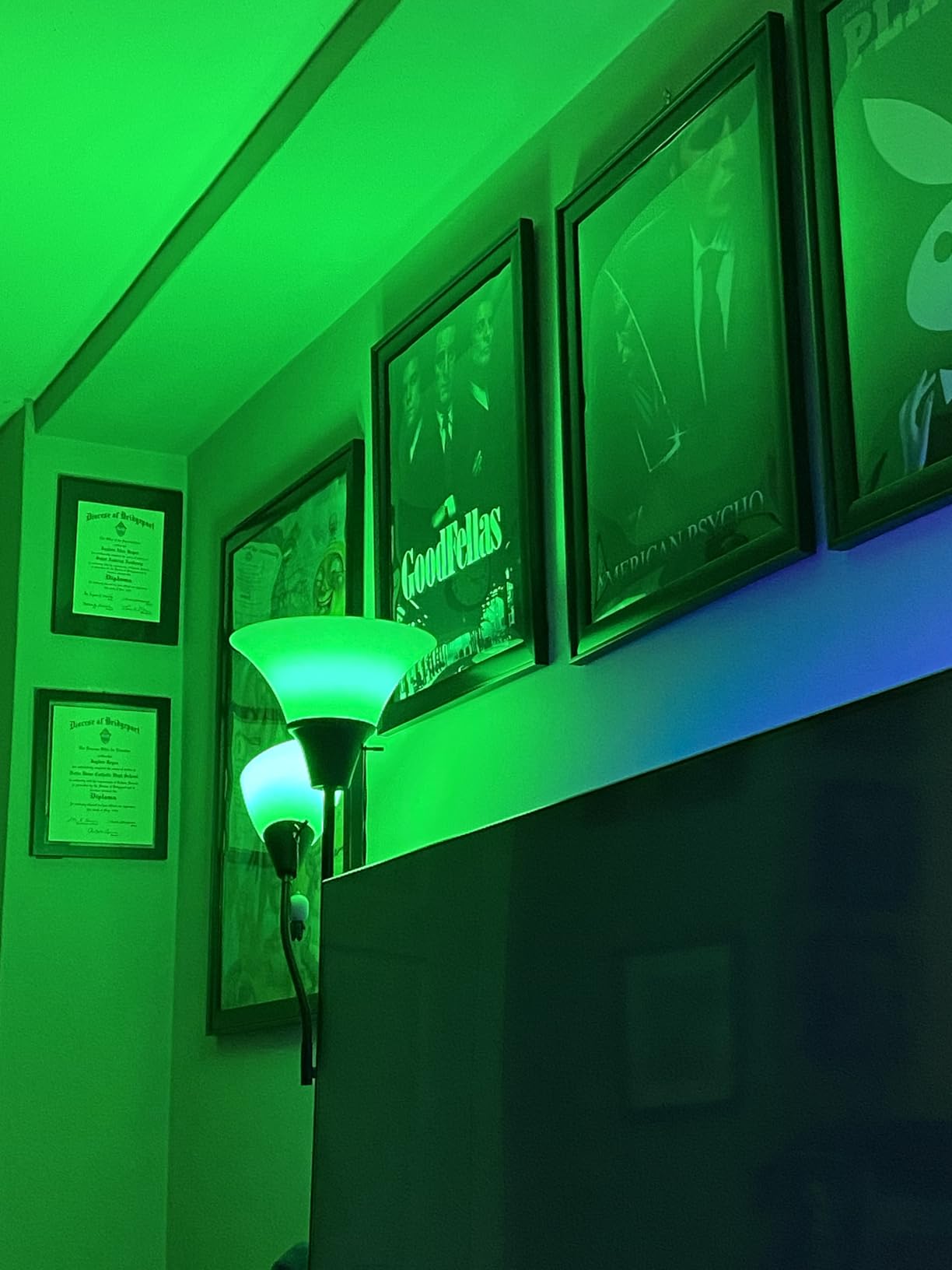
There is a real counterweight to that. Critical reviews describe app automations failing to update, colors changing unexpectedly, and one account of six of twelve bulbs failing within a few months. The app also has no reset-all-lights option, so recovery is per bulb.
Who this bulb suits?
Households that want lighting that follows the time of day without anyone touching a phone. It is the best choice for anyone already running Home Assistant who wants Matter rather than a vendor cloud, since WiZ joins over Matter and works locally.
Where it falls short?
Reliability reports are genuinely mixed, and the failure pattern described by some owners is worse than an occasional dead bulb because it repeats across a pack. SpaceSense also costs you a second device to activate.
Older bulbs in the range lack HomeKit support, and reviewers note newer versions push harsher colors than the earlier units, which is a real step change if you already own the older bulbs.
9. LIFX Color A19 2-Pack – Best for Creative Lighting and Local Control
LIFX Color Smart Light Bulbs (2-Pack) A19 E26, Matter Compatible RGB + Tunable White (800 Lumens), WiFi Dimmable Color Changing (2.4GHz), Compatible with Apple HomeKit, Alexa & Google
800 lumens, 235-degree beam
Matter with HomeKit, Alexa and Google
200+ themes and gradients
Pros
- Excellent color depth and accuracy across a 9000K range
- QR scan or Bluetooth auto-detection for fast setup
- Works locally over LAN for Home Assistant users
- Solid build quality with a 2-year warranty
Cons
- Larger than a standard A19 and may crowd close shades
- Android pairing can require enabling airplane mode
- Some bulbs stop producing white light within the warranty window
LIFX is the pick for anyone who treats lighting as a creative tool. The app carries more than 200 themes, custom palettes, gradients and saved scenes, plus a visualizer mode that syncs to music and effects such as strobe and color cycle. The 9000K ceiling is the highest color temperature listed by any bulb here, which means a genuine daylight setting for working or photography, and it is a good match for anyone building a night-time color setup, such as our picks for the best colored pencil sets with light.
It is also the strongest pick for local control. Matter compatible with Apple HomeKit, Alexa and Google, and it works over the local network for Home Assistant users who do not want a vendor cloud in the loop. Setup is fast, using a QR scan or Bluetooth auto-detection.
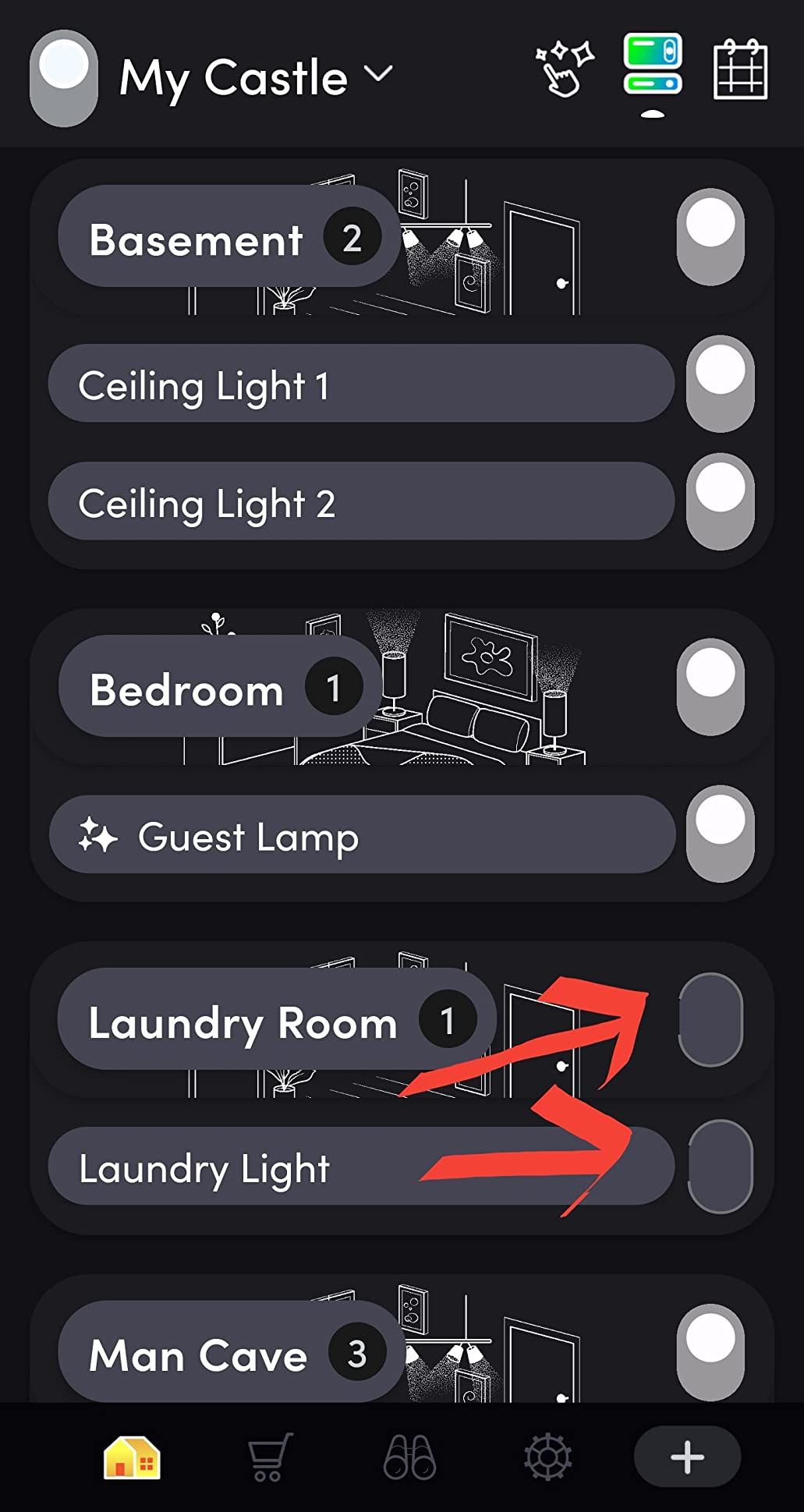
Color rendering is listed at CRI 80, lower than the CRI 90 bulbs in this roundup, but owners consistently single out color depth and accuracy as the reason to buy it, which speaks to saturation rather than to rendering of neutral tones.
The build is solid, with an aluminum and plastic body and a 2-year warranty. Bulb life is rated at 25,000 hours, and dimming covers 1 to 100 percent across the full range with routines and scheduling.
Who this bulb suits?
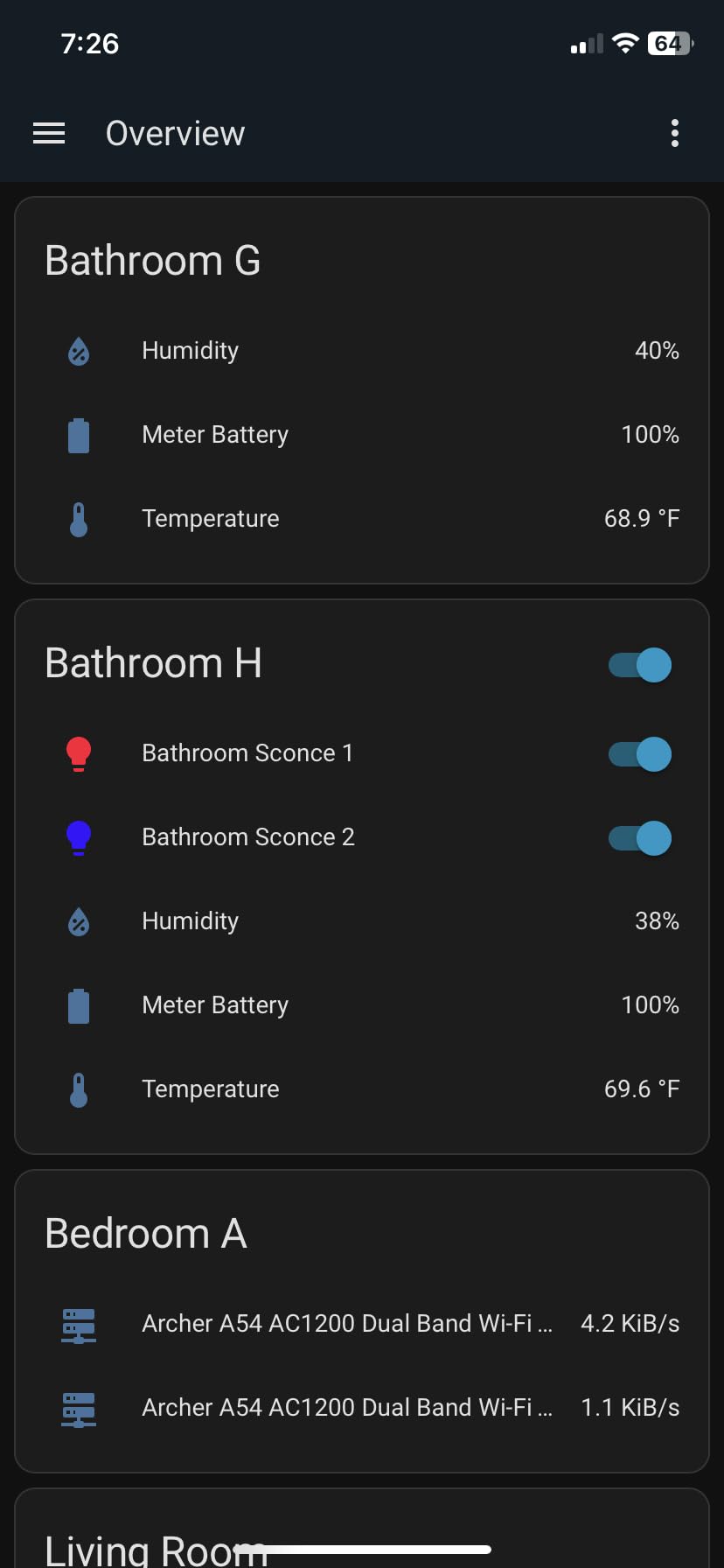
Home Assistant and local-control enthusiasts who want a bulb that keeps working when the internet does not, and anyone building scenes, gradients or a gaming setup. It is equally at home in an Apple household given the HomeKit support.
Where it falls short?
These bulbs are larger than a standard A19 at 2.36 by 4.13 inches with a heavy body, and owners report them not fitting close-fitting shades and recessed cans cleanly.
Android pairing can require enabling airplane mode, and a minority of bulbs fail to connect or stop producing white light within the warranty window.
10. OREiN Matter A19 4-Pack – Best for Local-Control Matter on a Budget
OREiN Matter Smart Light Bulb, A19 RGBTW Color Changing Light Bulbs, 4 Pack
800 lumens at CRI 90
16M RGBTW, 1800K-6500K
Matter with local LAN operation
4-pack, 9W each
Pros
- Runs on the local network even when the internet is down
- Matter pairing by QR code across all four major ecosystems
- Bright white and vivid colors for a four-pack
- Music sync with party
- dynamic and calm modes
Cons
- Matter re-provisioning reported as unreliable
- Connectivity can drop until the bulb is factory reset
- Colored output is dimmer than white output
The OREiN is interesting for one specific reason: it runs on the local network even when the internet is offline. That is a real advantage for anyone who has been burned by a cloud-dependent bulb refusing to respond because a vendor server was down, and it makes the four-pack a reasonable choice for a home that needs automations to survive an outage.
It pairs by scanning the Matter QR code, and shows up in Alexa, Google Home, Apple Home and SmartThings. Light is 800 lumens at 9W with CRI 90 and a 1800K to 6500K tunable white range, the warmest floor in this roundup and a genuine candlelight setting at the bottom.
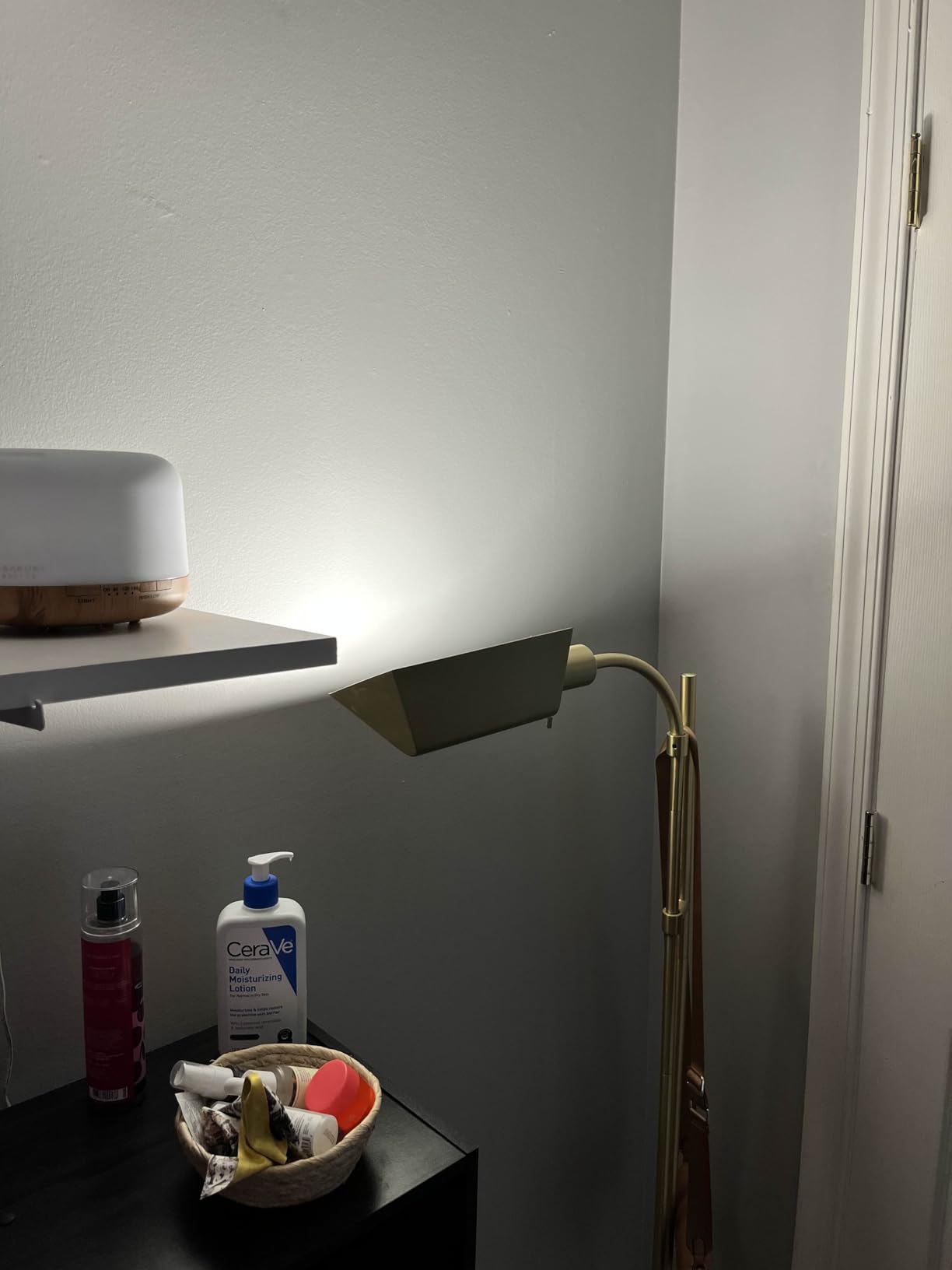
Color runs to 16 million across an RGBTW array, with music sync in party, dynamic, calm and auto rhythm modes. Colored output is dimmer than white, which is normal for mixed-channel bulbs but noticeable if you plan to use them as the only light in a room.
The warranty is 12 months, among the shortest here, and 2.4 GHz Wi-Fi is required. Apple Home also does not allow direct RGB value entry, so the color control there is coarse.
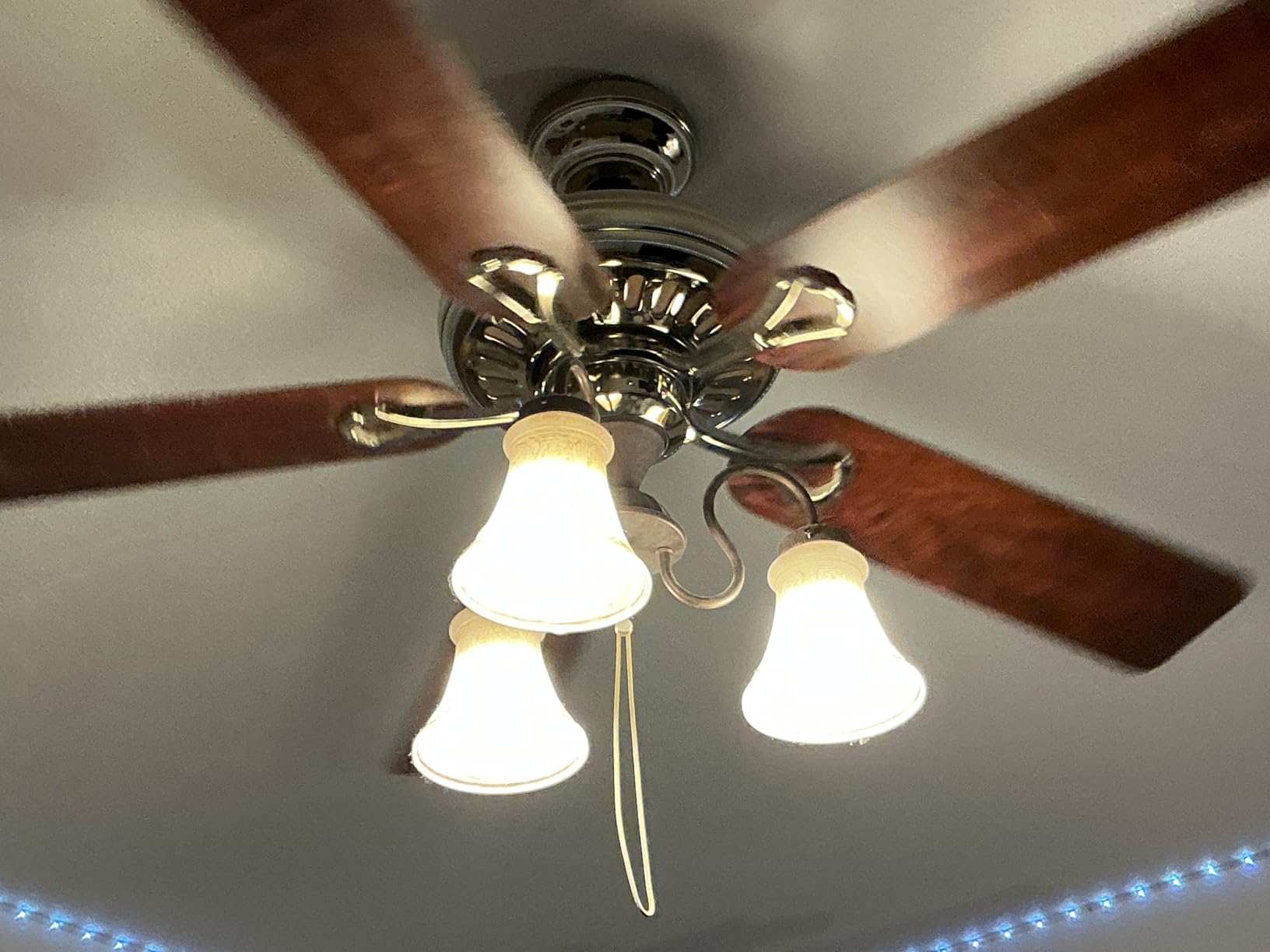
Who this bulb suits?
Homeowners who want Matter and local operation without paying for a premium brand, and anyone who cares more about a warm evening scene than about fine color control. Four bulbs make it practical for a single floor.
Where it falls short?
Provisioning is the weak point. One owner reports needing to re-provision the bulbs more than 20 times in three months, and reviews describe connectivity dropping until a factory reset and re-pair. With a 12-month warranty, that risk lands on you.
It is not for use with a physical dimmer switch, and the review count of roughly 1500 is the thinnest evidence base in this roundup, so treat the reliability picture as less settled.
11. Geeni A19 Soft White 3-Pack – Best for Bedrooms and Soft White Only
Geeni Smart LED Light Bulb A19 Wi-Fi Dimmable Soft White 800 Lumens, 3-Pack
Dimmable soft white at 2700K
800 lumens at 9W
Alexa and Google Assistant
3-pack, 1-year warranty
Pros
- Warm 2700K soft white suits bedrooms and living spaces
- Roughly 80 percent less energy than incandescent
- App control with timers and remote dimming
- Straightforward three-pack setup
Cons
- Soft white only with no color changing
- CRI 80 is below most color and tunable-white rivals
- No Matter support
Not everyone needs color. If you are replacing lamps in a bedroom or a hallway and you only want warm, dimmable white, the Geeni is the most sensible buy, and it does that job with fewer things to go wrong. The 2700K soft white is genuinely warm rather than the cool white most budget bulbs default to.
Each bulb is 800 lumens at 9W, which the listing puts at roughly 80 percent less energy than the incandescent it replaces, and it dims smoothly through the Geeni app or by voice with Alexa and Google Assistant. The three-pack suits a bedroom, a hallway and a stairwell.
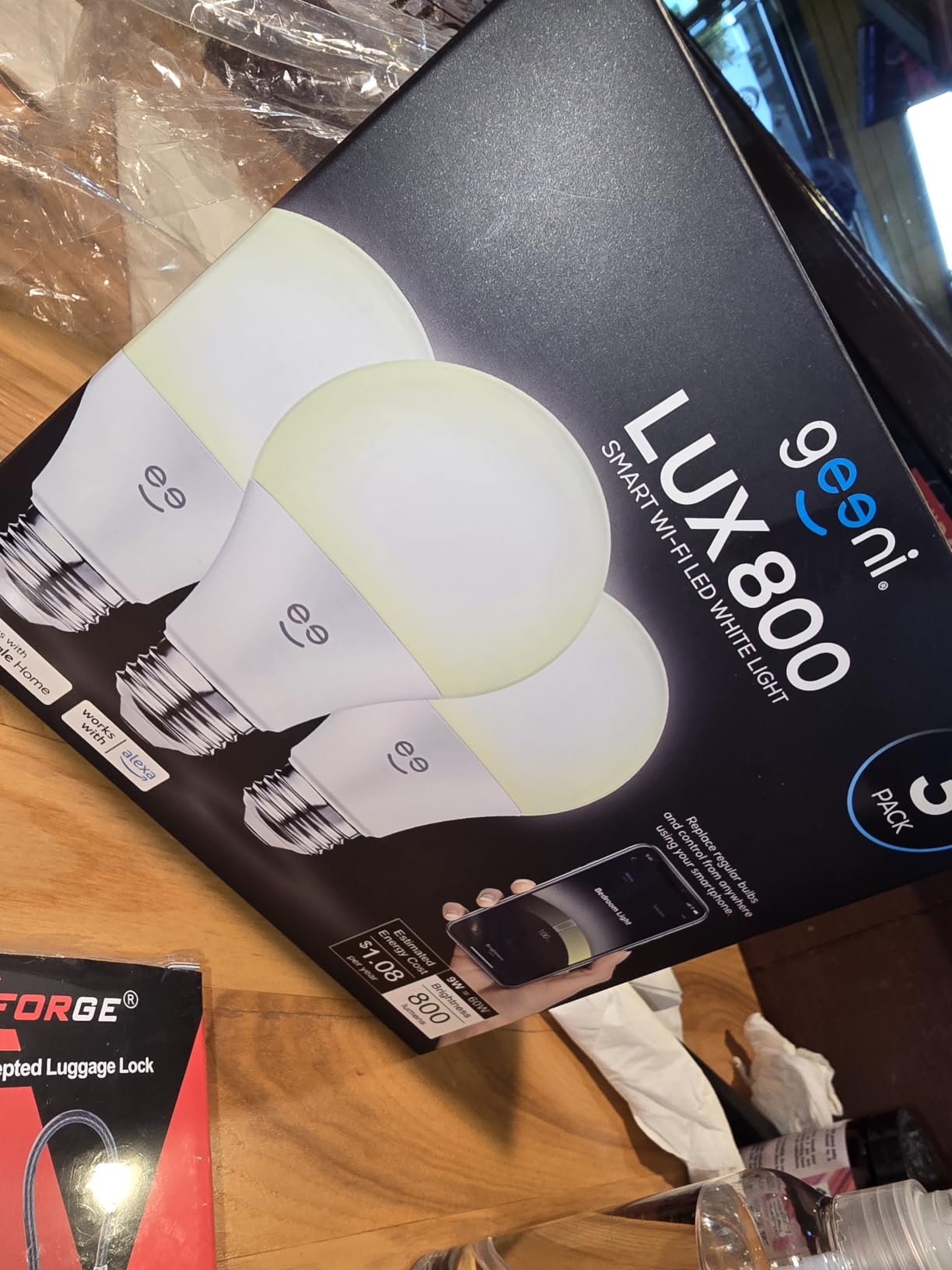
Because there is no color hardware, the app is correspondingly simple. Timers, remote on and off, and dimming are the entire feature set, which is a genuine advantage for anyone handing control to a family member who does not want to fiddle with scenes.
CRI 80 is on the low side, which shows most on skin tones and in a kitchen. The warranty is one year, and there is no Matter support, so this is an Alexa and Google Home bulb only.
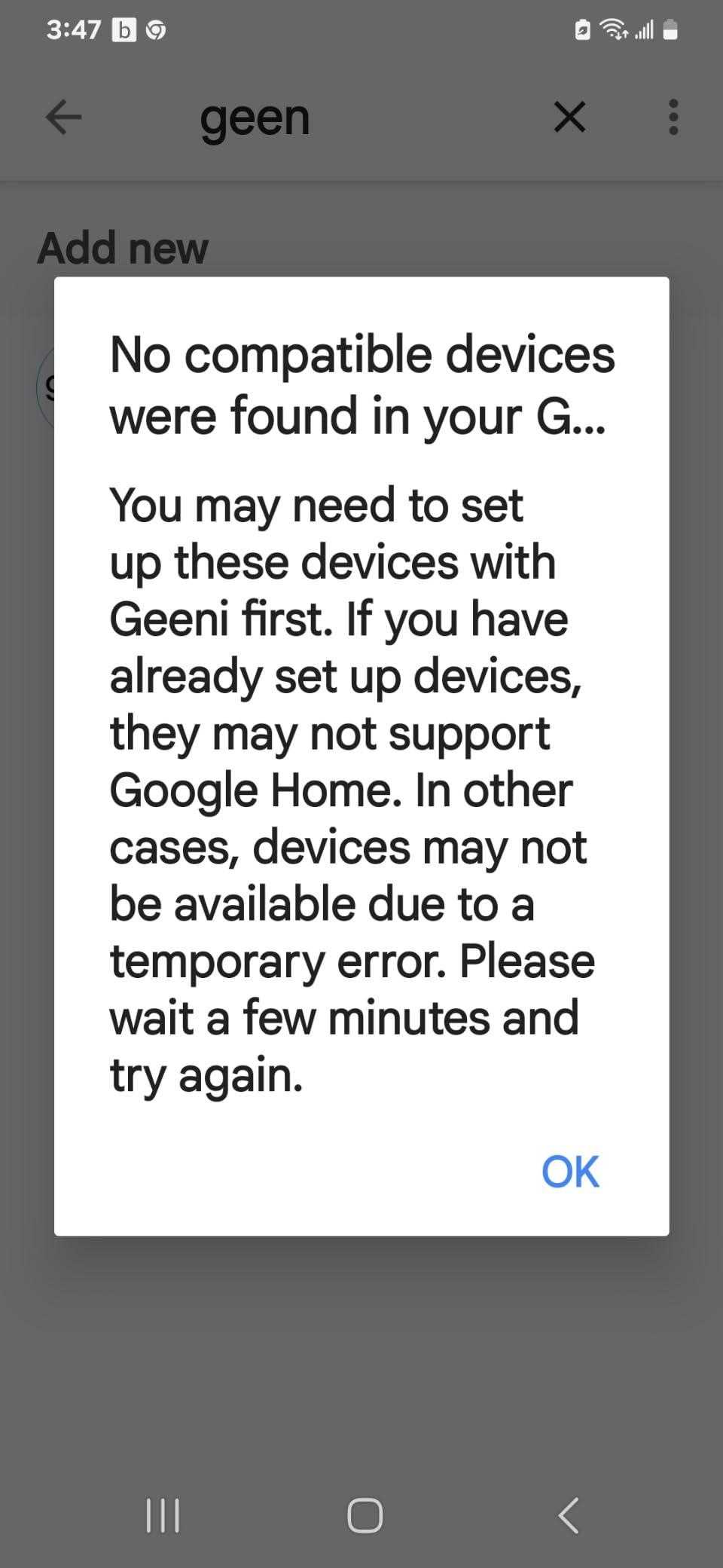
Who this bulb suits?
Bedrooms, hallways, guest rooms and any space where warm dimmable light is the entire goal. It is a good fit for older adults or anyone who wants a bulb that cannot be accidentally put into a wild color scene.
Where it falls short?
No color and no tunable white, so the bulb cannot follow a day-to-night routine or compensate for different times of day the way the Tapo, Kasa and LIFX options can.
CRI 80 and no Matter support narrow its appeal. If you may add Apple Home later, buy a Matter-certified color bulb instead and pay a little more now.
12. Philips Hue A19 1100LM – Best for Homes That Plan Ahead
Philips Hue Smart 75W A19 LED Bulb – White and Color Ambiance Color-Changing Light – 1 Pack – 1100LM – E26 – Indoor – Control with Hue App – Works with Alexa, Google Assistant and Apple Homekit
1100 lumens
White and Color Ambiance
Bluetooth and Zigbee
Matter via the Bridge
Pros
- Brightest output in this group at 1100 lumens
- Rich accurate colors and smooth mixing
- Energy Star certified with a 2-year warranty
- Owners report multi-year reliability
Cons
- Highest cost per bulb in the group
- Automations and away-from-home control need a Hue Bridge
- No native Wi-Fi on the Bluetooth model
- Not sized for 4-inch recessed cans
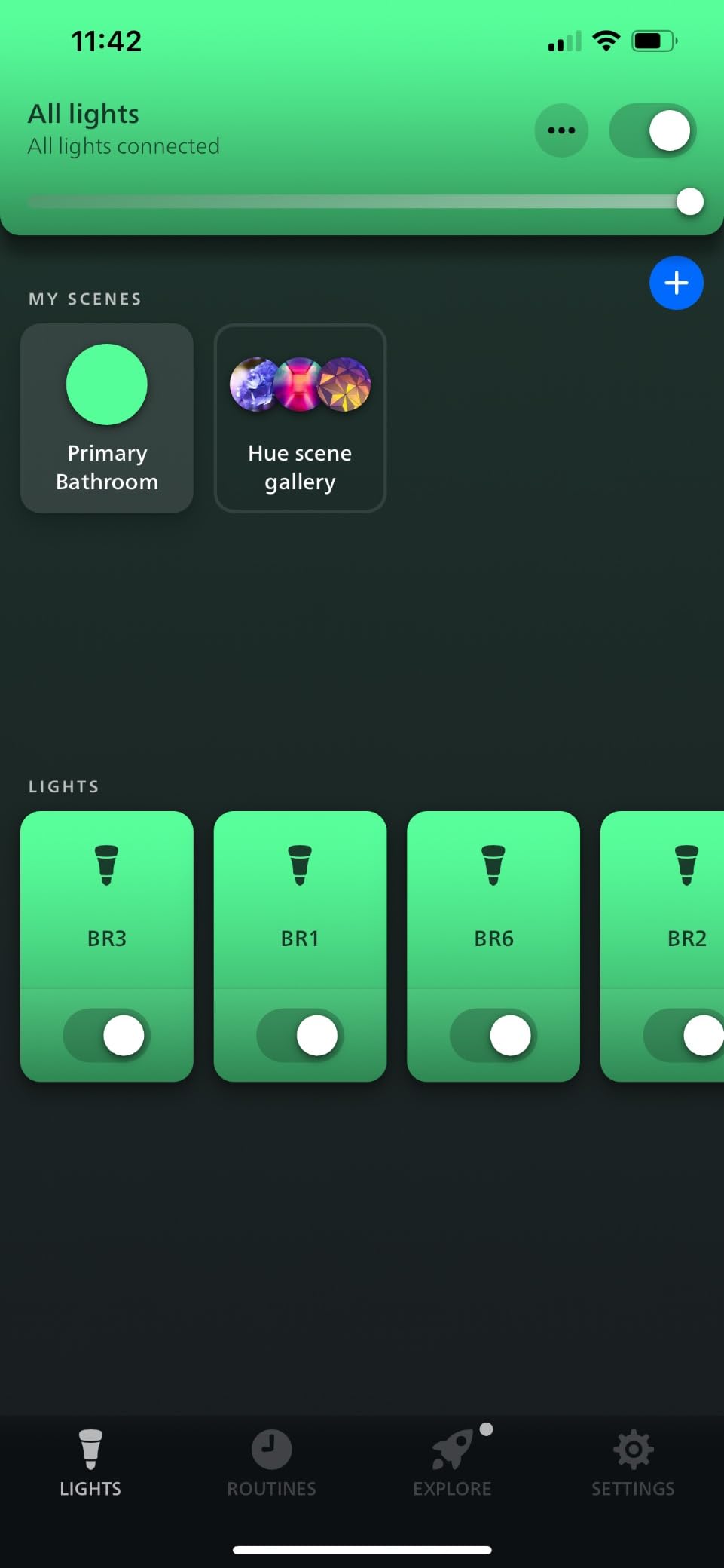
The Philips Hue is the only bulb here with a Zigbee radio, and that changes what it is for. It joins a Hue Bridge or any Zigbee coordinator, which is the mesh that Home Assistant and most serious local-control setups run on. If you already have a coordinator, this is the only pick on the list that will join it.
It is also the brightest. At 1100 lumens it is the only lamp here that replaces a 75W incandescent, which makes it the pick for a single central ceiling fixture in a large room rather than a lamp. Color quality is the other strength owners single out, with rich, accurate colors and smooth mixing, plus preset scenes including a 24-hour natural light scene.
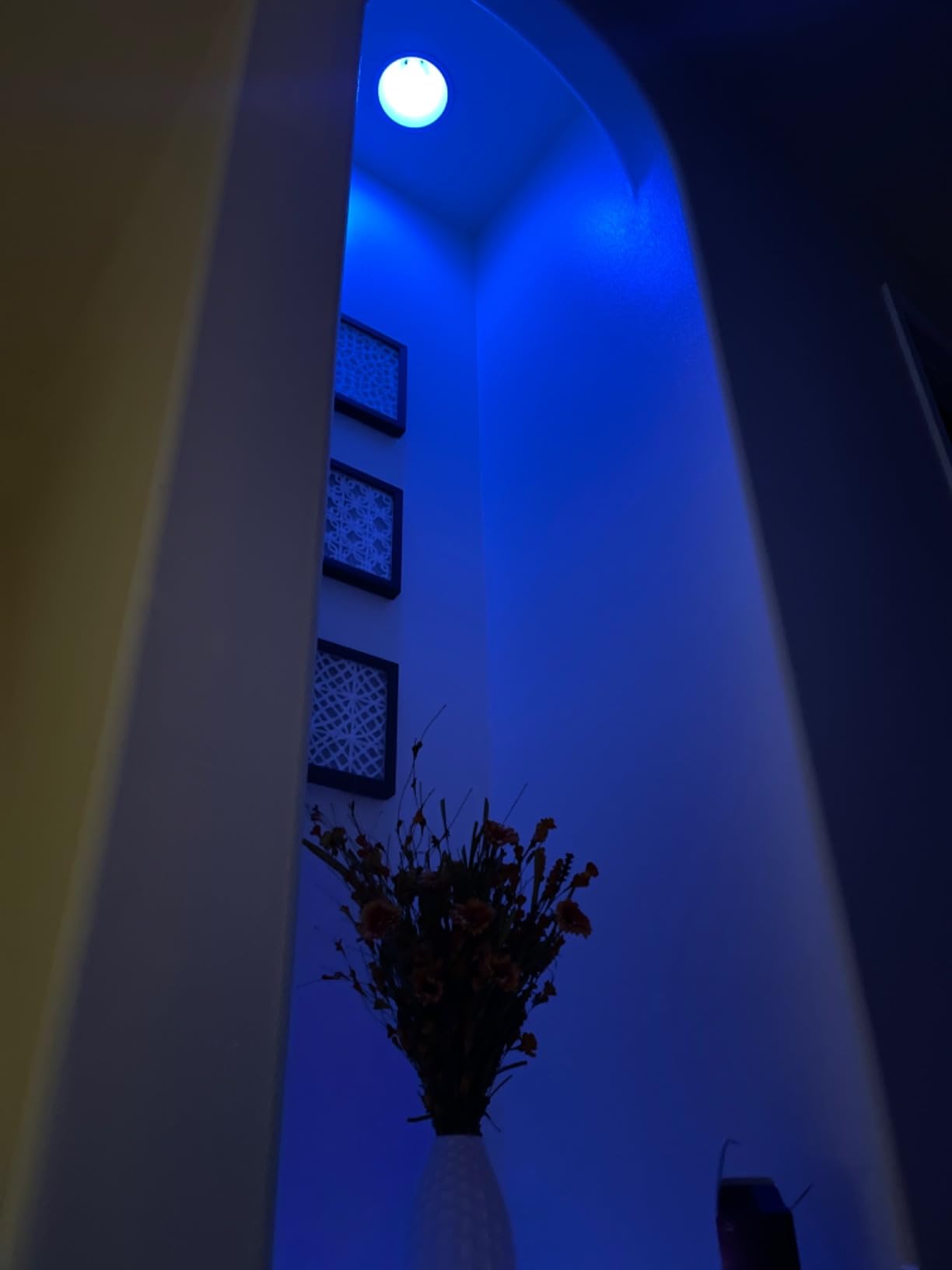
Bluetooth handles setup without a Bridge, so first-time users are not forced to buy hardware immediately. Add a Bridge and it becomes Matter compatible and unlocks automations, remote access and away-from-home control. Energy Star certification and a 2-year warranty round out a package that is engineered to be kept.
The evidence for longevity is the strongest here. Owners describe multi-year reliability with colors that do not fade, and unlike every other pick on this list, the community conversation regularly names Hue as the reference point for dependable behavior.
Who this bulb suits?
People building a system rather than replacing a few lamps, especially anyone who already owns a Hue Bridge or a Zigbee coordinator. It suits Apple, Google and Amazon households equally, since the Bridge handles all three.
It is also the right choice for one large-room fixture where 800 lumens is genuinely not enough, and for anyone who would rather buy fewer, better bulbs than a pack of disposable ones.
Where it falls short?
It is the most expensive bulb per lamp in this roundup, by a wide margin, and the price gap is large enough that most buyers are better served by a Matter-certified alternative.
The Hue app could use a redesign, some features sit behind pay walls, and the Bluetooth-only model has no native Wi-Fi, which means a Bridge is effectively required for anything beyond manual control. The A19 body also leaves a visible gap in 4-inch recessed cans.
How to Choose a Smart Light Bulb in 2026?
Ecosystem first, everything else second
Decide which assistant your household already uses before you look at a single spec. Alexa-only bulbs are cheapest and simplest, Google and Apple bulbs are mid-range, and Matter-certified bulbs cost about the same as the Google and Apple options while working in all three. Buying the wrong ecosystem is the most common regret reported in smart home forums, and it cannot be fixed with a firmware update.
Ask one question before ordering: does this bulb need a hub? Eleven of the twelve picks here do not. Only the Philips Hue needs a bridge, and only if you want automations and remote access.
Wi-Fi, Zigbee, Thread or Matter: which protocol should you buy?
Wi-Fi bulbs join your router directly on the 2.4 GHz band. They are the simplest choice and the right one for a handful of bulbs in a flat, but every bulb is a device on your network competing for bandwidth and a router close by.
Zigbee bulbs join a low-power mesh through a coordinator. They use less power, handle far more devices, survive a Wi-Fi outage, and pair the nearest bulbs to the coordinator first. You can mix brands inside one Zigbee mesh through ZHA or Zigbee2MQTT, though mixing two ecosystems in one house means running two apps.
Matter is a standard layered on top of Wi-Fi, Thread or Zigbee, which is what makes a single bulb work in Alexa, Home, Google and SmartThings. Thread is the low-power radio behind many Matter bulbs and needs a border router, usually a compatible hub or a smart speaker. The practical rule from community experience: stay on Zigbee if you already run it and want the widest device choice, and choose Matter if you are starting fresh or want cross-brand interchangeability.
What the numbers actually mean?
Lumens measure how much light comes out. Around 800 lumens is a bedside lamp or a hallway, 1100 lumens covers a larger ceiling fixture, and anything higher is for task lighting. All twelve picks here sit at 800 lumens except the Hue at 1100.
Kelvin measures color temperature, from warm to cool. A fixed 2700K bulb is always warm, while tunable white models let you shift between roughly 1800K and 6500K, which is what allows a warm evening scene and a bright morning scene from the same lamp.
CRI measures how natural colors look, with 90-plus noticeably better on skin tones and food than 80. If you sketch or paint in the evening, accurate rendering matters as much as brightness, and our drawing pencil sets with light picks cover the matching desk setup. For a non-bulb answer to seasonal light needs, see our light therapy lamp picks.
Do smart bulbs raise the electric bill?
No, and this is the question we get most often. An 800-lumen smart LED draws about 9W, against the 60W incandescent it typically replaces, so the smart part makes a small difference on top of a very large saving.
Run the numbers over a year at 5 hours of use a day. A 60W incandescent burns 0.3 kWh a day, which is about 110 kWh a year. A 9W smart bulb burns 0.045 kWh a day, roughly 16 kWh a year. The difference of around 93 kWh is where the saving comes from, and it applies whether the bulb is smart or not. Multiply by your own rate per kWh for the figure on your bill.
Standby draw is the part that is actually specific to smart bulbs, and even that is small. The Tapo is rated at under 0.2W, so a year of sitting idle costs a fraction of a kWh. Scheduling is what changes the bill, and it helps most where you habitually leave lights on in an empty room.
What actually breaks after a few months?
Owners report the same failure repeatedly across brands: a smart light randomly stops working after a week, a month, or a year, and usually needs re-pairing or a factory reset with no clear cause. The complaint is about responsiveness rather than brightness, and the fix is usually power-cycling the bulb rather than replacing it.
Two more real-world issues are worth planning around. Wall switches cut power to bulbs, and in a Zigbee mesh a router-capable bulb that loses power can destabilize the network for its neighbors. And 2.4 GHz-only bulbs will not join a 5 GHz-only router, so check your router before you buy.
On reliability specifically, community forums most often name Philips Hue as the most dependable, with long-term owners reporting multi-year runs and colors that do not fade. Sengled, Feit, WiZ and OREiN carry the most reports of intermittent disconnects and re-pairing trouble. Owners running Home Assistant overwhelmingly pair through ZHA or Zigbee2MQTT rather than the vendor app, specifically to avoid cloud dependency.
Price per bulb, not price per pack
The single most useful habit in this category is dividing by the number of bulbs. A four-pack can cost less than some single bulbs, and community consensus is to buy the largest pack available when you are confident, because the per-bulb figure drops sharply with pack count. If you are unsure, buy a two-pack first.
Counting a hub changes the maths for a Zigbee setup, since one bridge and coordinator serves a whole house and is already paid for by everything else on the mesh.
Who should not buy a smart bulb?
If you never want to use an app or a voice assistant, a smart bulb is an expensive dimmer. If your fixtures are small and your ceiling is low, the larger A19 bodies here may not fit, so measure first. And if your home has a lot of rooms with wall dimmers, do not try to combine the two: smart bulbs are not compatible with legacy wall dimmers, and you want a smart on/off switch instead.
The other honest counterargument is cost per bulb. A four-pack of color bulbs is a genuinely good value, but replacing every lamp in a large house adds up fast, and two packs in the main rooms plus manual bulbs elsewhere is a perfectly reasonable way to start.
Frequently Asked Questions
Do smart bulbs raise the electric bill?
No. A 9W smart LED bulb uses roughly a sixth of the 60W incandescent it replaces, so the saving comes from LED efficiency rather than from the smart features. At 5 hours a day, a 60W incandescent burns about 110 kWh a year and a 9W smart bulb about 16 kWh. Standby draw is under 0.2W on current models, and scheduling can cut usage further by switching off rooms nobody is in.
Are smart light bulbs worth it?
They are worth it for scheduling, voice control, tunable white light and remote access, not for energy saving. For anyone with mobility or accessibility needs, turning lights on by voice is often the single most useful automation in a house. For everyone else, the value depends on whether your household will actually use the automations.
What are the disadvantages of smart bulbs?
They cost more per bulb than a standard LED, most join only a 2.4 GHz Wi-Fi band, and some need a hub or a vendor app. They are not compatible with legacy wall dimmer switches, most return to full brightness after a power cut, and a minority stop responding after weeks or months and need re-pairing. Some, such as the Amazon Basics model, work with only one voice assistant.
Which brand of smart bulbs is the most reliable?
Owner reports on community forums most often name Philips Hue as the most dependable, with buyers citing multi-year reliability and colors that do not fade. Sengled, Feit Electric, WiZ and OREiN attract more reports of intermittent disconnects and re-pairing trouble, while Govee and Kasa are praised for app stability. Treat this as user experience rather than lab data, since no review tests bulbs for years.
Can I mix smart bulbs from different brands?
Yes, within one ecosystem, so any Alexa, Google Home or Apple Home bulb can join the others through that platform. Within Zigbee, different brands also mix through a coordinator using ZHA or Zigbee2MQTT. Mixing two ecosystems in the same house is what creates the two-app problem, so pick one platform before you fill the house.
Our Verdict on the Best Smart Light Bulbs
The best smart light bulbs for most households are the Govee A19 for its all-round capability and Bluetooth fallback, the Kasa KL125P2 if you want tunable white and real energy reporting, and the Philips Hue A19 if you are building a Zigbee system and plan to keep it for years. The Govee is the one to buy first, the Kasa if you want the better app, and the Hue if a bridge is already in your home.
Whatever you choose, match it to the assistant you already use, check that your router still runs a 2.4 GHz band, and start with a two-pack. If you are thinking about screen comfort in the evening, our picks for the best blue light blocking glasses for gaming cover the other half of that routine.