
Clear water in a canister-filtered aquarium is not luck. It comes down to what is packed into the baskets, how those baskets are arranged, and how often you open the filter. I have spent years swapping media stacks between freshwater planted tanks, high-bioload cichlid setups and one stubborn brackish tank, and the same pattern keeps repeating: the tanks with glass-like water are almost never the ones with the most expensive filter. They are the ones with the correct mechanical stage, a chemical stage used only when it is needed, and bio media that is never allowed to starve.
This guide covers the best canister filter media for crystal clear water available right now, grouped by the job each product does. Mechanical media catches debris, chemical media strips dissolved pollutants, and biological media hosts the bacteria that keep ammonia and nitrite at zero. All three stages matter, and the order you stack them decides how well each one works.
I compared twelve canister filter media products across pore density, surface area, flow restriction, replacement cadence and real review volume. Two of them are the picks I keep coming back to for different reasons: one biological media for its balance of rating and review history, and one mechanical roll for polishing the water. The rest earn their place by doing a specific job well. Everything below is refreshed for 2026, and I updated the maintenance schedules because half the guides out there still tell you to replace bio media every month.
Table of Contents
What Order Does Filter Media Go In a Canister Filter?
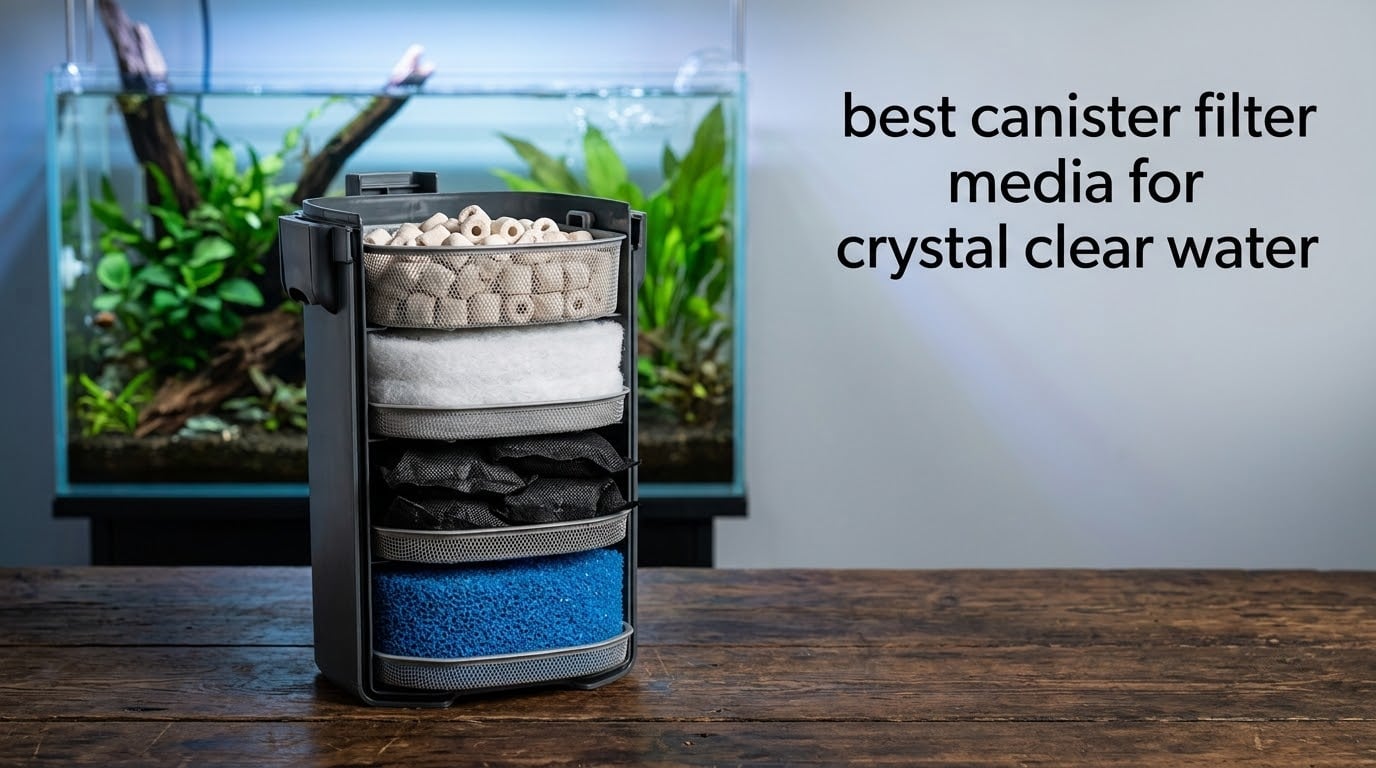
Fill the basket closest to the intake with the coarsest media and the basket nearest the outflow with the finest. The standard canister filter media order is coarse mechanical sponge, then fine floss or polishing pad, then chemical media such as activated carbon, then biological media, with an optional pre-filter sleeve on the intake tube if your tank is messy.
Water enters through the intake, so the first basket it hits should be the one built to trap the biggest particles. This is the single most repeated piece of advice across filter forums, and the reason is mechanical rather than biological: debris that reaches the fine stages clogs them, and a clogged basket drops your flow rate before it drops your clarity.
Coarse mechanical media first (typically 20 ppi sponge or a coarse pad). This is the basket nearest the intake tube.
Fine mechanical media second (polishing floss or a fine bonded pad). This catches what the coarse sponge let through.
Chemical media third (activated carbon or a phosphate remover), in its own mesh bag so loose pieces cannot leak into the pump head.
Biological media last (ceramic rings, sintered glass, Matrix or bio-balls), in the basket closest to the outflow where cleanest water reaches it.
That order also explains why chemical media never goes first. Carbon that sits upstream of the bio media absorbs the dissolved organics bacteria feed on, and it strips medications out of the water before they can finish working. The chemical stage belongs in the middle or the back of the stack, never at the intake.
Some aquarists run the fine stage first because it produces the clearest water and they enjoy the maintenance rhythm. Both approaches work. The deciding factor is not correctness, it is how often you are willing to open the filter.
Top 3 Best Canister Filter Media Picks for 2026
These are the three products I recommend to people who want one strong answer for each stage of the stack. They cover different jobs, so they are not in competition with each other.
Fluval BioMax Biological Media
- Reduces ammonia and nitrate
- Complex porous design
- Works in freshwater and saltwater

Fluval Carbon 3-Pack
- Strips heavy metals and odors
- Research-grade carbon surface area
- Three inserts per pack

Aquatic Experts Floss Roll
- Dual-density bonded layers
- Cut to fit any basket
- Reusable after rinsing
The Fluval BioMax is the one I trust without reservation because its 4.8 rating sits on top of more than 8,000 reviews, which is a much harder combination to fake than a small-sample score. The Fluval carbon is the fastest fix for yellow water and odor after a medication dose. The Aquatic Experts roll is the mechanical workhorse for the final polish stage, and the dual-density build is why it out-polishes single-layer pads.
All 12 Canister Filter Media Compared Side by Side (October 2026)
This table lists all twelve products in the guide with the stage each one serves and the feature that matters most for its job. Use it to fill a stack rather than picking a single winner, because clarity comes from the combination.
| Product | Specs | Action |
|---|---|---|
| Fluval BioMax Biological Media, 500 g |
|
Check Latest Price |
| Fluval Activated Carbon 3-Pack |
|
Check Latest Price |
| Aquatic Experts Dual-Density Floss Roll |
|
Check Latest Price |
 Fluval ClearMax Phosphate Remover 3-Pack Fluval ClearMax Phosphate Remover 3-Pack |
|
Check Latest Price |
 AQUANEAT Pad Set for Cascade 700/1000 AQUANEAT Pad Set for Cascade 700/1000 |
|
Check Latest Price |
 Seachem Matrix, 4 L Seachem Matrix, 4 L |
|
Check Latest Price |
 AQUANEAT Dual-Density Bonded Floss Roll AQUANEAT Dual-Density Bonded Floss Roll |
|
Check Latest Price |
 AQUANEAT Bio Ceramic Rings, 6 lbs AQUANEAT Bio Ceramic Rings, 6 lbs |
|
Check Latest Price |
 CNZ Filter Media Kit, Double Pack CNZ Filter Media Kit, Double Pack |
|
Check Latest Price |
 ALEGI Aquarium Sponge Filter Pad ALEGI Aquarium Sponge Filter Pad |
|
Check Latest Price |
 Biohome Ultimate Sintered Glass Media, 1 lb Biohome Ultimate Sintered Glass Media, 1 lb |
|
Check Latest Price |
 Penn-Plax Cascade Filt-a-Pack Media Bag Penn-Plax Cascade Filt-a-Pack Media Bag |
|
Check Latest Price |
Two patterns stand out in that table. First, every high-bioload clarity win comes from biological media, not from polish. Second, the mechanical products that mention dual-density construction all describe a coarse face and a fine face, which is the physical reason they catch more than a single layer.
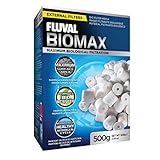
1. Fluval BioMax Biological Filter Media, 500 g
Fluval BioMax Biological Material Remover, 500 g
500 g porous rings
Reduces ammonia and nitrate
Safe for freshwater and saltwater
Pros
- Reduces and controls ammonia and nitrate
- Complex porous design for contact time
- Does not alter hardness or pH
- Works in freshwater and saltwater
- 4.8 rating with more than 8000 reviews
Cons
- Bulky rings take more basket space than denser media
- Manufacturer suggests monthly replacement which raises running cost
I have this media in more tanks than anything else on this list, and it has earned the place. It is a 500 g tub of porous rings with a 4.8 average across more than 8,000 reviews, and the rating has been stable for years. The complex porous structure keeps water in contact with the media long enough for colonization to establish properly.
What I like most is what it does not do. It will not affect your water characteristics, which means your hardness, pH and KH readings stay where you set them. On a planted tank with delicate species, that predictability matters more than a headline surface-area number.
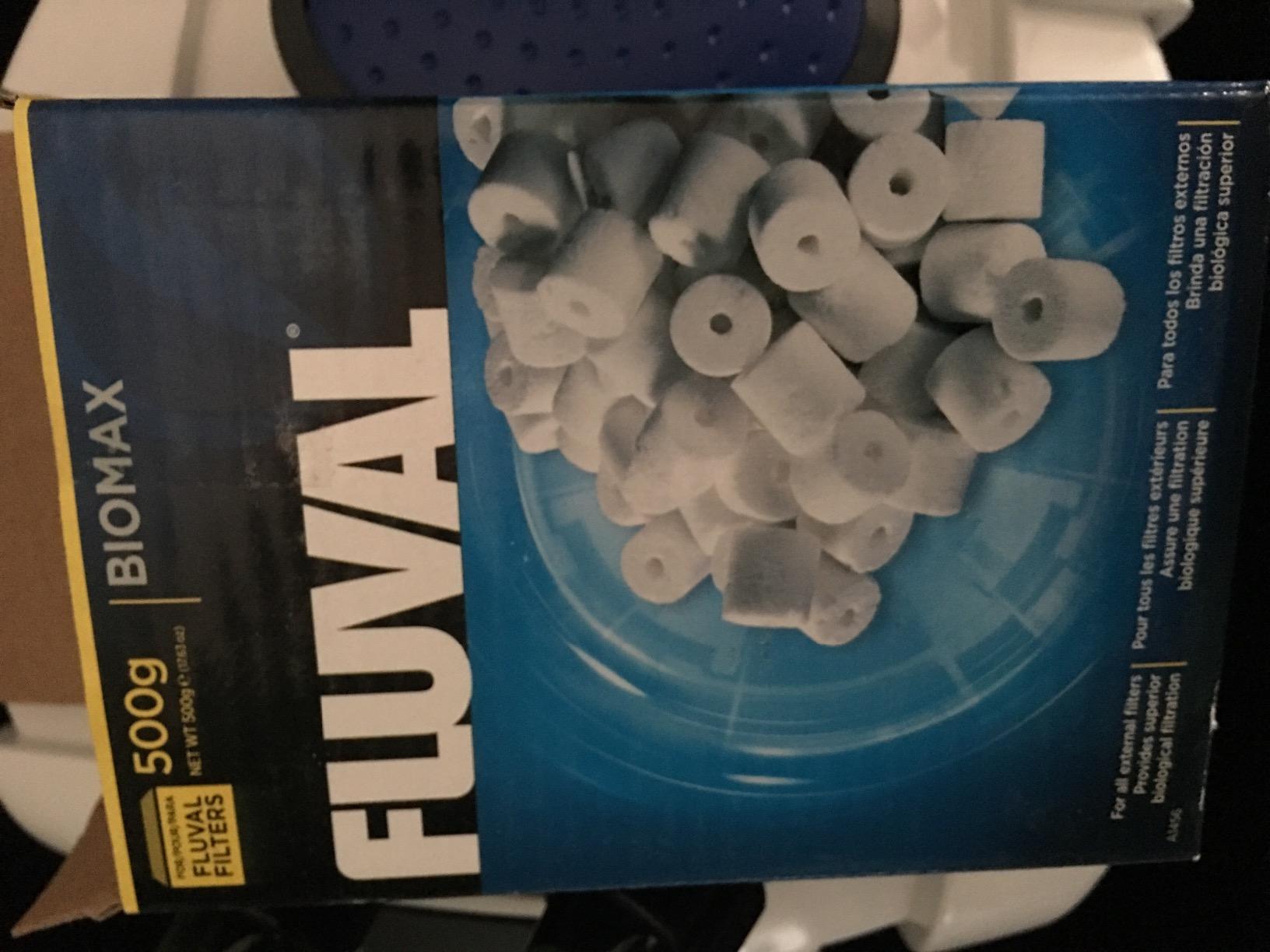
The main drawback is physical, not functional. These rings are hollow and bulky, so a 500 g tub fills a surprising amount of basket volume. If you are running a canister with tight trays, expect to split this across two baskets or combine it with a floss pad in the same tray.
The other caveat is the manufacturer replacement guidance. Fluval suggests replacing monthly for best results, and while plenty of aquarists run the same rings for a year or more by rinsing them in removed tank water, the stated guidance is worth knowing. If you follow it, budget for frequent replenishment or plan to never swap the media out entirely.
When BioMax earns its basket space
This is the media I choose for freshwater tanks between 40 and 100 gallons with a moderate bioload. It handles the ammonia load from a normal community or planted stocking and keeps nitrite at zero without any intervention from you after the cycle is established.
It also works in saltwater. Many reef keepers pair it with a mechanical pre-filter and a chemical bag, and the combination handles the dissolved organics that a canister collects over time.
When to skip it
Skip it if basket volume is your binding constraint. On a nano tank, a dense sintered glass media or a small amount of Matrix uses the space far more efficiently, and a 20-gallon tank does not generate enough ammonia to justify 500 g of rings.
I would also skip it in a tank where you want to run chemical media continuously. BioMax is bulky enough that a full chemical stage plus a full biological stage in the same canister gets tight, and the more honest answer in that case is a larger basket tray.
2. Fluval Activated Carbon 3-Pack for Spec, Evo and Flex
Fluval Spec/Evo/Flex Activated Carbon, 3-Pack, Black
Three carbon inserts
Research-grade activated carbon
Strips heavy metals and odors
Pros
- Removes odors
- yellowing and discoloration
- Very large surface area for impurity capture
- Three inserts per pack
- Highest review count in this roundup
Cons
- Form factor limited to Fluval Spec
- Evo and Flex inserts
- Carbon is consumable and needs periodic replacement
Activated carbon is not a clarity product. It is a corrective product, and it earns its place in the stack for a specific set of problems: yellow water, odor after a medication dose, tannins leaching from driftwood, and dissolved organics feeding algae.
That distinction matters because I see people add carbon permanently and then wonder why it stopped working. Carbon has a finite capacity. Once its pores fill, it does nothing at all, and leaving spent carbon in the flow path is one of the more common mistakes in canister maintenance.
Where this product is strong is the review base. At 4.7 across more than 8,300 ratings, with 82 percent of those reviews at five stars, this is the most thoroughly validated carbon in the group. Buyers consistently credit it with clearing odor and discoloration, and the reporting on heavy metal and pollutant removal matches what the brand claims.
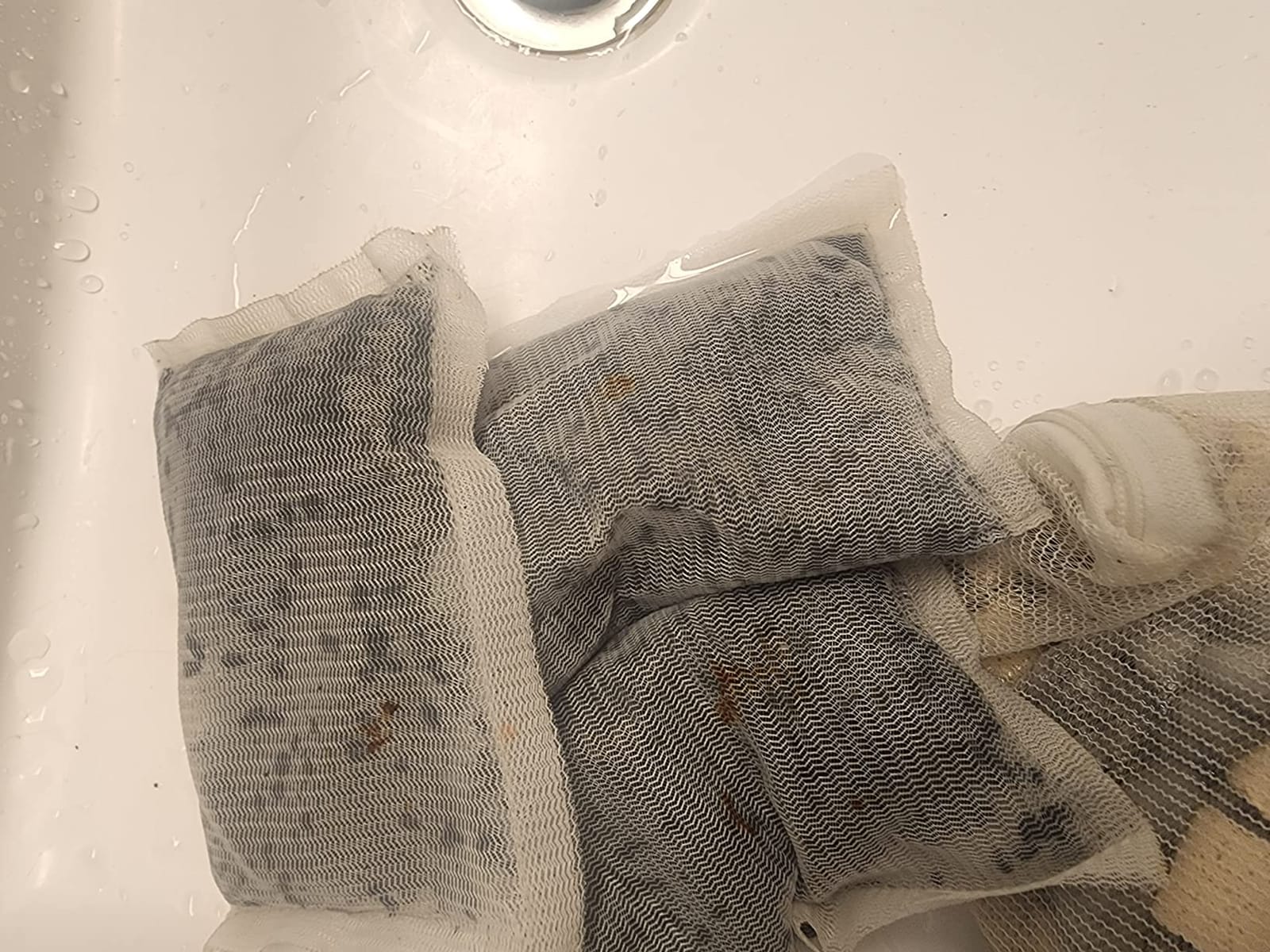
The limitation is physical and important. These inserts are shaped for the Fluval Spec, Evo and Flex desktop series. They will not fit a Fluval FX5 or FX6 tray and they will not fit a non-Fluval canister basket, so if your filter is a canister this is only relevant if you also run one of those desktop units as a supplementary filter.
When carbon is the right call
Reach for carbon after a medication dose, when the water is tinted amber from tannins, or when odor appears in a heavily stocked freshwater tank. Those are the three situations where it produces a visible improvement within days.
I also use it in the first two weeks after introducing new driftwood, which releases a surprising amount of yellow staining. Once the water is clear again, I pull it and put the basket space back to work.
When to leave the basket empty
Do not run carbon permanently on a healthy tank. It strips the trace organics that planted tanks need for uptake, and it removes the medication residue you might need still. On a reef, permanently installed carbon competes with a skimmer and can create a nitrate problem, because a canister without a skimmer will accumulate dissolved organics faster.
Skip it entirely in a new cycled tank. There is nothing to correct yet, and the space is better spent on mechanical capacity.
3. Aquatic Experts Dual-Density Filter Floss Roll
Aquatic Experts Aquarium Filter Floss for Fish Tank Filters – FilterFirst Aquarium Filter Pad – Media Roll for Crystal Clear Water, 3/4″ – 1″ Thick (12 Inch Wide, 72 Inch Long)
12 by 72 inch roll, 3/4 to 1 inch thick
Dual-density bonded pad
Dye-free and chemical-free
Pros
- Dual-density layers trap coarse and fine debris
- Cuts to fit canisters
- sumps or HOB filters
- Rinsable and reusable
- Very high review volume for a floss roll
Cons
- Thickness varies between 3/4 and 1 inch so fit can be loose
- Floss must be swapped regularly or it restricts flow
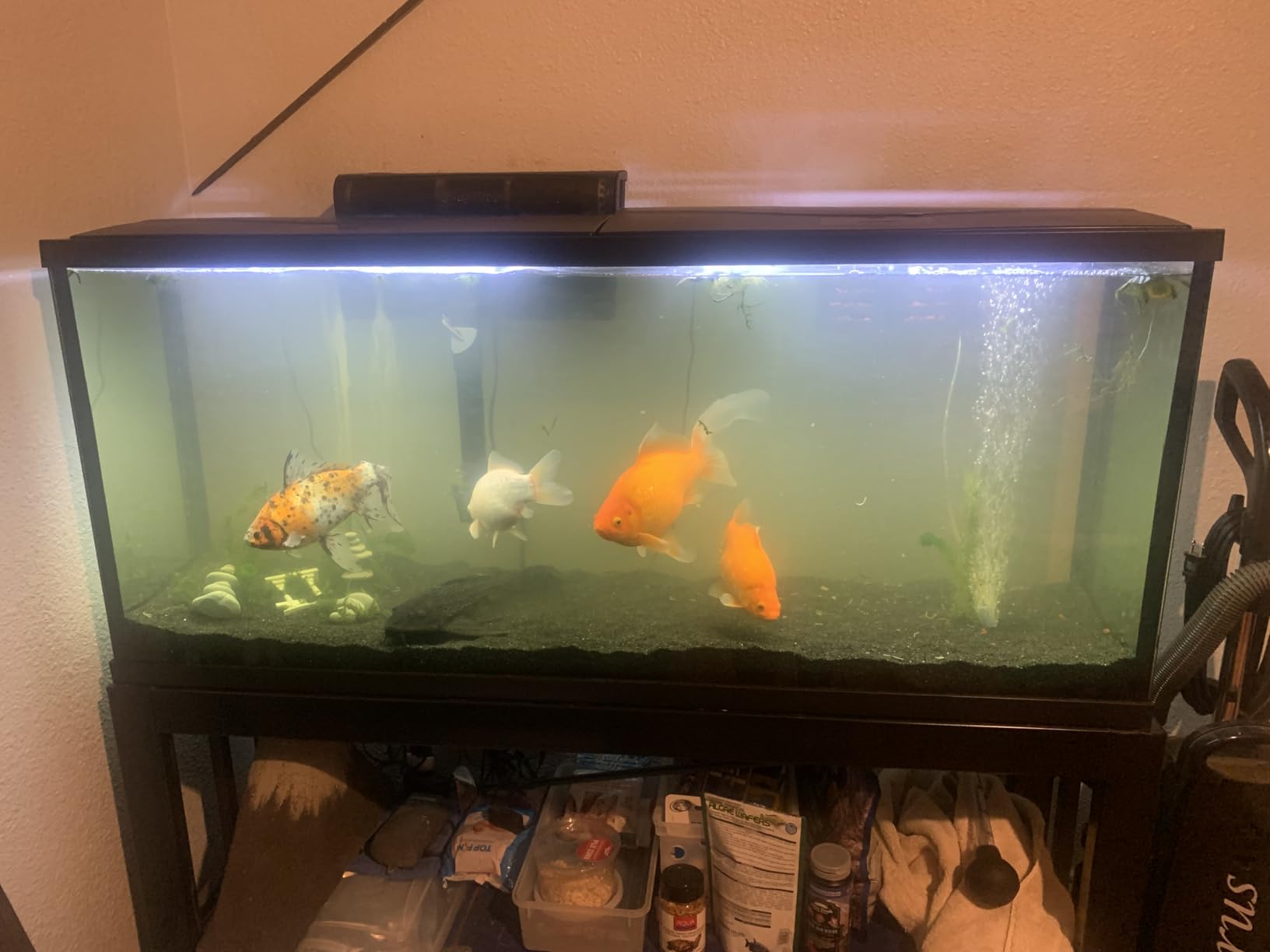
This is the roll I use for the polishing basket, the one closest to the outflow. Its dual-density bonded construction is the point: a coarse fiber layer catches larger suspended debris and a denser layer traps the fine particles that make water look hazy in a side-on photo.
At 4.7 across more than 5,800 reviews with 83 percent at five stars, this is the best-supported floss roll in the group. The dominant praise in the reviews is exactly what I would expect from a bonded pad, which is visible polishing after a day or two of use.
The roll format is genuinely useful. At 12 by 72 inches, I cut a length to fit the tray, fold it to the basket depth, and trim the excess. Because it is a bonded pad rather than loose fiber, it holds its shape in the tray and does not wash out into the pump head the way a bag of polyester fiber can.
Thickness is listed as 3/4 inch to 1 inch. That range is real, not marketing hedging. In a shallow tray it can sit loose, so I fold it in half or double the layer, which also raises the effective filtration of the coarse face.
When this roll is the right pick
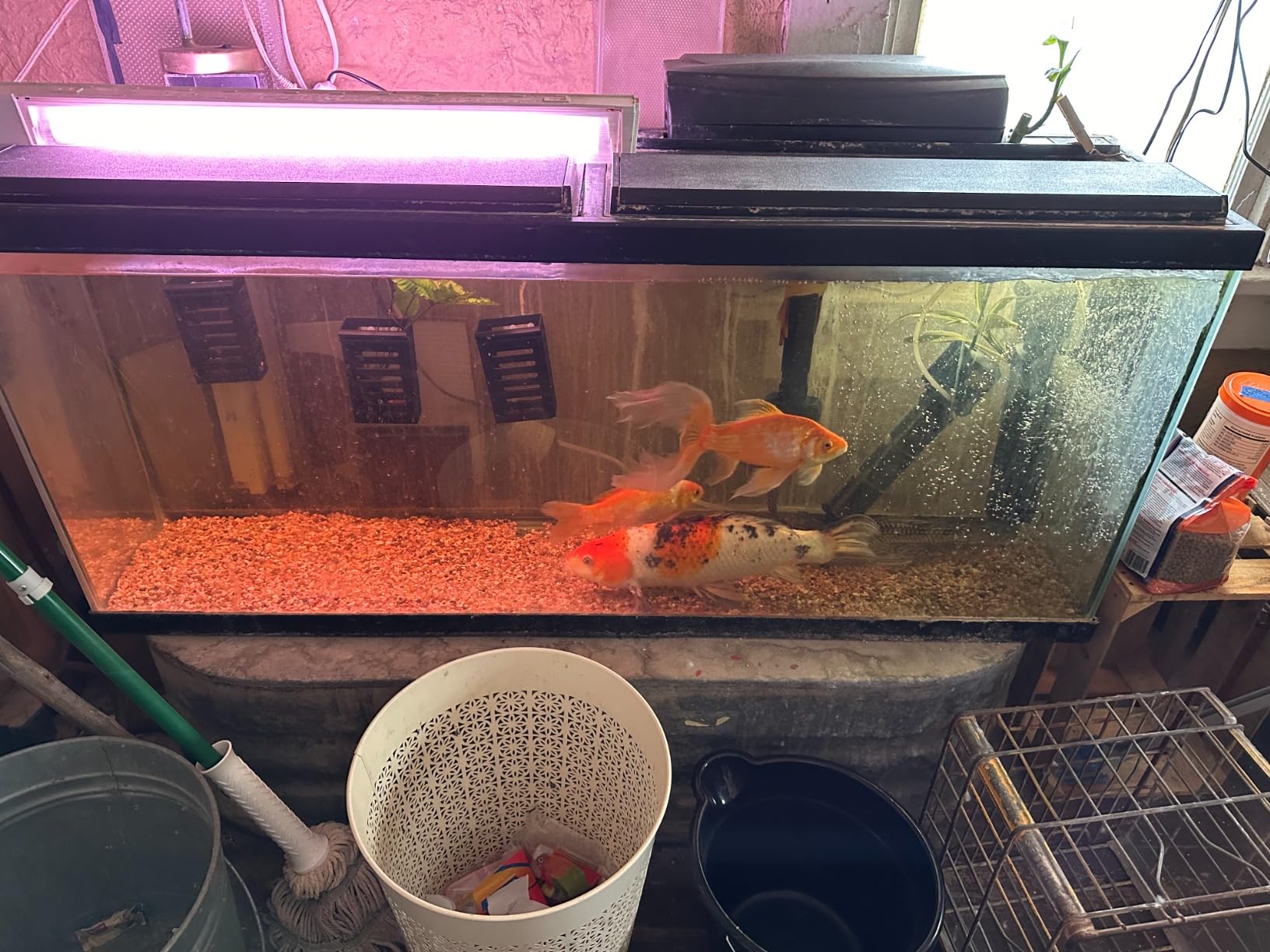
Choose it whenever visual clarity is the goal and you are willing to rinse it weekly. On a display tank in a living room, the difference between a coarse-only stack and a stack with a bonded floss stage is visible from across the room.
It also works as a pre-filter sleeve over an intake strainer in a messy tank, where catching debris before it reaches the media baskets reduces how often you have to open the canister at all.
When to skip it
Skip it in a reef or a high-bioload tank where detritus turnover is slow. A fine pad in a canister with low flow becomes a detritus reservoir, and reef keepers on forums consistently warn that canisters accumulate waste over time and degrade water quality.
Also skip it if you want a low-maintenance stack. Floss is a consumable that must be rinsed often, and if you are not going to open the filter weekly, put that effort into mechanical sponge instead.
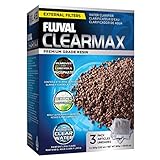
4. Fluval ClearMax Phosphate Remover, 3-Pack
Fluval ClearMax Phosphate Remover, 3-Pack, 100-gram, All Breed Sizes
Three 100 g resin bags
Absorbs phosphate, nitrite and nitrate
Freshwater and saltwater
Pros
- Targets dissolved nutrients behind algae growth
- Pre-bagged sachets drop straight into a basket
- Also reduces odor
- Works in fresh and salt water
Cons
- Chemical media only
- no particulate capture
- Needs monthly replacement to keep working
Phosphate remover is the chemical stage that gets misunderstood most often. It does not make water clearer. It removes a dissolved nutrient that algae need, which is why users describe it as solving an algae problem rather than a clarity problem.
That distinction is exactly what the reviews show. Buyers treat ClearMax as the finishing step in a canister stack, relying on it to hold phosphate down and cut algae and odor. At 4.6 across 5,200 ratings, it is the most heavily reviewed chemical resin media in this group.
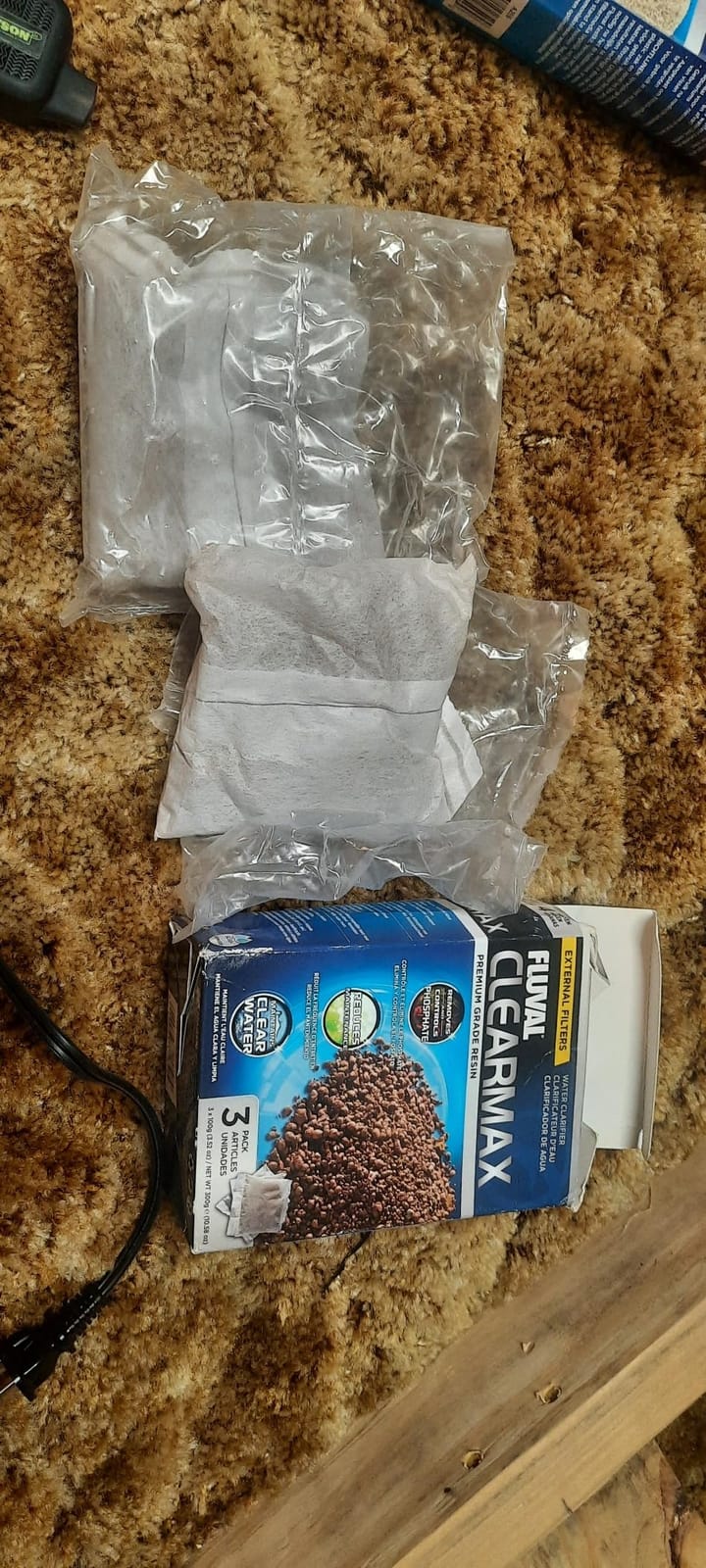
The packaging is the practical win here. Each pack contains three 100-gram nylon bags, and each bag drops directly into a canister basket without a mesh bag. For anyone layering media in a cramped tray, having pre-bagged resin removes a step and stops loose media from reaching the impeller.
Where it falls short is scope. As a chemical resin it does nothing about particulate, so it needs a mechanical stage upstream doing its job. Several reviewers note that it achieves little on its own without mechanical and biological media in front of it.
When phosphate remover earns a basket
Use it when you have an algae problem that keeps coming back despite consistent water changes and light reduction. Residual phosphate in the water column is the usual reason algae regrowth survives a cleanup.
It also suits brackish and reef-adjacent setups where you want to hold nutrients down without running carbon permanently. Remember to remove it once the reading stays low, because leaving saturated resin in the flow is pointless weight on your pump.
When to leave it out
Leave it out of a healthy low-tech planted tank. Holding phosphate near zero starves plants, and many aquatic plants cannot access phosphorus at all without a measurable dose.
Leave it out of any tank where you are chasing clarity. Water clarity is a mechanical and biological outcome, and spending basket space on chemical resin while your floss stage is clogged is solving the wrong problem.
5. AQUANEAT Replacement Pad Set for Cascade 700 and 1000
AQUANEAT Replacement Canister Filter Pads Compatible with Cascade 700/1000 CCF2UL/CCF3UL Generic Aquarium Floss Media
Four sponge pads plus 12 floss pads
Fits Cascade 700/1000 trays
Reusable after rinsing
Pros
- Complete staged set in one purchase
- Graded densities from coarse to fine
- Provides mechanical and biological filtration
- Fits Cascade trays directly
Cons
- Pads ship vacuum-sealed and need a hot water soak
- Thinner than original equipment pads
- Floss layers can separate if soaked too early
If your canister is a Cascade 700 or 1000, this set fills every tray in one purchase, which is a genuine convenience over sourcing pads individually. It includes one coarse blue pad, two medium green pads, one fine black pad and twelve white floss pads.
The graded set is the interesting part. Running coarse in the intake tray and fine in the outflow tray gives you a full coarse-to-fine gradient without buying two separate products, and the fine sponge also offers surface area for bacteria.
At 4.6 across more than 2,500 reviews this is well used and well documented. The single most important practical takeaway from the reviews is that the pads ship vacuum-compressed and must be soaked in warm water to reach full thickness. Once expanded they fit the 700 and 1000 trays and clear water reliably.
Who this set suits
This suits anyone running a Cascade 700 or 1000 who wants a complete mechanical and biological baseline without mixing brands. The media is a sensible gradient and the pads rinse clean and go back in.
It is also a good choice if your canister is close to new and the trays are empty, because you fill all three stages in one order and then only maintain the front two.
What to watch out for
Soak the pads before fitting them. Skipping the soak is the reason so many one-star reviews describe flat, deformed foam, and it also explains the flimsiness some owners report afterward.
These pads are thinner than the original Cascade equipment, so some users run two sets stacked in the same tray. Expect to check flow rate after the first week, and be ready to remove a pad if your turnover drops.
6. Seachem Matrix, 4 L
Seachem Matrix, 4 L / 1 gal.
Four liters, over 170 sq ft per liter
Macroporous internal structure
Never needs replacing
Pros
- Macroporous pores protect bacterial colonies
- Supports anaerobic bacteria in the interior
- Never needs replacing
- Recommended specifically for canisters
- 4.8 rating
Cons
- Highest price per liter in this roundup
- Full biological benefit takes weeks to months
- Powder and gravel can arrive in the bucket
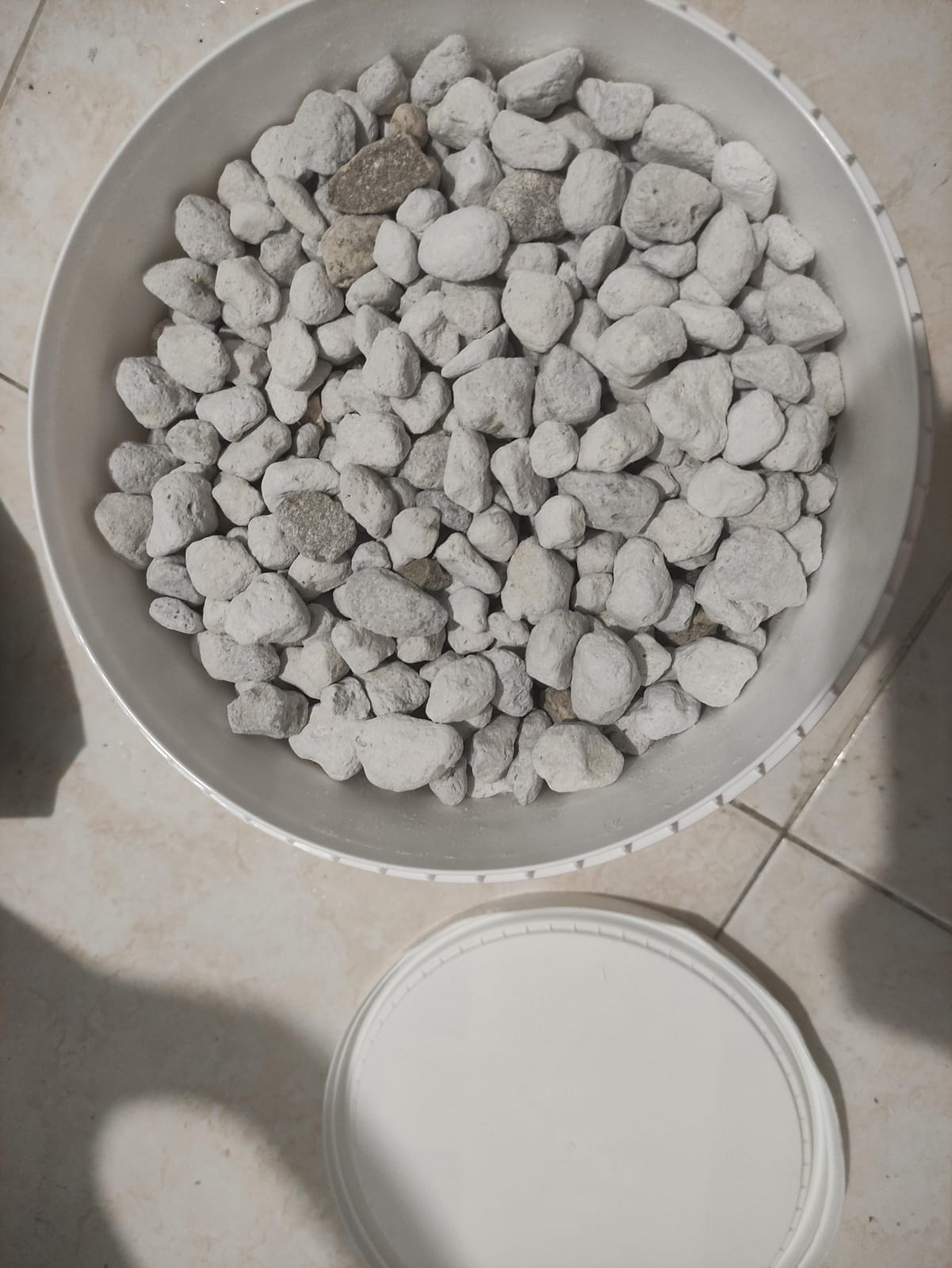
Matrix is the media I recommend when someone asks which bio media does the most work per unit of basket volume. The manufacturer claims over 170 square feet of surface area per liter, equivalent to more than 10 gallons of typical plastic ball media.
The claim that interests me more is structural. Matrix has a macroporous internal pore structure, so bacteria colonize inside the media rather than on the outside. That is meaningful in a canister, where flow shear is exactly what strips bacteria off loose ceramic surfaces and keeps your filter from ever fully maturing.
At 4.8 with 89 percent five-star ratings, this is the highest five-star share of any product here. Long-term reviewers describe a decade or more of continuous use and report measurable nitrate reduction in high-bioload African cichlid tanks.
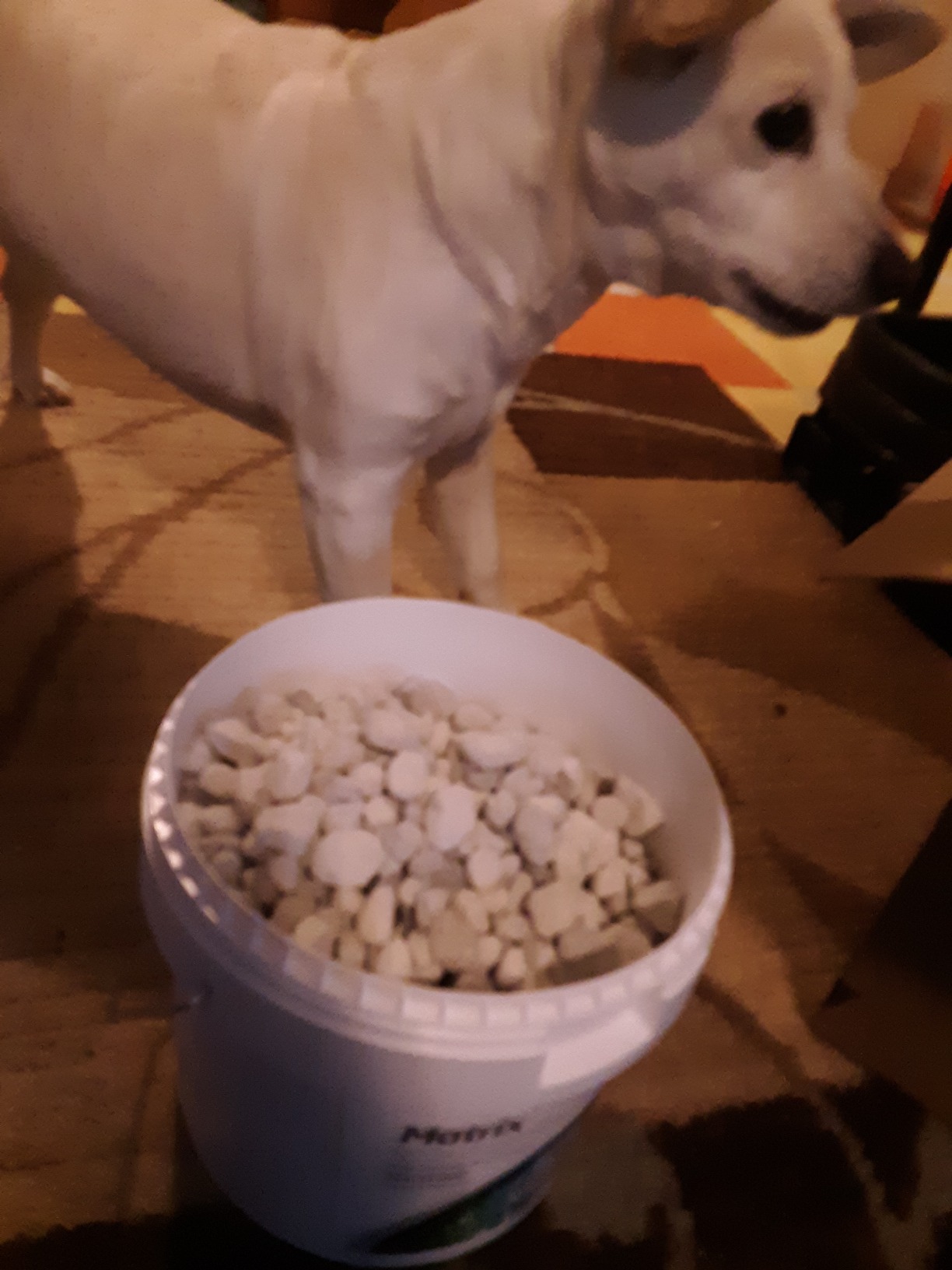
Two practical points before you buy. First, soak and rinse the media thoroughly before first use. A number of reviewers report a small amount of powder and non-porous gravel arriving in the bucket, and skipping the rinse is the most common cause of the initial floaters people associate with this product.
Second, put it in mesh bags. That keeps the media contained when you service the canister and stops it spreading across the tray floor. It also solves the complaint that Matrix bags take up more space than ring media, which several reef keepers raise on forums.
When Matrix is the right choice
Choose Matrix for a large freshwater system, a high-bioload tank, or a canister where you want a permanently installed bio bed you never have to replace. The manufacturer states it never needs replacing and can simply be rinsed when dirty.
It is also the media I would choose for a sump-fed reef, because the plate-style alternative forum users prefer for space efficiency does not fit a canister basket layout.
When to choose something else
Choose dense sintered glass instead if your canister has a high bioload and you want to move media between filters. Matrix grains are small and migrate, which makes transferring a bed to a new or temporary filter awkward.
Choose rings instead if cost per liter matters to you. Matrix costs the most per liter in this roundup, and for a first canister on a moderate budget that premium buys you features you will not measure in a 55 gallon tank.
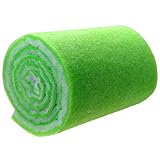
7. AQUANEAT Dual-Density Bonded Filter Floss Roll
AQUANEAT Aquarium Filter Media Pad Dual Density Bonded Filter Floss Roll Cut to Fit for Fish Tank Canister Filter 72″ x 12” x 3/4-1”
72 by 12 inch roll, 3/4 to 1 inch thick
White coarse face, green fine face
Cuts to fit any filter
Pros
- True dual-density with distinct coarse and fine faces
- Cuts to any shape for pre-filter use
- Works in freshwater and saltwater
- Holds clarity between changes
Cons
- Dry thickness varies by production batch
- Loosely packed with no protective box
- Lowest five-star share among floss rolls
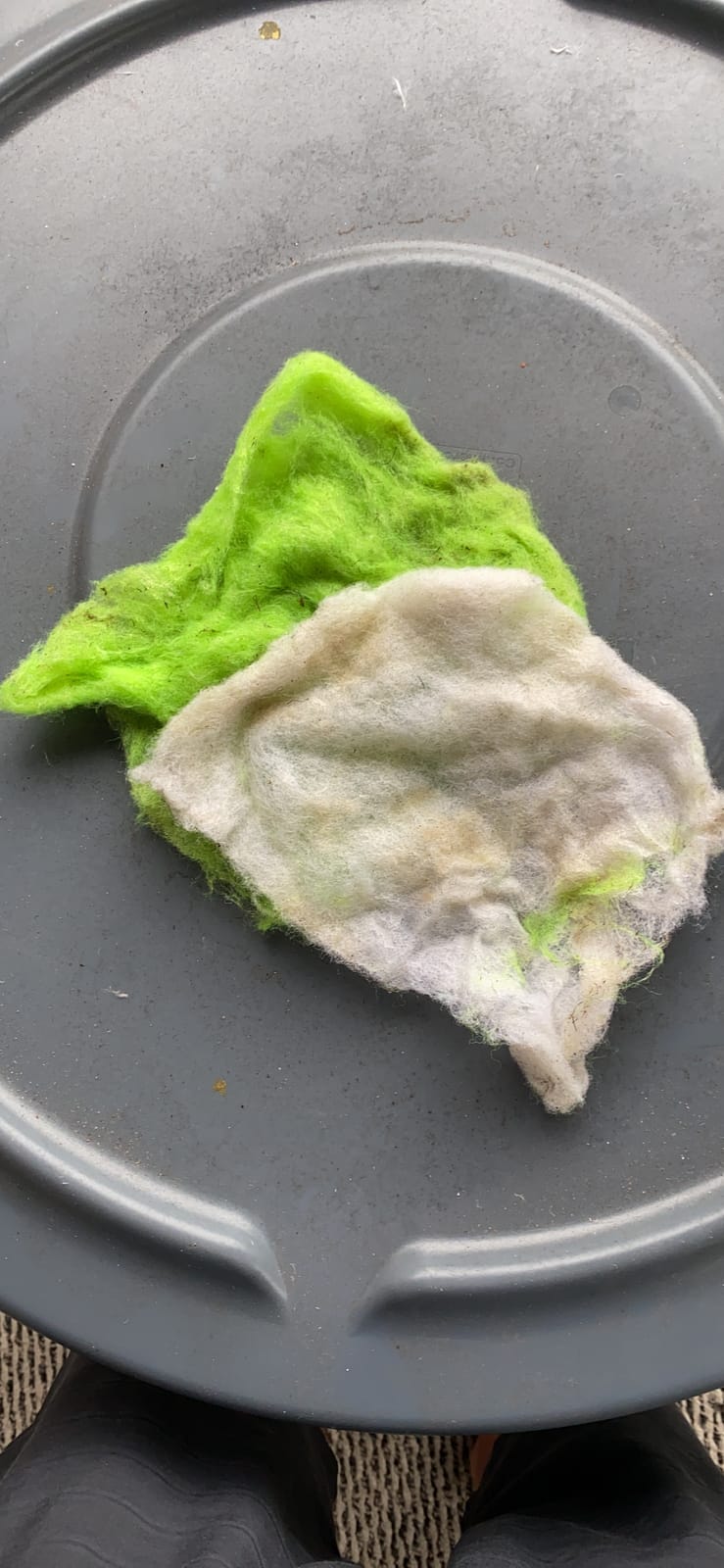
This roll is the value pick for the polishing stage. It has the same dual-density concept as the Aquatic Experts roll, with a white open-fiber face that traps larger particles and a green dense-fiber face that catches the fine ones.
It sits at 4.6 across more than 1,500 reviews. The five-star share of 74 percent is the lowest among the floss options here, which tells you where to look before buying: the complaints cluster around packaging and fit rather than filtration performance.
The two repeated complaints are specific. Pads arrive compressed and need a hot water soak before they reach full thickness, and the batch-to-batch dry thickness varies. Soak it, measure the tray, and if it sits loose fold it in half rather than accepting a gap.
Reviewers confirm it fits Cascade canisters well and works as a pre-filter, and the media holds clarity for extended periods between water changes. That is the honest case for it, and it is a good one for a tank that is not a show tank.
When this roll makes more sense than the pricier one
Choose it when you want a dual-density polish stage without committing to the higher-priced branded roll, or when you plan to use the media as a pre-filter sleeve rather than as a basket filler. Pre-filter use tolerates fit variation better than a tight basket fill does.
It works well as the second stage in a coarse-to-fine layout on tanks up to about 55 gallons, where the load on the pad is predictable.
When to pick the alternative
Pick the Aquatic Experts roll instead if you want the highest review volume in the floss category and a tighter thickness specification. Both are dual-density, and the difference between them is consistency rather than filtration design.
Skip either one if you will not open the filter weekly. Both do the same job, and both become flow restrictors within a few weeks in a messy tank.
8. AQUANEAT Bio Ceramic Rings, 6 lbs with Mesh Bags
AQUANEAT Bio Ceramic Rings 6 lbs Aquarium Sump Filter Media Fish Tank Koi Pond Canister Filter Media in 6 Free Mesh Bags
Six one-pound mesh bags
Ring size 11/16 by 5/8 inch
Freshwater and saltwater
Pros
- Hollow rings give strong flow-through
- Six mesh bags simplify handling
- Reusable zipper design on every bag
- Improves clarity within about a day
Cons
- Not a mechanical filter on its own
- Annual replacement and weekly rinsing advised
The reason to buy ceramic rings in a six-pound pack rather than loose is in the bags. Each pound comes in a reusable zipper-design mesh bag, so your entire bio-media load lifts out of the tray as one contained block instead of chasing loose rings around a wet canister floor.
At 4.7 with 80 percent five-star ratings, the reviews concentrate on that convenience. Owners report bagged rings lifting cleanly out of a center tray or a sump, and several describe noticeably clearer water within about 24 hours of installation.
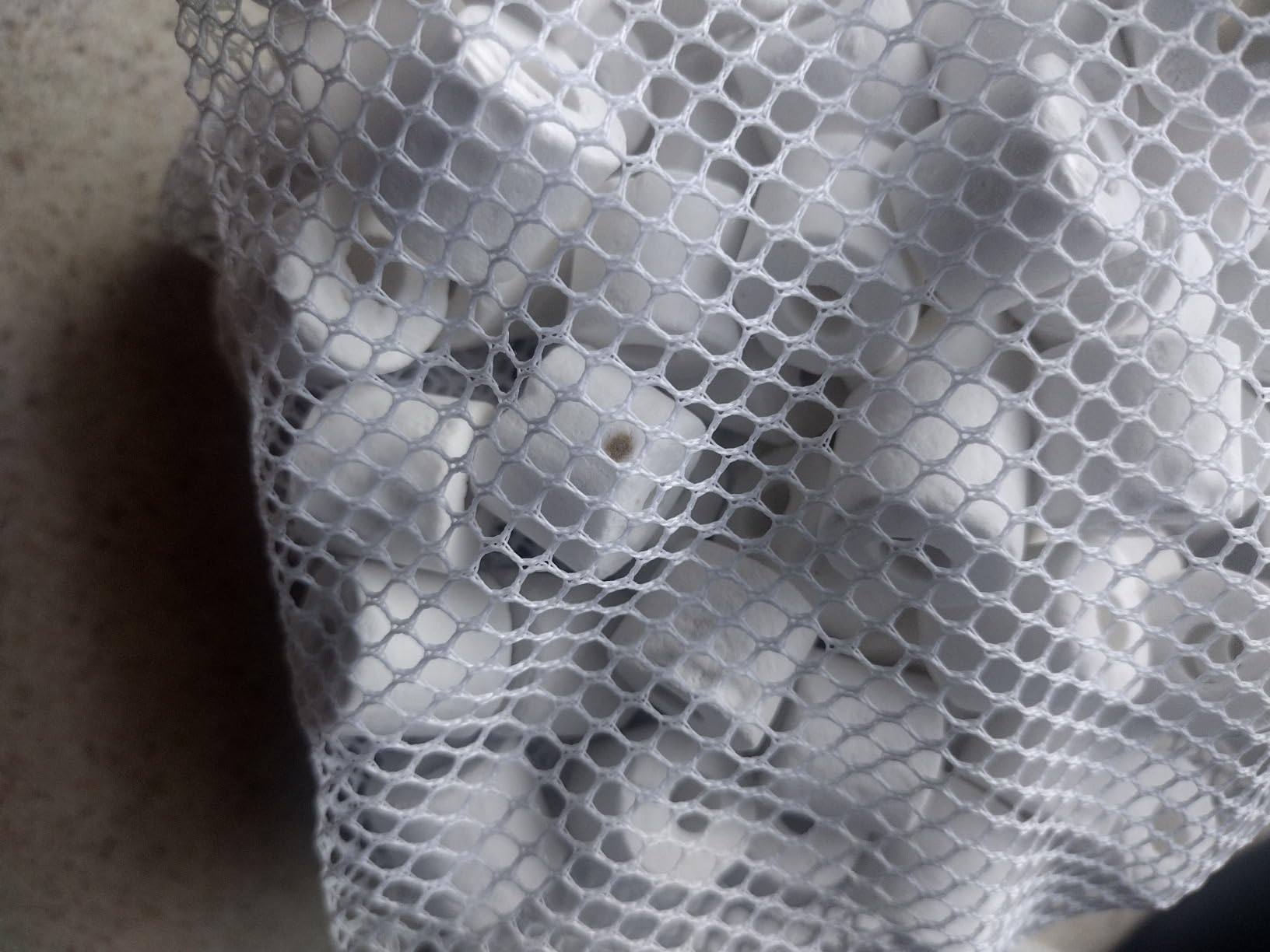
The ring geometry is sensible. Each ring measures 11/16 by 5/8 inch, and the hollow design distributes water flow while presenting surface area for colonization. In practice that means good flow-through at a realistic bio load, which is exactly what you want in a basket that also has to pass mechanical media upstream of it.
The zippers have held up through repeated cleaning according to multiple reviewers, and each bag measures 8 by 5.5 inches. That size fits standard canister trays without overhang.
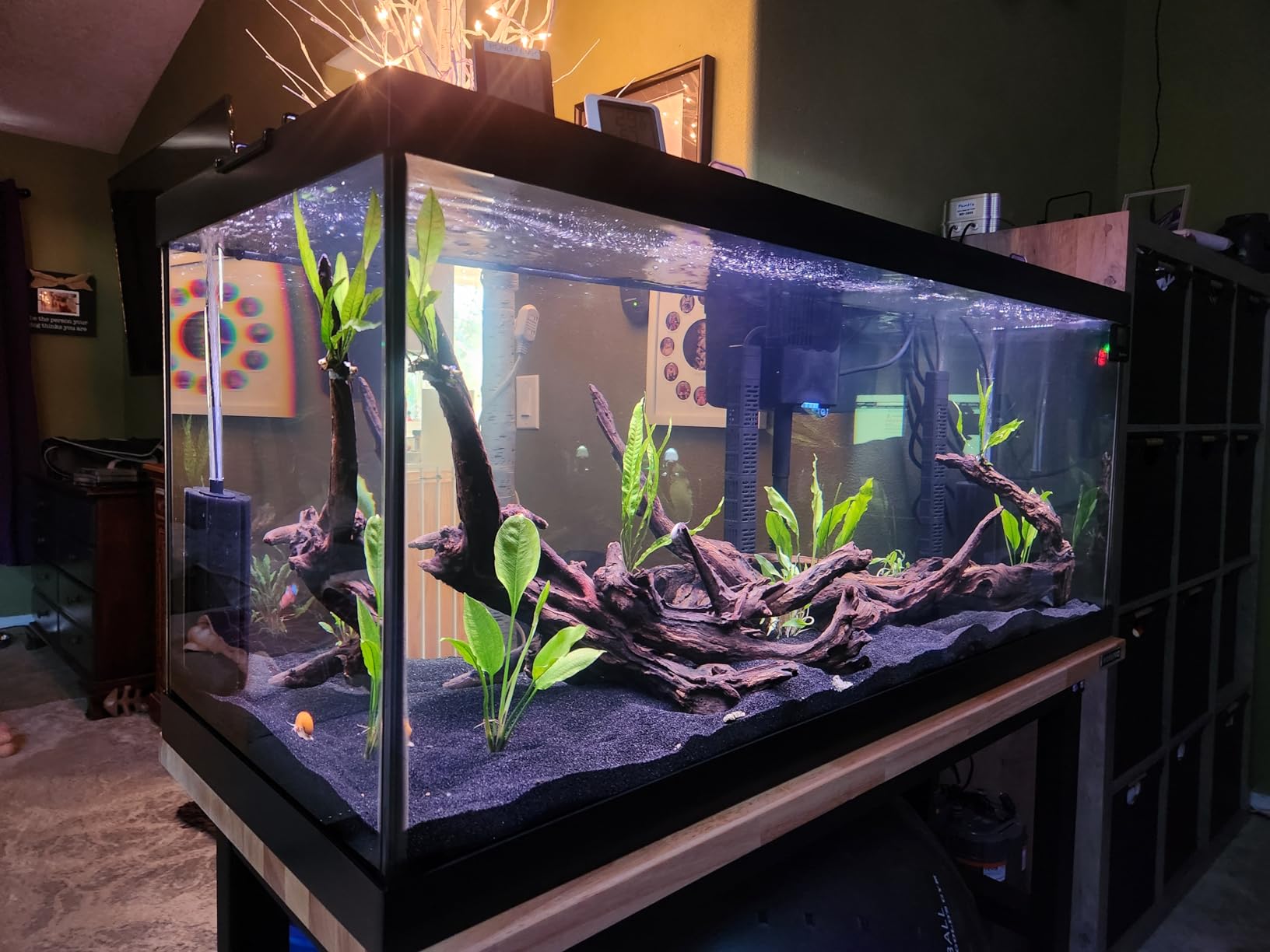
Who this media works for
This is the choice for anyone who services a canister with wet hands and dislikes loose ceramic. The bags make weekly rinsing in removed tank water a two-minute job rather than a chore.
It also suits koi ponds and larger sumps where the volume of media needed makes bags a real advantage. Six pounds is enough to fill a full tray on a 75 to 100 gallon tank.
What it will not do
Rings are not a mechanical filter. They do not trap suspended particles, and putting them in the intake basket without a sponge upstream means they clog with debris and stop doing their job.
Expect to replace them annually and rinse them weekly, which the manufacturer advises. Over a long cycle you can rinse old rings into a new bag instead of discarding them, which stretches the purchase considerably.
9. CNZ Aquarium Filter Media Kit, Double Pack
CNZ Aquarium Filter Media Kits (Double Pack) – Activated Carbon, bio Ball, Ceramic Ring, CNZCBR2PK
Carbon, ceramic rings and bio-balls
Five pound pack
Removes odors and medications
Pros
- Bundles all three media types in one order
- Carbon handles odors
- colors and medications
- Rings plus bio-balls cover both bio styles
- Convenient for filling empty trays
Cons
- Fixed ratio cannot be adjusted per tank
- No separate bags included for the carbon
- Not a deep dive on any single medium
This kit is the answer to a specific situation: an empty canister tray and a single order to fill it. It contains two bags of activated carbon, two packs of ceramic rings and two of polypropylene bio-balls, weighing five pounds in total.
At 4.7 with 83 percent five-star ratings, the appeal is convenience rather than performance. Owners buy it to fill empty trays with matched media at once, and the carbon handles odors, colors, organic pollutants and residual medications.
When the kit is the right buy
Buy it when you are setting up a canister from empty and want a complete chemical and biological baseline without ordering six things. It also suits a tank that has been running on bare baskets and needs a proper stack quickly.
The bio-balls add a nice secondary benefit to the rings, since the manufacturer describes them as increasing dissolved oxygen levels, which helps in a deeper tray where flow is slower at the bottom.
When the fixed ratio works against you
The main limitation shows up in tanks with heavy chemical demand. Chemical media needs replacing far more often than biological media, and a fixed bundle means you end up buying rings you do not need every time you replace carbon.
Also note there are no separate bags in the carton for the carbon, so loose carbon needs a media bag before it goes into a tray. Plan for that step or buy bags separately. For a tank you have already tuned, individual media choices serve you better than a preset ratio.
10. ALEGI Aquarium Sponge Filter Pad
ALEGI Aquarium Sponge Filter Pad, Bio Filter Media Foam Sponges
20 by 20 inch sheet, 20 PPI variant
Also in 35 and 50 PPI
Washable and reusable
Pros
- Large sheet yields plenty of cut-to-fit media
- High-density sponge captures particles well
- Cuts cleanly to fit canisters and sumps
- Reusable which lowers long-run cost
Cons
- Ships vacuum-sealed and looks flat until soaked
- Sheet is thin at the 1 inch thickness
- Needs weekly rinsing in summer
This is the budget mechanical option and the one I recommend to anyone who wants a large volume of coarse sponge for the intake basket. The sheet measures 20 by 20 inches, and at 4.6 with 82 percent five-star ratings the praise is consistent: a lot of usable media that cuts to whatever shape you need.
Density choice is the useful part. The featured variant is 20 PPI, and the same pad is available in 35 PPI and 50 PPI at 1 inch or 1.57 inch thickness. That gives you a coarse basket and a finer basket from the same product family.
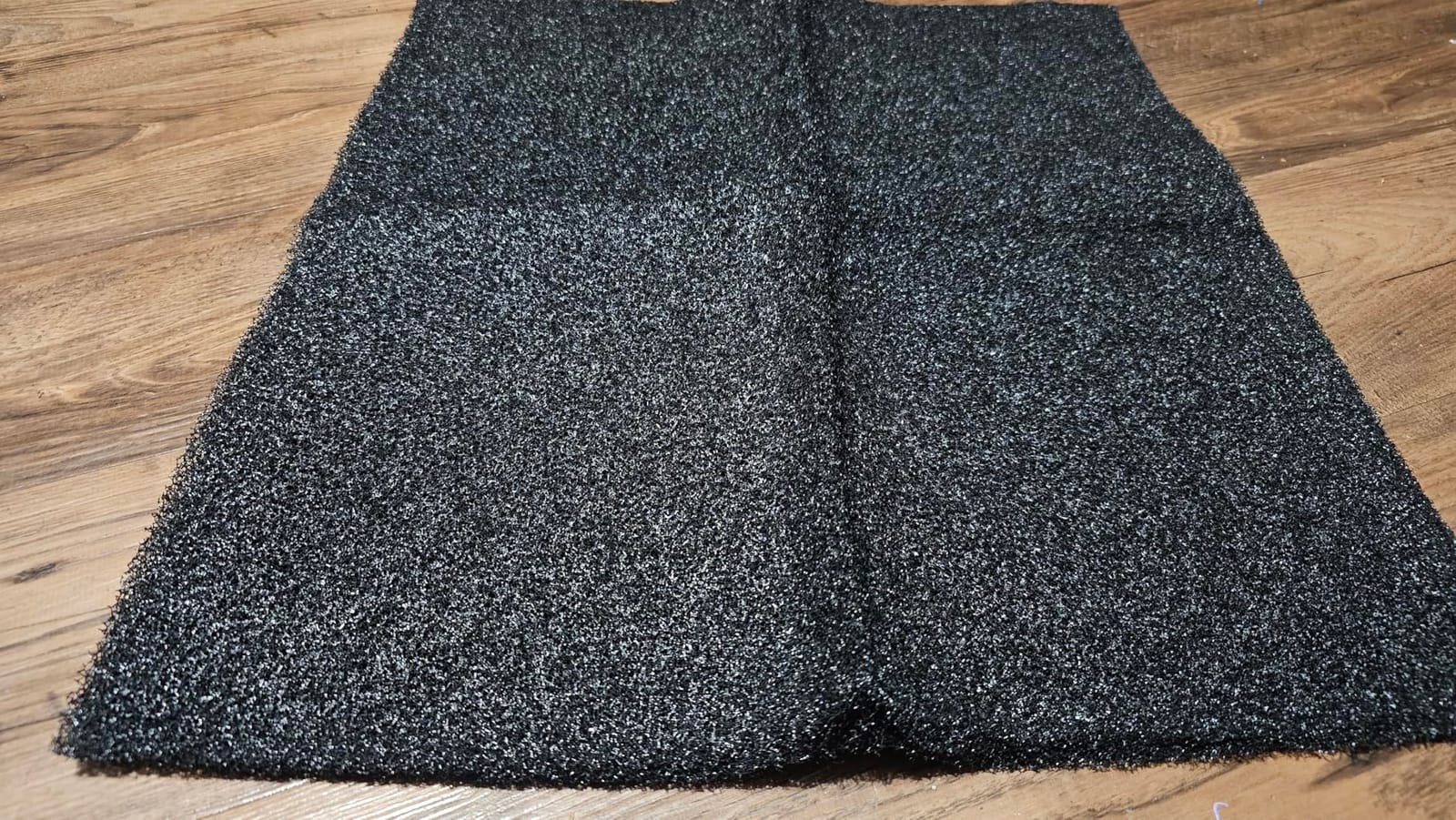
The critical handling note: the pad is vacuum-sealed on arrival and arrives flat. Soak it in hot water and run a dryer cycle on it, and it reaches its stated thickness. Most of the negative reviews about flat or deformed foam come from skipping that step rather than from a defective product.
Once expanded, it cuts cleanly with a blade and sits well in a canister tray or sump compartment. The material is described as resistant to deformation and dissolution in water, which matters over a multi-year service life.
When the sponge is the right pick
Choose 20 PPI for the intake basket in any freshwater tank, and higher density for the outlet basket where you want finer screening. On a planted tank with a messy foreground, the coarse layer does most of the work and you can save fine floss for the polishing stage.
It is also the right choice if your budget is limited and you intend to keep the same sponge for years. Washable and reusable media changes the cost calculation entirely once you compare it to pads you throw away monthly.
What to watch
Watch flow rate in summer. With a heavier bioload, a coarse sponge needs weekly rinsing or it starts restricting GPH noticeably. Check your turnover before and after a rinse so you know where your filter actually sits.
At the 1 inch thickness some reviewers feel the sheet is thin for the price. If your tray is deep, buy the thicker variant or use two layers rather than one.
11. Biohome Ultimate Sintered Glass Media, 1 lb
Biohome Ultimate Filter Media (1 LB) Premium Aquarium & Pond Filtration
One pound of sintered glass media
Highly porous structure
For aquariums and ponds
Pros
- Very high porosity for colonization
- Breaks down ammonia and nitrite
- Free of chemicals and additives
- Durable enough for years of use
- Works in canisters
- sumps and trickle filters
Cons
- Finer grain than rings or balls so it traps debris
- Highest price per pound among the glass options
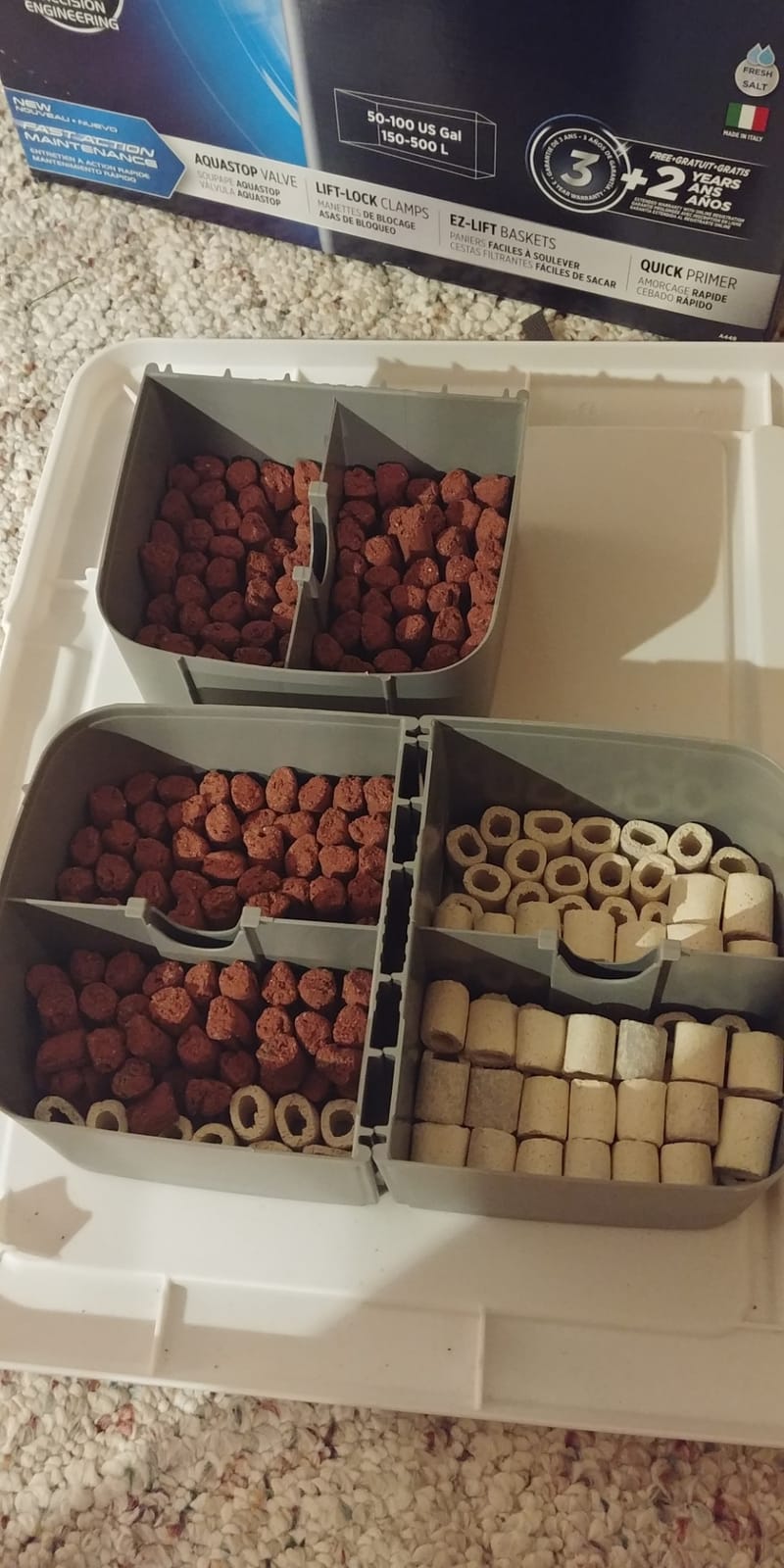
Sintered glass is the densest bio media in this roundup, and that density is both its strength and its maintenance requirement. At 4.7 with 84 percent five-star ratings across more than 1,400 reviews, buyers consistently describe it as a long-term replacement for plastic or ceramic media.
The construction is the point. It is sintered rather than molded, so the highly porous structure provides a large surface area for bacterial colonization, and it breaks down ammonia and nitrite. It is also free of harmful chemicals and additives, which matters on tanks with sensitive species or live plants.
Also offered in 2 lb and 5 lb sizes, so a larger canister is not a problem. The media integrates into canister filters, sumps and trickle filters, and works in ponds as well as aquariums, which makes it a reasonable choice if you run both.
The recurring caveat in reviews is about the grain. Because it is finer than ring or ball media, it captures debris on its surface and needs regular rinsing to protect flow rate. Put it in the last basket behind your mechanical stage and it stays clean far longer.
Why forum users rate this highly
Fishlore members regularly place Biohome alongside Seachem Matrix as the top contenders in this category, with the observation that Biohome performs marginally better for anaerobic bacteria because the grain is larger. That is a fair summary of why high-bioload keepers gravitate here.
It is also the media I prefer when I want to move a bio bed between filters or into a temporary quarantine container. Larger grains stay put and drain properly, unlike the very fine stuff.
When to pick Matrix instead
Pick Matrix when basket volume is tight or when you want bio media you will never replace. Sintered glass needs periodic replacement and it costs more per pound than the ceramic options here, so over a long ownership period the recurring cost adds up.
Whichever you choose, rinse it in water removed from your tank rather than under the tap. Chlorinated tap water kills the colony you are trying to preserve.
12. Penn-Plax Cascade Filt-a-Pack Media Bag with Bio Rings
Penn-Plax Cascade Filt-a-Pack Aquarium Canister Filter Media Bag with Bio Rings – 10 Oz – 1-Pack
Nylon mesh bag, 10 ounces
Pre-filled with bio rings
Drops into a Cascade basket
Pros
- Removes the loose media mess in a tray
- Mesh supports anaerobic colonization
- Compact and easy to handle
- Drops straight into a Cascade basket
Cons
- Only 10 oz per pack so several are needed
- Mesh bag itself is a consumable
- Smallest review base among the leading options
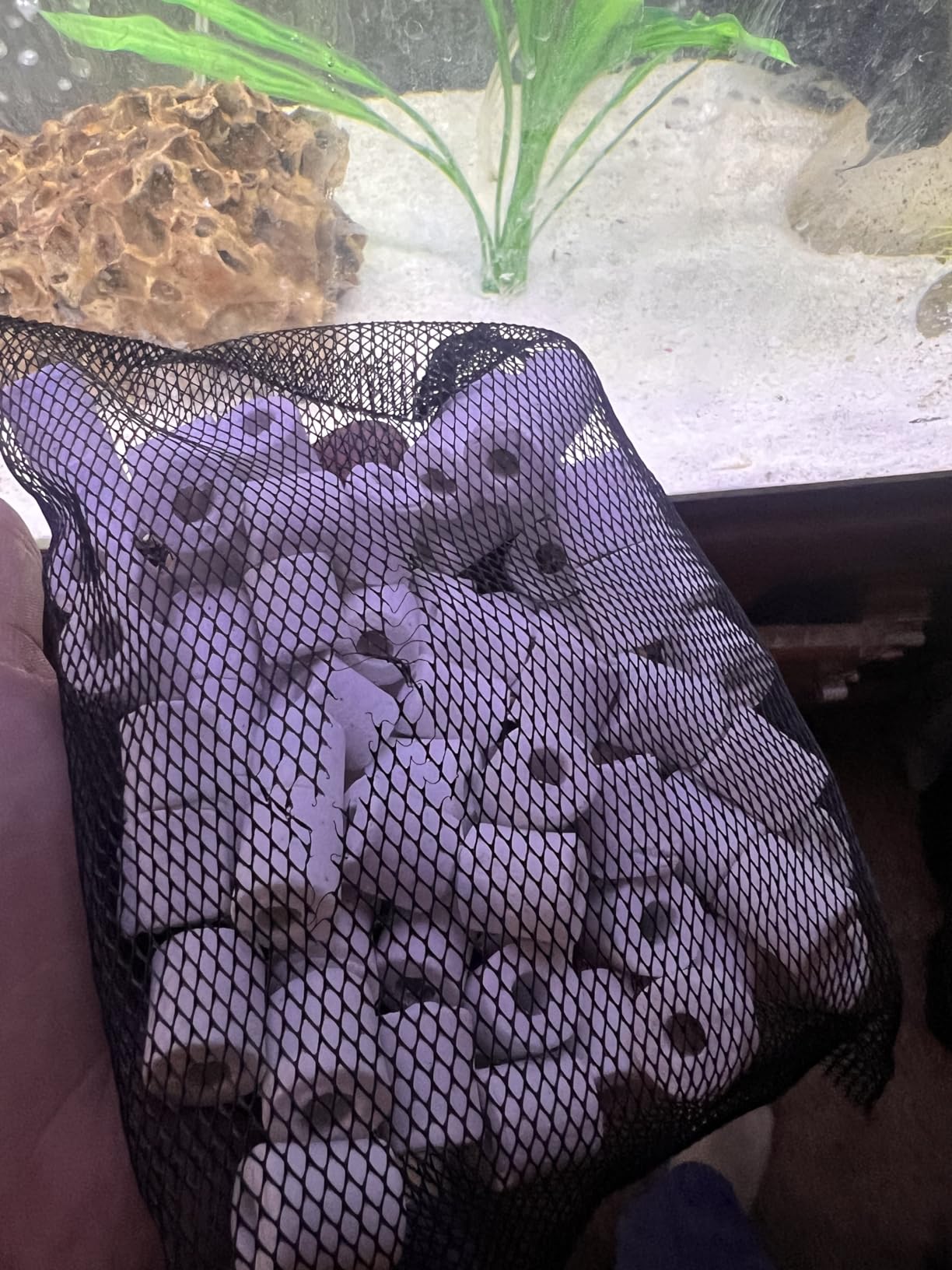
This is a pre-filled nylon mesh bag of bio rings, sold as a 10 ounce single pack, and it exists to solve one problem: loose rings in a canister tray. The bag lifts out as a unit, so you are not fishing wet ceramic out of a basket with your fingers.
At 4.7 with 80 percent five-star ratings, the reviews focus on that contained format. The mesh supports anaerobic bacterial colonization, which is where a good share of the nitrate reduction in a mature canister happens.
The cleaning guidance on the product is the right technique and worth repeating: if the rings clog, clean them in a separate container using water from your own aquarium. Rinsing bio media under chlorinated tap water undoes the colony you spent months building, and this is the single most common cause of the cloudy water that shows up after a filter service.
The limitation is pack size. Ten ounces fills part of a larger tray, so a 100 gallon tank with a big biological basket needs several of these. The mesh bag is also a consumable that can wear or tear over time, so check it when you rinse.
Who should buy this
Buy it if you run a Cascade canister and want bio media that is already contained. It drops straight into the tray, it needs no media bag of your own, and it suits a tank where you want the biological stage handled cleanly.
It also works as a simple top-up when your established bed needs more surface area without a full media change.
When a larger pack suits you better
Choose the six-pound bagged ceramic rings instead if you want to fill a full biological basket in one purchase. You pay more per pound but you get reusable bags sized for canister trays and a much lower cost per unit of media.
For a first canister build, buy one of each style and compare how they handle before committing to a supplier. Review counts here are thinner than the leaders, so treat it as a low-risk trial rather than a long-term anchor.
Canister Filter Media Buying Guide
Media selection is a balancing problem between three competing demands: capture fine particles, keep flow rate high, and host enough bacterial surface area to handle your bioload. Everything below comes back to those three numbers.
Understanding PPI, GPH and turnover rate
PPI means pores per inch, and it describes how tightly packed a sponge is. A low PPI sponge has large pores and a high PPI sponge has small pores. GPH is gallons per hour, the rated flow of your filter, and turnover rate is how many times your filter passes the entire tank volume in an hour.
As a working rule, 30 PPI is the practical default for a planted freshwater canister. Coarser than 20 PPI lets more particles through to the next stage, and finer than 40 PPI clogs fast enough to need its own pre-filter. These thresholds are widely repeated in planted tank guidance and they match what I see in practice.
Measure your real turnover rather than trusting the sticker. Fill a bucket, run the filter, and time it. That number is your baseline, and if it drops by half after a month of service, your media is too dense for the flow your canister delivers.
How much media fits in each basket
Fill each basket to roughly two thirds and keep water able to pass over the top. This is the sizing rule that keeps your GPH intact, and it matters more than any brand recommendation.
Over-stuffing is the most common cause of a flow rate collapse. A canister stuffed to the brim with fine floss will push water through slowly enough that detritus settles in the plumbing, which is exactly how a canister becomes a nitrate trap.
For a 40 to 55 gallon tank, a coarse sponge in the intake basket, a floss pad folded once in the middle basket, and bio media in a mesh bag in the outlet basket is a complete stack that will not choke your flow.
Media stack templates by tank size
Nano under 20 gallons: one coarse sponge pad cut to fit, half a cup of bio media in a mesh bag. Skip chemical media entirely in a small cycled tank.
40 to 55 gallons: coarse sponge intake basket, one dual-density floss pad middle, bio media filling the outlet basket to two thirds.
75 to 100 gallons: coarse sponge plus a second sponge layer intake, floss middle, one full basket of bio media outlet, and a chemical bag when a tank problem calls for it.
100 gallons and above: coarse sponge intake, floss middle, bio media in two mesh bags outlet, plus a separate pre-filter sleeve on the intake tube for messy freshwater or high-bioload species.
Does expensive bio media actually beat plain foam?
Mostly no, in the tanks most people own. Two hours of reading planted tank forums will tell you the same thing: complex media layouts give an aquarist a good feeling without a measurable increase in performance.
A well-maintained coarse sponge hosts plenty of bacteria for a freshwater tank up to about 55 gallons, and the bacteria do not care which brand the sponge came from. The measurable difference between ceramic rings and a mature sponge shows up in high-bioload systems, in tanks with heavy feeding, and where you want a bio bed you can move between filters.
The real decision variable is not price. It is how often you will open the filter. A dense layout that you rinse weekly beats an over-engineered layout you leave alone for two months, and that is the honest verdict for most hobbyists.
It is also worth pricing the running cost rather than the sticker price. Media that must be replaced monthly carries a much larger annual cost than a durable option rinsed weekly, and premium media that never needs replacing eventually comes out ahead in the same household.
Freshwater planted, reef and brackish differences
Planted freshwater favors mechanical capacity and a real bio bed, with chemical media used only for specific problems. Reef setups need careful mechanical pre-filtering because a canister with low flow accumulates detritus, and a chemical bag plus a skimmer usually handle dissolved organics better than carbon alone.
Brackish sits between the two. Mechanical filtration matters more here than in a reef because feed tends to break down differently, and bio media must handle a wider range of salinity without the colony shifting.
If you are weighing broader home water treatment, our guide to whole house water filtration for well water covers the point-of-entry systems that sit upstream of anything aquarists use, and water test kits for well water explains how to read the results before they ever reach your tank.
Maintenance and replacement schedule
Here is the schedule I actually work to. It differs from the manufacturer guidance on some products, and I have noted where that is the case.
Weekly: rinse coarse sponge and floss pads in removed tank water. Check the spray bar and intake for debris.
Monthly: rinse bio media gently in removed tank water. Fluval suggests replacing ClearMax and BioMax monthly, which I do not do, since rinsing preserves the colony.
Every 2 to 4 weeks: replace activated carbon if it is in the stack. Carbon left past saturation does nothing and can release what it absorbed.
Every 6 to 12 months: replace ceramic rings and sintered glass media, or rinse old media into fresh bags and mesh to stretch the cycle.
Never: replace Matrix unless it is physically damaged. Rinse it when dirty.
Boost your rinse frequency in summer. Bioload rises with temperature, and a sponge that survived a winter can choke a filter in a week of hot weather.
Seeding new bio media so you do not cause a mini-cycle
A new filter does not kill your cycle, but throwing away a mature bed and starting with sterile media does. Here is the technique I use every time I swap media.
Keep the old bio media submerged in a container of tank water rather than rinsing it dry.
Place the old media in a mesh bag and set it in the new filter’s outlet basket next to the fresh media.
Add the new media alongside it rather than in place of it, so both are colonized.
Remove the old media after four to six weeks, once the fresh media is established.
This keeps ammonia at zero through the swap and removes the cloudy-water spike that people often blame on the filter.
Cloudy water after a filter clean
If your water turns milky right after servicing the canister, the cause is a bacterial bloom, not a failure. Disturbing a mature media bed and increasing dissolved oxygen feeds heterotrophic bacteria faster than the filter can catch them, and they give the water that white appearance.
The fix is time and bacteria food, not more filtration. Stop feeding for a day or two, run carbon if you have it, and do not rinse your bio media again. It clears in a few days once the bloom is consumed.
Green water is different. That is an algae bloom driven by light and nutrients, and no media stack fixes it. Cut light exposure, reduce feeding, and change water. Media helps afterwards by removing the detritus the algae left behind.
Five mistakes that cost you clarity
Putting chemical media before biological media. Carbon upstream strips the organics bacteria feed on and removes medication before it finishes working.
Over-stuffing baskets. Packing media to the brim drops GPH and turns the canister into a detritus trap.
Rinsing bio media in tap water. Chlorine kills the colony you spent months building and is the leading cause of post-clean cloudiness.
Leaving spent carbon in place. Saturated carbon stops working and can release stored contaminants.
Running fine media without mechanical media in front of it. Any fine stage without a coarse stage upstream clogs in days rather than weeks.
Our related guides on water filter pitchers for home use and water softeners for hard water cover household filtration, which sits in a different category from aquarium media but is useful context if your tap water chemistry is a concern.
Frequently Asked Questions
What order should filter media go in a canister filter?
Fill the basket nearest the intake with coarse mechanical sponge, then fine floss or a bonded polishing pad in the middle basket, then chemical media such as activated carbon in a mesh bag, and biological media such as ceramic rings or sintered glass in the basket closest to the outflow. Coarse first protects the fine stages from clogging. Add an optional pre-filter sleeve on the intake tube in messy tanks.
What is the best bio filter media for an aquarium?
For most freshwater tanks, Fluval BioMax is the best-supported general choice, rated 4.8 across more than 8,000 reviews, because it controls ammonia and nitrate without shifting hardness or pH. For a permanently installed bed you never replace, Seachem Matrix offers over 170 square feet of surface per liter in a macroporous structure. For high bioloads, dense sintered glass media such as Biohome Ultimate resists clogging best.
Is expensive ceramic media actually better than cheap sponge?
In a freshwater tank up to about 55 gallons with regular maintenance, a mature coarse sponge hosts plenty of bacteria and brand choice makes little measurable difference. Ceramic and sintered glass media pay off in high-bioload tanks, heavy feeding, or when you want a bio bed that can be moved between filters. The bigger factor is how often you open the filter, not what the media costs.
How much filter media should I put in each canister basket?
Fill each basket to roughly two thirds and keep water able to pass over the top. Packing media to the brim is the most common cause of a flow rate collapse, because a dense stack pushes water through slowly enough that detritus settles in the plumbing. Measure your real turnover with a timed bucket test and compare it after a month of service to see whether your media is too fine for your canister.
What is the best filter media for a marine or reef aquarium?
Reef canisters need strong mechanical filtration and careful maintenance, because low flow in a canister lets detritus accumulate and degrade water quality over time. Use coarse sponge first, then a fine floss pad, with biological media such as Matrix or ceramic rings in the outlet basket. Many reef keepers add a chemical bag alongside a skimmer and avoid permanently installed carbon, which competes with the skimmer.
Conclusion: The Best Canister Filter Media Stack for Crystal Clear Water
No single product produces crystal clear water. Clarity comes from a mechanical stage that catches debris, a chemical stage used only when a specific problem calls for it, and biological media that is never allowed to clog. Get the order right and most of the work is done for you.
For a general-purpose bio bed, I use Fluval BioMax because its 4.8 rating sits on more than 8,000 reviews and it leaves your water chemistry alone. For the polish stage, the Aquatic Experts dual-density floss roll is the one I trust because the bonded coarse and fine layers visibly clear the water. When the tank is messy enough to need chemical help, Fluval carbon handles odor and discoloration and Fluval ClearMax handles phosphate-driven algae.
Everything else on this list fills a specific gap, and none of them replace the other stages. Build the stack in the order described above, fill each basket to two thirds, and rinse in water removed from your tank. That last habit matters more than any brand choice you make.
Measure your turnover, keep a floss pad on the polishing basket, and swap your bio media in alongside the old bed instead of replacing it. That routine is what keeps the best canister filter media working for 2026 and beyond.