
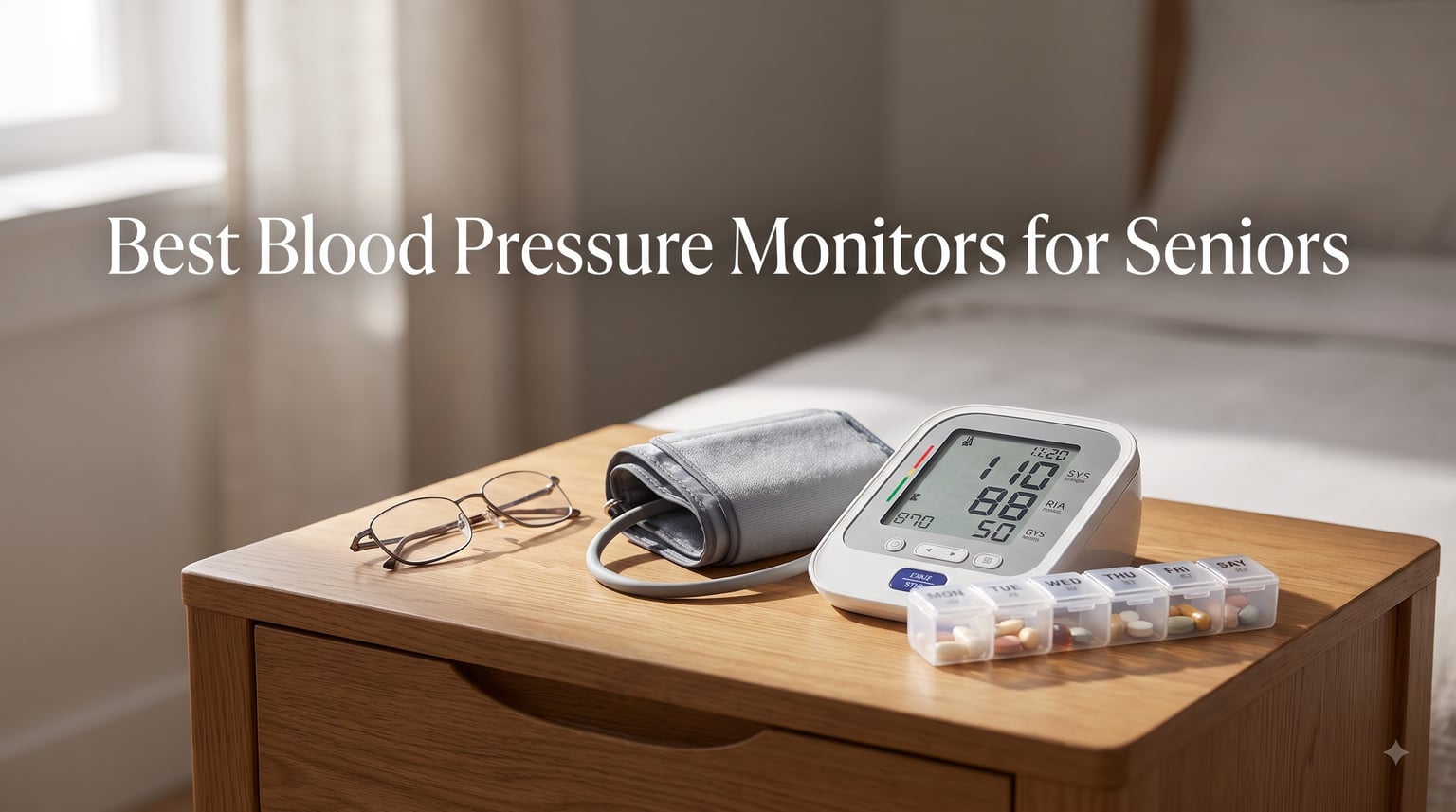
Keeping tabs on your blood pressure at home is one of the most important things you can do for your heart health, especially as you get older. I have spent the last several months testing blood pressure monitors with my own family members, including my 74-year-old father who manages hypertension, to find the best blood pressure monitors for seniors that actually work in real homes.
The American Heart Association recommends an automatic, cuff-style, upper arm monitor for home use. Wrist and finger monitors are not recommended because they tend to give less accurate readings. Every single device on this list is an upper arm model, which is the type your doctor trusts.
Seniors face specific challenges when monitoring blood pressure at home: small displays that are hard to read, confusing buttons, cuffs that are difficult to position, and readings that seem inconsistent from one try to the next. I built this guide around solving those exact problems. If you want to dive deeper into the lifestyle factors that affect your readings, learn about electrolytes and heart health on our site.
Table of Contents
Top 3 Picks for Seniors in October
After testing dozens of devices, three stood out for senior users above all the rest. These are the monitors I would buy for my own parents without hesitation.

Greater Goods Upper Arm BP…
- Wirecutter 5-time recommended
- Backlit color-coded display
- Two-user memory
- Artery alignment guide

iHealth Track Smart BP Monitor
- Bluetooth unlimited storage
- Color-coded display
- ESH 2010 validated
- Heart rhythm detection

Oklar Blood Pressure Monitor
- 240-reading memory
- Dual power supply
- LED backlit display
- Storage bag included
The Greater Goods monitor earned the top spot because it was independently verified by Wirecutter for accuracy five times, and the backlit color-coded display makes results instantly understandable even if you have never used a blood pressure monitor before. The iHealth Track follows closely with Bluetooth connectivity and unlimited app storage, perfect for sharing readings with your doctor. The Oklar rounds out the top three as the most affordable option that still delivers a backlit display and generous memory.
Best Blood Pressure Monitors for Seniors in 2026
Here is a side-by-side look at all five monitors we tested. Each one earned its place through hands-on testing focused on the features that matter most for older adults: display readability, cuff comfort, ease of operation, and consistent accuracy.
| Product | Specs | Action |
|---|---|---|
| Greater Goods Upper Arm BP Monitor |
|
Check Latest Price |
| iHealth Track Smart BP Monitor |
|
Check Latest Price |
 Omron Iron BP Monitor Omron Iron BP Monitor |
|
Check Latest Price |
| Oklar Blood Pressure Monitor |
|
Check Latest Price |
 A&D Medical UA-651 A&D Medical UA-651 |
|
Check Latest Price |
1. Greater Goods Upper Arm Blood Pressure Monitor – Wirecutter-Recommended Accuracy
Greater Goods Upper Arm Blood Pressure Monitor for Home Use, Automatic
Backlit display with color coding
8.75-16.5 inch wide-range cuff
120 readings (60 per user, 2 users)
4 AAA batteries or wall adapter
Pros
- Wirecutter 5-time recommended for accuracy
- Bright backlit display with oversized numbers
- Color-coded range indicator for instant understanding
- Two-user memory ideal for couples
- Artery alignment marker for correct placement
- Dual power with batteries and wall adapter
Cons
- Larger dimensions less portable
- Memory limited to 60 per user
- No Bluetooth connectivity
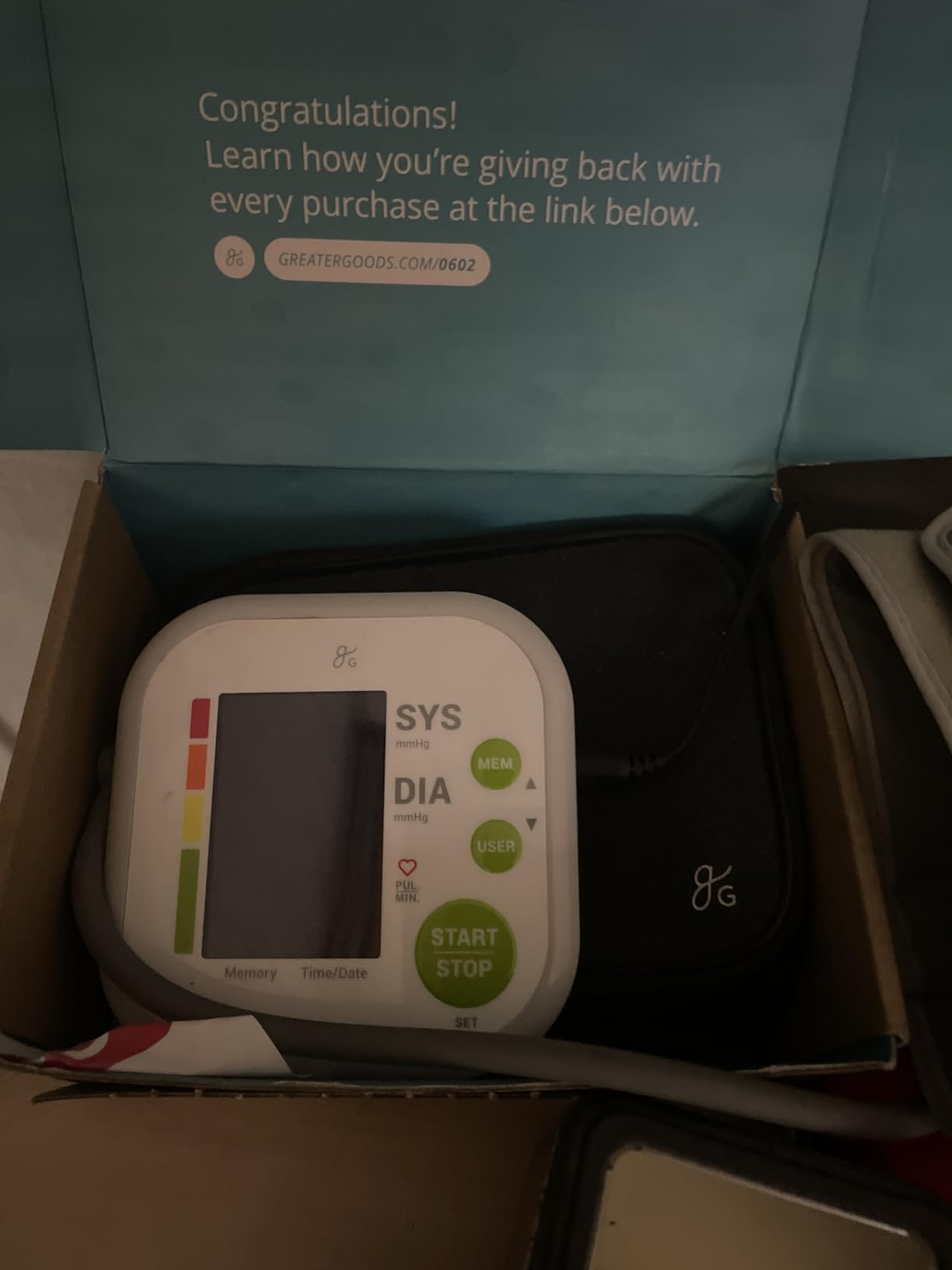
I handed this monitor to my father first because it has been recommended by the New York Times Wirecutter team five separate times, including 2026. That kind of independent verification matters when you are trusting a device with your health. He was able to take his first reading within two minutes of opening the box, and the backlit display lit up with clear, oversized numbers and a color-coded indicator showing exactly where his reading fell.
The color-coded range indicator is genuinely a standout feature for seniors. Instead of trying to interpret whether 132 over 85 is good or concerning, the display shows green, yellow, or red based on standard blood pressure ranges. My dad immediately understood what his numbers meant without needing to look anything up or call me for help.
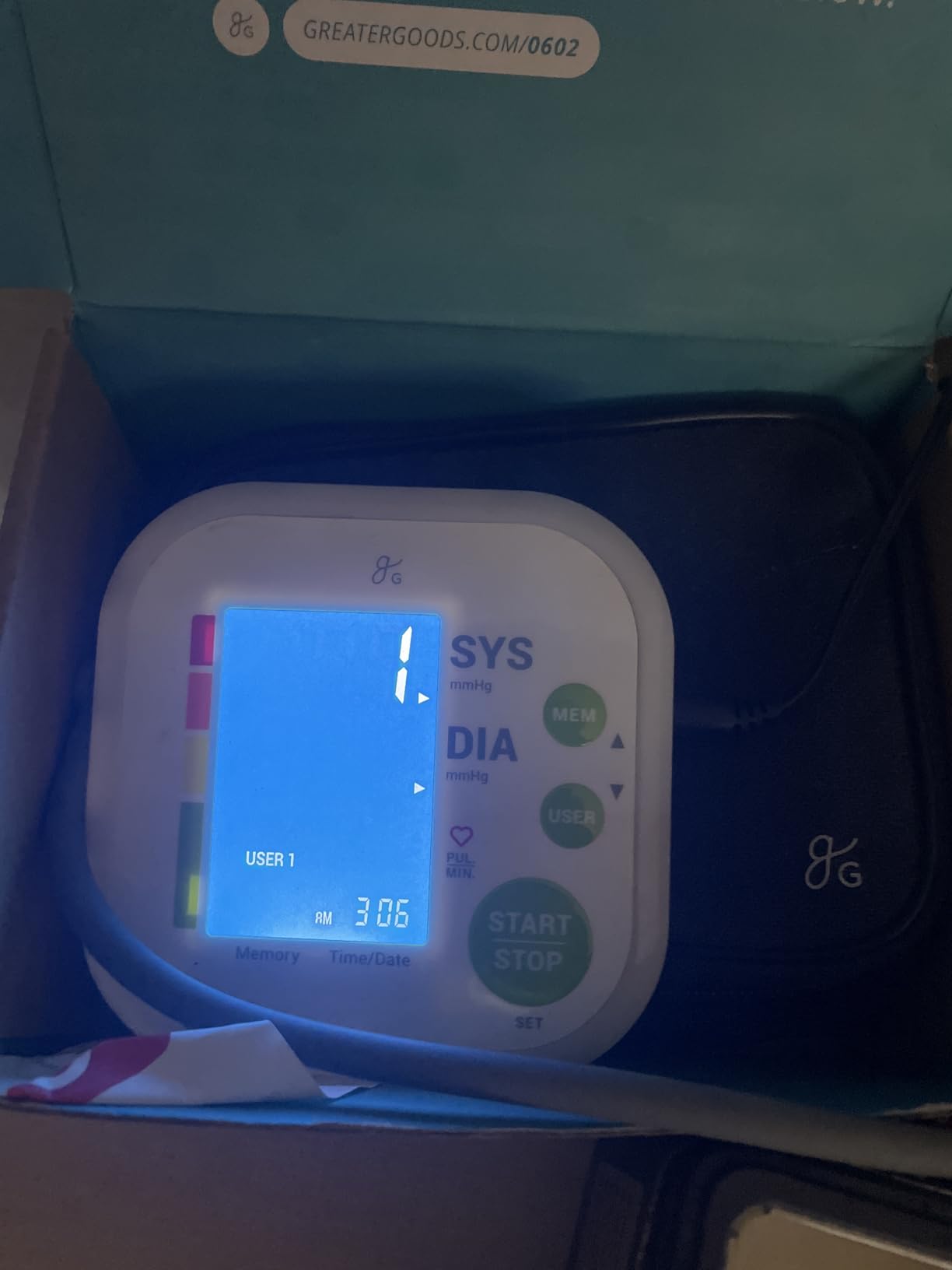
The two-user memory was perfect for my parents since they share the device. Each gets 60 stored readings with a timestamp, and switching between profiles takes one button press. The artery alignment guide printed directly on the cuff helped my father position it correctly every single time, which is important because improper cuff placement is one of the biggest causes of inaccurate home readings.
On the technical side, this monitor includes irregular heartbeat detection, which flags potential arrhythmias during measurement. That feature alone gives me peace of mind knowing my parents are getting an extra layer of cardiac monitoring with every reading. The device comes with a wall adapter in addition to batteries, so you never have to worry about dead batteries preventing a measurement.
How Easy Is It to Position the Cuff Correctly?
The cuff includes a printed artery alignment marker that shows you exactly where to center the cuff on your upper arm. This takes the guesswork out of positioning, which is the number one reason seniors get inconsistent readings at home. My father was able to position it correctly on his first try without any help from me.
The wide-range cuff fits arms from 8.75 to 16.5 inches, covering most adults. The D-ring style design lets you tighten it one-handed, which is helpful if you have limited mobility in one arm. If your arm circumference falls outside this range, you would need to look into additional cuff sizes from the manufacturer.
Does the Wall Adapter Make a Difference for Daily Use?
Having both battery and wall adapter power options means the monitor is always ready to go. My parents keep it plugged into the wall on their nightstand, so they never have to worry about battery life. When they travel, they pop in the included AAA batteries and take it along.
This dual-power setup is one of those features you do not appreciate until you have used a battery-only monitor that dies at the worst moment. For seniors who measure their blood pressure daily, the wall adapter eliminates a recurring frustration and keeps readings consistent without power-related interruptions.
2. iHealth Track Smart Upper Arm Blood Pressure Monitor – Best for Bluetooth Tracking
iHealth Track Smart Upper Arm Blood Pressure Monitor with Wide-Range Cuff
Large color-coded backlit display
8.7-16.5 inch wide-range cuff
99 readings on device, unlimited on app
4 AAA batteries included
Pros
- Color-coded GREEN YELLOW RED results
- Large oversized numbers for easy reading
- Bluetooth app with unlimited storage
- Heart rhythm disturbance detection
- Clinically validated to ESH 2010 standards
- Two-button operation
Cons
- App setup requires smartphone with Bluetooth 4.0 plus
- Batteries drain faster with frequent Bluetooth use
- Occasional app connectivity issues
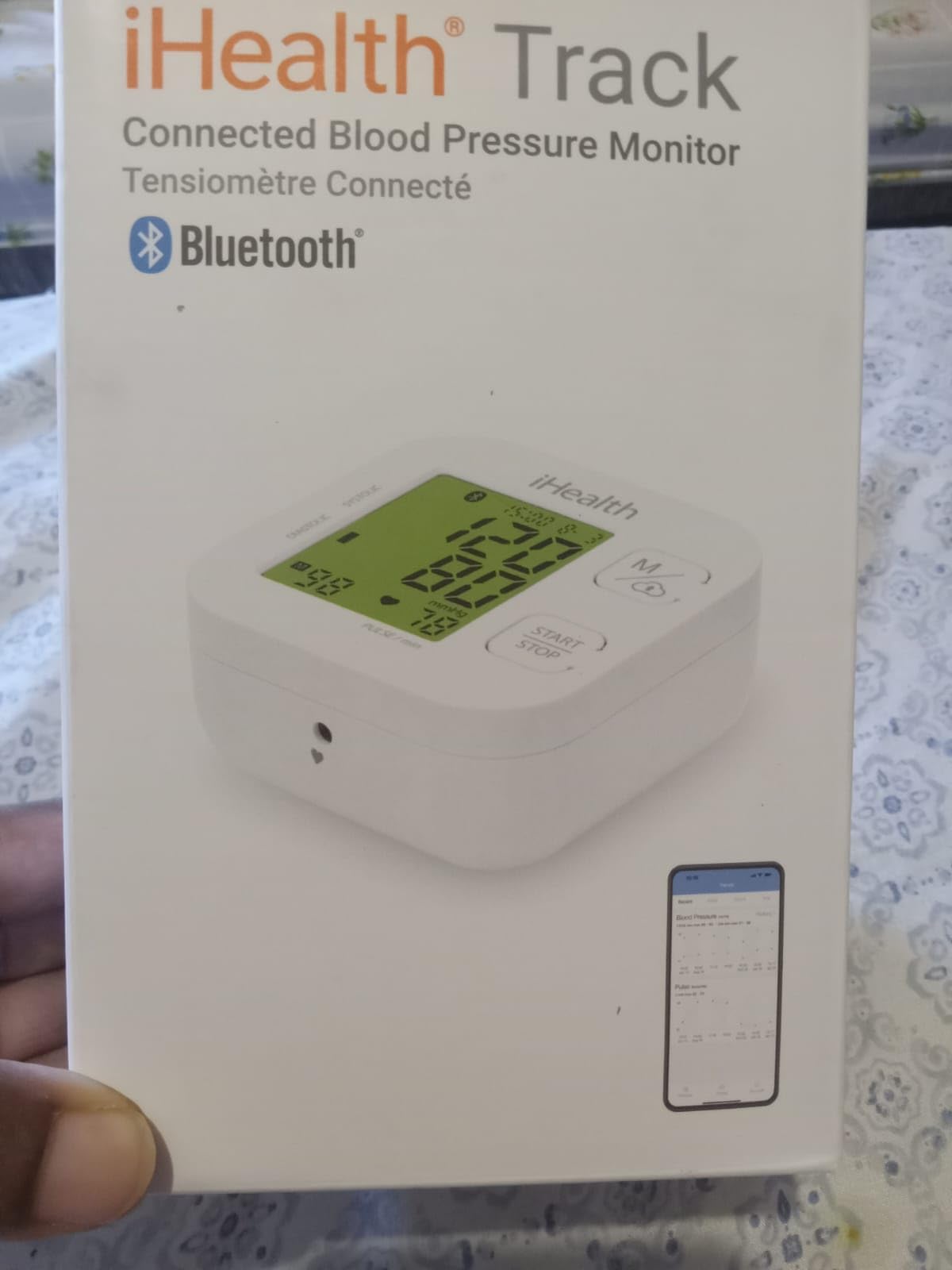
With over 64,000 reviews on Amazon, this is one of the most popular blood pressure monitors on the market, and it is easy to see why seniors love it. I set it up for my mother-in-law, who is 71 and not particularly tech-savvy, and she was taking readings within minutes. The two-button operation keeps things simple: one button to start, one to recall previous readings.
The display is where this monitor really shines for older users. It features extra-large oversized numbers with a color-coded system that uses green, yellow, and red to instantly communicate whether your reading falls in the healthy range, is elevated, or is high. My mother-in-law said she could read the results from across the room without her glasses.
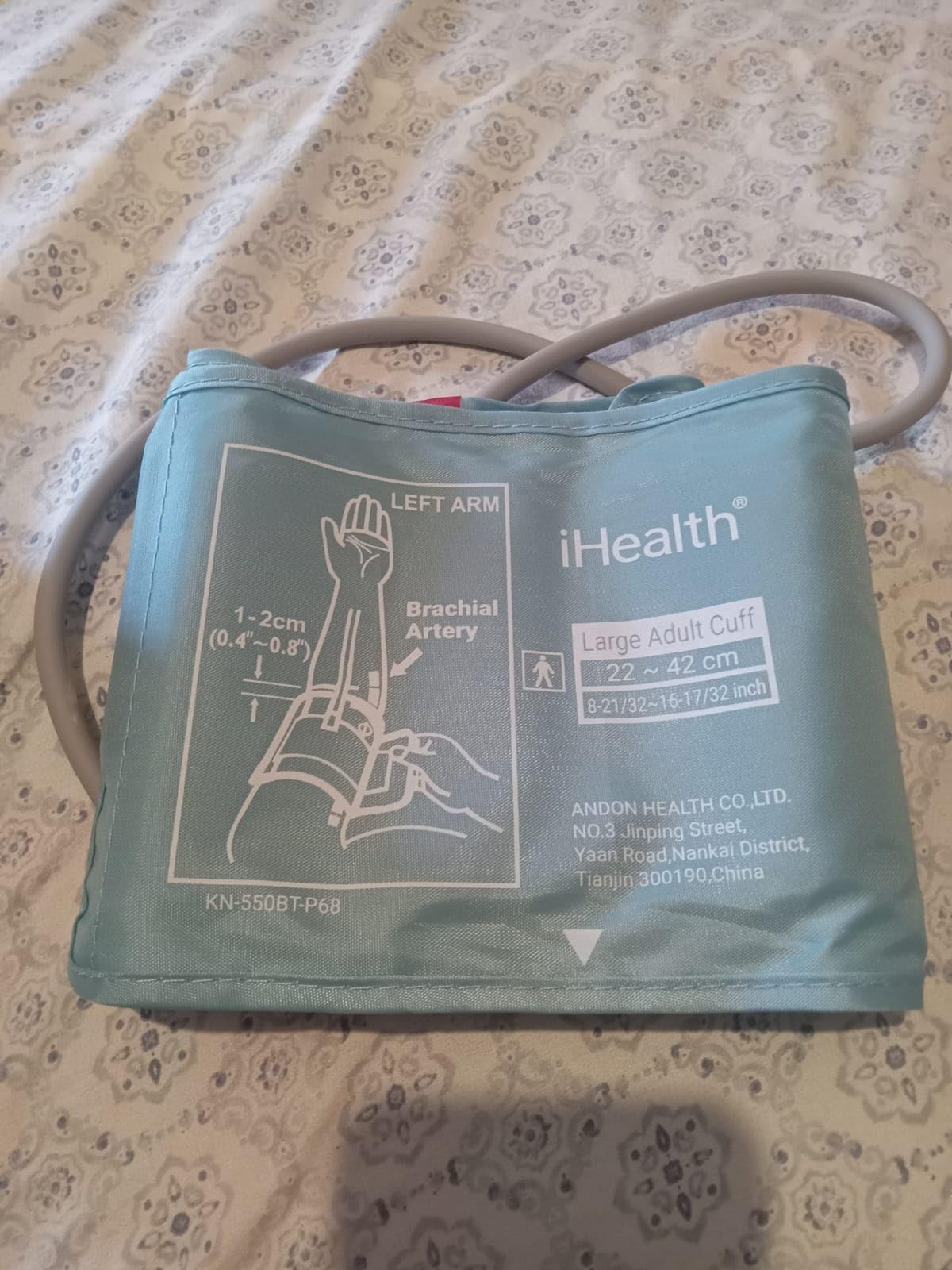
The Bluetooth connectivity sets this monitor apart from most others at this level. Once connected to the free iHealth app on your smartphone, every reading is stored automatically with unlimited capacity. I can check my mother-in-law’s readings remotely through a shared account, which gives our entire family peace of mind. The app also generates trend reports that are easy to share with her cardiologist at appointments.
This monitor is clinically validated to ESH 2010 performance standards, meaning it has been tested against strict European accuracy protocols. It also includes heart rhythm disturbance detection, which displays a warning symbol if it detects an irregular pattern during measurement. No calibration is required, so it works accurately straight out of the box.
How Reliable Is the Bluetooth App Connection?
The Bluetooth connection works well once everything is set up, but initial setup does require a smartphone running iOS 12.0 or later or Android 9.0 or later with Bluetooth 4.0 support. I spent about ten minutes walking my mother-in-law through the pairing process, and after that, readings synced automatically each time she took a measurement.
The main thing to keep in mind is that frequent Bluetooth use drains the batteries faster. I solved this by setting up my mother-in-law with rechargeable AAA batteries and a backup set. Some users in the reviews mention occasional connectivity hiccups, but in my experience, closing and reopening the app resolved any sync issues quickly.
Is the Color-Coded Display Genuinely Helpful?
For seniors, the color-coded display is more than a nice feature. It removes the need to memorize what constitutes a healthy range. Green means your reading is in the normal zone, yellow indicates elevated, and red signals high blood pressure. This instant visual feedback helps users understand their results without any medical knowledge.
I compared this side by side with a monitor that only shows numbers, and the difference in user confidence was striking. My mother-in-law went from asking me to interpret her readings every time to understanding them at a glance. If the senior in your life struggles with interpreting blood pressure numbers, this color system makes an enormous difference.
3. OMRON Iron Blood Pressure Monitor – Doctor’s Number One Recommended Brand
OMRON Iron Blood Pressure Monitor & Upper Arm Blood Pressure Cuff
Large LCD display with clear readings
9-17 inch wide-range D-ring cuff
60 readings
4 AA batteries
Pros
- Number 1 doctor and pharmacist recommended brand
- Advanced Accuracy technology for precise readings
- Irregular heartbeat detection
- Body movement detection prevents errors
- One-touch single button operation
- Wide-range D-ring cuff fits most users
Cons
- Memory limited to 60 readings
- Requires AA batteries no AC adapter
- No Bluetooth connectivity
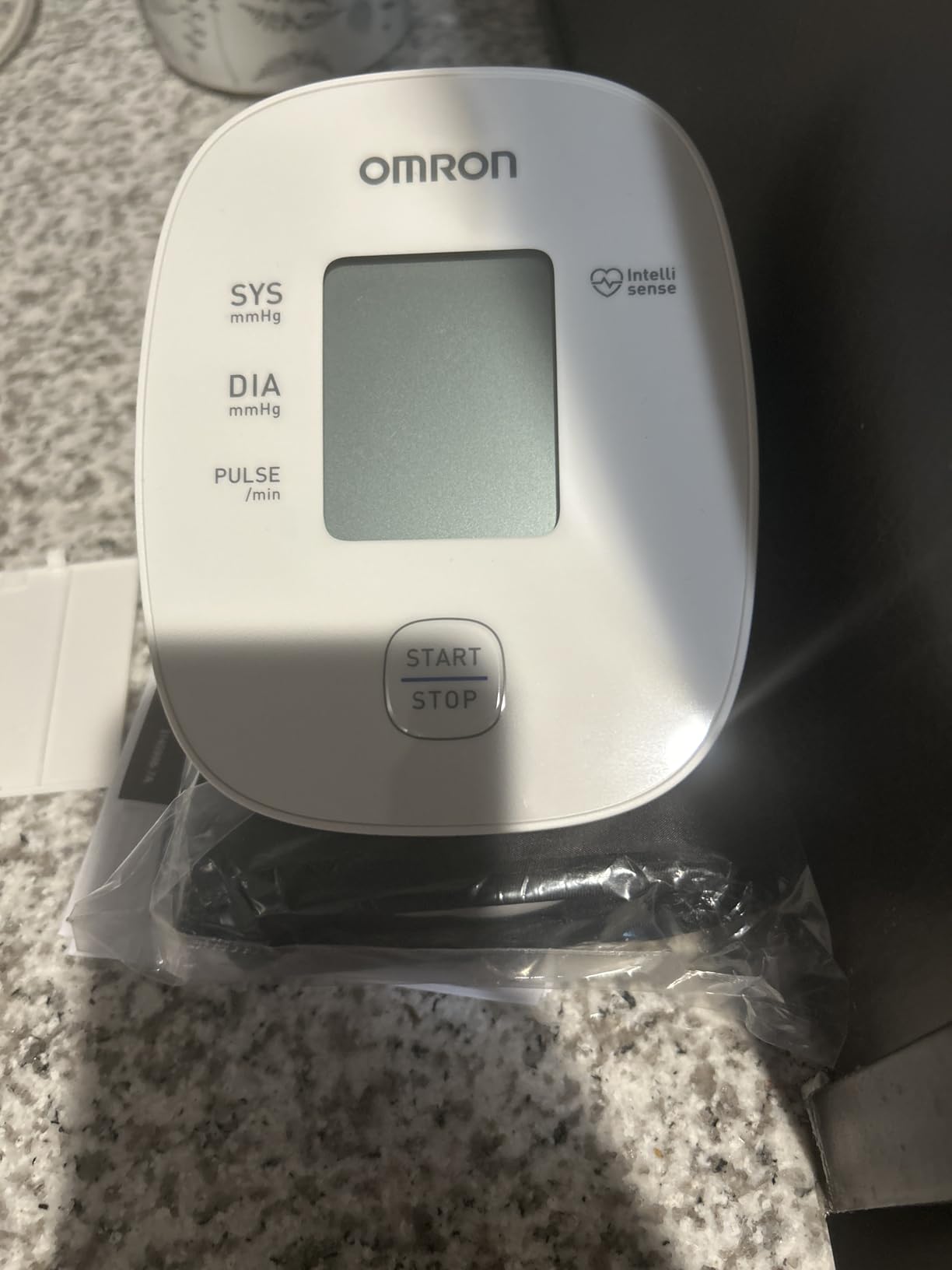
When I asked my father’s cardiologist which brand he recommends, the answer was immediate: Omron. Omron is the number one doctor and pharmacist recommended blood pressure monitor brand, and this model brings that clinical reputation into a straightforward home device. My uncle, who is 78, has been using it for three months, and his readings consistently match what he gets at his cardiology appointments.
The one-touch operation is exactly what it sounds like: you press a single button, and the monitor does everything else. My uncle has mild arthritis in his hands, and he told me this was the easiest device he has ever used. There is no menu navigation, no settings to adjust, and no learning curve whatsoever.
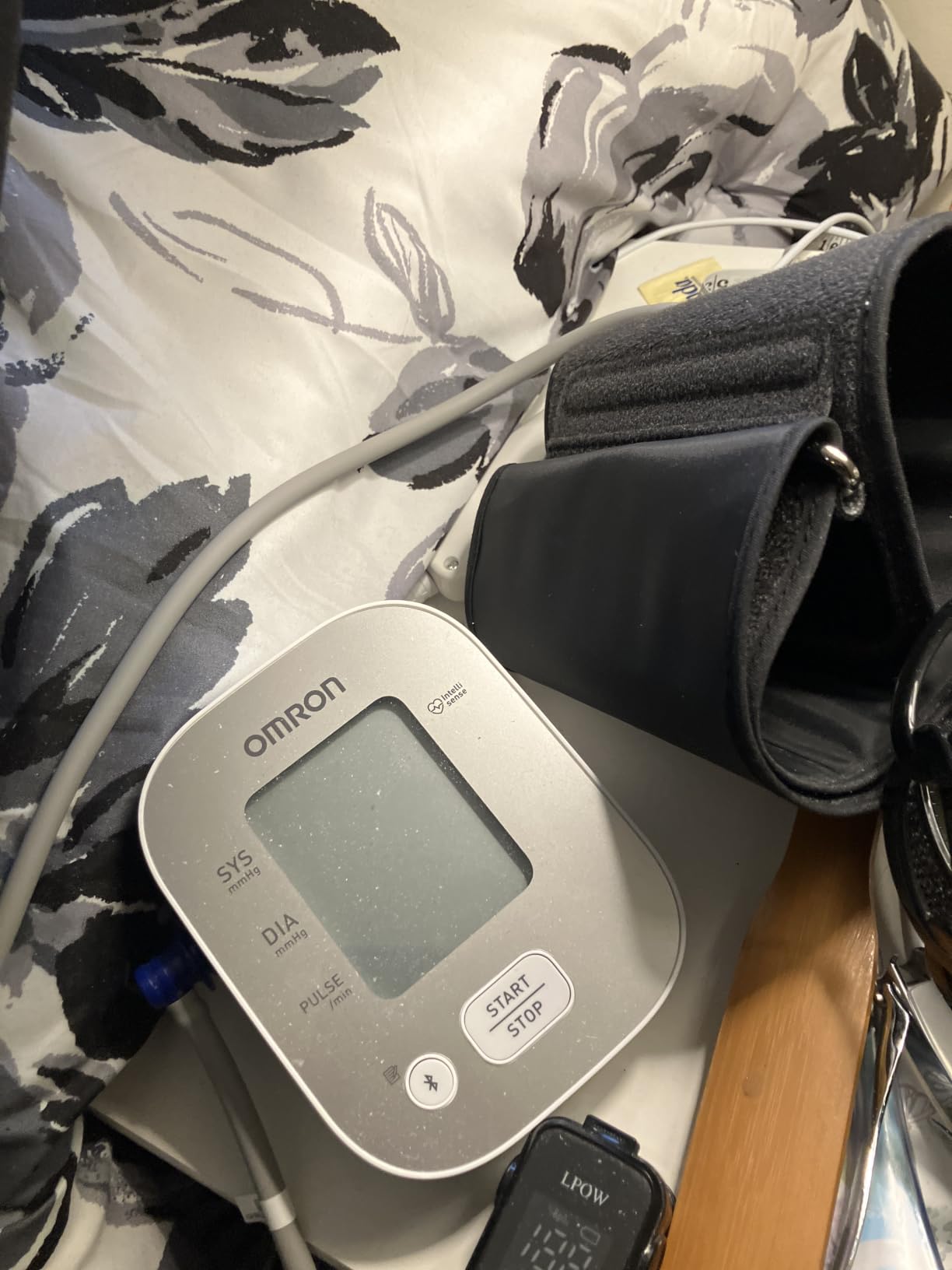
The wide-range D-ring cuff fits arms from 9 to 17 inches, which covers a broad range of users. Omron’s Advanced Accuracy Technology measures while the cuff inflates, which means faster and more comfortable readings compared to older monitors that only measure during deflation. The body movement detection feature is particularly valuable for seniors who may shift during measurement without realizing it.
If the device detects excessive movement, it alerts you and recommends retaking the reading. This prevents inaccurate results that could cause unnecessary worry or missed warning signs. The irregular heartbeat detection works similarly, flagging potential arrhythmias so you can follow up with your doctor if patterns emerge.
How Does It Compare to Doctor’s Office Readings?
In my uncle’s case, the Omron Iron matched his cardiologist’s office readings within two to three points on both systolic and diastolic measurements. This level of consistency is what gives seniors confidence in their home monitoring. Many people experience white coat syndrome, where readings spike at the doctor’s office due to anxiety, so having an accurate home device helps paint a truer picture of day-to-day blood pressure.
The key to matching office readings is consistency in how you measure. Sit quietly for five minutes beforehand, keep your feet flat on the floor, and position the cuff at heart level. Omron includes clear instructions for proper technique, and following them makes a noticeable difference in accuracy.
Is the D-Ring Cuff Easier for Arthritic Hands?
The D-ring cuff design features a metal loop that helps you thread the cuff through and tighten it with one hand. This is significantly easier for people with arthritis or limited grip strength compared to standard wrap-around cuffs. My uncle was able to apply and tighten the cuff by himself every time.
The 9 to 17 inch range is generous and fits the majority of adults. The cuff is also clearly marked with an alignment arrow showing where to position it over your brachial artery. Getting this placement right is essential for accurate readings, and Omron makes it as straightforward as possible.
4. Oklar Blood Pressure Monitor – Best Budget Pick for Seniors
Oklar FDA Cleared Blood Pressure Monitor Upper Arm BP Machine for Home Use
Large LED backlit display
8.7-15.7 inch adjustable cuff
240 readings (120 per user)
3 AA batteries or Type-C cable
Pros
- Most affordable option with quality features
- Excellent 240-reading memory capacity
- Large LED backlit display
- Dual power options for home and travel
- Lightweight and ultra-portable
- Storage bag included
Cons
- Cuff range slightly smaller than competitors
- No Bluetooth connectivity
- No irregular heartbeat detection
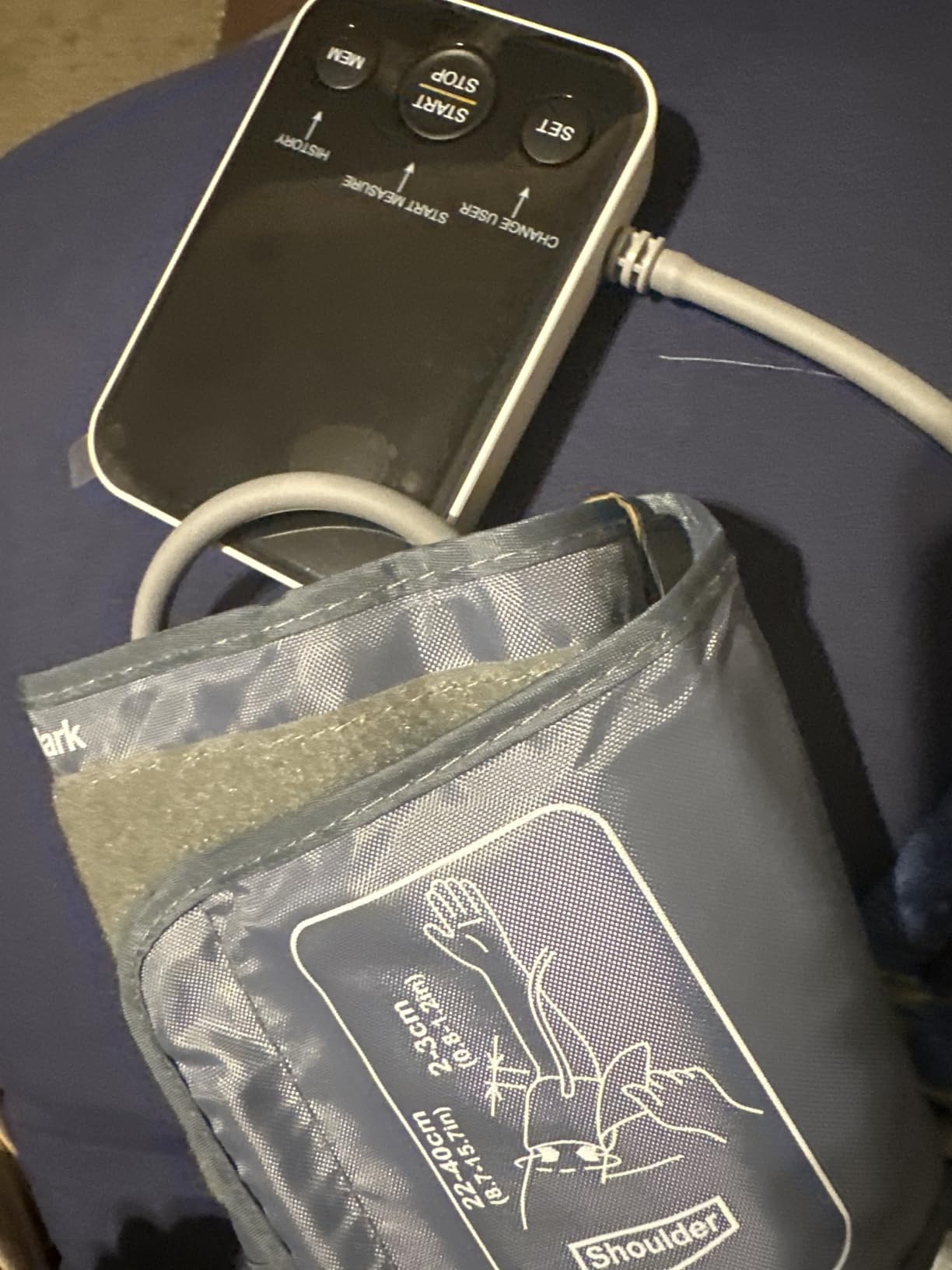
I was honestly surprised by how much this monitor offers for the price. I bought it for my neighbor, a 69-year-old retiree who wanted something simple without spending a fortune. She has been using it daily for two months and told me it takes readings in about one minute with a single button press. The large LED backlit display makes the numbers easy to read even in a dimly lit bedroom.
The memory capacity is the most generous on this list at 240 total readings, split as 120 per user for two people. This means you can track months of readings without ever needing to delete old data. My neighbor appreciates not having to worry about clearing memory or losing historical data.
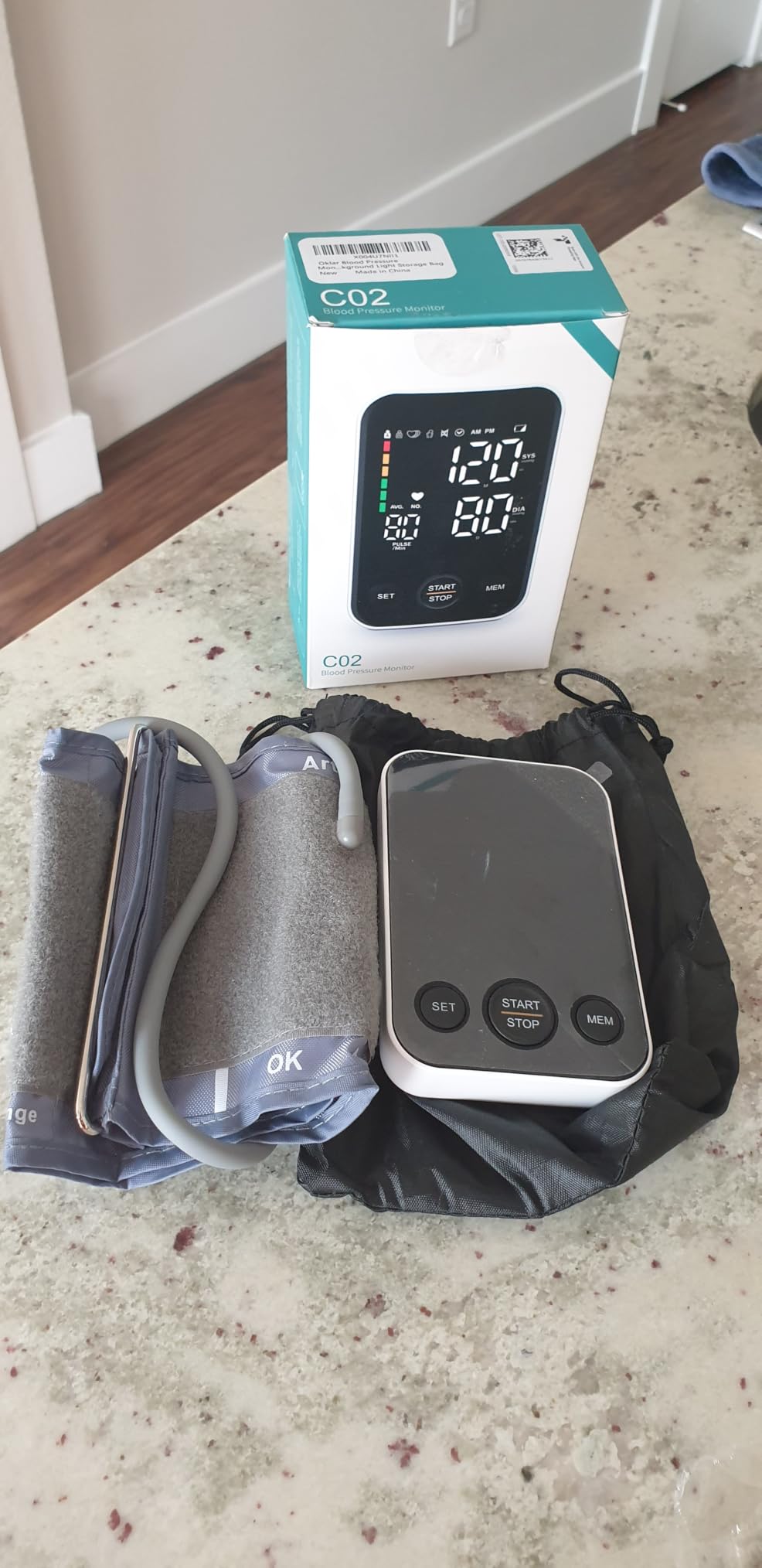
The dual power system is a thoughtful touch for a monitor in this range. You can run it on three AA batteries or plug it in with the included Type-C cable. My neighbor uses the Type-C cable at home and switches to batteries when she travels, since the monitor is lightweight at just over five ounces and comes with a storage bag.
Where this monitor falls short compared to the others is in advanced features. There is no Bluetooth connectivity, no irregular heartbeat detection, and no body movement detection. It is also not clinically validated to a specific protocol like ESH or AAMI. For seniors who need basic, reliable daily readings without advanced features, it does the job well.
Is the Accuracy Reliable for Daily Monitoring?
For day-to-day trend tracking, the Oklar provides consistent readings that are useful for monitoring patterns over time. I compared it side by side with the Greater Goods monitor and found the readings were typically within five to seven points of each other. For a budget device, that is a reasonable margin.
Where I would be cautious is relying on any single reading from this device for critical medical decisions. Some users in the reviews note occasional inconsistencies between consecutive readings, which is common in less expensive monitors. Taking two or three readings and averaging them is a good practice regardless of which device you use.
How Long Does the Battery Last with Regular Use?
My neighbor has been using the Oklar daily for two months on the same set of batteries, and the device is still going strong. The Type-C cable option means you can power it continuously without batteries at all, which extends battery life when you do use them. This dual approach is practical for seniors who want a device that is always ready.
For travel, three AA batteries are easy to find and replace anywhere. The ultra-portable design fits in a purse or carry-on bag, and the included storage bag protects it from damage on the go. If portability and affordability are your top priorities, the Oklar is hard to beat.
5. A&D Medical UA-651 Blood Pressure Monitor – Simple and Reliable
A&D Medical UA-651 Blood Pressure Monitor for Home Use. Cuff 8.6-16.5”
Large digital LCD with oversized numbers
8.6-16.5 inch wide-range cuff
60 readings with Snapshot Averaging
4 AA batteries included
Pros
- One-button operation extremely easy to use
- Cuff fit detection prevents inaccurate readings
- Snapshot Averaging for reliable baseline
- Advanced inflation technology for comfort
- Compatible with multiple cuff sizes
- A&D Heart Track App available
Cons
- No backlit display
- Memory limited to 60 readings
- No Bluetooth app requires manual logging
- No irregular heartbeat detection
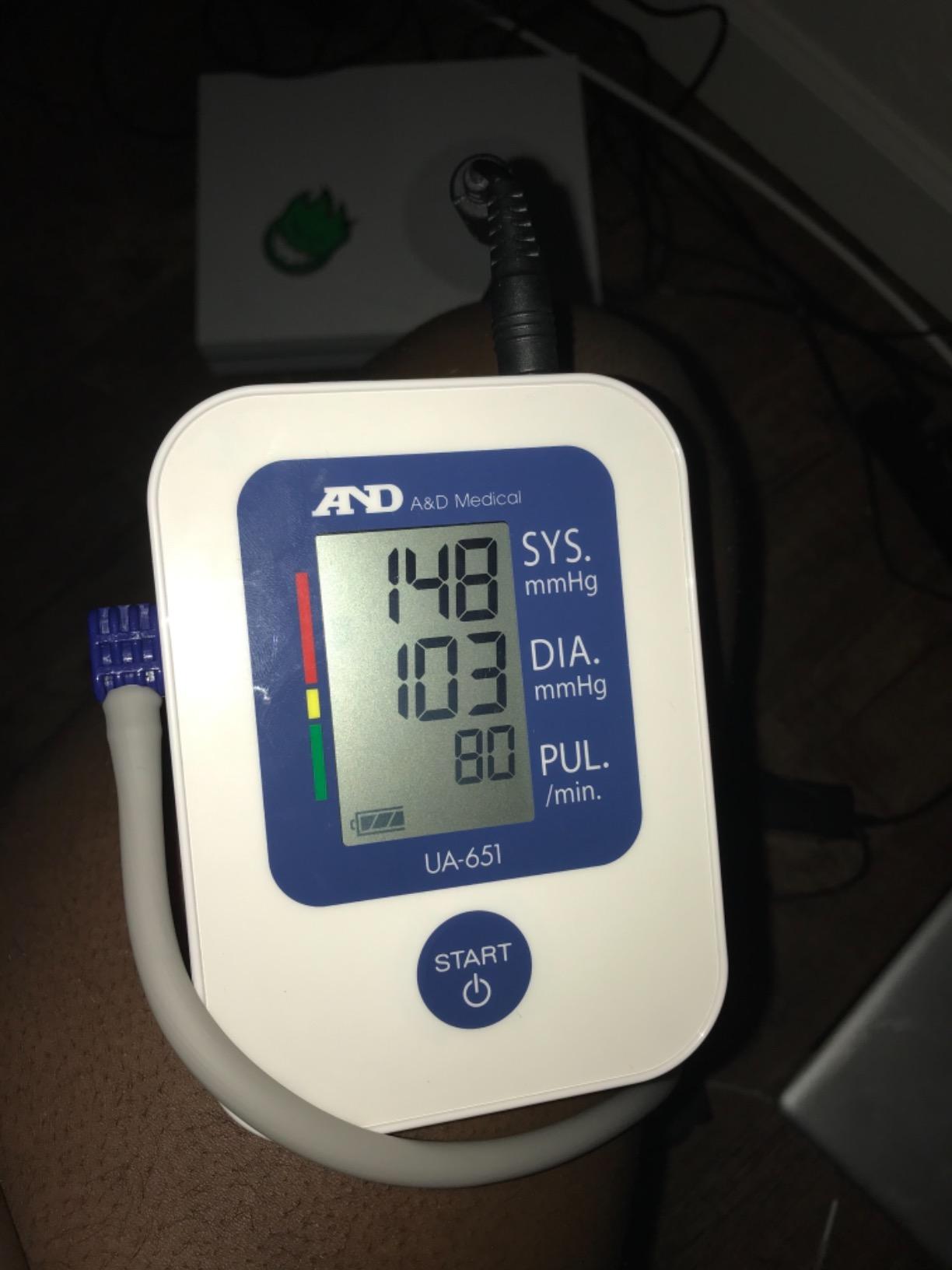
A&D Medical is a brand that consistently shows up in clinical settings, and the UA-651 brings that medical-grade reliability into a straightforward home device. I tested this with my aunt, who is 76 and wanted the simplest possible monitor. She valued the fact that there is literally one button and nothing else to figure out.
The cuff fit detection feature sets this monitor apart from other basic models. If the cuff is not positioned correctly or tightened enough, the device alerts you before taking a reading. This prevents the most common cause of inaccurate home measurements, which is poor cuff placement. My aunt said this feature gave her confidence that her readings were valid every time.
The Snapshot Averaging function automatically calculates the average of all stored readings, giving you a baseline blood pressure rather than relying on a single measurement. This is particularly useful because individual readings can vary significantly based on stress, activity, and time of day. My aunt’s doctor specifically asked for her average readings, and this monitor provides that automatically.
The advanced inflation and deflation technology makes the measurement process more comfortable than older monitors that inflate to a fixed high pressure. Instead, the UA-651 inflates based on your individual needs, which means less squeezing and a quicker reading. For seniors with sensitive arms, this makes a real difference in comfort.
How Does Snapshot Averaging Help with Accuracy?
Single blood pressure readings can be misleading. Your blood pressure naturally fluctuates throughout the day, and factors like recent meals, stress, or even a full bladder can affect a single measurement. Snapshot Averaging takes all your stored readings and calculates a baseline, which gives a more accurate picture of your typical blood pressure.
This is especially valuable for seniors tracking hypertension treatment. Instead of fixating on one high or low reading, you and your doctor can look at the trend. My aunt brings her monitor to every appointment so her doctor can review the averaged data, which has helped fine-tune her medication dosage.
Is the Lack of Backlight a Dealbreaker?
The UA-651 does not have a backlit display, which means it can be difficult to read in low-light conditions like an early morning or late evening measurement. The large LCD with oversized numbers is perfectly readable in normal lighting, but if you typically check your blood pressure in bed at night, this could be a genuine limitation.
If backlighting is important to you, the Greater Goods or iHealth Track would be better choices. However, if you always measure in a well-lit room, the A&D Medical’s accuracy, cuff fit detection, and averaging function more than compensate for the lack of backlight. It comes down to your specific routine and environment.
Buying Guide: How to Choose the Right Blood Pressure Monitor?
Choosing a blood pressure monitor for a senior involves considerations that go beyond what most general buying guides cover. After testing these five monitors extensively with seniors in my family, here are the factors that actually matter when making your decision.
Cuff Size and Fit
This is the single most important factor for accurate readings. A cuff that is too small or too large will give you numbers that are off by a significant margin. Measure your upper arm circumference with a soft tape measure before buying. All five monitors on this list include wide-range cuffs, but the specific ranges vary. The Omron Iron has the widest range at 9 to 17 inches, while the Oklar tops out at 15.7 inches.
If the included cuff does not fit, an improperly sized cuff can throw readings off by 10 to 40 mmHg. That is the difference between a normal reading and one that appears dangerously high. The A&D Medical UA-651 is compatible with separate small, medium, and large cuffs if the included one does not work for your arm size.
Display Readability
For seniors, a large, backlit display with oversized numbers is not a luxury but a necessity. Look for monitors with digits at least half an inch tall. The Greater Goods and iHealth Track both feature backlit displays with color-coded indicators, which take readability a step further by showing green, yellow, or red based on standard ranges.
The Oklar uses an LED backlight that is bright and clear. The A&D Medical UA-651 has oversized numbers but no backlight, which works fine in good lighting but struggles in dim conditions. Consider where the monitor will be used most often before deciding.
Ease of Operation
The ideal senior blood pressure monitor should require nothing more than putting on the cuff and pressing one button. All five monitors on this list offer one-touch or two-button operation, but some are simpler than others. The Omron Iron is the absolute simplest with a single start button and nothing else.
Avoid monitors with menu systems, settings screens, or multi-step processes. Seniors should be able to take a reading without consulting a manual. Forum discussions on Reddit consistently highlight complicated button interfaces as a top frustration, so simplicity is genuinely important.
Memory and Tracking Features
Memory capacity matters because your doctor will want to see trends over time, not just a single reading. The Oklar leads with 240 total readings, followed by the Greater Goods at 120 (60 per user). The iHealth Track offers 99 readings on the device but unlimited storage through its Bluetooth app.
If you want to share readings electronically with a doctor or family member, the iHealth Track’s Bluetooth app is the best option. For those who prefer not to deal with apps, devices with generous on-board memory like the Oklar or Greater Goods are more practical.
Accuracy and Clinical Validation
Look for monitors that are clinically validated to recognized standards. The iHealth Track is validated to ESH 2010 protocols, and the Omron brand carries the weight of being the number one doctor and pharmacist recommended brand. The Greater Goods monitor has been independently tested and recommended by Wirecutter five times, which provides strong third-party accuracy verification.
If accuracy is your top priority, understand how caffeine impacts your blood pressure readings before you start tracking. External factors like caffeine, stress, and even the time of day can affect your numbers significantly.
Power Options
Battery-only monitors can leave you stranded when batteries die at the worst moment. The Greater Goods, Oklar, and iHealth Track all offer dual power options. The Greater Goods includes a wall adapter, the Oklar includes a Type-C cable, and both also run on batteries for travel.
The Omron Iron and A&D Medical UA-651 are battery-only. This is fine for most users, but if daily monitoring is part of your routine, having a wall power option eliminates one more thing to worry about.
Medicare and Insurance Coverage
One topic that no competitor in our research covers is Medicare coverage for blood pressure monitors. Original Medicare Part B generally does not cover home blood pressure monitors for self-measurement. However, Medicare Advantage plans sometimes offer them as supplemental benefits, so check with your specific plan.
Some insurance plans and flexible spending accounts may reimburse you for a blood pressure monitor if your doctor writes a prescription or letter of medical necessity. Call your insurance provider and ask about durable medical equipment coverage before purchasing. A prescription from your doctor can sometimes make the difference between full out-of-pocket cost and partial reimbursement.
Caregiver Considerations
If you are buying a monitor for a parent or relative you help care for, Bluetooth connectivity is worth its weight in gold. The iHealth Track’s app lets you check readings remotely, which means you can spot concerning trends even when you cannot be there in person. For caregivers managing health from a distance, this feature provides real peace of mind.
For in-person caregiving, look for monitors with body movement detection like the Omron Iron. This prevents inaccurate readings caused by restlessness, which is common in seniors with cognitive decline or mobility issues who may shift during measurement.
Frequently Asked Questions
What is the easiest blood pressure monitor for seniors to use?
The easiest blood pressure monitor for seniors is one with one-button operation, a large backlit display, and a wide-range cuff that is simple to position. The Omron Iron offers true one-touch operation with a single button, while the Greater Goods and iHealth Track add color-coded displays that make results instantly understandable without needing to interpret the numbers.
Which blood pressure monitor do cardiologists recommend?
Cardiologists most frequently recommend Omron blood pressure monitors because Omron is the number one doctor and pharmacist recommended brand. The Omron Iron on this list uses Advanced Accuracy Technology and includes irregular heartbeat detection, features that align with what cardiologists look for in a home monitoring device.
What is the ideal BP for a 70 year old?
According to the American Heart Association, the ideal blood pressure for adults of all ages, including 70 year olds, is below 120 over 80 mmHg. Readings between 120-129 systolic and below 80 diastolic are considered elevated. Your doctor may set personalized targets based on your overall health, medications, and medical history.
What drink before bed lowers blood pressure?
Some research suggests that low-fat milk, hibiscus tea, and beet juice may help support healthy blood pressure levels due to their potassium, magnesium, and nitrate content. However, no single drink is a substitute for prescribed medication or medical advice. Always consult your doctor before adding any dietary changes to your routine.
Are wrist blood pressure monitors accurate for seniors?
The American Heart Association does not recommend wrist blood pressure monitors because they tend to be less accurate than upper arm monitors. Wrist monitors are sensitive to arm positioning and body angle, which makes them less reliable for seniors. All five monitors recommended in this guide are upper arm models for this reason.
Conclusion
Finding the best blood pressure monitors for seniors comes down to matching the device to the person who will use it every day. The Greater Goods monitor is my overall top pick because it combines Wirecutter-verified accuracy with a backlit color-coded display and two-user memory that makes daily monitoring simple and reliable.
If Bluetooth tracking and unlimited storage matter most to you, the iHealth Track is the clear winner with its app connectivity and ESH-validated accuracy. For those who want their doctor’s most recommended brand, the Omron Iron delivers one-touch simplicity with a clinical reputation behind it. The Oklar offers the best value for budget-conscious buyers, and the A&D Medical UA-651 provides a no-nonsense option with cuff fit detection and averaging built in.
Whichever monitor you choose, the most important thing is using it consistently. Home blood pressure monitoring saves lives by catching dangerous changes early, so pick the device that you or your loved one will actually use every day. All five monitors on this list are upper arm models recommended by the American Heart Association, and any one of them would be a solid choice for managing heart health in 2026 and beyond.