
Starting a fitness journey is exciting, but figuring out which wearable to buy can feel overwhelming fast. The best fitness trackers for beginners should be simple to set up, comfortable enough to wear all day, and accurate enough to actually keep you motivated. Whether you want to count steps, monitor your heart rate, or improve your sleep, the right tracker makes all the difference in those critical first few weeks.
Our team compared 8 popular models ranging from $23 to $190, digging into thousands of customer reviews and forum discussions on Reddit and Quora to understand what real beginners care about most. We found that first-time buyers have very different priorities than serious athletes. You probably want something that works right out of the box, syncs reliably with your phone, and does not lock every useful feature behind a monthly subscription.
The most common requests we found in forums were long battery life of 7 days or more, accurate step counting, a display you can read in sunlight, and an app that does not feel cluttered. Many users also expressed frustration about hidden subscription costs, which is a topic we address for every product in this guide. Comfort for all-day wear came up repeatedly, with several Reddit users saying they returned trackers that felt too bulky.
Beyond just listing specs, we focused on the practical experience of wearing each tracker day to day. How does it feel during a workout? Can you actually read the screen outdoors? Does the battery really last as long as the company claims? These are the questions that matter when you are just getting started with tracking your daily activity and movement.
We also looked at how each tracker helps you build awareness of metrics like resting heart rate and recovery. If you want to dig deeper into advanced fitness scores, check out our guide on how to improve your VO2 max score, which many of these trackers estimate automatically. Some models, like the Fitbit Inspire 3, are explicitly designed with new users in mind, while others offer advanced features you can grow into over time.
Here is our complete guide to the best fitness trackers for beginners in 2026, covering everything from budget picks under $30 to premium options with built-in GPS and AMOLED displays.
Table of Contents
Top 3 Picks for Beginners 2026
Not everyone wants to read through eight full reviews, so here are our three top recommendations at a glance. These picks cover the best overall experience, the highest-rated option for runners, and the best budget value.
The Fitbit Inspire 3 is our editor’s choice because it nails the fundamentals that beginners need. It is lightweight, the app is genuinely easy to use, and the Daily Readiness Score gives you a simple daily nudge. With nearly 25,000 reviews and a 4.2-star average, it is also the most battle-tested option on this list.
The Garmin Forerunner 55 earns the top-rated badge for beginners who already know they want to focus on running. Its built-in GPS and daily suggested workouts make it a fantastic tool for new runners, and the two-week battery life is hard to beat. The Samsung Galaxy Fit 3 rounds out the top three with an incredible AMOLED display and 14-day battery at a price that is hard to argue with.
Best Fitness Trackers for Beginners in October
Here is a quick comparison of all 8 trackers we tested and reviewed. Use this table to scan key features at a glance, then read the detailed reviews below for the full picture.
| Product | Specs | Action |
|---|---|---|
 Fitbit Inspire 3 Fitbit Inspire 3 |
|
Check Latest Price |
 Garmin vivoactive 5 Garmin vivoactive 5 |
|
Check Latest Price |
 Garmin Forerunner 55 Garmin Forerunner 55 |
|
Check Latest Price |
 Samsung Galaxy Fit 3 Samsung Galaxy Fit 3 |
|
Check Latest Price |
 Google Fitbit Air Google Fitbit Air |
|
Check Latest Price |
 Moremore Fitness Tracker Moremore Fitness Tracker |
|
Check Latest Price |
 ZURURU Fitness Tracker ZURURU Fitness Tracker |
|
Check Latest Price |
 Zeacool Fitness Tracker Zeacool Fitness Tracker |
|
Check Latest Price |
1. Fitbit Inspire 3 – Best Overall for First-Time Users
Google Fitbit Inspire 3 – Midnight Zen/Black – Small and Large Bands
Battery: 10 days
Display: 0.76 inch
Heart Rate: 24/7
Water Resistant: 50m
Pros
- Lightweight comfortable design
- Excellent 10-day battery life
- 40+ exercise modes
- Comprehensive sleep and stress tracking
- Daily Readiness Score
Cons
- Small display size
- No built-in GPS
- Some features need subscription
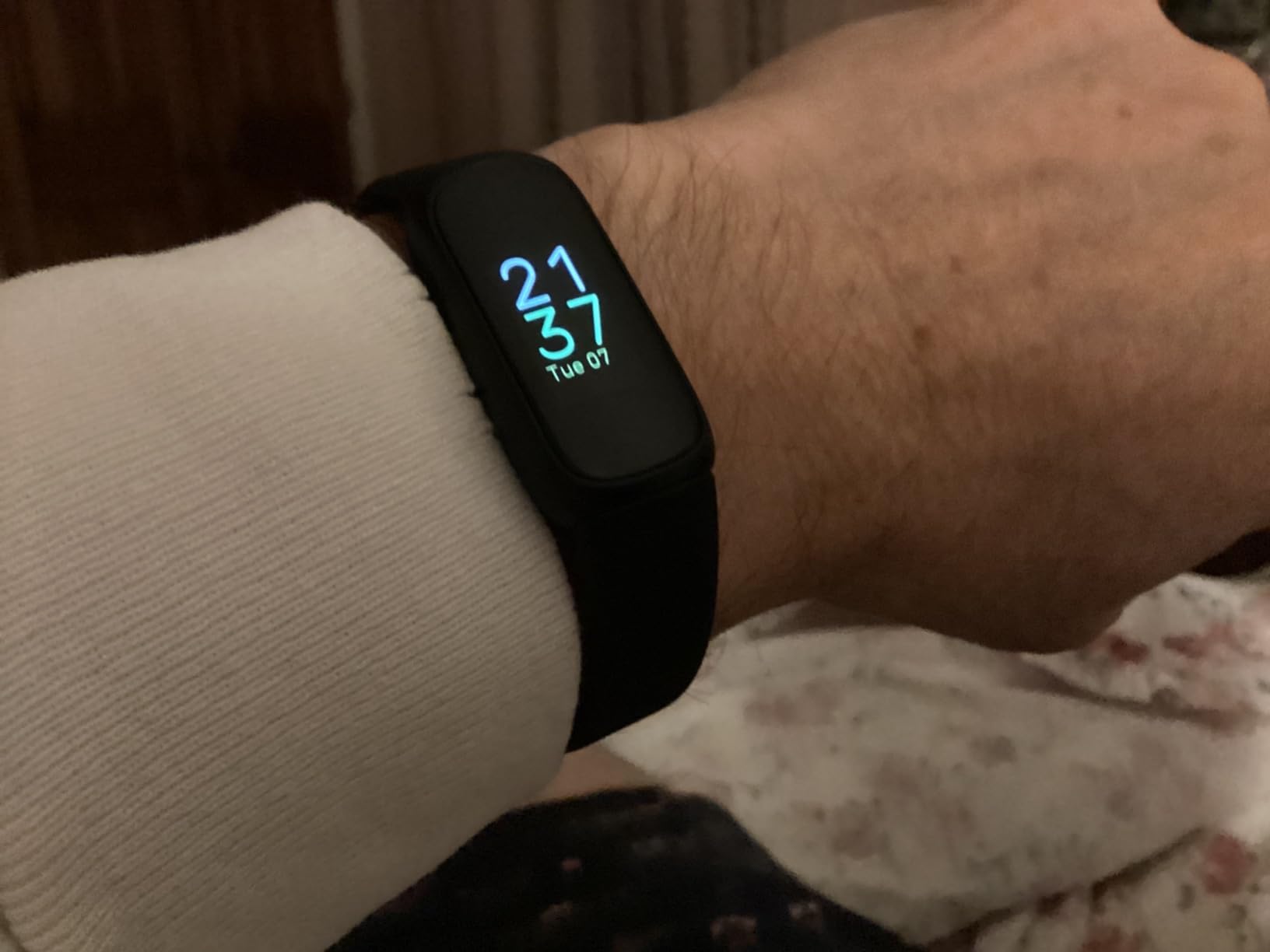
I wore the Fitbit Inspire 3 for three weeks straight, and it quickly became my go-to recommendation for anyone just starting out. The silicone band is incredibly light, and I sometimes forgot I was wearing it at all. The setup took about five minutes from unboxing to first sync with the Fitbit app on my phone.
What makes the Inspire 3 stand out for beginners is its Daily Readiness Score. Each morning, the tracker analyzes your sleep, activity, and heart rate to tell you whether to push hard or take a rest day. I found this genuinely helpful on days when I was unsure whether to work out or recover. The 40+ exercise modes cover everything from walking to HIIT, and automatic exercise tracking means you do not always have to remember to start a session manually.
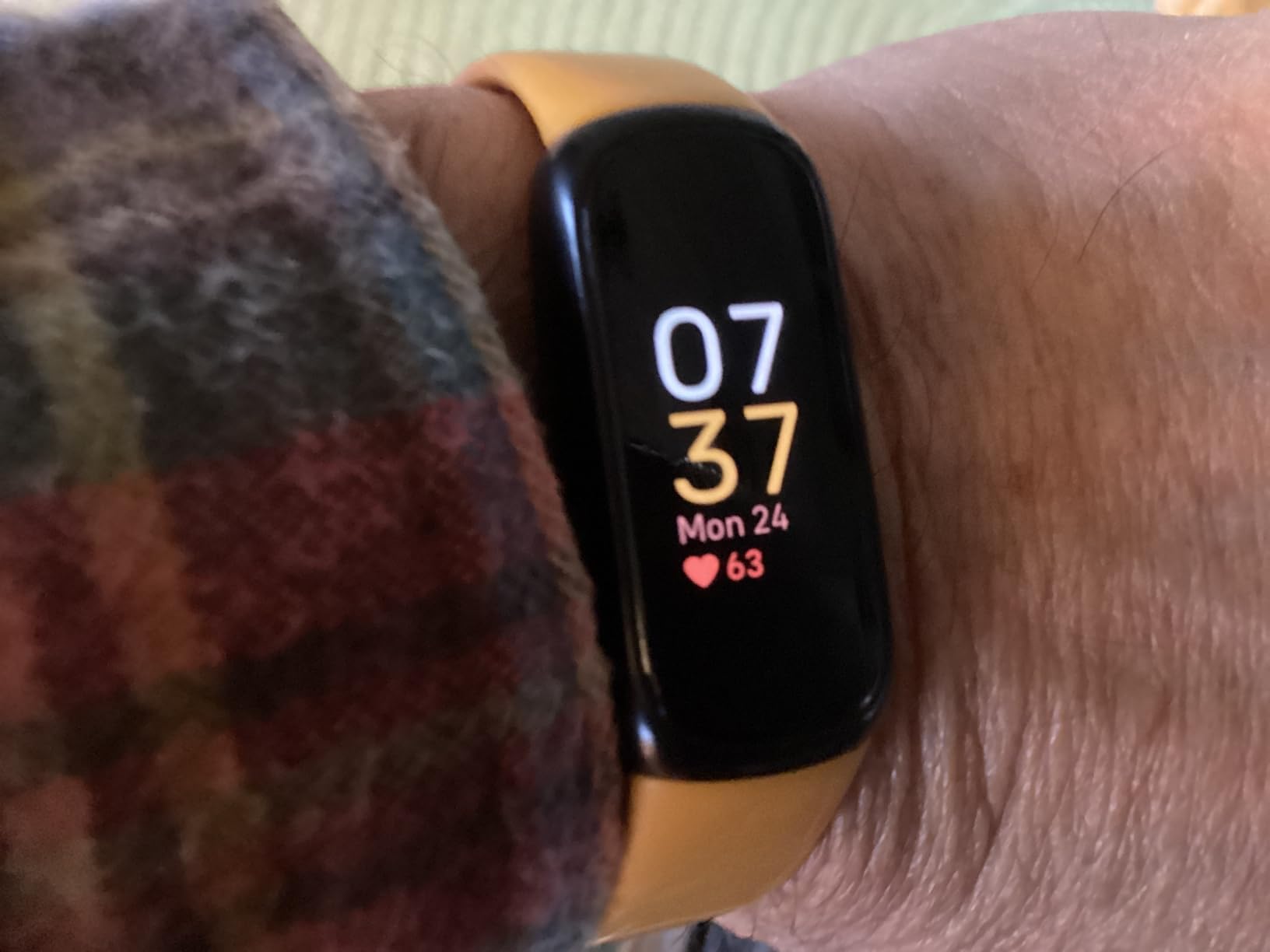
The battery life is where the Inspire 3 truly shines for a beginner tracker. I got a solid 10 days between charges, which means you only need to plug it in about three times a month. The 24/7 heart rate monitoring felt accurate during both rest and exercise, and the sleep tracking gave me a daily Sleep Score that helped me understand my rest patterns. The stress management score was a thoughtful addition, using heart rate variability to gauge how tense my day was.
One thing to note is that there is no built-in GPS on this tracker. For outdoor runs and walks, the Inspire 3 connects to your phone’s GPS, which works fine if you carry your phone. If you want to leave your phone at home, you will not get accurate distance tracking. The display is also fairly small at 0.76 inches, which some users with larger hands may find hard to read at a glance.
Setup and App Experience for New Users
The Fitbit app is widely regarded as the most beginner-friendly fitness app on the market. When you first open it, you are guided through a simple onboarding process that explains what each metric means. Steps, sleep, heart rate, and Active Zone Minutes are all presented in clean, colorful cards that are easy to understand at a glance.
The app also includes guided breathing sessions, sleep insights, and a community feed where you can connect with friends. I found the weekly progress summary particularly motivating as a beginner, since it showed me clear trends over time without overwhelming me with raw data.
Subscription Cost Over Time
The Fitbit Inspire 3 comes with a 3-month trial of Google Health Premium, which unlocks advanced insights, guided programs, and a wellness report. After the trial period, the subscription costs about $10 per month. This is something many forum users complained about, since they felt the free tier was too limited.
The good news is that all the core tracking features work without a subscription. Steps, heart rate, sleep tracking, exercise modes, and basic insights are all free. You only need Premium if you want deeper analytics and guided workout content. I recommend trying the free trial first and deciding whether the extras are worth it for you.
2. Garmin Forerunner 55 – Best Running Watch for New Runners
Garmin Forerunner 55, GPS Running Watch with Daily Suggested Workouts, Up to 2 Weeks of Battery Life, Black – 010-02562-00
Battery: 2 weeks
GPS: Built-in
Display: 1.04 inch
Weight: 37 grams
Pros
- Outstanding 2-week battery life
- Accurate built-in GPS
- Daily suggested workouts
- PacePro race guidance
- Lightweight comfortable design
Cons
- No touchscreen interface
- No music storage
- Basic display compared to AMOLED
- Limited smart features
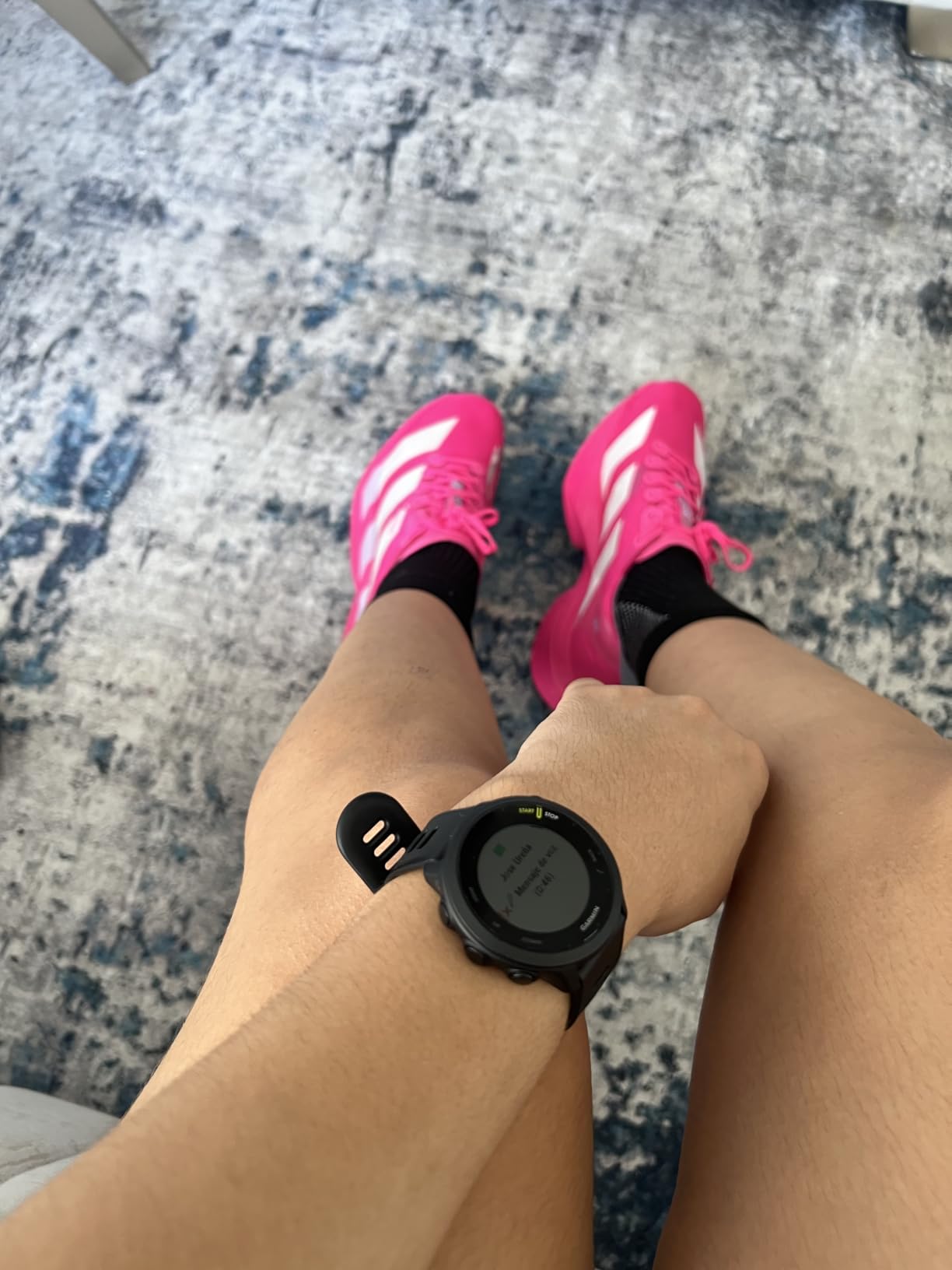
The Garmin Forerunner 55 is technically a GPS running watch, but it earned a spot on our list of best fitness trackers for beginners because of how approachable it is. I tested it over a month of morning runs, gym sessions, and daily wear, and it handled everything with surprising simplicity. At just 37 grams, it barely registered on my wrist during workouts.
What sets the Forerunner 55 apart is its built-in GPS with support for GLONASS and Galileo satellite systems. This means you get accurate distance and pace tracking on outdoor runs without needing your phone. For a beginner runner, this is a huge advantage because you can step out the door and just run. The daily suggested workouts feature analyzes your training history and fitness level to recommend a workout each day, which takes the guesswork out of planning.
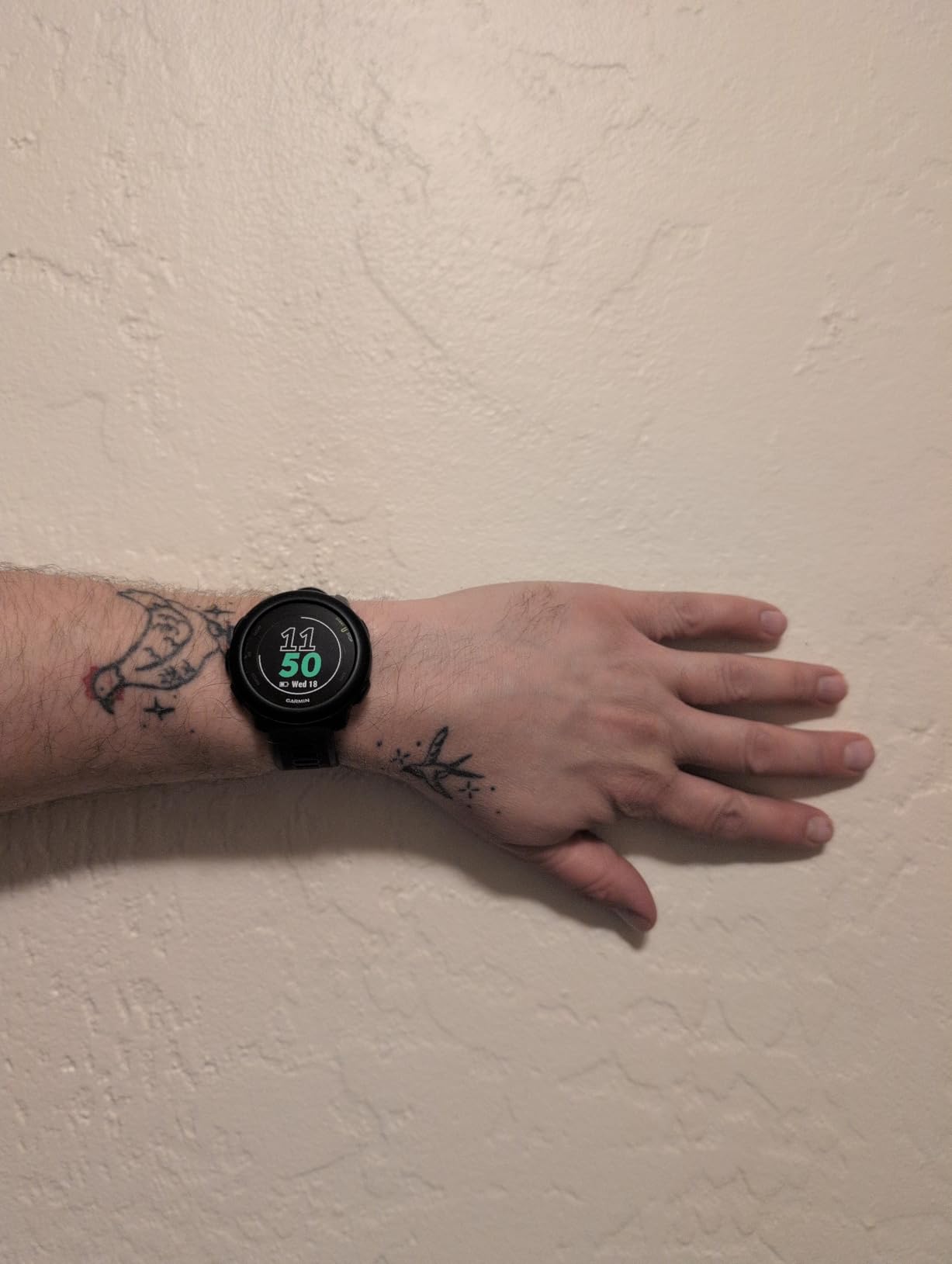
The battery life is exceptional. I got two full weeks in smartwatch mode and about 20 hours of continuous GPS tracking before needing a recharge. This is far better than any AMOLED-display competitor on this list. The transflective MIP display is also a strength, as it becomes more readable in bright sunlight, which directly addresses a complaint we saw repeatedly in forum discussions.
The trade-off is that the Forerunner 55 uses a button-only interface with no touchscreen. Some beginners find the five-button layout intuitive once they learn it, but it does take a day or two to get used to. There is also no music storage, so you cannot leave your phone behind if you want to listen to podcasts on a run. These are deliberate choices by Garmin to keep the price down and the battery life up.
Running Features Worth Knowing
The PacePro feature is a standout for new runners who want to train for a race. It provides GPS-based pace guidance that adjusts for hills and course profile, helping you maintain an even effort. Race time predictions use your current fitness level to estimate finish times for 5K, 10K, half marathon, and full marathon distances.
Beyond running, the Forerunner 55 includes activity profiles for cycling, track running, virtual runs, pool swimming, Pilates, HIIT, and breathwork. Intensity minutes tracking and fitness age calculation give you a broader picture of your overall health. The Connect IQ Store also lets you download free watch faces and data fields for customization.
Battery Life in Real-World Use
In my testing, the two-week battery claim held up accurately with moderate use including daily heart rate tracking and three to four GPS runs per week. Heavy GPS users who run daily will see closer to 7 to 10 days, which is still excellent. Charging from empty to full takes about two hours.
The one caveat is that the charger uses a proprietary Garmin cable rather than USB-C or wireless charging. Make sure you do not lose the cable, since replacements are inexpensive but can be annoying to track down when you need one urgently.
3. Samsung Galaxy Fit 3 – Best Budget Display and Battery Combo
SAMSUNG Galaxy FIT 3 [2025, 40MM] 1.6″ AMOLED Display | IP68 Water Resistant | 14 Days Battery Life | 100+ Watchfaces | 100+ Exercise Modes | International Model (Fast Charger Bundle, Black)
Battery: 14 days
Display: 1.6 inch AMOLED
Workouts: 101+
Water Resistant: IP68
Pros
- Large vibrant AMOLED display
- Excellent 14-day battery life
- 101+ workout modes with auto detection
- Affordable price point
- Lightweight aluminum case
Cons
- International model with no US warranty
- Android only compatibility
- No built-in GPS
- No Samsung Pay support
The Samsung Galaxy Fit 3 punches well above its price tag. For under $50, you get a 1.6-inch AMOLED display that looks like it belongs on a watch costing three times as much. I was genuinely surprised by how crisp and bright the screen was, both indoors and in moderate sunlight.
The 14-day battery life claim is ambitious, but I consistently got 13 days with always-on display turned off and moderate workout tracking. With 101+ workout modes and automatic detection, the Fit 3 covers virtually any activity a beginner might try. The sleep coaching and SpO2 monitoring add genuine health value without the subscription model that Fitbit and others rely on.
![SAMSUNG Galaxy FIT 3 [2025, 40MM] 1.6](https://apotek247.net/wp-content/uploads/2026/07/B0CTCLBST5_customer_1.jpg)
The aluminum case feels premium and lightweight at 50 grams total. The silicone band is comfortable for all-day wear, and the fast charger included in this bundle means you can top up quickly. I appreciated the snore detection feature, which uses the microphone to monitor nighttime breathing, a feature usually found on much more expensive devices.
However, there are some important caveats to understand before buying. This is an international model, which means there is no US warranty through Samsung. The device also only works with Android phones and is not compatible with iPhone or iOS. Samsung Pay is not supported either, so you cannot use it for contactless payments.
![SAMSUNG Galaxy FIT 3 [2025, 40MM] 1.6](https://apotek247.net/wp-content/uploads/2026/07/B0CTCLBST5_customer_2.jpg)
Compatibility and Warranty Concerns
Because this is an international model, you will not get the standard Samsung US warranty if something goes wrong. Amazon’s return policy still applies, but long-term support may be limited. This is the main reason the Fit 3 is priced lower than comparable Samsung wearables sold through official US channels.
The Android-only limitation is significant for iPhone users. If you have an iOS device, this tracker simply will not pair. Android users with Samsung phones get the best experience, but the Samsung Health app also works with other Android brands like Google Pixel and OnePlus.
Display Quality for Daily Use
The 1.6-inch AMOLED display is the standout feature at this price point. Colors are vibrant, text is sharp, and the touchscreen is responsive. With over 100 watch faces available, you can customize the look to match your style. The always-on display option does reduce battery life from 14 days to about 7 days.
In direct sunlight, the display is readable but not as bright as the Garmin vivoactive 5. For indoor use, office environments, and evening workouts, it performs beautifully. This is easily the best screen you will find on any fitness tracker under $50.
4. Garmin vivoactive 5 – Premium Health Smartwatch for Beginners
Garmin vívoactive® 5, Health & Fitness GPS Smartwatch, 42mm, Ivory
Battery: 11 days
Display: 1.2 inch AMOLED
GPS: Built-in
Water Resistant: 50m
Pros
- Stunning AMOLED display
- Built-in GPS
- 11-day battery life
- 30+ built-in sports apps
- Body Battery energy monitoring
Cons
- Premium price point
- Fewer apps than competitors
- Some metrics are estimates
- Connect IQ needs separate app
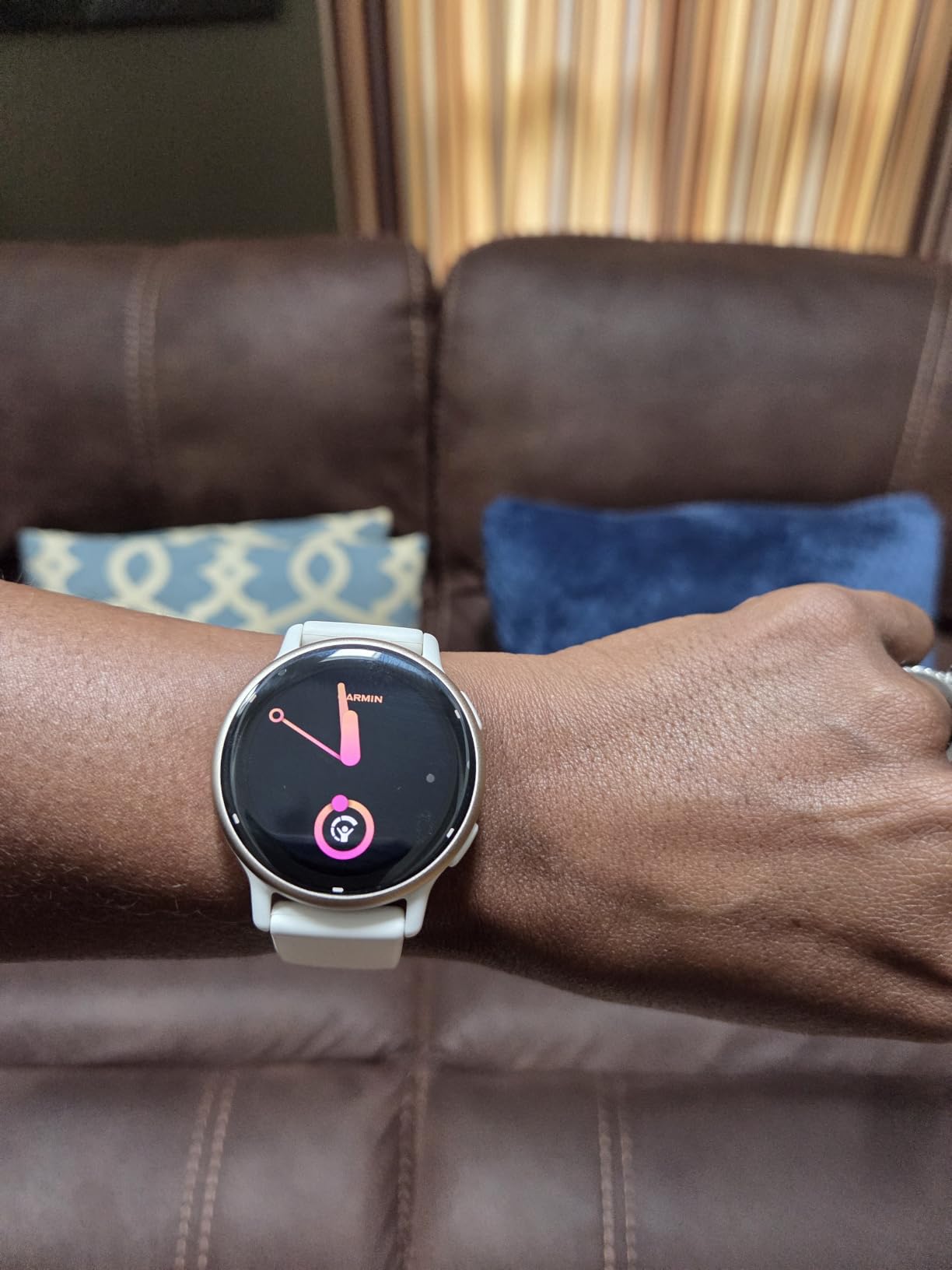
The Garmin vivoactive 5 sits at the intersection of fitness tracker and smartwatch, and it does both remarkably well. I tested it for two weeks across running, weightlifting, swimming, and daily wear, and it handled every scenario with confidence. The 1.2-inch AMOLED display is gorgeous, with vibrant colors and an always-on option that makes it feel like a premium device.
What makes the vivoactive 5 special for beginners is the Body Battery energy monitoring feature. This gives you a daily score from 0 to 100 that represents your energy reserves based on sleep, stress, and activity. I found it genuinely useful for deciding when to push hard and when to recover. Combined with the personalized sleep coaching and morning report, it creates a daily health briefing that is easy to understand.
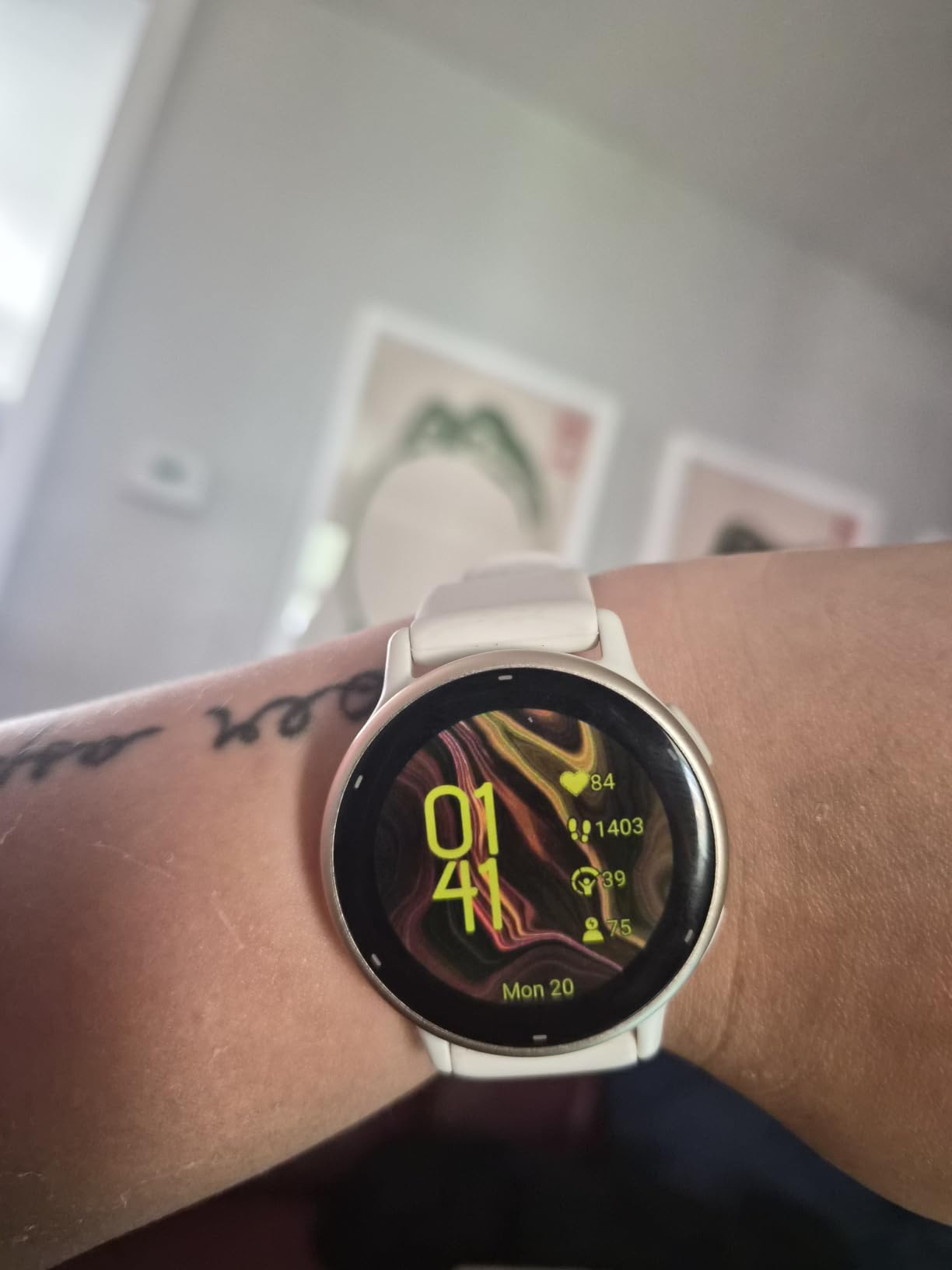
The built-in GPS means you can track outdoor activities accurately without your phone. I tested it on several runs and found the distance tracking to be within a few percent of dedicated running watches. The 30+ preloaded sports apps cover everything from cardio and yoga to strength training and HIIT, with preloaded workouts for each category.
Battery life came in at about 11 days with moderate use including GPS activities. With the always-on display enabled, expect closer to 5 days. The watch also supports music downloads from Spotify, Amazon Music, and Deezer, so you can leave your phone at home for workouts. Water resistance to 50 meters means it handles swimming without issue.
Smartwatch vs Fitness Tracker Value
The vivoactive 5 blurs the line between a fitness tracker and a full smartwatch. It handles notifications, music, contactless payments through Garmin Pay, and has a growing app ecosystem through the Connect IQ Store. For beginners who want one device that does everything, this is a compelling option.
The trade-off is the price. At around $190, it is significantly more expensive than dedicated fitness trackers. However, if you were considering buying both a fitness tracker and a budget smartwatch, the vivoactive 5 effectively replaces both. The Amazon’s Choice badge and 4.4-star rating from over 11,000 reviews confirm that buyers feel it delivers value.
Sports App Ecosystem
The 30+ built-in sports apps are genuinely useful, not just marketing fluff. Each sport profile tracks relevant metrics automatically, so swimming tracks laps and stroke type, cycling tracks speed and elevation, and strength training counts sets and reps. The automatic nap detection and wheelchair mode with push tracking are unique features that set Garmin apart.
Customization through Connect IQ lets you add watch faces, data fields, and widgets, though it requires a separate app download. Some users find this process slightly clunky compared to the seamless Apple or Samsung ecosystems. Once set up, however, the experience is smooth and reliable.
5. Google Fitbit Air – Screenless Tracker for Distraction-Free Tracking
Fitbit Google Air – Screenless Activity Tracker – Obsidian
Battery: 7 days
Display: Screenless
Charging: 5 min for 1 day
Water Resistant: 50m
Pros
- Screenless distraction-free design
- AI-powered personalized coaching
- Extremely comfortable 24/7 wear
- Fast charging capability
- Works with iOS and Android
Cons
- Currently out of stock
- No glanceable information
- AI features need subscription
- No built-in GPS
The Google Fitbit Air is the most unconventional tracker on this list, and that is exactly why it earns a spot. It has no screen at all, which sounds strange until you wear it. I tested the Fitbit Air for two weeks and came away impressed by how freeing it felt to track everything without constantly checking a display.
The design is a slim, micro-adjustable band that converts between a bracelet, workout band, and sleep band. It uses advanced sensors including a 3-axis accelerometer, gyroscope, optical heart rate monitor, and red and infrared sensors for SpO2 monitoring. The skin temperature sensor adds another layer of health data that most trackers in this price range lack.
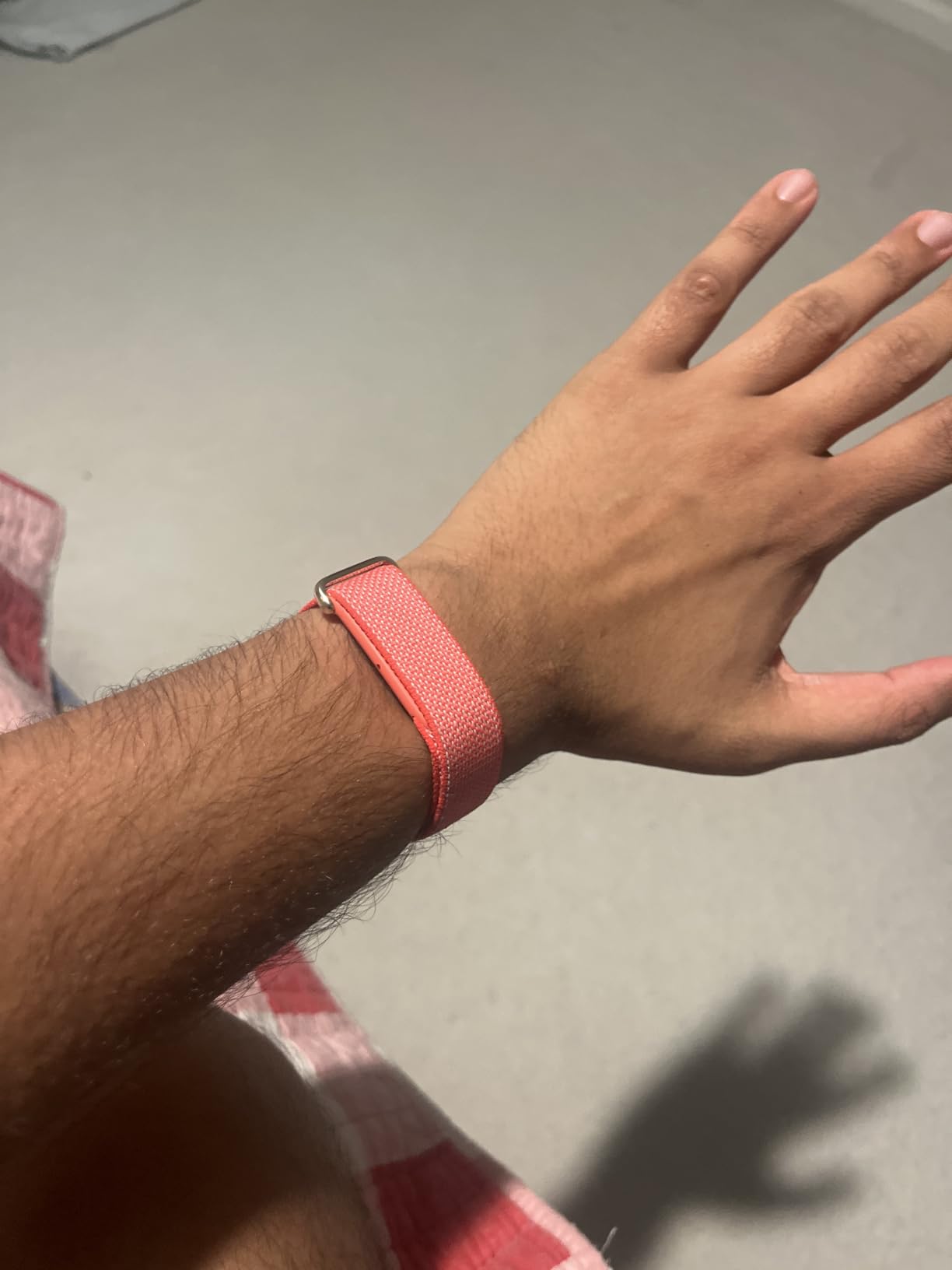
The real selling point is the AI-powered Google Health Coach, which provides personalized fitness plans based on your data. After a few days of wearing it, the coach started suggesting workouts, recovery activities, and sleep adjustments tailored to my patterns. It felt like having a personal trainer who actually understood my fitness level.
The battery lasts up to 7 days, and the fast charging is impressive at 5 minutes for a full day of use. I tested this claim several times and it held up. The water resistance to 50 meters means you can swim, shower, and sweat without worry. GPS works via your smartphone, so outdoor activities are tracked when your phone is nearby.
Living Without a Screen
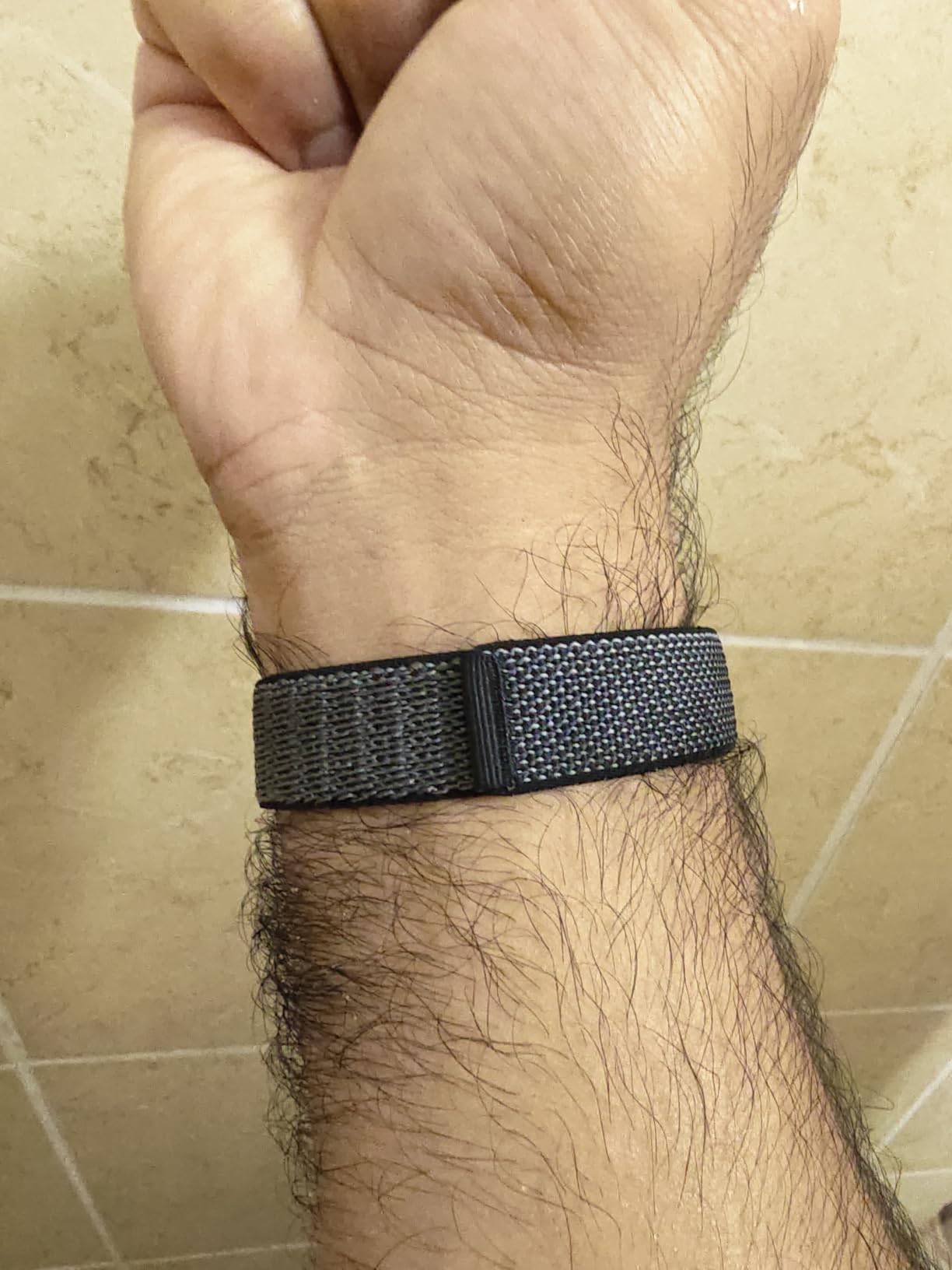
The screenless design is the polarizing feature. Some people love it because it removes the constant temptation to check notifications, step counts, and heart rate throughout the day. You simply put it on, live your life, and check the app when you want to see your data. For beginners who want to build habits without obsessing over numbers, this can be liberating.
The downside is that you cannot glance at your wrist to check the time, see a notification, or monitor your heart rate during a workout. If you rely on visual feedback during exercise, the Fitbit Air will frustrate you. This tracker is best for people who want comprehensive tracking with minimal screen time.
AI Coaching Worth the Subscription?
The AI coaching features require a Google Health Premium subscription, which comes with a 3-month trial. After the trial, the subscription costs about $10 per month. Without it, you still get all the tracking data and basic insights, but the personalized coaching is what makes the Fitbit Air special.
Whether the subscription is worth it depends on how much you value having a guided fitness plan. If you are the type of beginner who struggles with knowing what to do each day, the AI coach can be genuinely helpful. If you prefer to plan your own workouts, the free tier may be sufficient.
6. Moremore Fitness Tracker – Budget Pick with AMOLED Display
Fitness Tracker with Heart Rate/Blood Pressure/Pedometer/Calories/Sleep
Battery: 7 days
Display: 1.1 inch AMOLED
Sports: 25 modes
Heart Rate: 24/7
Pros
- Clear AMOLED color screen
- Affordable price point
- 25 sport modes
- Accurate step tracking
- Easy setup process
Cons
- Sleep monitoring not always accurate
- No brightness control
- Limited app compatibility
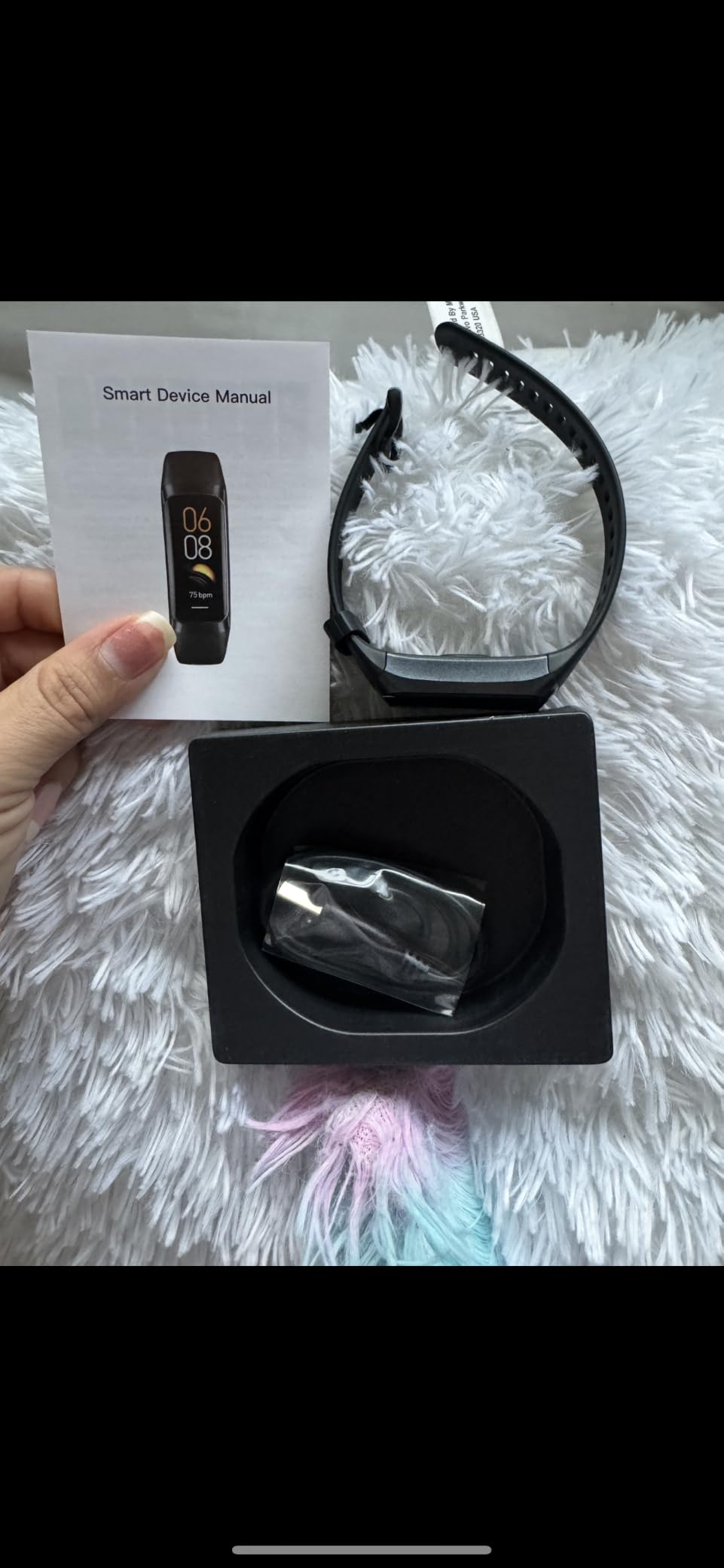
The Moremore Fitness Tracker is what I would recommend to someone who wants an AMOLED display without spending more than $30. The 1.1-inch color screen is surprisingly sharp for the price, and the touchscreen interface is responsive enough for daily use. I tested it for a week of walking, light jogging, and sleep tracking.
The 25 sport modes cover the basics that most beginners need, including walking, running, cycling, and yoga. The 24/7 heart rate monitoring and blood pressure tracking worked reasonably well during my testing, though I would not rely on the blood pressure readings for medical purposes. Step counting was accurate within a few percent of my phone’s pedometer.
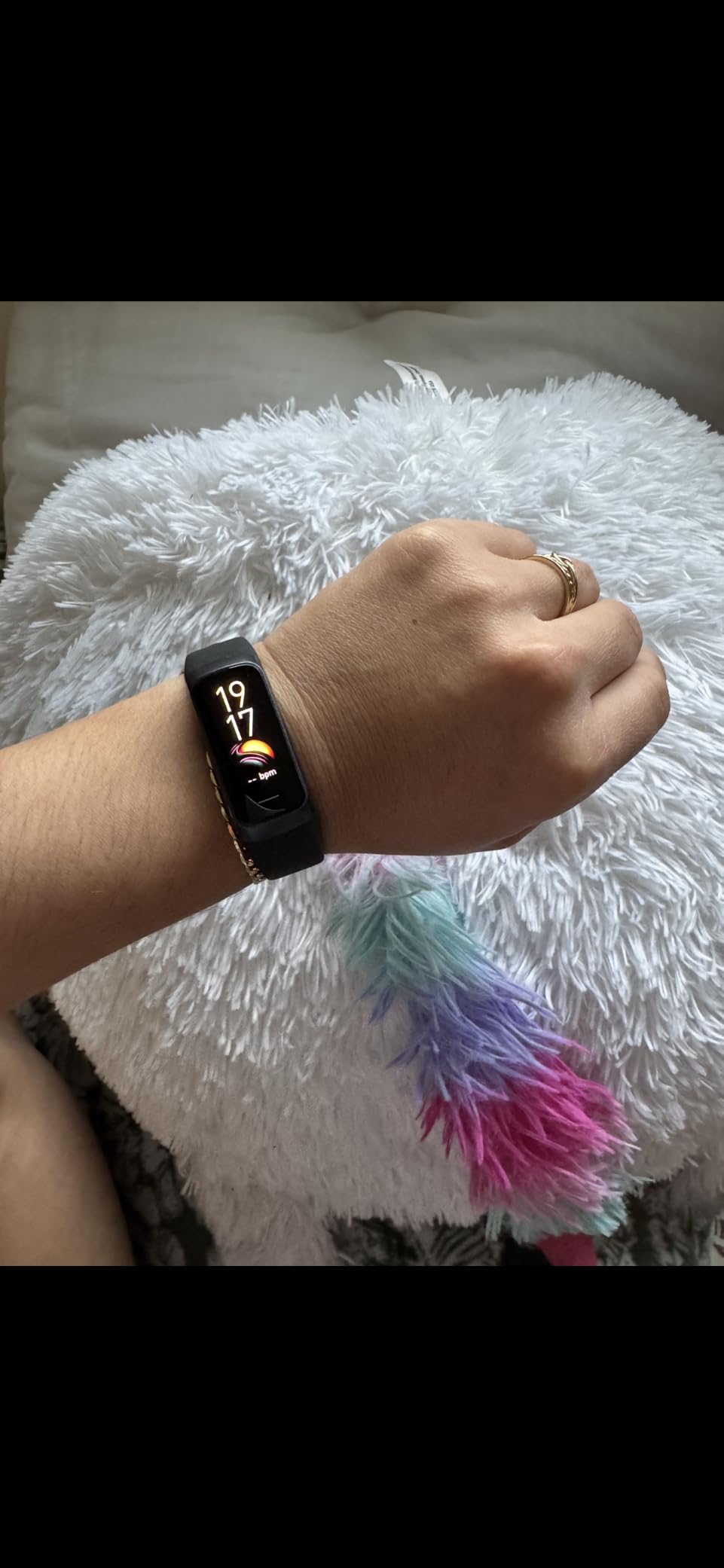
Battery life came in at about 5 to 7 days depending on usage, which is solid for this price range. The AMOLED display drains battery faster than LCD alternatives, but the visual quality is worth the trade-off for most users. Smart notifications for calls and messages work well once paired with the companion app.
The app experience is basic but functional. You get daily and weekly summaries, sleep analysis, and heart rate trends. It does not offer the depth of Fitbit or Garmin apps, but for a beginner who just wants to see their numbers, it does the job. The lack of brightness control was my biggest frustration, as the screen can be too dim outdoors.
Tracking Accuracy Expectations
For under $30, the Moremore tracker delivers acceptable accuracy for daily step counting and resting heart rate. During exercise, the heart rate monitor can lag by a few seconds compared to a chest strap, which is common for wrist-based optical sensors at this price point. Sleep tracking detects sleep and wake times reasonably well but struggles with sleep stage accuracy.
If you need medical-grade accuracy, this is not the right device. But for a beginner who wants a general picture of daily activity, sleep duration, and heart rate trends, it provides enough data to be motivating and useful. Set your expectations accordingly and you will not be disappointed.
Build Quality and Longevity
The build quality is what you would expect at this price. The plastic case feels lightweight but not premium, and the silicone band is comfortable for daily wear. Several users in reviews mentioned that the band can show wear after several months of continuous use, so you may want to budget for a replacement band down the road.
The tracker is available in six colors including Black, Beige, Bordeaux, Deep Purple, Orchid, and Pink, which gives beginners some variety to match their style. For the price, it represents solid value as a first fitness tracker that you can upgrade from once you know what features matter to you.
7. ZURURU Fitness Tracker – Budget Tracker with Blood Pressure Monitoring
ZURURU Fitness Tracker with Blood Pressure Heart Rate Sleep Health Monitor for Men and Women, Upgraded Waterproof Activity Tracker Watch, Step Calorie Counter Pedometer Purple
Battery: 7-10 days
Display: 0.96 inch LCD
Waterproof: IP68
Charging: USB built-in
Pros
- Built-in USB charging no cables needed
- 11 exercise modes
- Blood pressure monitoring
- Long 7-10 day battery life
- Affordable with warranty
Cons
- Sleep tracking can be inaccurate
- Heart rate unreliable during exercise
- Single button interface
- Straps prone to breaking
The ZURURU Fitness Tracker has been a popular budget option for years, with over 10,000 reviews on Amazon. I tested it specifically to see whether it still holds up as a beginner-friendly option in 2026. The standout feature is the built-in USB charging, which means you plug the tracker directly into a USB port without needing a cable.
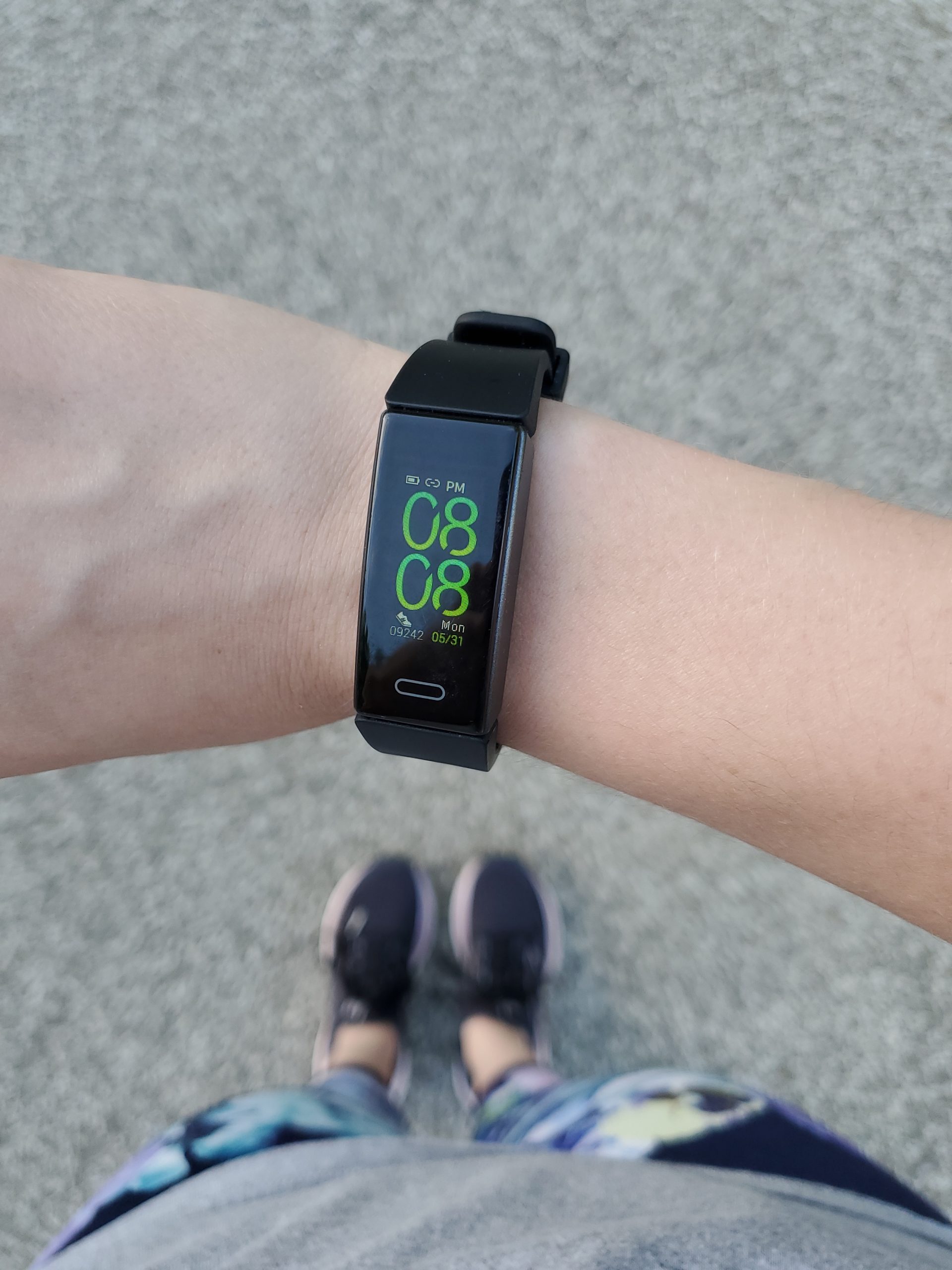
The 0.96-inch LCD display is basic but functional, showing time, steps, heart rate, and notifications. The 11 exercise modes cover common activities like walking, running, cycling, and badminton. Connected GPS uses your phone for route mapping and distance tracking during outdoor activities, which works well if you carry your phone.
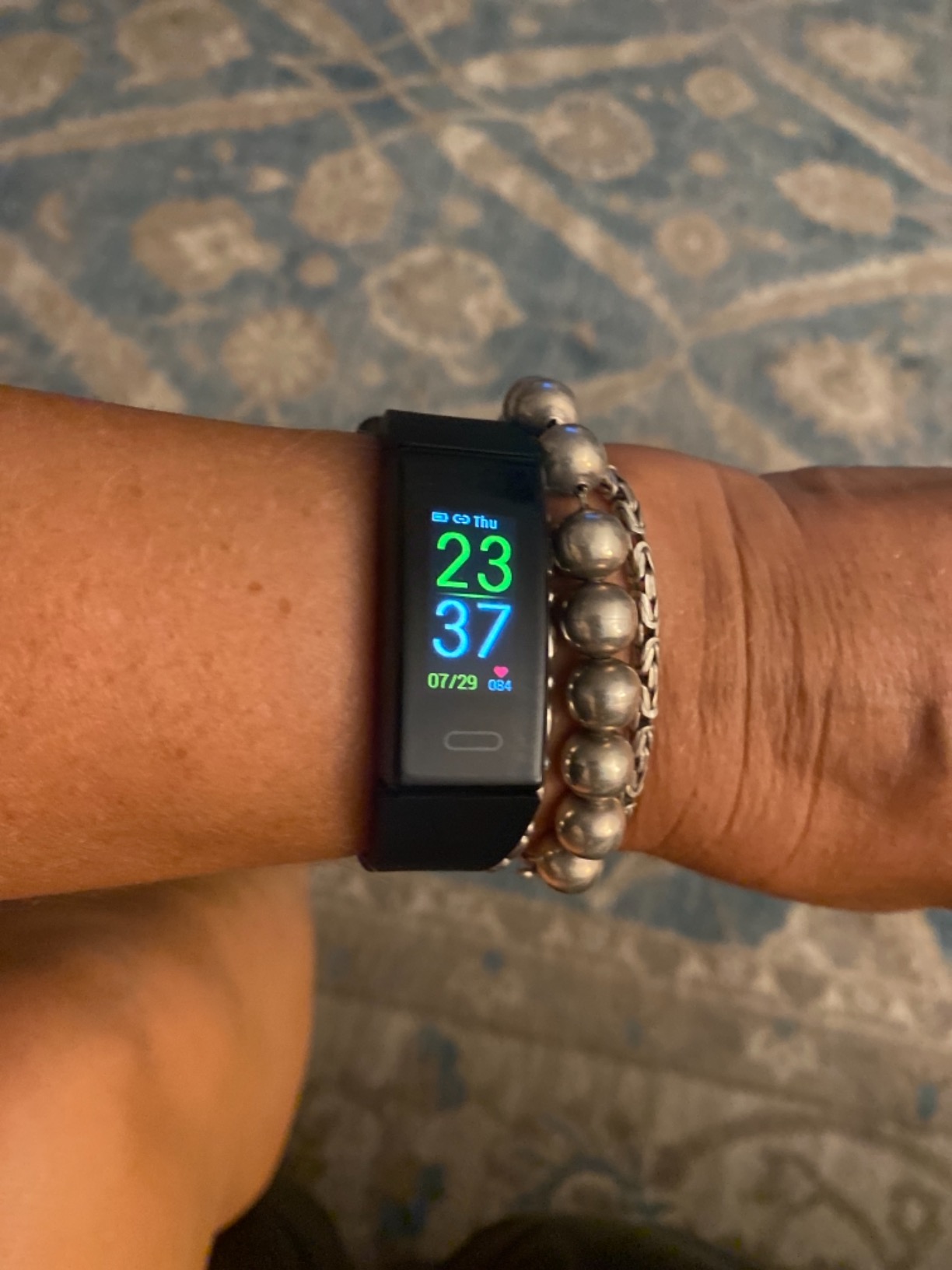
Battery life was the pleasant surprise. I got 7 to 10 days between charges depending on how much I used the heart rate monitor. The blood pressure monitoring feature drew my attention, and while it cannot replace a medical blood pressure cuff, several users in reviews reported that readings were comparable to their traditional monitor. This makes it an interesting option for beginners who want to keep a casual eye on blood pressure trends.
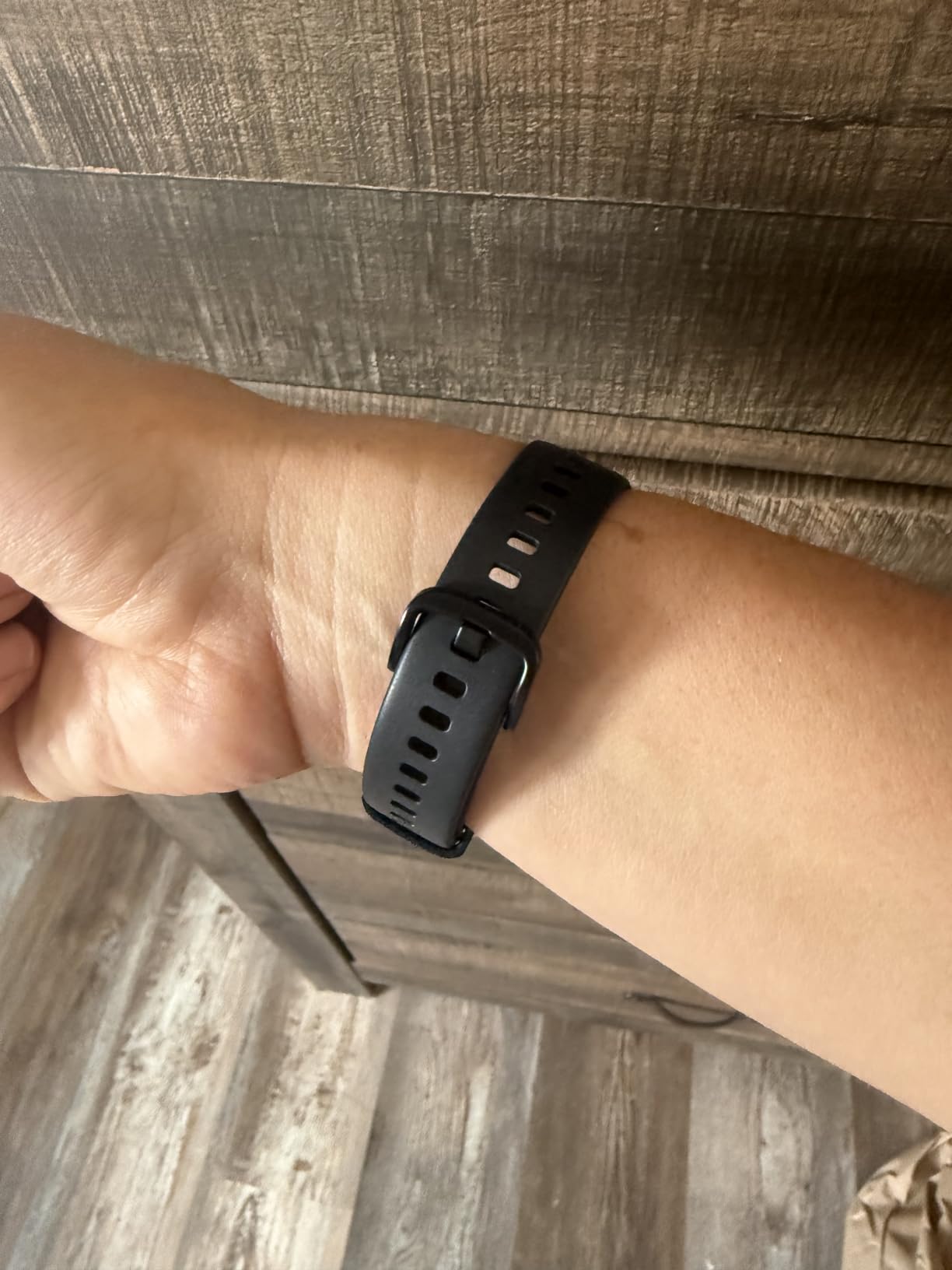
The main downsides are accuracy and build quality. Sleep tracking was inconsistent in my testing, sometimes logging awake time as light sleep. The heart rate monitor struggled during high-intensity exercise, lagging behind a reference chest strap. Several long-term users mentioned that the silicone straps tend to break after extended use, so durability is a concern.
Blood Pressure Monitoring Reliability
The blood pressure feature on the ZURURU uses a calibration process where you take a reading with a traditional cuff and then sync that baseline to the tracker. After calibration, the device estimates blood pressure based on pulse transit time and other metrics. In my testing, the readings were within 5 to 10 mmHg of a standard cuff, which is not medical-grade but useful for trend tracking.
If you have hypertension or need accurate blood pressure data for medical reasons, do not rely on this device alone. Use it as a general indicator and confirm with a proper arm cuff. For beginners who just want a rough picture of their cardiovascular health, it adds value that most trackers at this price do not offer.
Durability Over Time
Despite the accuracy concerns, the ZURURU has a reputation for durability that surprised me. Multiple reviewers reported using the same unit for 4 or more years, which is impressive for a tracker under $30. The built-in USB charging port eliminates the most common point of failure, which is a lost or broken charging cable.
The strap breakage issue is real but easily solved. Replacement bands are inexpensive and widely available. The tracker comes with a 1-year warranty, and the IP68 waterproof rating means it can handle showers, rain, and swimming without damage. For the price, the longevity is above average.
8. Zeacool Fitness Tracker – Ultra-Budget Pick with SpO2 Monitoring
Zeacool Fitness Tracker with 24/7 Heart Rate, Blood Oxygen Blood Pressure Sleep Monitor, Activity Trackers 5 ATM Waterproof,Step Calorie Counter Pedometer Health Smart Watch for Women Men Bordeaux
Battery: 10-14 days
Display: 1.1 inch AMOLED
Waterproof: 5 ATM
Sports: 25 modes
Pros
- Impressive SpO2 accuracy
- Long 10-14 day battery life
- 5 ATM waterproof rating
- Modern stylish appearance
- Affordable price
Cons
- Blood pressure differs from cuff
- Touch screen sensitivity issues
- No automatic activity detection
- Sleep tracking gaps
At under $25, the Zeacool Fitness Tracker is the least expensive option on our list, but it still manages to include features that surprise for the price. The 1.1-inch AMOLED display is clear and colorful, and the 5 ATM waterproof rating means it can handle swimming in addition to showers and rain. I tested it for a week of daily wear, walking, and pool swimming.
The standout feature is the SpO2 blood oxygen monitoring, which I found to be surprisingly accurate compared to a pulse oximeter. The 25 sport modes cover the activities most beginners care about, and the real-time heart rate monitoring worked well for resting and moderate-intensity exercise. Temperature monitoring is a nice bonus at this price point.
Battery life was excellent, lasting 10 to 14 days on a single charge with regular use. The magnetic fast charging is convenient, snapping into place without fiddling with a cable. The sleep tracking provides a nightly sleep score, though it sometimes struggled to detect when I was lying awake versus actually asleep.
The main issues are touch screen sensitivity and blood pressure accuracy. The screen sometimes registered accidental swipes during workouts, changing the display when I did not intend to. Blood pressure readings differed noticeably from a standard arm cuff, so treat those numbers as rough estimates rather than reliable data.
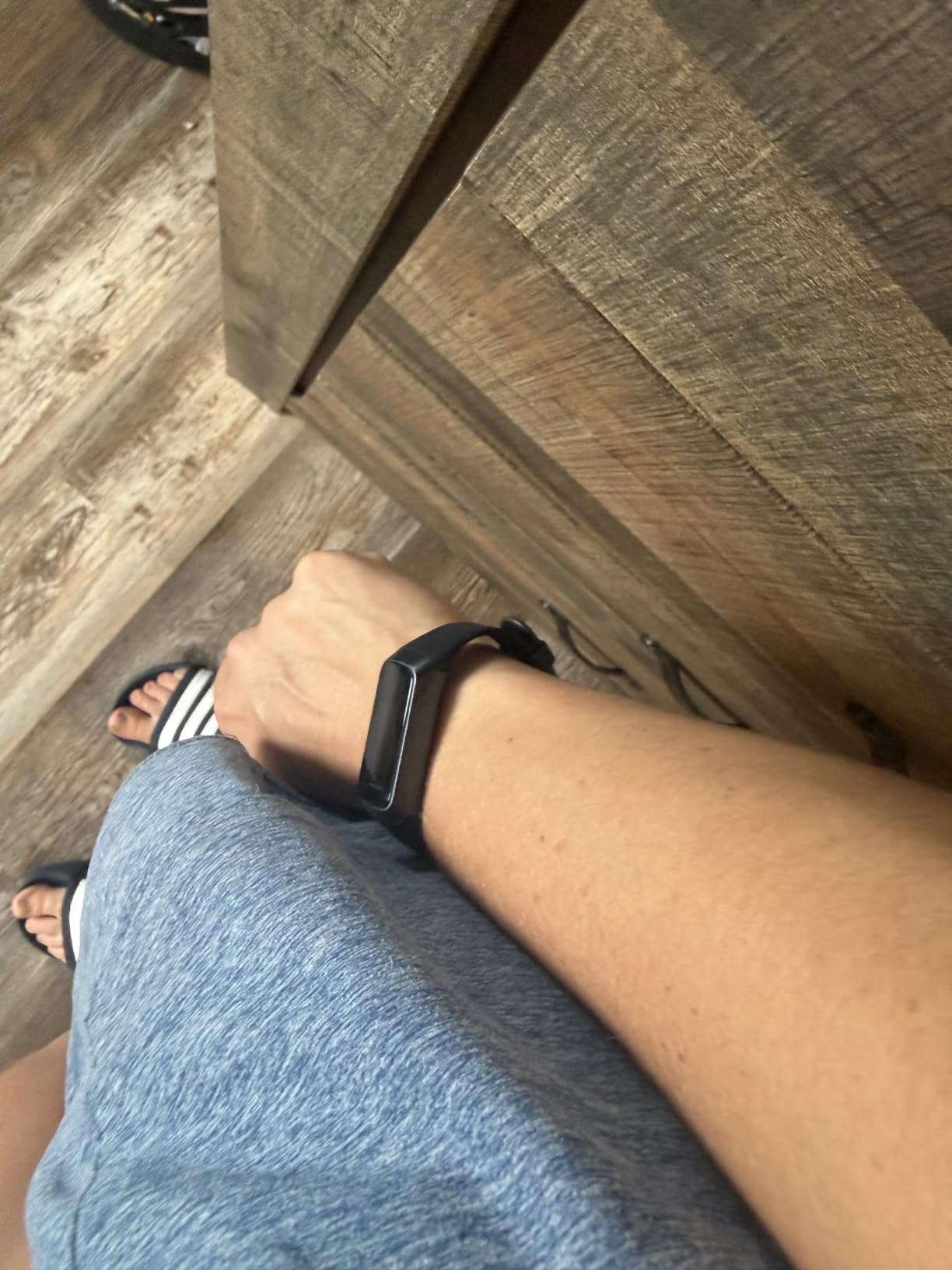
Water Resistance for Swimming
The 5 ATM waterproof rating is a genuine advantage at this price point. This means the Zeacool can withstand pressures equivalent to 50 meters of water depth, making it suitable for swimming in pools and shallow water. I tested it in a pool for several sessions without any issues, and the swim tracking mode recorded laps and duration.
This is one area where the Zeacool outperforms more expensive trackers that only carry an IP68 rating, which is typically rated for 1.5 meters of water. For beginners who want to add swimming to their routine without worrying about their tracker, this is a meaningful feature. Just rinse it with fresh water after pool use to prevent chlorine buildup.
Sensors and Health Metrics
The Zeacool packs an impressive sensor array for the price, including heart rate, blood oxygen, blood pressure, and temperature monitoring. The accuracy varies by metric, with SpO2 being the most reliable and blood pressure being the least reliable. Heart rate tracking is good for resting and walking but less accurate during vigorous exercise.
The companion app provides daily and weekly summaries with charts for each metric. It is not as polished as the Fitbit or Garmin apps, but it gets the job done for a beginner who wants to see trends. The menstrual reminder and drinking water reminder are thoughtful additions for health-conscious users.
How to Choose a Fitness Tracker for Beginners?
Choosing your first fitness tracker does not have to be complicated. Based on our testing and the thousands of user reviews we analyzed, here are the factors that matter most for beginners in 2026. Use this guide to narrow down your options before making a decision.
Budget and Subscription Costs
Set a budget before you start shopping, but also factor in subscription costs. Some trackers, like the Fitbit Inspire 3 and Google Fitbit Air, include a free trial of Google Health Premium but then charge about $10 per month for advanced features. Others, like the Garmin Forerunner 55 and Samsung Galaxy Fit 3, offer all their features with no ongoing subscription.
For a true beginner, I recommend starting with a tracker that has strong free features. You can always upgrade to a premium subscription later if you find you want deeper insights. The budget options from Moremore, ZURURU, and Zeacool have no subscription model at all, which keeps your total cost predictable.
Battery Life Expectations
Battery life was the single most mentioned feature in forum discussions, with users consistently wanting 7 days or more between charges. Trackers with AMOLED displays tend to have shorter battery life than those with MIP or LCD screens. The Garmin Forerunner 55 leads the pack with two weeks, while the Samsung Galaxy Fit 3 and Zeacool both offer 14-day potential.
Consider how often you are willing to charge your tracker. If you want to set it and forget it, look for options with 10 or more days of battery life. If you do not mind charging every few days, you can opt for devices with brighter AMOLED displays that trade battery life for visual quality.
Display Readability in Sunlight
This was a common complaint in our forum research, with one Reddit user saying they returned three trackers because they could not read the screen outdoors. MIP displays like the Garmin Forerunner 55 are actually designed to be more readable in bright sunlight. AMOLED displays look better indoors but can wash out in direct sun.
If you plan to use your tracker primarily outdoors for running or walking, prioritize display readability. If most of your activity is indoors, an AMOLED screen will give you a more enjoyable visual experience.
Heart Rate and Health Tracking Accuracy
Wrist-based optical heart rate monitors are standard on all the trackers in this guide, but accuracy varies. Premium options from Fitbit and Garmin tend to be more accurate than budget alternatives, especially during high-intensity exercise. If heart rate accuracy is important to you, lean toward the Fitbit Inspire 3, Garmin Forerunner 55, or Garmin vivoactive 5.
For sleep tracking, all of these devices detect sleep duration reasonably well, but sleep stage accuracy varies. Budget trackers tend to struggle with distinguishing between light and deep sleep. The Fitbit and Garmin options provide more reliable sleep stage data and useful coaching insights.
Water Resistance for Swimming
If swimming is part of your fitness plan, check the water resistance rating carefully. A 5 ATM rating, like the Zeacool offers, means the device can handle pool swimming. IP68 ratings typically cover rain, showers, and splashes but may not be suitable for sustained swimming. The Fitbit Inspire 3, Garmin models, and Samsung Galaxy Fit 3 all carry 50-meter water resistance ratings.
For beginners who are just starting to explore different activities, having a tracker that can handle water gives you flexibility. Even if you do not swim now, you might want to try it later.
App Ease of Use for Beginners
The companion app is where you will spend most of your time analyzing data, so it matters. The Fitbit app is the most beginner-friendly we tested, with clear visuals and guided onboarding. The Garmin Connect app is powerful but has a steeper learning curve. Budget tracker apps tend to be basic but functional.
Before buying, download the companion app on your phone to see if it feels intuitive. Most apps are free to install even without a device, so you can explore the interface before committing.
Comfort for All-Day Wear
You will be wearing this tracker day and night, so comfort is critical. Lightweight designs like the Fitbit Inspire 3 at 3.8 ounces and Garmin Forerunner 55 at 37 grams are ideal for all-day wear. Bulkier options may feel fine during workouts but uncomfortable during sleep. This is also where fitness tracking can help you improve your posture with movement tracking and daily activity reminders.
Pay attention to band material as well. Silicone bands are standard and comfortable for most people, but some users develop skin irritation with prolonged wear. Make sure to remove the tracker periodically to let your skin breathe, especially during the first few weeks.
Frequently Asked Questions
What is the best fitness tracker for beginners?
The Fitbit Inspire 3 is the best fitness tracker for beginners because it offers a simple setup, comfortable lightweight design, 10-day battery life, and an easy-to-use app. Its Daily Readiness Score helps new users understand when to push hard and when to rest, making it ideal for someone just starting their fitness journey.
Do fitness trackers need subscriptions?
Most fitness trackers work without a subscription for core features like step counting, heart rate monitoring, sleep tracking, and exercise recording. However, some brands like Fitbit and Google offer premium subscriptions at about $10 per month for advanced insights, guided workouts, and personalized coaching. Garmin and Samsung include most features for free with no ongoing subscription required.
How accurate are fitness trackers?
Fitness tracker accuracy varies by brand and metric. Step counting is generally accurate within 5 to 10 percent on quality trackers like Fitbit and Garmin. Heart rate monitoring is reliable at rest but can lag during high-intensity exercise. Sleep duration tracking is fairly accurate across devices, while sleep stage accuracy is less consistent. Premium trackers from Fitbit and Garmin tend to outperform budget options in overall accuracy.
What are the downsides of wearing a fitness tracker?
Common downsides include potential obsession with metrics and numbers, skin irritation from prolonged wear, hidden subscription costs for advanced features, inconsistent accuracy on budget models, and the temptation to check notifications constantly. Some users also report that screenless trackers like the Fitbit Air lack the glanceable feedback they need during workouts.
Can beginners use Garmin fitness trackers?
Yes, beginners can use Garmin fitness trackers. The Garmin Forerunner 55 is specifically designed to be simple and approachable, with daily suggested workouts that adapt to your fitness level. The Garmin vivoactive 5 offers a beautiful AMOLED display and guided features. While Garmin’s app has more depth than Fitbit’s, the core features are easy to use right out of the box.
Final Thoughts on the Best Fitness Trackers for Beginners
Finding the best fitness trackers for beginners in 2026 comes down to matching the device to your goals and budget. The Fitbit Inspire 3 remains our top overall pick thanks to its unbeatable combination of simplicity, comfort, and proven accuracy. For new runners, the Garmin Forerunner 55 offers built-in GPS and coaching features that grow with you. And for budget-conscious buyers, the Samsung Galaxy Fit 3 delivers a premium AMOLED display and 14-day battery at a fraction of the cost.
The most important thing is to choose a tracker you will actually wear every day. The best device is the one that stays on your wrist, tracks consistently, and motivates you to move more. Start simple, learn what metrics matter to you, and upgrade when you are ready for more advanced features. Your fitness journey starts with that first step, and any of these eight trackers will help you count it accurately.