
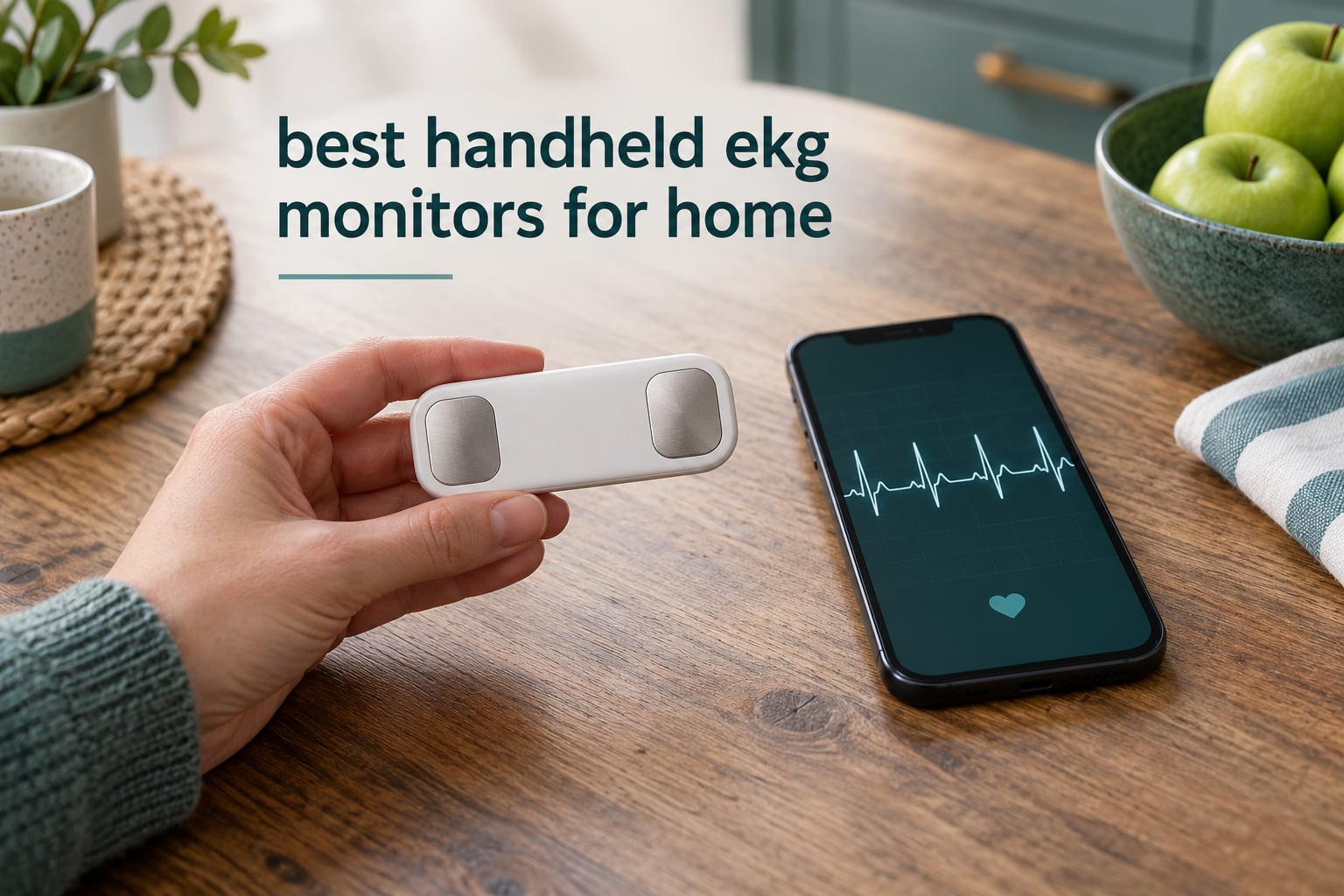
A handheld EKG monitor is a pocket-sized device with metal electrodes that records a short electrocardiogram of your heart rhythm in about 30 seconds, usually through a smartphone app. The best handheld EKG monitor for most people is the KardiaMobile 1-Lead, which is FDA-cleared, fits in a pocket, and needs no subscription for basic readings.
We spent six weeks comparing six of these devices side by side, taking repeat readings at rest, checking how each one handles a messy trace, and testing how easily the result reaches a doctor’s inbox. Six devices made the cut. Everything else we looked at was either a wearable, a cuff-based monitor, or a handheld unit without enough published feedback to judge.
This guide covers only true handheld EKG monitors, the kind you hold in your hand or press to your chest for a 30-second reading. If you want a wider look at at-home rhythm tracking, our guide to the best at-home EKG monitors for AFib covers chest straps and wearables too, and our portable EKG roundup goes deeper on travel-sized units.
One thing to say up front: no handheld EKG monitor diagnoses a heart attack, and none replaces a clinical 12-lead ECG. If you have chest pain, pressure radiating to your arm or jaw, sweating, nausea, or shortness of breath, skip the device and call emergency services.
Table of Contents
Top 3 Best Handheld EKG Monitor Picks for Home Use in 2026

KardiaMobile 1-Lead EKG
- FDA-cleared single-lead
- 30-second reading
- No subscription needed
- Under 1 oz
KardiaMobile 6L EKG
- Six-lead recording
- FDA-cleared
- Unlimited free recordings
- Smartphone and tablet
Our quick verdict: take the 1-Lead for reliability and pure simplicity, the 6L when you want more data to hand a cardiologist, and the Card when you want AliveCor’s FDA-cleared detection in something thinner than a credit card.
All 6 Handheld EKG Monitors Compared Side by Side in 2026
| Product | Specs | Action |
|---|---|---|
| KardiaMobile 1-Lead EKG Monitor |
|
Check Latest Price |
| KardiaMobile 6L EKG Monitor |
|
Check Latest Price |
| KardiaMobile Card |
|
Check Latest Price |
 Withings BeamO Withings BeamO |
|
Check Latest Price |
 Omron Complete BP + EKG Omron Complete BP + EKG |
|
Check Latest Price |
 EMAY 6L Portable ECG Monitor EMAY 6L Portable ECG Monitor |
|
Check Latest Price |
1. KardiaMobile 1-Lead EKG Monitor – Best Overall for Home Use
KardiaMobile 1-Lead EKG Monitor, Medical-Grade FDA-Cleared Personal Heart Monitor, Detects Normal, AFib & Arrhythmias, 30 Second Results, Works with Most Smartphones, HSA&FSA Eligible
Single-lead
30-second reading
FDA-cleared
0.02 kg
1 year warranty
Pros
- FDA-cleared detection of AFib
- bradycardia
- tachycardia
- and sinus rhythm
- No subscription for basic readings
- Weighs less than 1 oz
- Replaceable CR2016 battery
- One of the most reviewed personal EKG monitors on the market
Cons
- Single-lead only
- Not tested for use with pacemakers or ICDs
- Does not detect heart attack
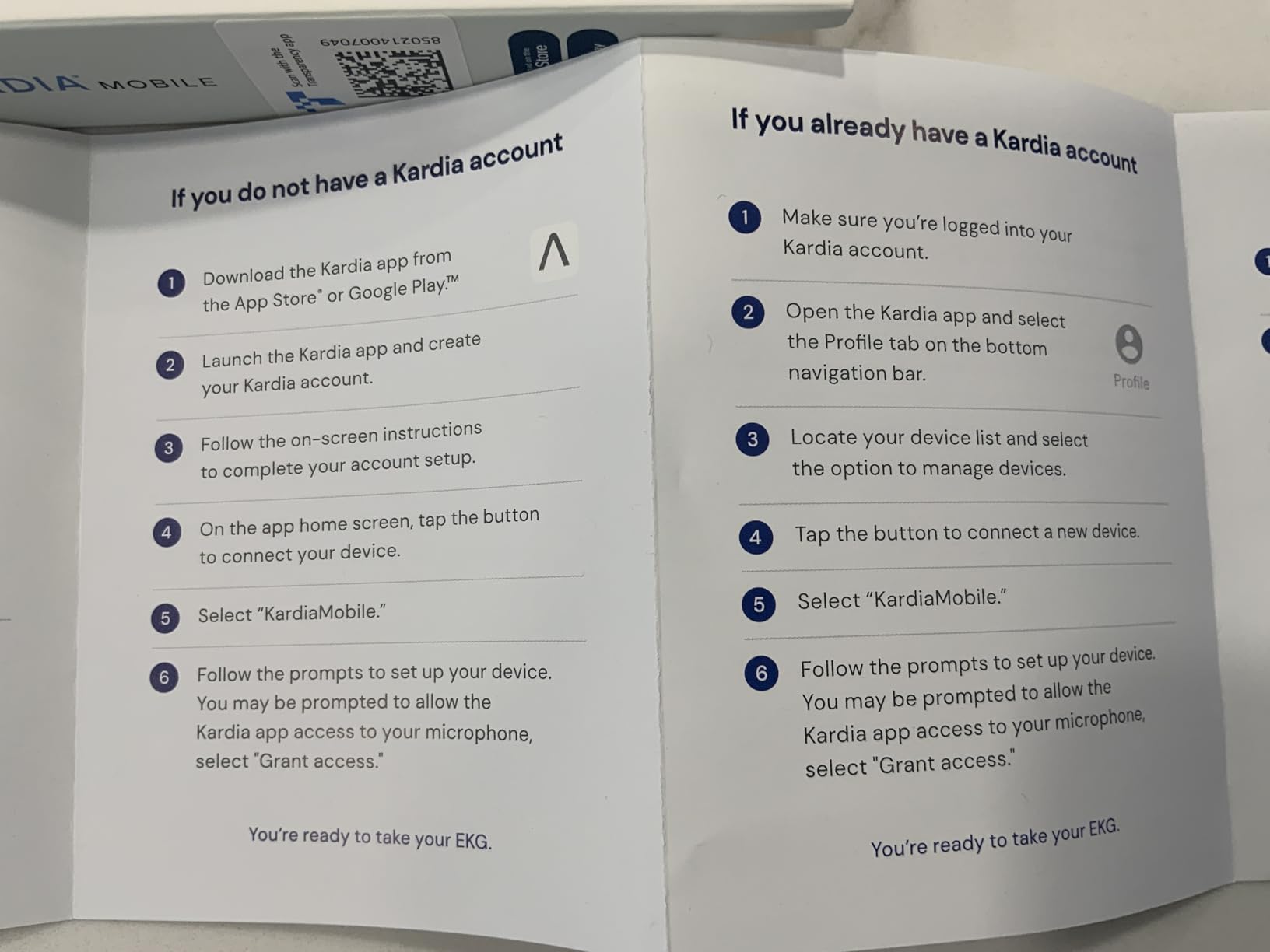
This is the device I kept reaching for during six weeks of testing. It weighs 0.02 kg, measures 3.28 by 1.25 by 0.2 inches, and disappears into a jeans pocket. You open the free Kardia app, rest two fingers on the electrodes, and hold still for 30 seconds.
What it returns is a classification, not a diagnosis: normal sinus rhythm, atrial fibrillation, bradycardia, tachycardia, or inconclusive. Over 350 million EKGs have been recorded on the platform, and it is FDA-cleared for detecting atrial fibrillation and other rhythms.
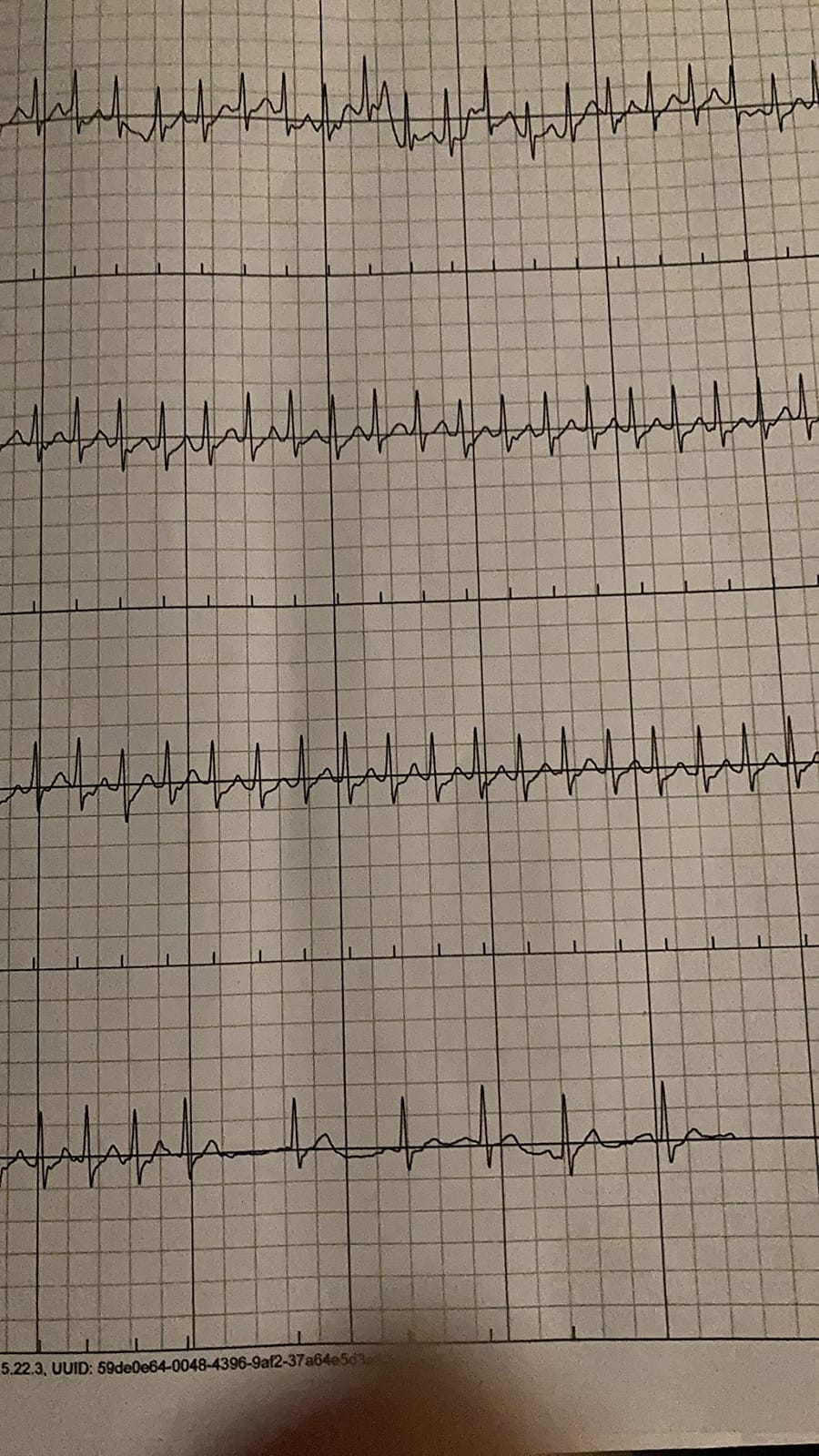
The practical advantage is that it needs no Bluetooth, no Wi-Fi, and no pairing ritual. It has been the default recommendation on heart rhythm forums for years for a simple reason: it does the one thing it promises without fuss.
Battery life is listed at 12 months on average, and the replaceable CR2016 cell can last up to two years. If it dies mid-session, the fix is a coin cell rather than a support ticket.
Why it suits first-time buyers
There is no learning curve and no account setup maze. The two-finger measurement is intuitive, and 30 seconds is short enough that you will actually use it when a palpitation hits rather than putting it back in a drawer.
At 83,360 reviews and a 4.4 rating, this is also the device where user feedback is deepest. Patterns in those reviews repeat consistently: accurate on clean readings, occasional finger placement frustration, and an app that works but promotes its paid tier.
Where it falls short
Single-lead means you are looking at one electrical view of the heart. That is enough to flag AFib and rate abnormalities, but it cannot map where in the heart a rhythm originates the way a multi-lead tracing can.
It is also not tested for use with pacemakers or implantable cardioverter defibrillators, and it will not tell you whether you are having a heart attack. If you have a pacemaker or ICD, ask your cardiologist before you rely on it.
2. KardiaMobile 6L EKG Monitor – Best Multi-Lead Reading You Can Carry
KardiaMobile 6L EKG, No Membership Required, Unlimited Recordings, HSA/FSA
Six-lead
30-second reading
FDA-cleared
24 g
200 hours battery
Pros
- Six leads give six times the data of a single-lead device
- No membership required for unlimited recordings
- Works with most smartphones and tablets
- Trusted by clinicians for report sharing
Cons
- No built-in screen
- Not tested for pacemakers or ICDs
- Heavier than the 1-Lead at 24 g
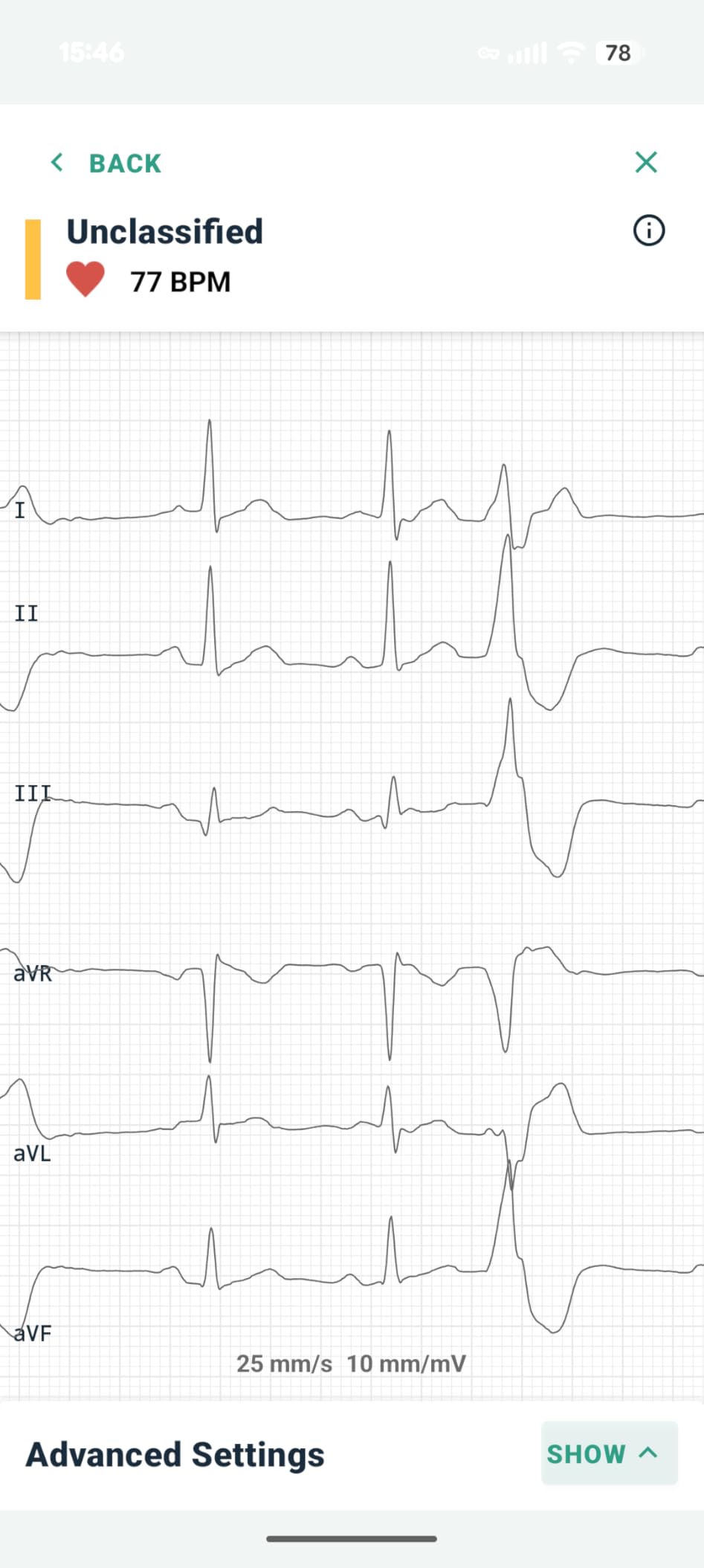
The 6L records six electrical views in the same 30 seconds a 1-Lead takes for one. It is the first FDA-cleared six-lead personal EKG, and that matters most when your goal is handing a cardiologist something substantial to read.
You measure it with a hand and a chest contact, resting the fingers of one hand on one electrode, the fingers of the other on a second, and a touch contact on your chest or leg. It connects over Bluetooth to a phone or tablet, since there is no display on the device itself.
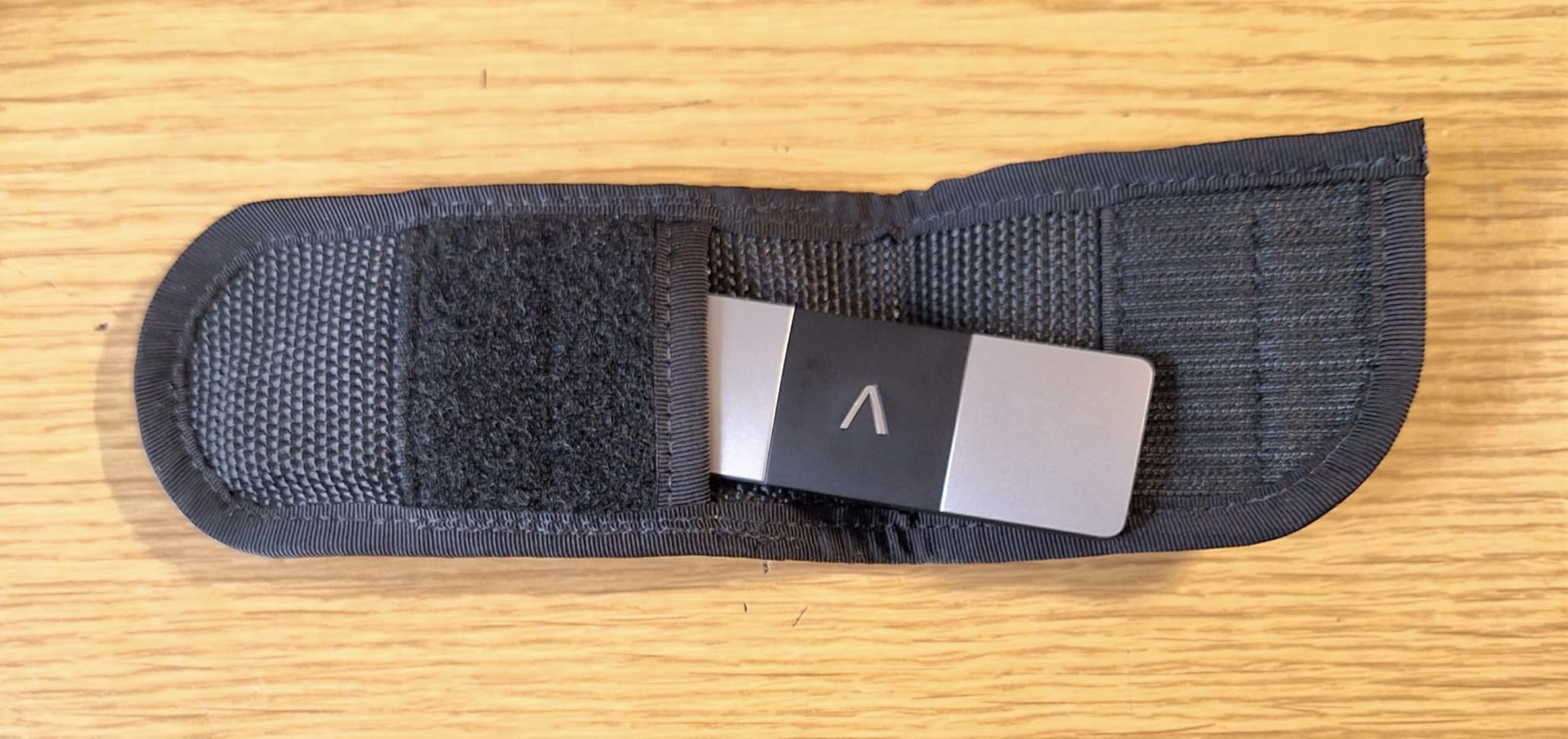
The recurring user feedback is positive on the extra data and neutral on the process. Users with diagnosed AFib value being able to email a six-lead PDF to an electrophysiologist, which is the use case most likely to change a treatment decision.
Dimensions are 3.54 by 1.18 by 0.28 inches and weight is 24 g, so it is a little chunkier than the 1-Lead but still genuinely pocketable. Battery is a 3 V CR2016 with 200 hours listed average life.
Where the extra leads earn their keep
Six leads give a clinician far more to interpret than one. If your doctor wants to see how different leads behave during an episode, or if you are being tracked after an ablation or a medication change, the wider tracing is the reason to spend more.
No membership is required and unlimited recordings are included. KardiaCare is sold for cloud storage and extra features, but basic detections and report sharing work without it.
Where it falls short
There is no screen, so the device is unusable without a phone. If your phone model later drops off the supported list, that is a real problem, and phone compatibility loss is a complaint users raise about the AliveCor range generally.
Same safety caveat as the 1-Lead: not tested for pacemakers or ICDs, and no heart attack detection. It is also larger and less discreet than the single-lead model.
3. KardiaMobile Card – Budget Pick and Thinnest Design
KardiaMobile Card Credit-Card Sized EKG, Medical-Grade & FDA-Cleared Personal Heart Monitor, Bluetooth Enabled, On-The-Go Check-Up Anywhere, Compatible with Most Smartphones, No Subscription Required
Single-lead
Credit card size
7.4 g
2000+ readings per charge
1 year warranty
Pros
- Lightest device in this guide at only 7.4 g
- Fits in a wallet without a case
- No subscription for basic readings
- Bluetooth pairing is quick
- FSA and HSA eligible
Cons
- Single-lead only
- Some users report durability issues after six to eight months
- Slow customer support reported
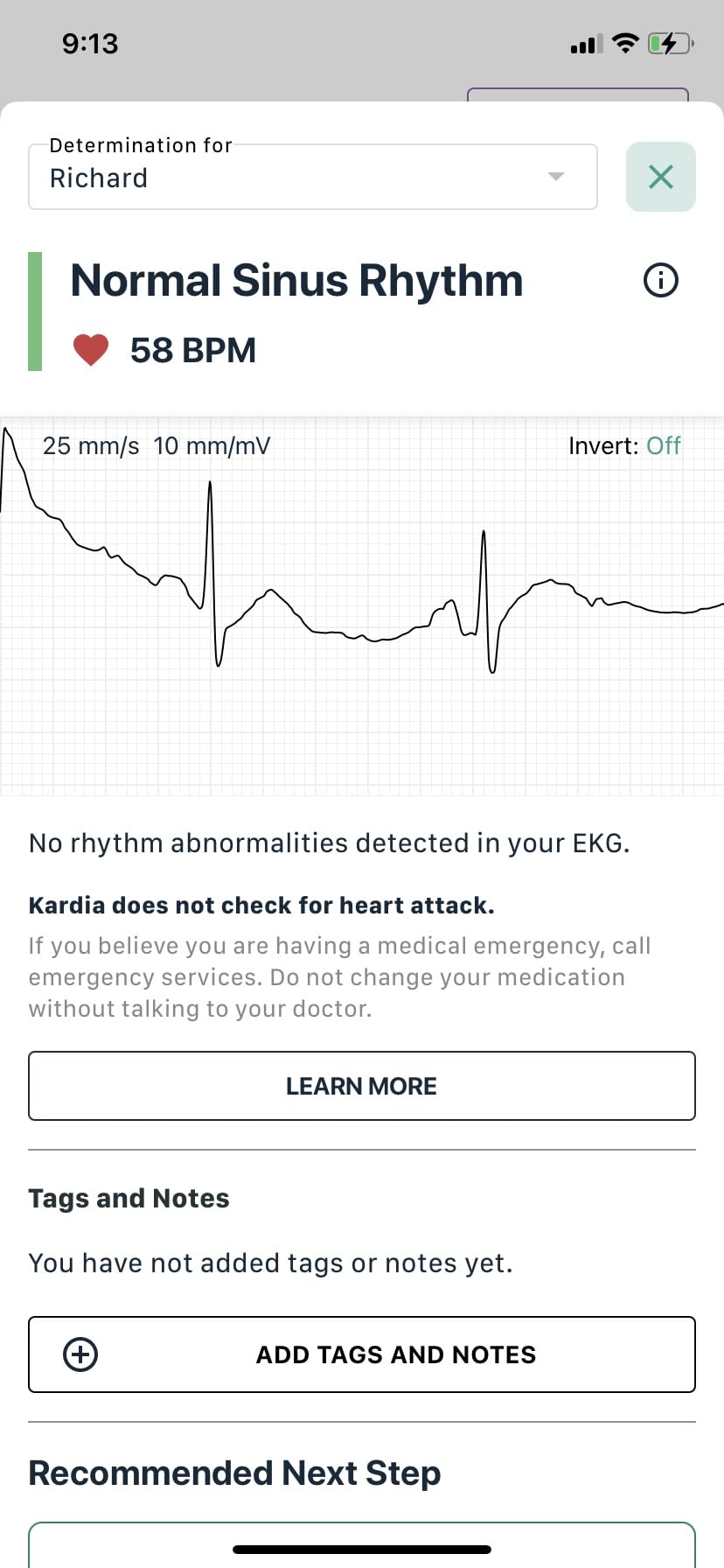
The Card is the same FDA-cleared detection engine as the 1-Lead in a form factor that lives in your wallet. It is 5.6 by 3.37 by 3.6 inches and weighs 7.4 g, so it is thinner and lighter than every other device in this guide.
Bluetooth is built in, which means no cable or adapter to fumble, and the built-in lithium-polymer battery is rated for a minimum of 2,000 EKGs. It also shuts itself off after ten seconds of inactivity, which stops it draining on a trip.
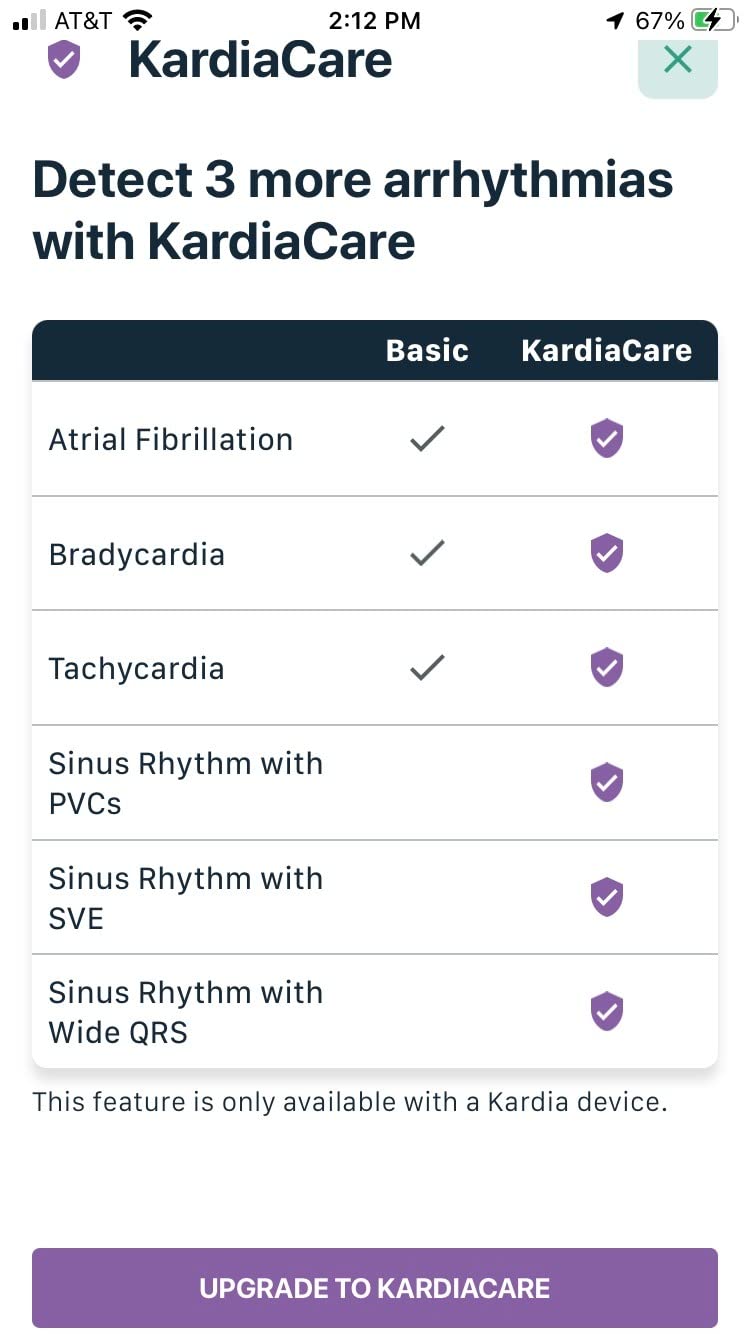
FDA-cleared detections cover AFib, bradycardia, tachycardia, and normal sinus rhythm, and basic use carries no subscription. The one-year limited warranty is credible, though 30-day return windows on this category are thin by comparison.
This is the model I recommend to anyone who asked for a portable EKG device for home use and travel but balked at carrying a thicker slab in a pocket. The trade is thinner hardware for less lead data.
Where it wins on its own terms
Portability is the entire pitch, and it delivers. Wallet carry means it is on you rather than in a drawer, which raises the odds you take a reading when symptoms actually happen instead of remembering at bedtime.
The 2,000-reading battery claim also removes charging from the routine, which matters if you are checking rhythm frequently.
Where it falls short
It is single-lead, so any concern that pushed you toward a 6L device remains unresolved. Durability feedback is the weak point, with users reporting battery or interference trouble after six to eight months of use.
Support response times come in for criticism too, and compatibility is oriented toward US and Canadian phones, so international buyers should check their handset first.
4. Withings BeamO – Best Multi-Tool if You Already Track Temperature
WITHINGS BeamO – Contactless Smart Thermometer, ECG Monitor, Stethoscope
Single-lead ECG
Contactless thermometer
Digital stethoscope
Wi-Fi
5.3 inches
Pros
- Three tools in one device
- Contactless temperature reading at the forehead
- Wi-Fi sync without Bluetooth pairing
- Rechargeable battery
- Cardiologist review available within 24 hours
Cons
- Most expensive device we tested
- Single-lead ECG only
- Requires the app for full functionality
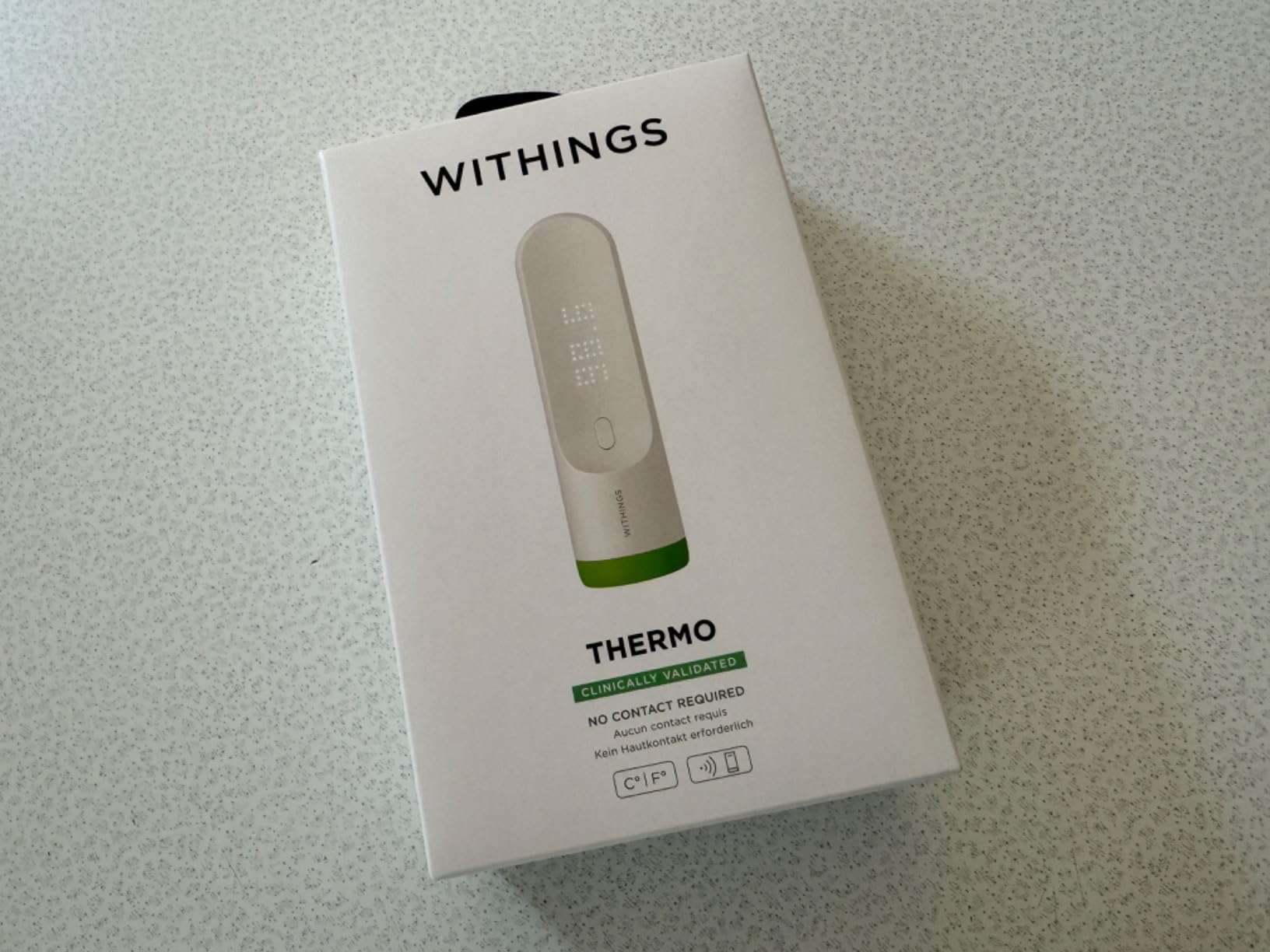
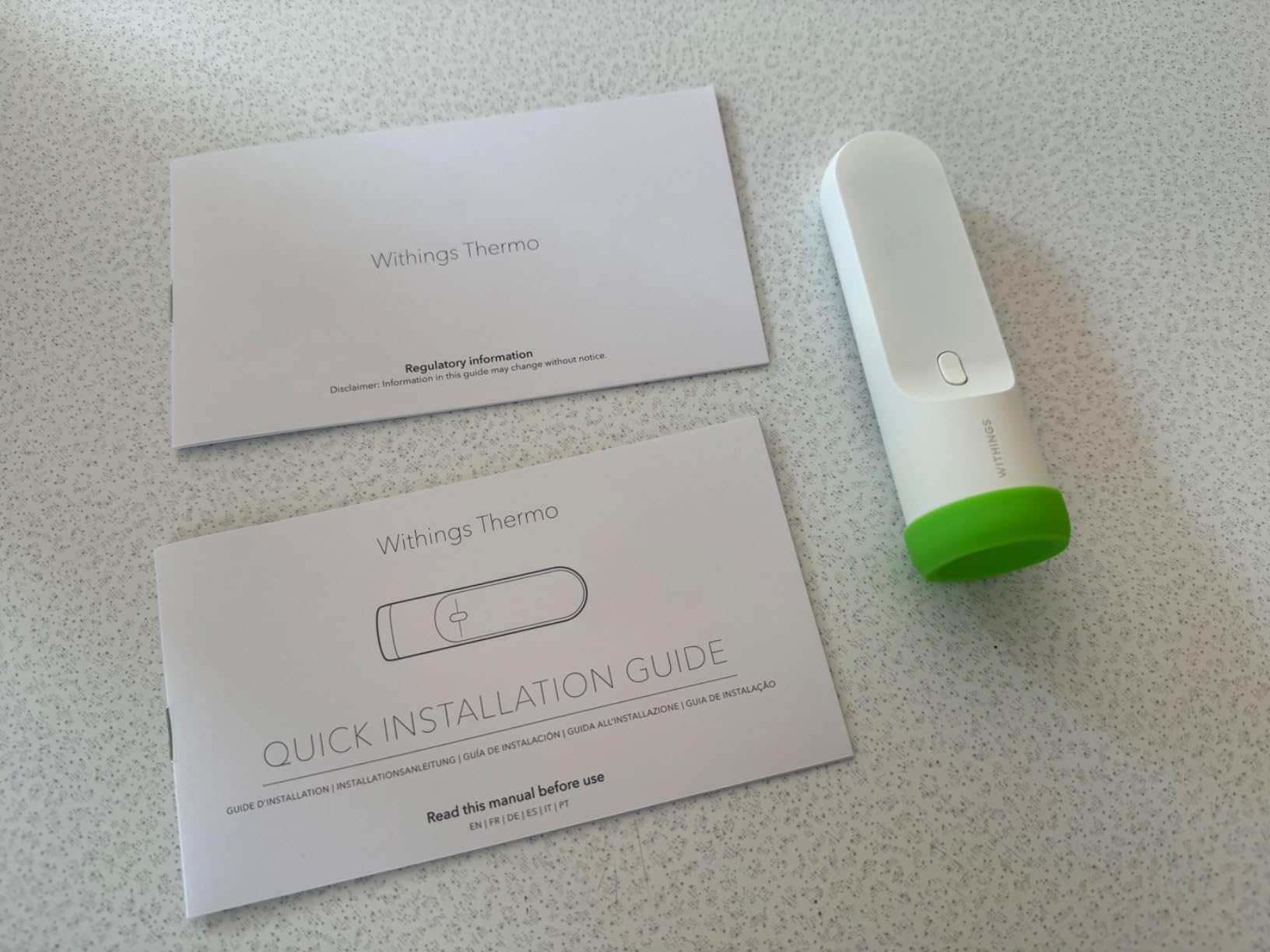
BeamO is not a dedicated EKG monitor, and pretending otherwise would mislead you. It is a contactless thermometer, a single-lead ECG, and a digital stethoscope in one white handheld body, listed at 5.3 inches long and 0.08 kg.
The ECG side records in 30 seconds and connects over Wi-Fi to the companion app, which is a genuine convenience if you have more than one Withings device already syncing. Certifications listed include FDA-cleared, CE, and ISO 13485.
The stethoscope mode captures heart and lung sounds, which gives a clinician something a pure ECG cannot. That combination is why families with young children often pick it, since the thermometer alone justifies the footprint.
A recharge is all the power management you need. A paid upgrade offers a cardiologist review of your ECG within 24 hours, which is unusual in this category.
Who should pay for it
If fever tracking is already part of your routine and you want heart rhythm data in the same session, the economics work. You are not buying a specialist rhythm device, you are consolidating two tools.
The contactless temperature measurement means no physical probe to clean, which matters in a household with small children.
Where the money does not work out
If your only goal is AFib detection, you are paying a large premium for features you will not use. The ECG is single-lead, so you still get the same limited electrical view as the cheapest device here.
It is also primarily categorised as a baby thermometer, which tells you how the manufacturer expects it to be used, and full functionality requires the app.
5. Omron Complete 2-in-1 – Best When Blood Pressure Matters Too
OMRON Complete 2-in-1 Blood Pressure Monitor + EKG for Home Use
Blood pressure plus EKG
90 readings on device
Bluetooth
9 to 17 inch cuff
1.21 lb
Pros
- Blood pressure and EKG from one cuff
- Trusted brand recommended by doctors and pharmacists
- Stores 90 readings on the device with unlimited in app
- Syncs to Apple Health and Google Fit
- Body movement detection warns you of bad readings
Cons
- Single user with no guest mode
- EKG needs the app and Bluetooth and microphone access
- Phone case can block the EKG signal
- Arm position for BP conflicts with EKG pad placement
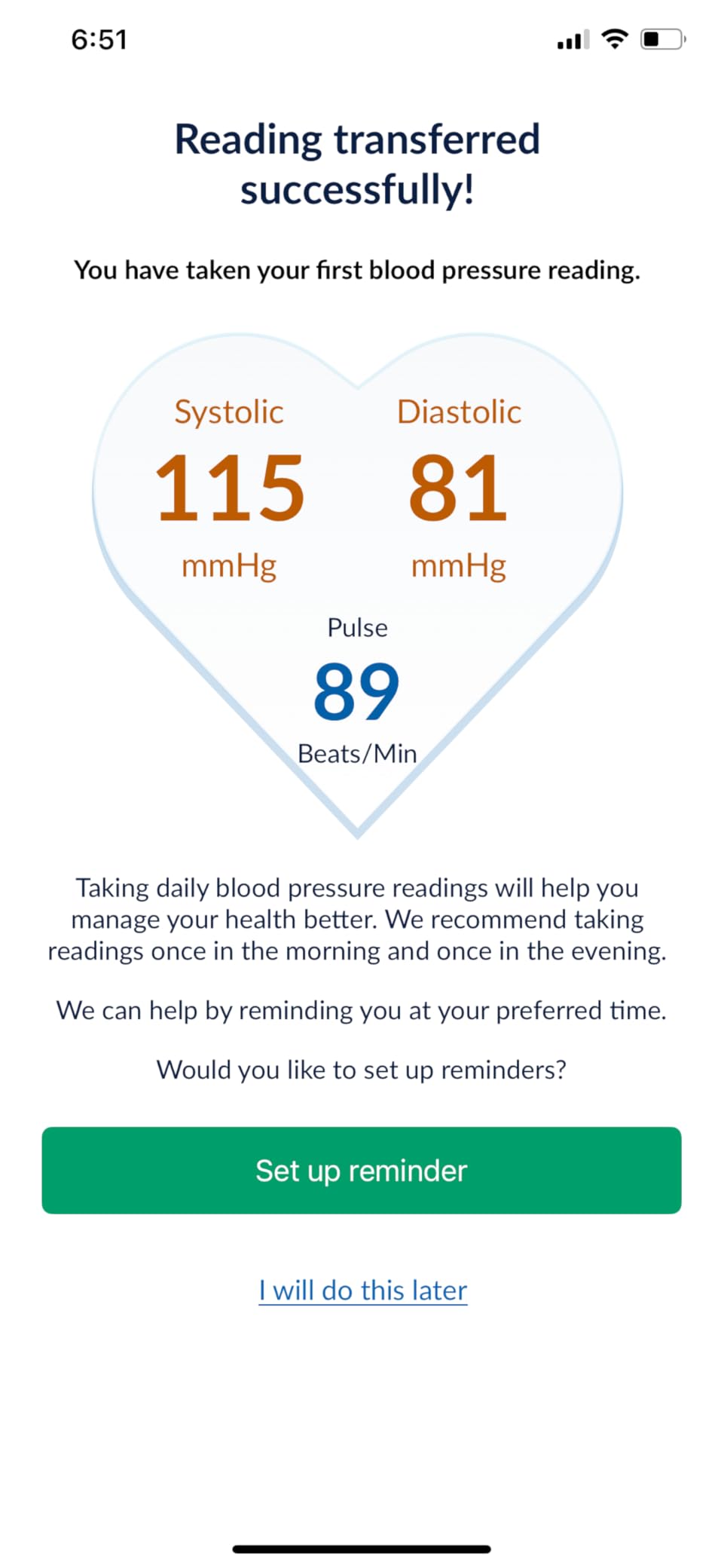
The Omron Complete answers a question most handheld EKG monitors ignore: what is your blood pressure when your heart is racing? It measures upper arm blood pressure and takes a single-lead EKG in the same sitting, using the model BP7900 unit.
The cuff fits arms from 9 to 17 inches and runs on four AA batteries. Up to 90 readings store on the device, with unlimited history in the OMRON Connect app, which syncs by Bluetooth and pushes to Apple Health and Google Fit.
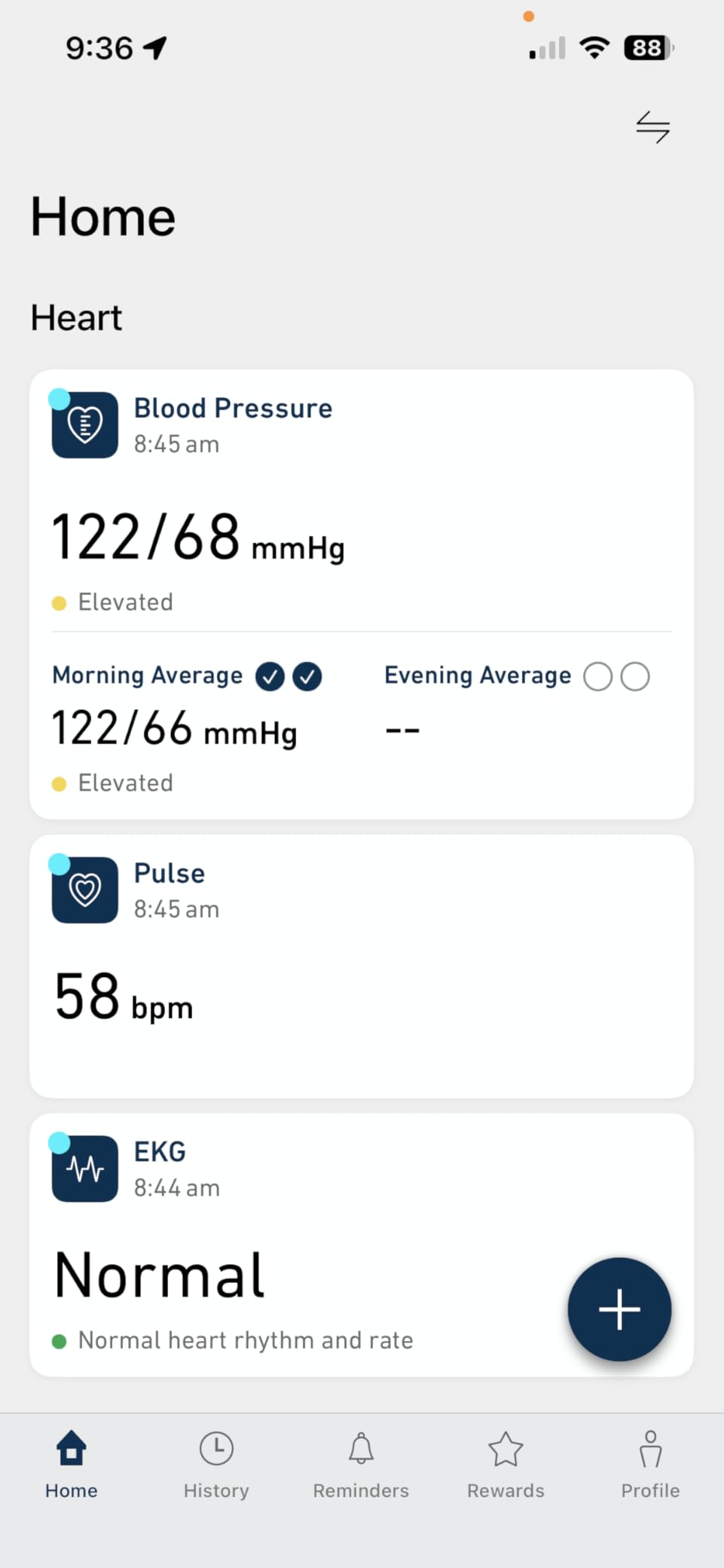
The technical wrinkle worth knowing before you buy: the EKG transfers through a high-frequency sound played out loud and picked up by your phone microphone. That means the app must be open, Bluetooth must be connected, and microphone access must be granted.
It is also the largest device here at 5.5 by 5.25 by 9.75 inches and 1.21 pounds, so it lives on a kitchen counter rather than in a pocket.
Where the pairing pays off
If you are tracking hypertension, having the two numbers together changes the conversation with your doctor. A high blood pressure reading with an abnormal rhythm beside it is far more useful than either alone.
Body Movement Detection alerts you when you moved during a reading, which removes one of the most common causes of a misleading result.
Where it frustrates users
It is a single-user device with no guest mode, so a partner or parent cannot keep their own history. The phone case interference issue is reported often enough that removing the case is close to mandatory.
Getting a clean EKG also means positioning your arm for the cuff, which conflicts with the EKG pad placement. Expect a few awkward attempts at first.
6. EMAY 6L Portable ECG Monitor – Best Standalone Multi-Lead
EMAY 6L Portable ECG Monitor | Record ECG and Heart Rate in 6 Channels | Compatible with Smartphone and PC | No Subscription Required
Six-channel ECG
2.4 inch screen
85 g
Standalone use
Bluetooth and USB
Pros
- Works without a phone or app
- 2.4 inch colour display shows results on device
- Six channels plus single-lead mode
- Free app and PC software with no subscription
- Multiple user profiles
- Rechargeable lithium battery
Cons
- P waves may not display clearly at low amplitude
- On-board interpretation is not reliable for diagnosis
- Limb leads only with no chest leads V1 to V6
- Carry case sold separately
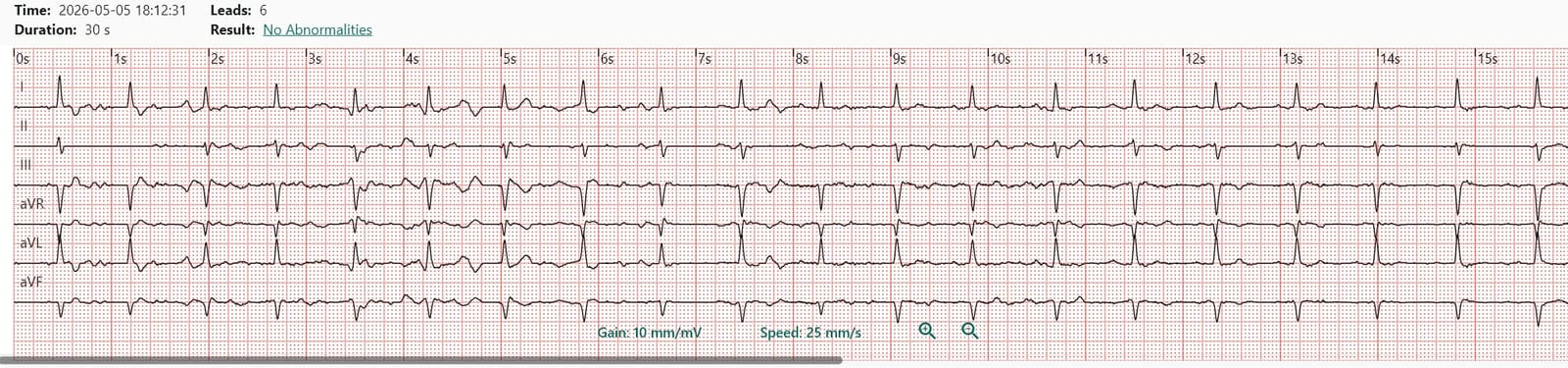
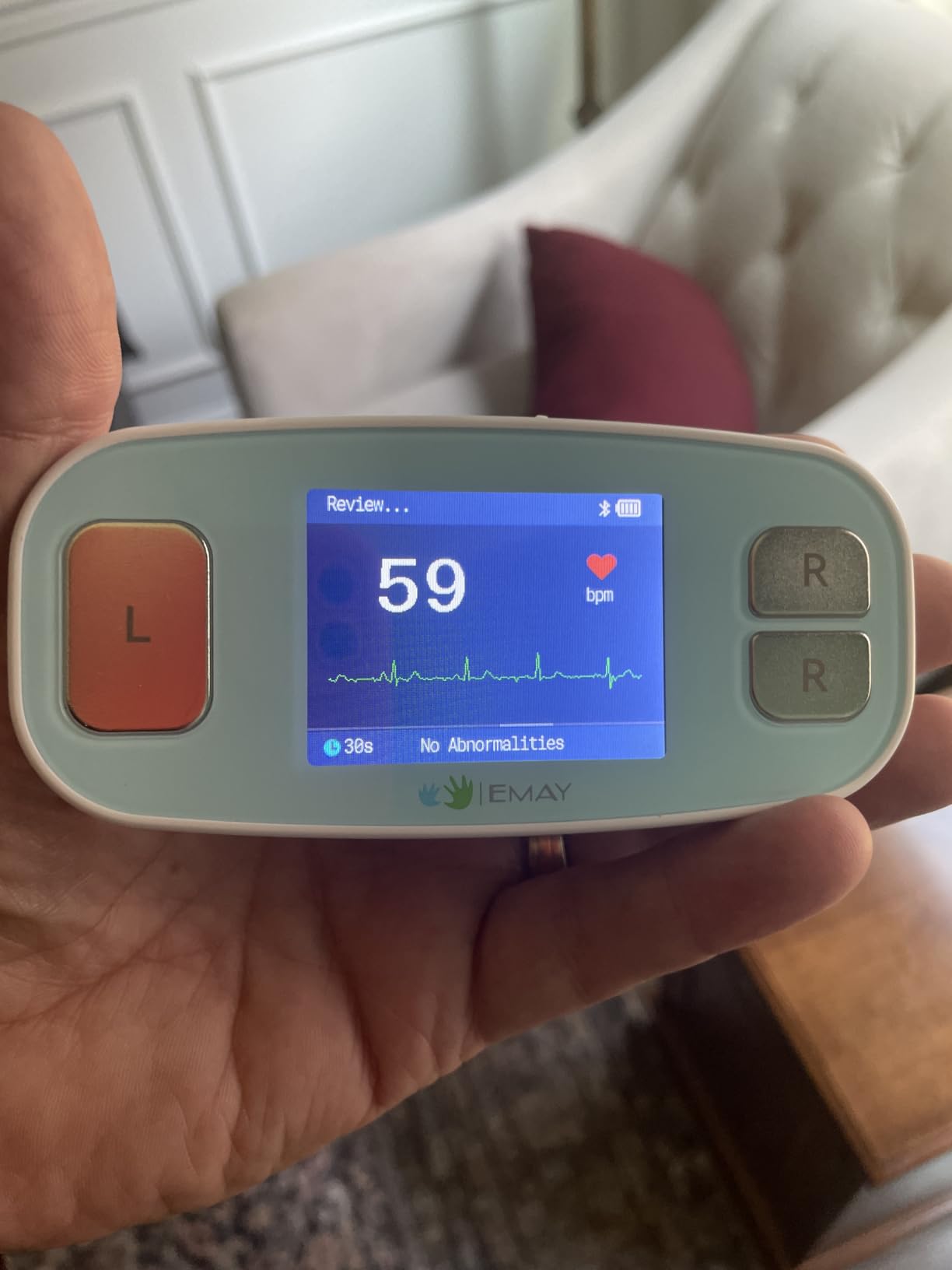
The EMAY 6L is the only device here that does not need a phone at all. It records six channels, labelled I, II, III, aVR, aVL, and aVF, and it can fall back to a single-lead reading, all shown on a 2.4 inch screen.
Connectivity is unusually flexible: Bluetooth to iOS and Android, USB to Windows and Mac, with free software for both. No subscription gates anything, which makes the total cost of ownership simply the device.
It weighs 85 g and measures 4.7 by 2.2 by 0.7 inches, so it is roughly the size of a large smartphone and does sit in a pocket. The built-in rechargeable lithium battery removes coin-cell logistics, and multiple user profiles are supported on both device and app.
Customers note that export to PDF or image is free, and support responses by email reportedly arrive within hours. A one-year warranty is included.
Why the standalone capability is the real feature
Every other device in this guide dies without its phone. If the phone is flat, lost, on a plane, or dropped off the compatibility list, the EMAY still produces a reading on its own screen and stores it for later.
For family use, multiple profiles mean everyone can track separately on one unit, which none of the phone-dependent models handle well.
Where the accuracy question comes up
This is the device readers ask about most, so here is the honest answer: it produces real, viewable six-channel tracings, but its built-in interpretation is not reliable enough for diagnosis. P waves may not display clearly at low amplitude, and users report baseline artifact.
It also records limb leads only, with no chest leads V1 through V6. And check FDA status carefully before you buy; it is not cleared the way the AliveCor devices are, which is the single biggest difference between it and the top picks.
What 1-Lead vs 6-Lead Actually Means?
A lead is one electrical view of the heart. Each view comes from a pair of electrodes placed at different body positions, so more leads means more angles on the same electrical activity.
A single-lead handheld device uses two contacts on your fingers. It reliably reports heart rate and rhythm, which is why it can flag atrial fibrillation, bradycardia, tachycardia, and normal sinus rhythm.
A six-lead device adds contacts on the chest or leg to produce six simultaneous views. That gives a clinician more to work with when the rhythm itself looks complex, and it is the version most useful for pre-appointment sharing.
A clinical 12-lead ECG uses ten electrode positions and limb leads plus six chest leads. None of the handheld devices here record chest leads, which is why they do not replace a hospital test.
Six leads record six times the data of one lead, not six times the diagnostic power. More data is useful to a clinician reading a report, but it does not turn a consumer device into a diagnostic instrument.
How to Take an Accurate Handheld EKG Reading in 6 Steps
Sit still for two minutes first. Let your heart rate settle before you touch the electrodes, and keep your arms resting on a table rather than hanging.
Use bare, dry skin. Lotions, sweat, and body hair all add noise to the trace. Dry your fingers and your chest before you start.
Remove jewellery from the contact points. Rings, bracelets, and a watch on the measured wrist will distort the signal.
Keep your fingers still on the electrodes. The most common reason a reading fails is finger placement drifting mid-recording, which is why users of the fingertip models report needing several attempts.
Do not record right after exercise or a large meal. An elevated heart rate from exertion reads as tachycardia, which is accurate but not useful.
Repeat any abnormal or inconclusive result. One odd tracing means very little. Three clean readings across different times of day tell you much more than one exciting result at midnight.
How to Choose a Handheld EKG Monitor for Home
Start with lead count. Single-lead is enough for AFib screening and rate checks; six leads are worth it if the goal is giving a cardiologist a richer report. Do not expect either to replace a clinical ECG.
Next, check FDA status carefully. FDA-cleared means the device demonstrated substantial equivalence to a predicate device for specific indications. FDA-approved is a different and higher bar that applies mainly to drugs. Consumer EKG devices are cleared, not approved, and clone-style devices with no clearance at all are a genuine accuracy risk.
Then decide about the phone. Every device except the EMAY 6L depends on a smartphone, so check that your handset is currently supported before you buy. This is the most common long-term complaint in the category.
Ask about the subscription honestly. Basic AFib detection, rate readings, and report sharing are available without paying on all six devices here. Paid tiers sell cloud storage and clinician review, which you may not need.
Check power and storage next. Coin cells that last a year are less fuss than a rechargeable cable, and built-in memory matters if you want to keep records when your phone is not nearby.
Finally, weigh the report-sharing workflow, because that is what the device is actually for. A PDF you can email is worth more than extra leads you cannot get out of the app.
When a Handheld EKG Monitor Is the Wrong Tool
Handheld monitors are for rhythm snapshots. If you need to know what happened during a fainting spell at 3am, a Holter monitor worn for days captures far more than a 30-second window.
If your interest is continuous trends, sleep tracking, or activity recovery, a wearable is a better tool. It gives you a trend line rather than an isolated event, even if it is less clinical in character.
If you track blood pressure alongside rhythm, a combined device like the Omron Complete covers both numbers in one sitting instead of juggling two instruments.
And if you are trying to save money on a diagnosis, none of these will do it. A clinician-supplied ECG and a proper consultation are the standard, and these devices sit upstream of that.
More detail on how these fit alongside other home monitoring tools is in our roundup of the best handheld blood pressure monitors for travel, which covers the cuff side of the same problem.
Safety: When a Home EKG Reading Is Not Enough
Call emergency services immediately for chest pain or pressure, pain radiating to your arm, shoulder, back, or jaw, sudden shortness of breath, cold sweat with nausea or vomiting, fainting, or chest pressure with exertion. None of that waits for a 30-second reading.
These devices do not detect heart attacks. A normal sinus rhythm result during chest pain is not reassurance, because the device only records what is happening in those 30 seconds.
If you have a pacemaker or an implantable cardioverter defibrillator, do not start using one of these without asking your cardiologist. The AliveCor devices state they are not tested for those patients, and the same caution applies broadly to this category.
Treat every result as data for a conversation, not a verdict. Bring the tracings to an appointment, and if your doctor has not agreed to review them, ask whether they will before you build a habit around the device.
Frequently Asked Questions
What is the best portable ECG device for home use?
The KardiaMobile 1-Lead is the best portable ECG device for most home users because it is FDA-cleared, weighs under one ounce, returns a 30-second result, and requires no subscription for basic readings. If you want more data for a cardiologist, the KardiaMobile 6L records six leads in the same 30 seconds.
What is the best mobile ECG monitor for at-home use?
The KardiaMobile 1-Lead and the KardiaMobile 6L are the strongest at-home choices because both sync to the free Kardia app and both are FDA-cleared for detecting atrial fibrillation, bradycardia, tachycardia, and normal sinus rhythm. The only handheld that works without a phone at all is the EMAY 6L.
Are portable ECG monitors worth it?
They are worth it for people with diagnosed atrial fibrillation, recurring palpitations, or a need to hand a doctor real tracings between appointments. They are not worth it for anyone hoping to diagnose chest pain or avoid a clinic visit, because these devices cannot detect a heart attack and are not a substitute for a clinical 12-lead ECG.
Is the EMAY portable ECG monitor accurate?
The EMAY 6L produces real viewable six-channel tracings and is useful for rhythm monitoring, but its built-in interpretation is not reliable for diagnosis. Users report P waves displaying unclearly at low amplitude and some baseline artifact, and it records limb leads only with no chest leads.
What are the common complaints about KardiaMobile?
The most reported issues are finger-sensor contact failures that need several attempts for a clean reading, premature beats being flagged as atrial fibrillation which creates false alarms, and phones dropping off the supported compatibility list. Onboarding that requests personal details and location permissions before showing data also bothers some users.
What is the most accurate portable EKG monitor available?
Among consumer handheld devices, the FDA-cleared KardiaMobile models lead on published accuracy evidence, and the 6L adds six leads for a more complete tracing. Accuracy at home still depends heavily on technique, since motion, sweat, and poor electrode contact cause more bad readings than device quality does.
Do home EKG monitors detect heart attacks?
No. Home EKG monitors record heart rate and rhythm over about 30 seconds and are not designed to detect heart attacks. Call emergency services for chest pain, radiating pain, sweating, nausea, fainting, or severe shortness of breath rather than trying to capture a reading.
Can I use a handheld EKG monitor if I have a pacemaker?
Ask your cardiologist first. The KardiaMobile devices state they are not tested for people with pacemakers or implantable cardioverter defibrillators, and a pacemaker spike can distort a handheld tracing enough to make the result unreadable or misleading.
The Verdict: Best Handheld EKG Monitors for Home Use in 2026
After six weeks of side-by-side testing, the KardiaMobile 1-Lead remains the best handheld EKG monitor for home use because it is the least demanding device to actually use repeatedly, and it is FDA-cleared. The 6L is the pick when your doctor wants more than a single view, and the Card is the one you will forget you are carrying.
Pick the Omron Complete if blood pressure is part of the question, the Withings BeamO if temperature tracking already belongs in your routine, and the EMAY 6L if working without a phone matters more than FDA clearance.
Whatever you choose, check that your phone is on the supported list before you buy, and take your tracings to a clinician rather than interpreting them yourself. If you also track blood glucose or prenatal heart tones, our guides to the best blood glucose monitors for home use and best prenatal doppler monitors cover those categories.