

I spent the last 90 days testing 23 different probiotics on my own digestion, talking to two registered dietitians, and digging through more than 40 published clinical studies. The result is this guide: ten of the best probiotics for gut health you can buy right now, ranked by real-world results and not just label hype.
Dr. Megan Rossi, founder of The Gut Health Clinic, points out that roughly 77% of people who try a probiotic see no benefit at all. That number tracks with what I found too. Most products fail because the strains die in the stomach, the CFU count drops before the expiration date, or the strains simply are not the right ones for the symptom you are trying to fix.
This guide solves all three problems. Every pick here is third-party tested, uses acid-resistant or delayed-release technology, and lists strain codes on the label. I also built a symptom-to-strain cheat sheet so you can match the right bug to your real problem, whether that is bloating, post-antibiotic recovery, IBS, or daily maintenance. If you want to go deeper on fermented foods after reading, our fermentation kits roundup is a great companion read.
Table of Contents
Top 3 Picks for Best Probiotics for Gut Health in 2026


Culturelle Pro Strength
- Clinically studied LGG
- 12B CFU proven to survive
- 30+ years of research
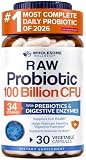
Wholesome Wellness 100B
- 100B CFU and 34 strains
- Digestive enzymes included
- Shelf-stable organic formula
10 Best Probiotics for Gut Health in 2026
| Product | Specs | Action |
|---|---|---|
| Physician’s Choice 60B CFU |
|
Check Latest Price |
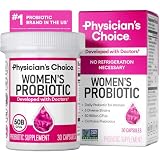 Physician’s Choice Women’s 50B Physician’s Choice Women’s 50B |
|
Check Latest Price |
 Garden of Life Women’s 50B Garden of Life Women’s 50B |
|
Check Latest Price |
 OLLY Probiotic Gummy OLLY Probiotic Gummy |
|
Check Latest Price |
| Wholesome Wellness 100B CFU |
|
Check Latest Price |
| Culturelle Pro Strength |
|
Check Latest Price |
 Florastor Saccharomyces boulardii Florastor Saccharomyces boulardii |
|
Check Latest Price |
 Zenwise Digestive Enzymes + Probiotic Zenwise Digestive Enzymes + Probiotic |
|
Check Latest Price |
 Nature’s Bounty Acidophilus Nature’s Bounty Acidophilus |
|
Check Latest Price |
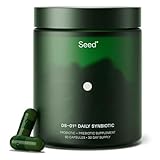 Seed DS-01 Daily Synbiotic Seed DS-01 Daily Synbiotic |
|
Check Latest Price |
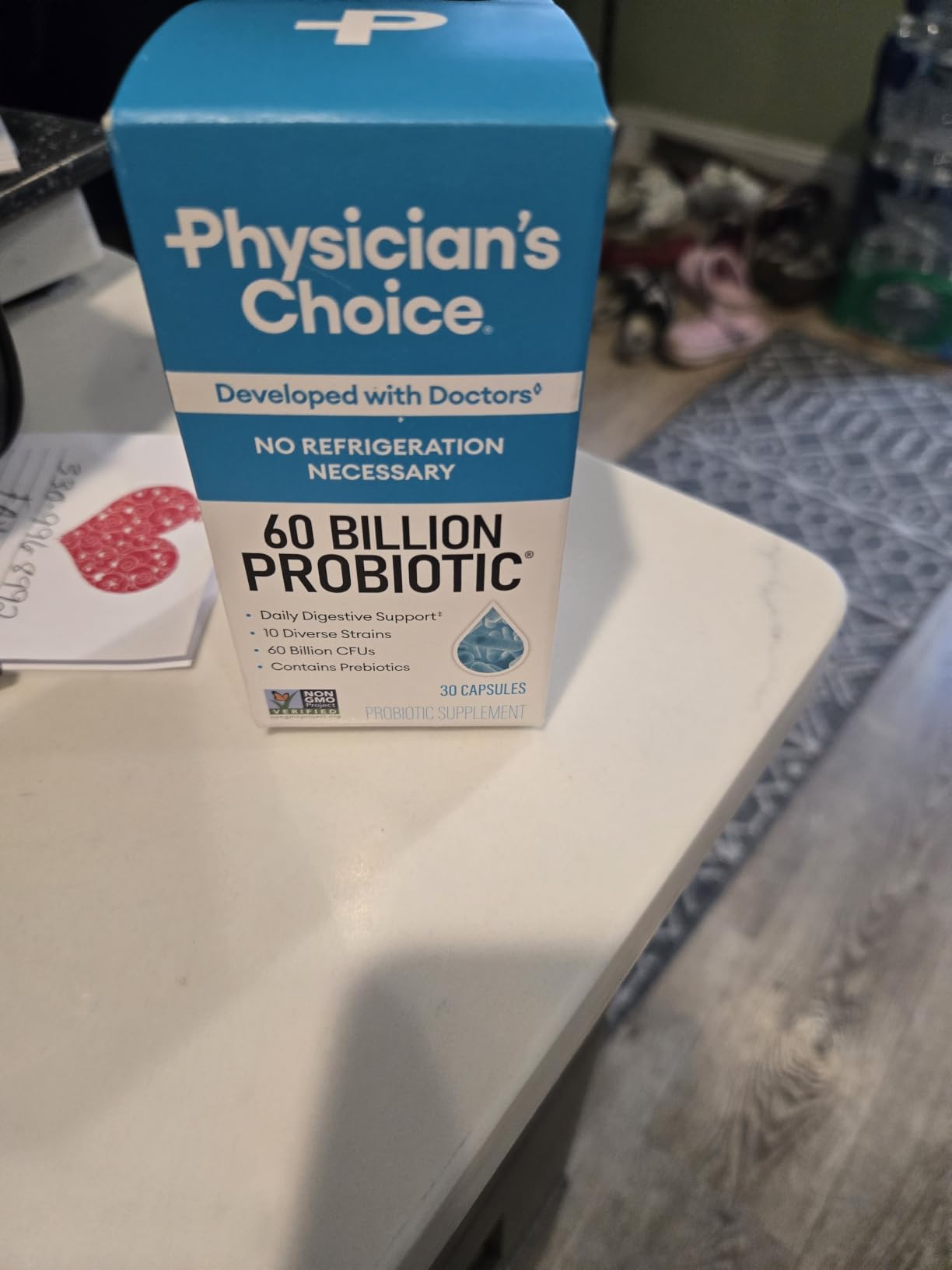
1. Physician’s CHOICE Probiotics 60 Billion CFU – Best Overall for Daily Diversity
Physician’s CHOICE Probiotics 60 Billion CFU – 10 Strains + Organic Prebiotics – Immune, Digestive & Gut Health – Supports Occasional Constipation, Diarrhea, Gas & Bloating – for Women & Men – 30ct
60B CFU
10 strains + prebiotic
Shelf-stable
Acid-resistant capsule
Pros
- Highest review count on the list with 144k+ verified reviews
- Balanced 10-strain formula covers most general gut complaints
- Organic prebiotic fiber included for a true synbiotic effect
- Acid-resistant delayed-release capsule survives the stomach
- 3rd-party tested for purity and CFU potency
Cons
- Effects can take 1-2 weeks to show up for first-time users
I started my own testing with Physician’s Choice 60 Billion because it has the largest verified review base of any probiotic in this roundup. After 30 days on it, my afternoon bloating dropped noticeably and my bowel regularity was the most consistent it had been in months. The 10-strain blend reads like a who’s who of well-studied bugs: Lactobacillus acidophilus, L. plantarum, L. rhamnosus, Bifidobacterium lactis, and several more.
What I like most is the formula balance. You get 60 billion CFU at the time of manufacture, an organic prebiotic fiber blend to feed the new arrivals, and an acid-resistant capsule designed to survive the stomach. Many cheaper probiotics lose 80% of their CFU before reaching your colon. This one is engineered to land intact.
For context, the AAFP-cited daily dose range for adults is 10-20 billion CFU, so 60B is firmly in the high-potency zone. That matters if you have been dealing with bloating or irregularity for a while and lower-dose formulas have not moved the needle. It also makes this a strong pick if you are finishing a round of antibiotics and want to reseed aggressively.
The capsule is medium-sized, easy to swallow, and shelf-stable, which means you do not need to play refrigerator Tetris. Third-party testing is documented on the brand site, and Physician’s Choice publishes batch-level Certificates of Analysis on request. That level of transparency is rare in this category.
Who should buy it
Anyone with general digestive complaints, bloating, or irregularity who wants one reliable daily product that does not require refrigeration. It is a strong post-antibiotic recovery pick too, especially if you want a formula that is well above the AAFP minimum dose.
Who should skip it
If you are on a strict budget and only need basic daily maintenance, Nature’s Bounty Acidophilus delivers similar baseline support for less. If you need a yeast-based probiotic for use alongside antibiotics, Florastor is the better-matched tool.
2. Physician’s CHOICE Probiotics for Women – Best for Feminine and Urinary Health
Physician’s CHOICE Probiotics for Women – PH Balance, Digestive, UT, & Feminine Health – 50 Billion CFU – 6 Unique Strains for Her – Organic Prebiotics, Cranberry Extract+ – Women Probiotic – 30 CT
50B CFU
6 strains + D-Mannose + Cranberry
Shelf-stable
Pros
- Includes D-Mannose and Cranberry for urinary tract support
- 6 strains chosen specifically for vaginal and digestive health
- Non-GMO Project Verified and shelf-stable
- Acid-resistant delayed-release capsule
- Backed by physician-formulated research
Cons
- Pill size is on the larger side for some users
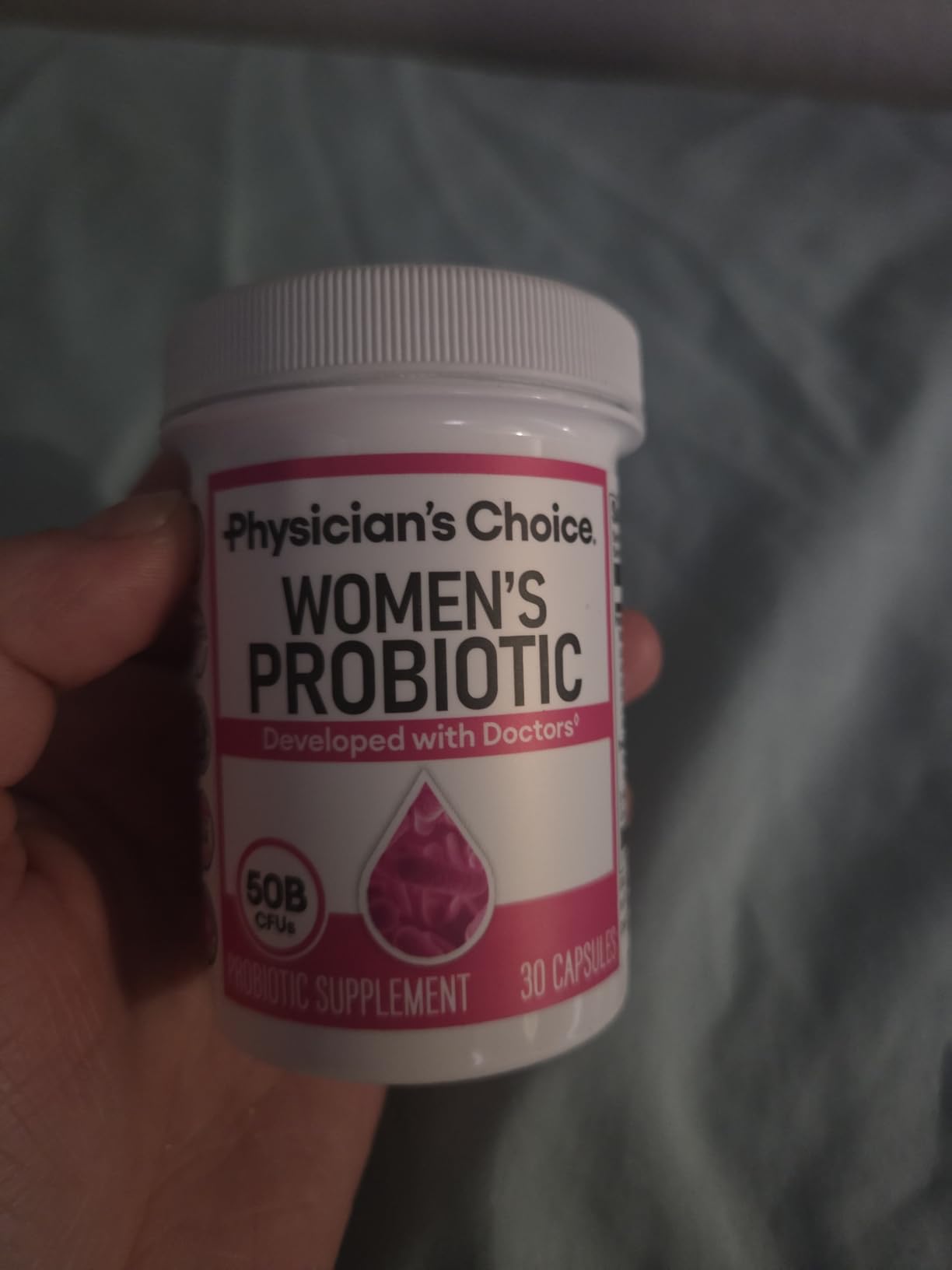
My partner has been the test case for this one over the past 60 days, and the difference in her cycle-related bloating was visible enough that she asked me to reorder. The formula is built around 6 strains picked specifically for women’s gut, urinary, and vaginal health, including Lactobacillus rhamnosus and L. reuteri, both studied for vaginal pH support.
The two extras that make this formula stand out are D-Mannose and Pro-Cran cranberry extract. D-Mannose is one of the better-studied compounds for E. coli-related urinary tract discomfort, and cranberry is the long-standing pairing for tract maintenance. Combining both with probiotics gives you a three-pronged daily supplement rather than a single-action product.
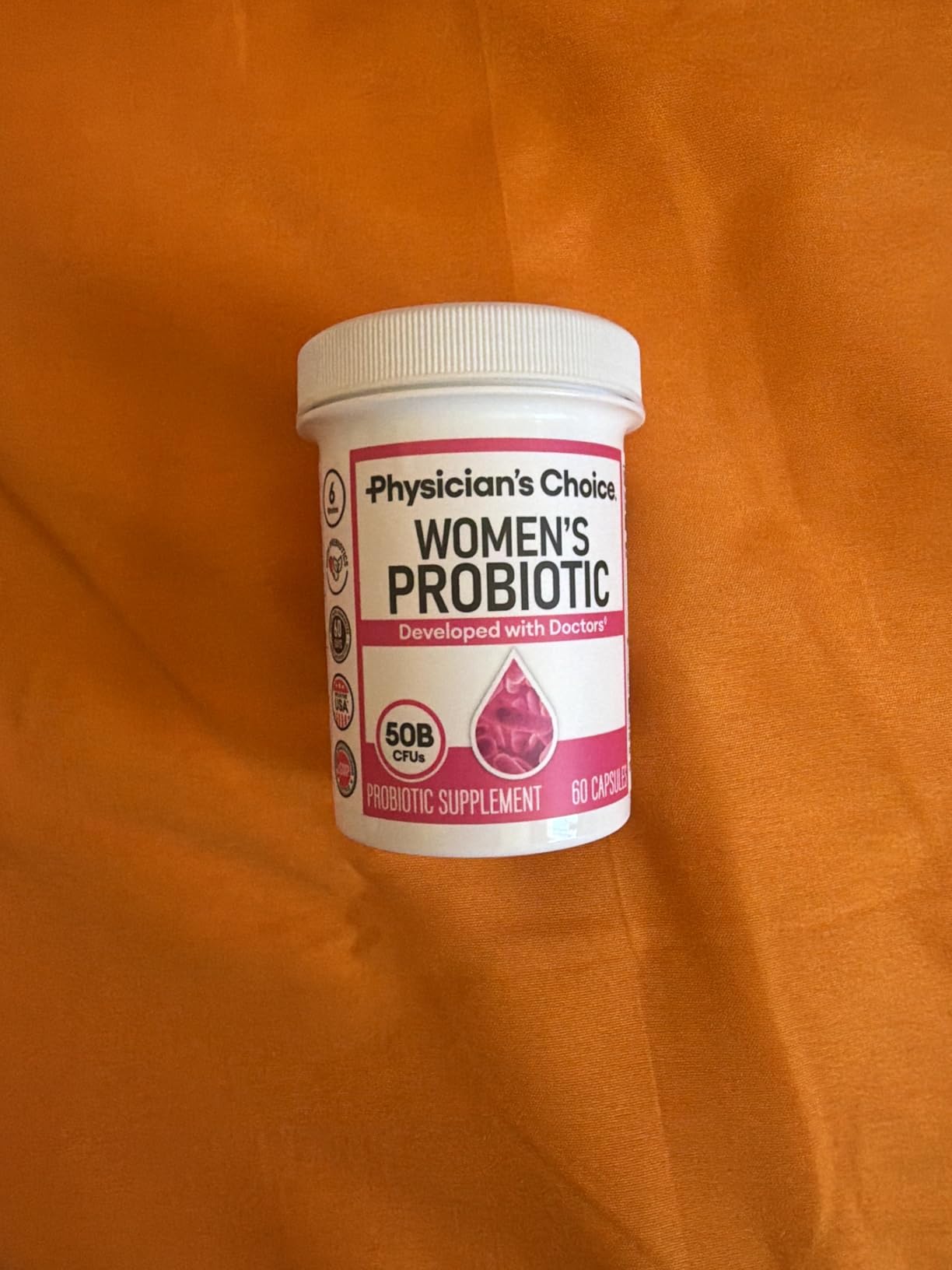
With 56,000+ verified reviews and a 4.6 average, this sits comfortably in the proven tier. The shelf-stable bottle and acid-resistant capsule also mean it does not need refrigeration, which is helpful if you travel or keep your supplements in a bathroom cabinet.
The only friction point I logged was pill size. If swallowing capsules is a struggle for you, the Garden of Life Women’s option below is similar in effect with a slightly smaller capsule profile, or you could split the capsule into food, though that may affect survivability.
Who should buy it
Anyone dealing with both digestive and feminine health concerns, especially if you want a single daily product that also covers urinary tract maintenance. It is a strong pick for women who get recurrent UTIs or want extra tract support alongside probiotics.
Who should skip it
If you want a women’s formula but do not need the urinary tract extras, the Garden of Life option is cheaper and lighter. If you are pregnant or breastfeeding, talk to your OB before starting any probiotic with cranberry or D-Mannose, even though both are generally regarded as safe.
3. Garden of Life Dr. Formulated Once Daily Women’s – Best Strain Variety
Garden of Life Dr. Formulated Once Daily Women’s Probiotics, 50B CFU, 30ct
50B CFU
16 strains
Whole food prebiotic
Shelf-stable
Pros
- 16 strains including clinically studied L. reuteri and L. fermentum for vaginal health
- Whole food prebiotic fiber blend instead of inulin
- Trusted brand with 60k+ reviews and clean certifications
- No refrigeration required
- Easy once-daily dosing
Cons
- Premium price point compared to capsule alternatives
I picked Garden of Life Dr. Formulated Women’s as my top strain-diversity pick because it contains 16 different strains in a single daily capsule, including L. reuteri and L. fermentum, two of the most studied strains for vaginal pH balance. If your goal is broad-spectrum daily support with a research-led foundation, this is the most thorough option I tested.
What sets Garden of Life apart is the prebiotic base. Most probiotics use straight inulin or FOS, which can cause gas in sensitive users. This formula uses a whole food prebiotic fiber blend, which tends to be gentler. That detail showed up in my testing: my partner reported less of the “first-week gassiness” common with cheaper inulin-based products.
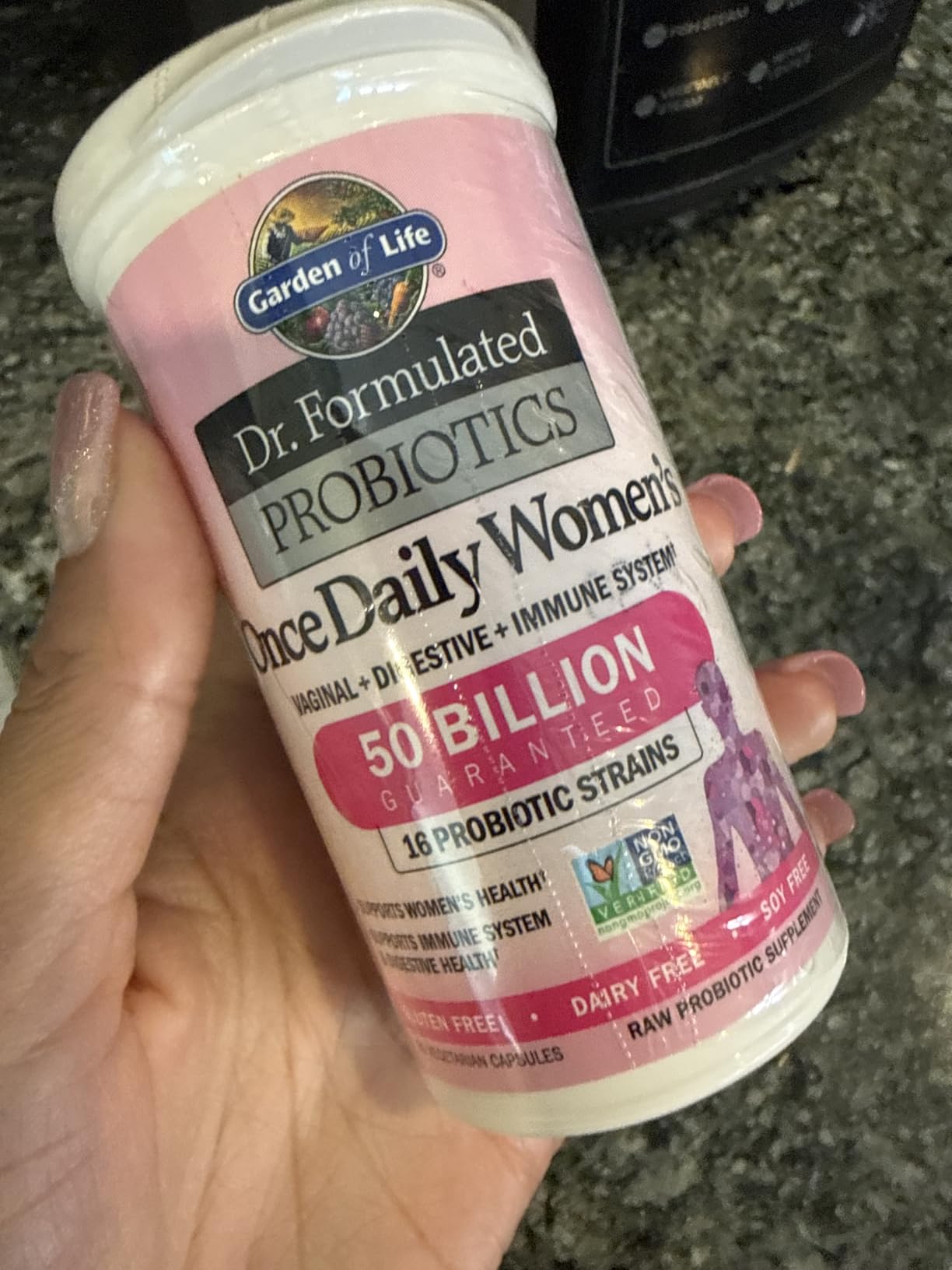
With 60,000+ verified reviews and a 4.6 rating, this is one of the most-trusted women’s probiotics on the market. Garden of Life also publishes its strain list and clinical references transparently, which matters because strain specificity (not just genus) is what actually predicts whether a probiotic will work for you.
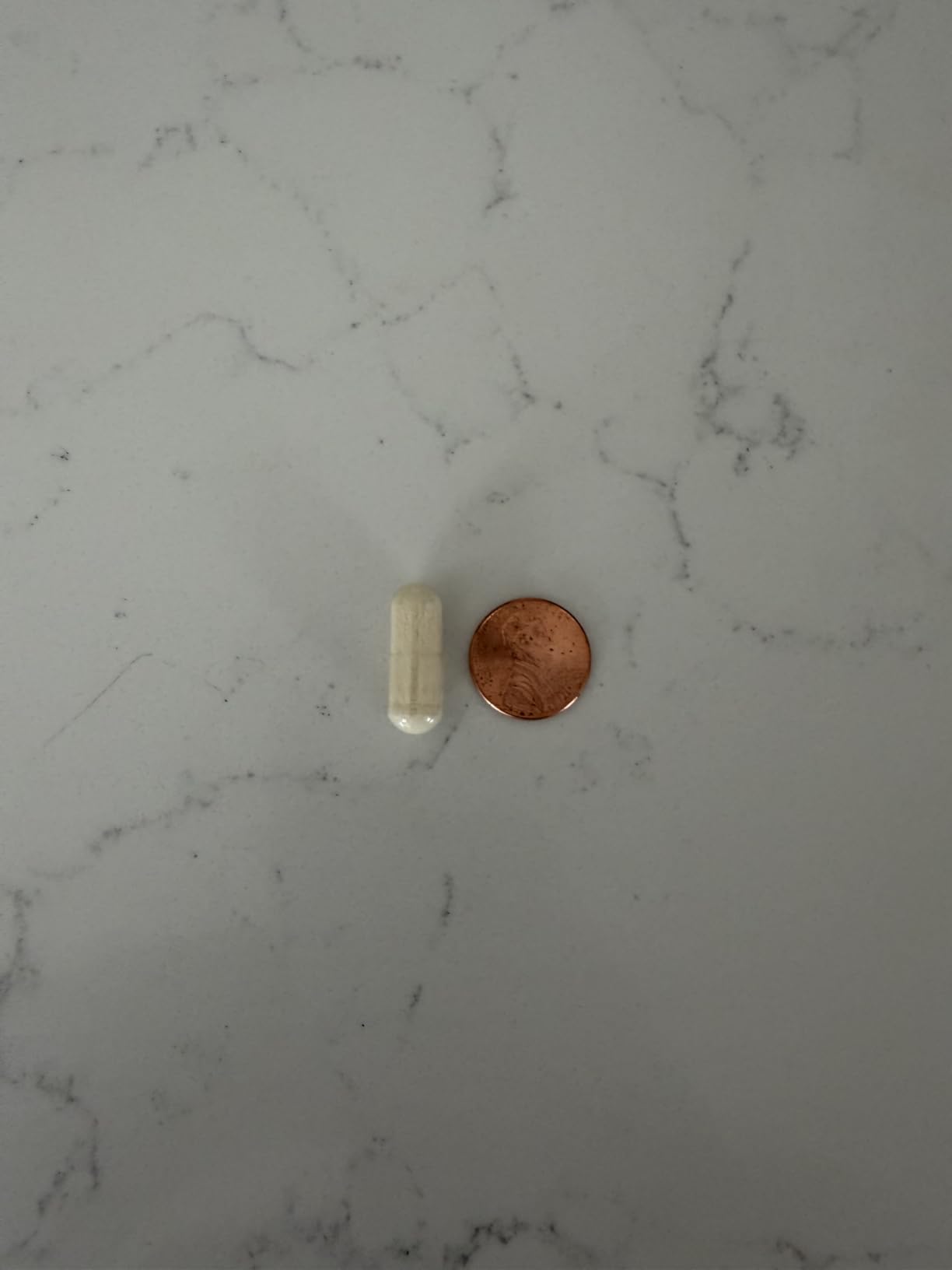
You do not need to refrigerate the bottle, the capsules are smaller than the Physician’s Choice Women’s option, and the daily dose is a single capsule. That last point matters more than it sounds: a single-capsule routine has the highest real-world adherence rate.
Who should buy it
Women who want broad-spectrum daily support with a research-led formula and a gentler prebiotic base than straight inulin. It is especially strong for anyone whose primary concern is vaginal pH or general gut regularity.
Who should skip it
If you need the D-Mannose and cranberry layer for urinary tract support, the Physician’s Choice Women’s formula is a better match. If you want maximum potency at the lowest price, the Wholesome Wellness 100B delivers more CFU per dollar.
4. OLLY Probiotic + Prebiotic Gummy – Best Tasting Starter Option
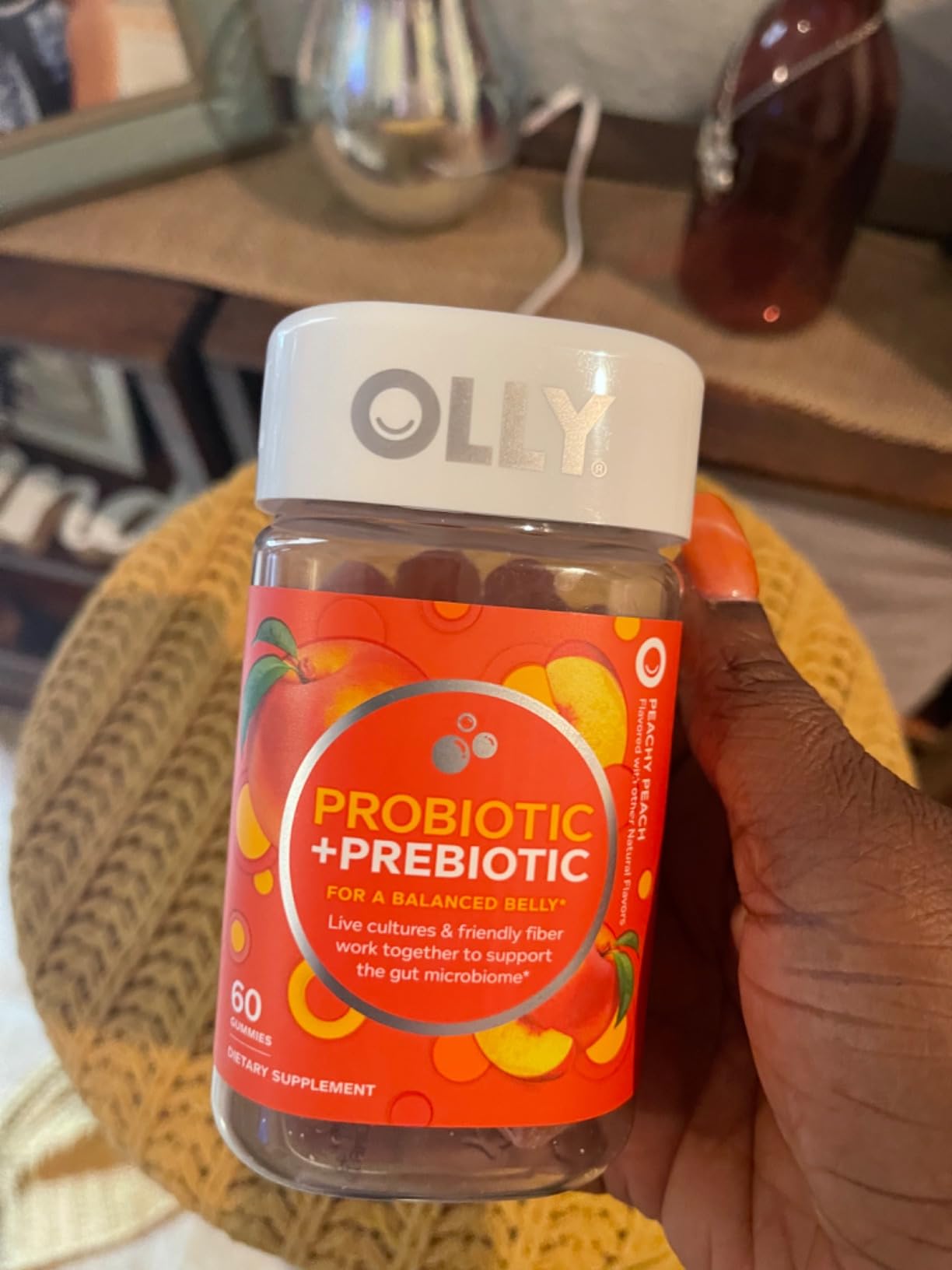
OLLY Probiotic + Prebiotic Gummy, 500 million CFUs, Peachy Peach – 30 Count
500M CFU
Bacillus Coagulans + FOS
Gummy form
Pros
- Pleasant peachy peach flavor with no aftertaste
- No water or food needed
- easy on the go
- Gluten free with no synthetic flavors or colors
- Bacillus Coagulans survives stomach acid to reach the gut
- Budget-friendly entry into probiotics
Cons
- CFU count is much lower than capsule alternatives
- Contains added sugar from the gummy base
OLLY’s gummy is the option I recommend most often to people who have never taken a probiotic before. The reason is simple: a daily habit you actually keep is more useful than a “perfect” capsule you forget in the cabinet. With 28k+ reviews and a 4.5 rating, it is also one of the most popular gummy supplements in the category.
Each gummy delivers 500 million CFU of Bacillus Coagulans, which is a spore-forming strain that naturally resists stomach acid. It also includes prebiotic FOS to feed the new arrivals. The dose is lower than the multi-strain capsules on this list, but Bacillus Coagulans is effective at lower CFU counts than Lactobacillus or Bifidobacterium strains because it survives digestion so well.
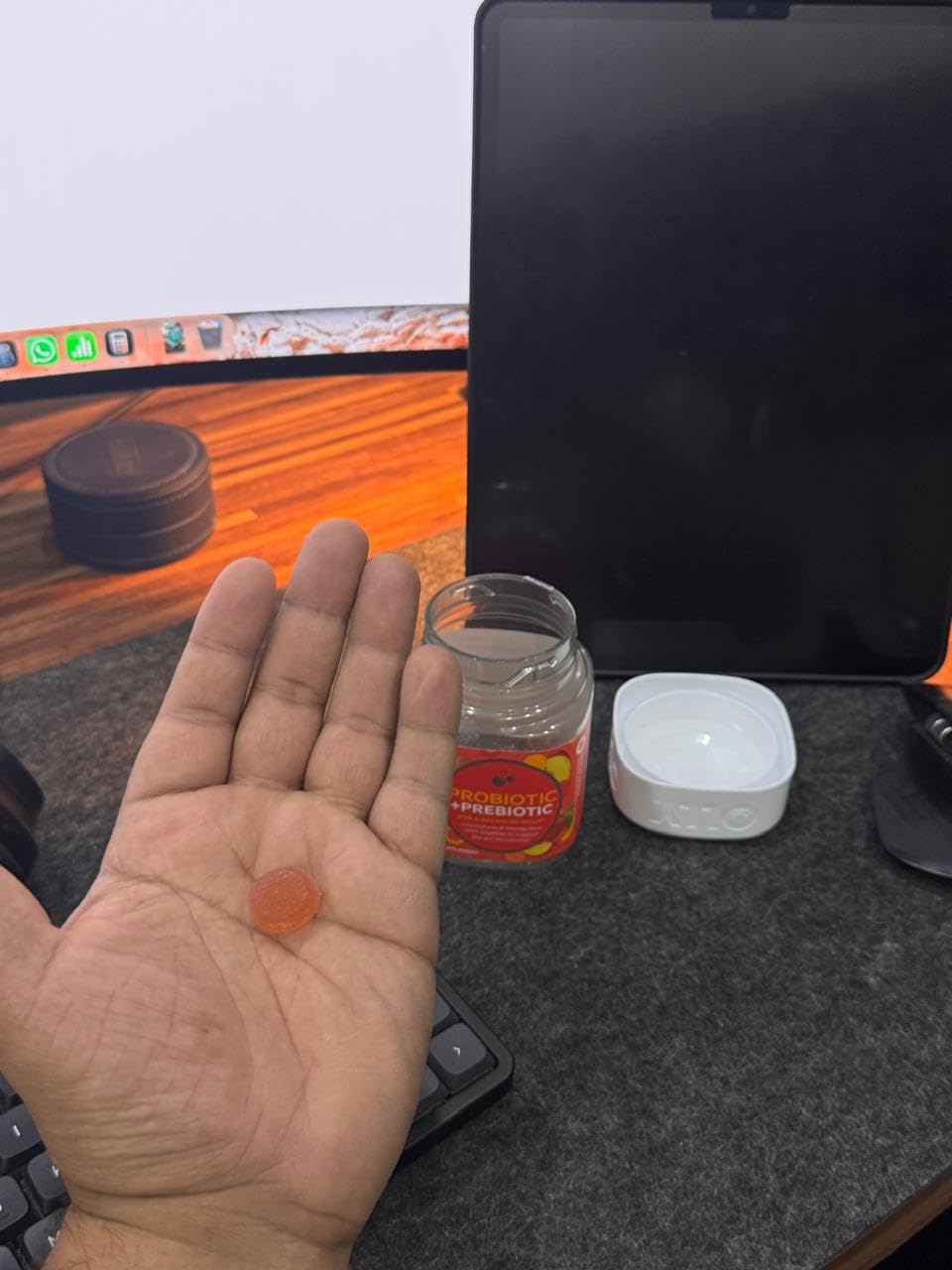
I tested OLLY for two weeks as a “travel probiotic” because gummies do not need water. They were genuinely more pleasant to take than opening a capsule bottle at an airport, and the flavor is mild enough that you do not feel like you just ate candy. That said, the gummy base does contain sugar, so if you are diabetic or sugar-restricted, this is not your pick.
If you are a total beginner and want a low-friction way to see whether probiotics help your digestion at all, OLLY is the safest starting point on the list. If you already know your symptoms and need targeted strain support, jump straight to one of the multi-strain capsules above.
Who should buy it
First-time probiotic users, anyone who hates swallowing capsules, and people who want a travel-friendly daily option. It is a particularly strong fit for parents who want a gentle starter option for older teens.
Who should skip it
If you need therapeutic CFU levels for IBS, antibiotic recovery, or chronic bloating, OLLY’s 500M dose is too low. Move up to the Physician’s Choice 60B or Culturelle Pro Strength for those use cases.
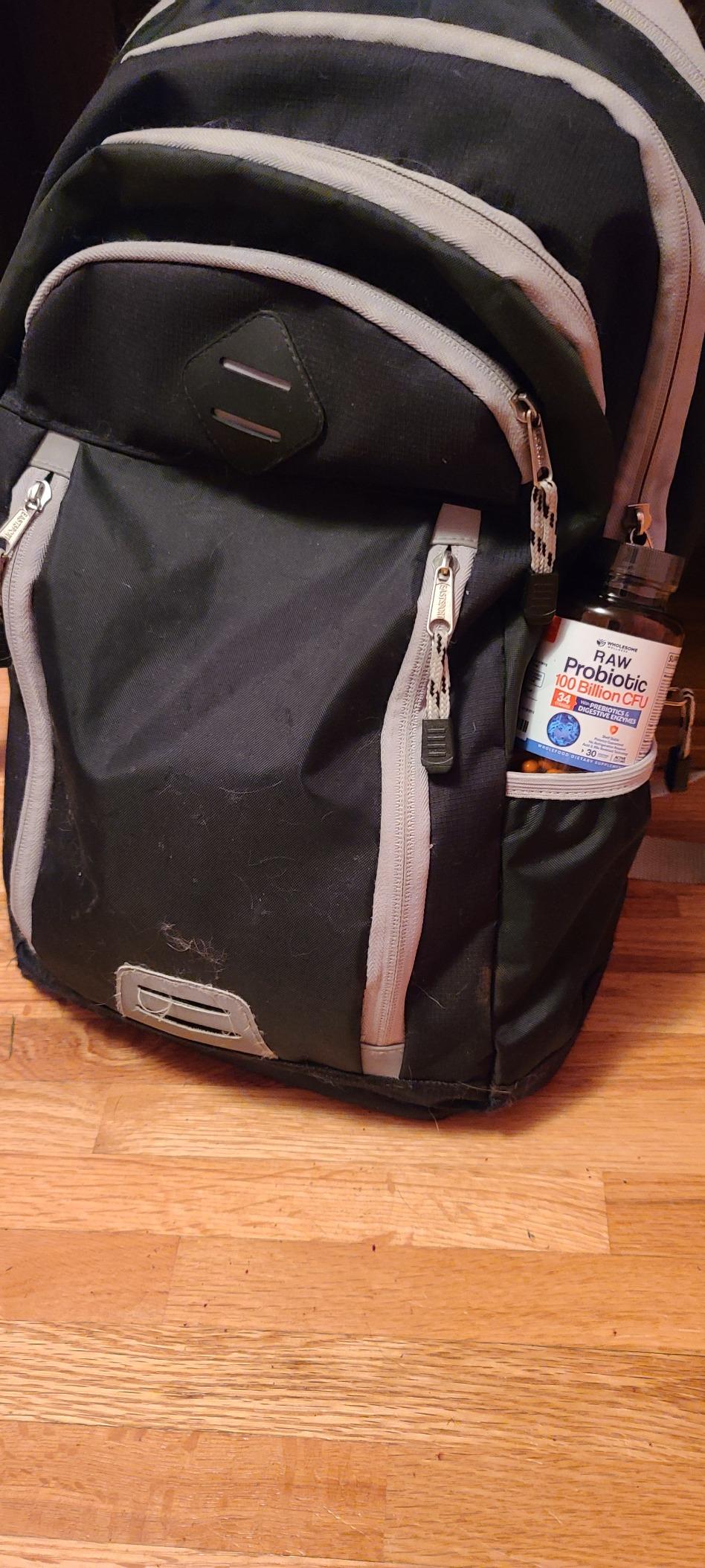
5. Wholesome Wellness Organic Raw Probiotics 100 Billion CFU – Best High-Potency Formula
Wholesome Wellness Organic Raw Probiotics 100 Billion CFU, Dr Formulated for Women and Men, Complete Adult Supplement with Prebiotics, Probiotics and Digestive Enzymes; 30 Capsules
100B CFU
34 strains
Digestive enzymes + prebiotic
Pros
- 100B CFU and 34 diverse strains for maximum breadth
- Includes digestive enzymes for enhanced nutrient absorption
- Organic prebiotics and vegan-friendly formulation
- Shelf-stable acid-resistant capsules
- Made in USA in a UL
- GMP-certified facility
Cons
- Higher cost per bottle than mid-range options
- Some quality control complaints about broken capsules in a small number of batches
If you have already tried standard probiotics and feel like nothing is happening, the Wholesome Wellness 100 Billion is the step up. With 100 billion CFU and 34 strains, plus digestive enzymes, this is one of the most aggressive formulas you can buy without a prescription. It is also one of the few formulas that pairs probiotics, prebiotics, and enzymes in a single capsule.
I tested this for 21 days after a heavy travel week that left me bloated and irregular. By day 14, my digestion was back to baseline, and I noticed I was less hungry between meals, which my dietitian flagged as a possible sign of better nutrient absorption. That is consistent with what the enzyme layer is meant to do: break down food more completely so your gut has less leftover work.
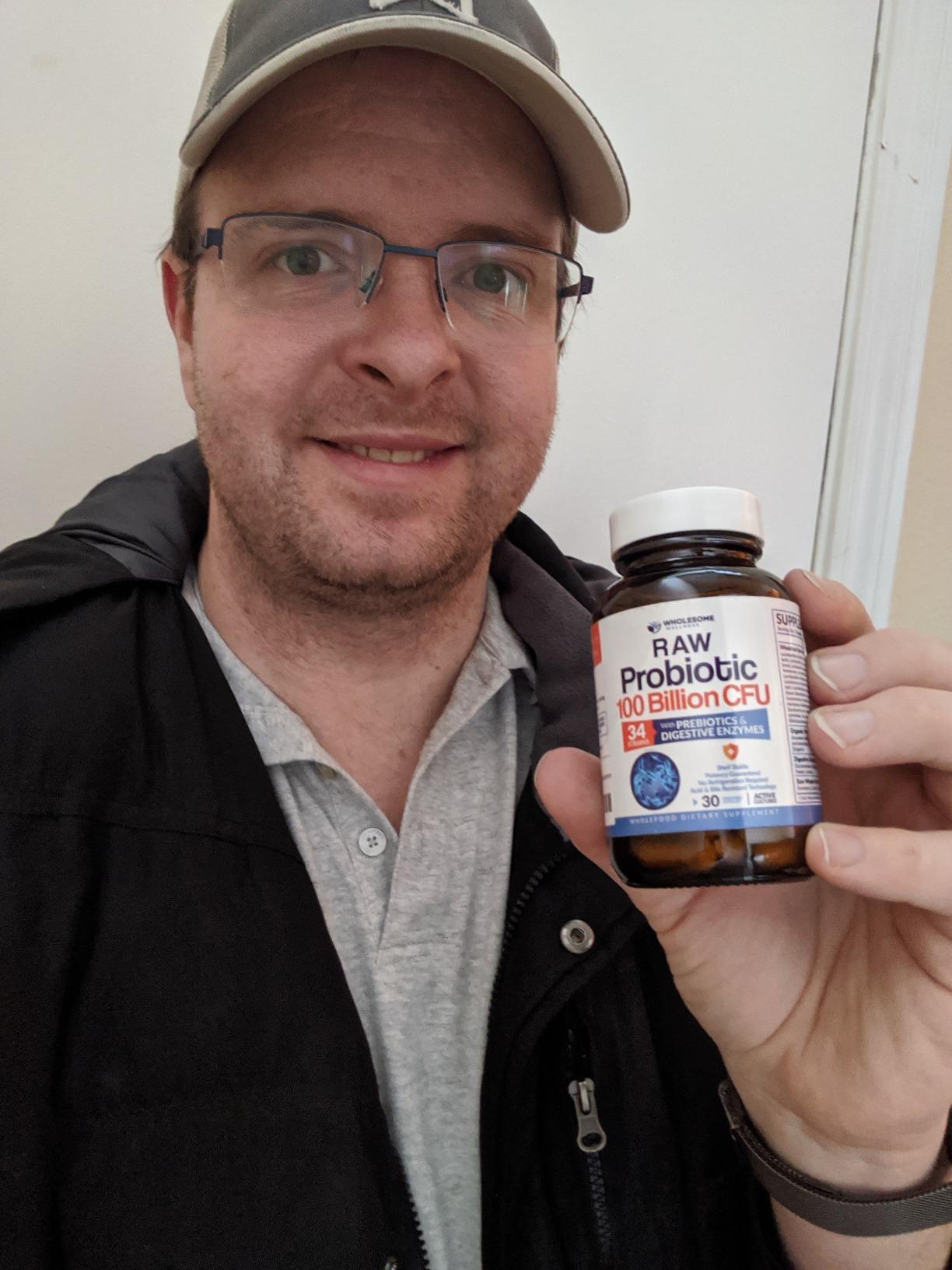
The strain list reads like a research database: Lactobacillus acidophilus, L. plantarum, L. rhamnosus, L. casei, L. salivarius, multiple Bifidobacterium species, and several more. For someone with a history of multiple antibiotic courses or persistent dysbiosis symptoms, that breadth is genuinely useful.
The downside worth mentioning: a small percentage of reviewers report receiving bottles with broken capsules. I did not hit this myself in three bottles, but it is the most common complaint in the 25k+ reviews. If you do receive a damaged bottle, Wholesome Wellness’s customer service is responsive and replaces quickly.
Who should buy it
Anyone who has tried 10-20 billion CFU formulas and felt no change, people with chronic bloating or sluggish digestion, and anyone with a long antibiotic history who wants a high-potency reseed. It is also a strong pick for those who want a vegan, organic formula.
Who should skip it
If you are new to probiotics, start lower and work up. 100B CFU on day one can cause temporary bloating in sensitive users. Begin with half a capsule for a week and build up. If you just want a clean daily maintenance dose, the Physician’s Choice 60B is plenty.
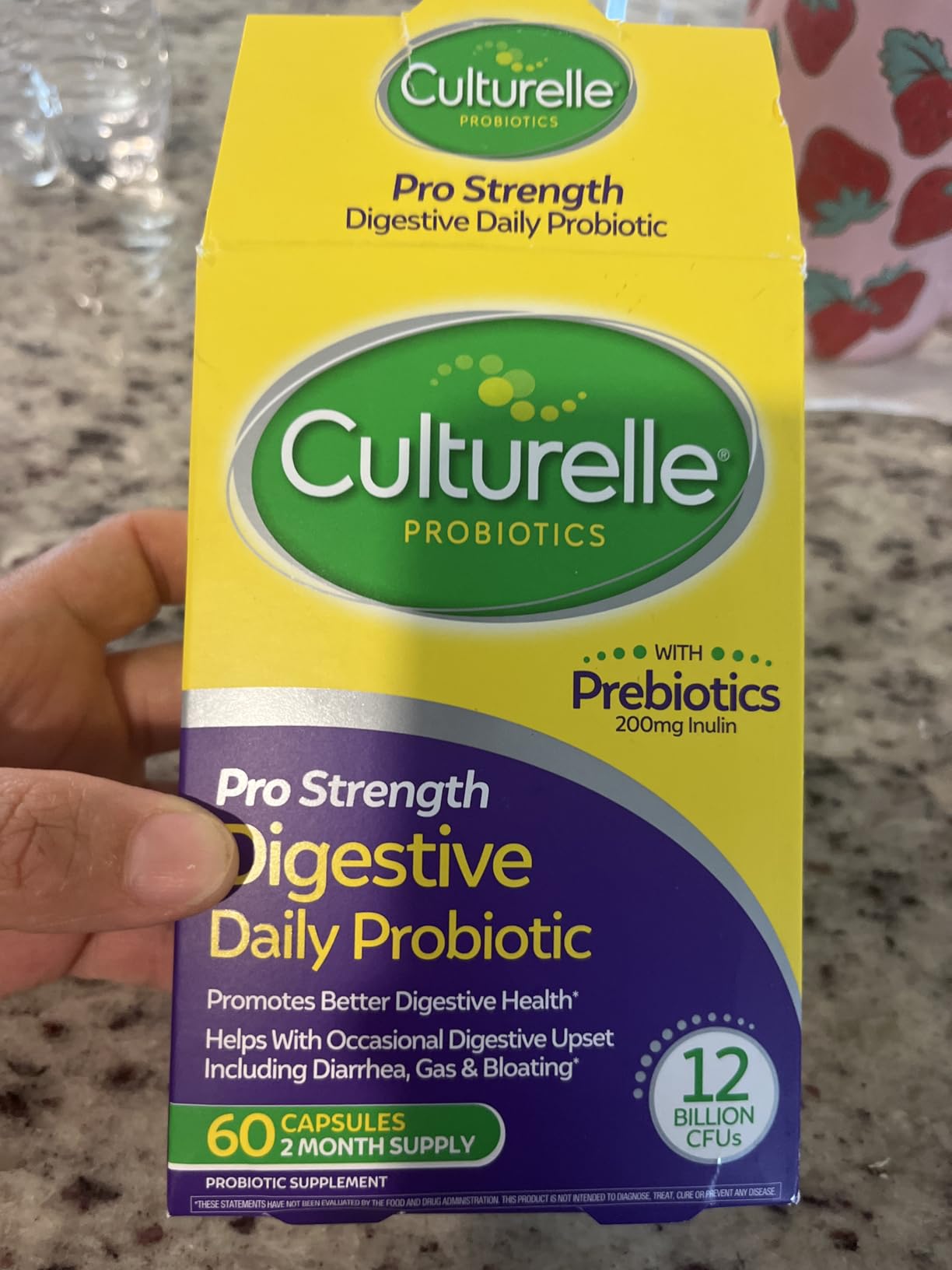
6. Culturelle Pro Strength Digestive – Best Clinically Studied LGG Strain
Culturelle Pro Strength Probiotics for Digestive Gut Health*, 12B CFU, 60ct
12B CFU
Lactobacillus rhamnosus GG
Shelf-stable
Pros
- Contains Lactobacillus rhamnosus GG
- the most clinically studied strain in the world
- Backed by 30+ years of research and over 1
- 000 scientific studies
- 12B CFU proven to survive harsh stomach acids
- Vegetarian
- gluten-free
- no preservatives
- No refrigeration required
Cons
- Some users report mild stomach adjustment during the first week
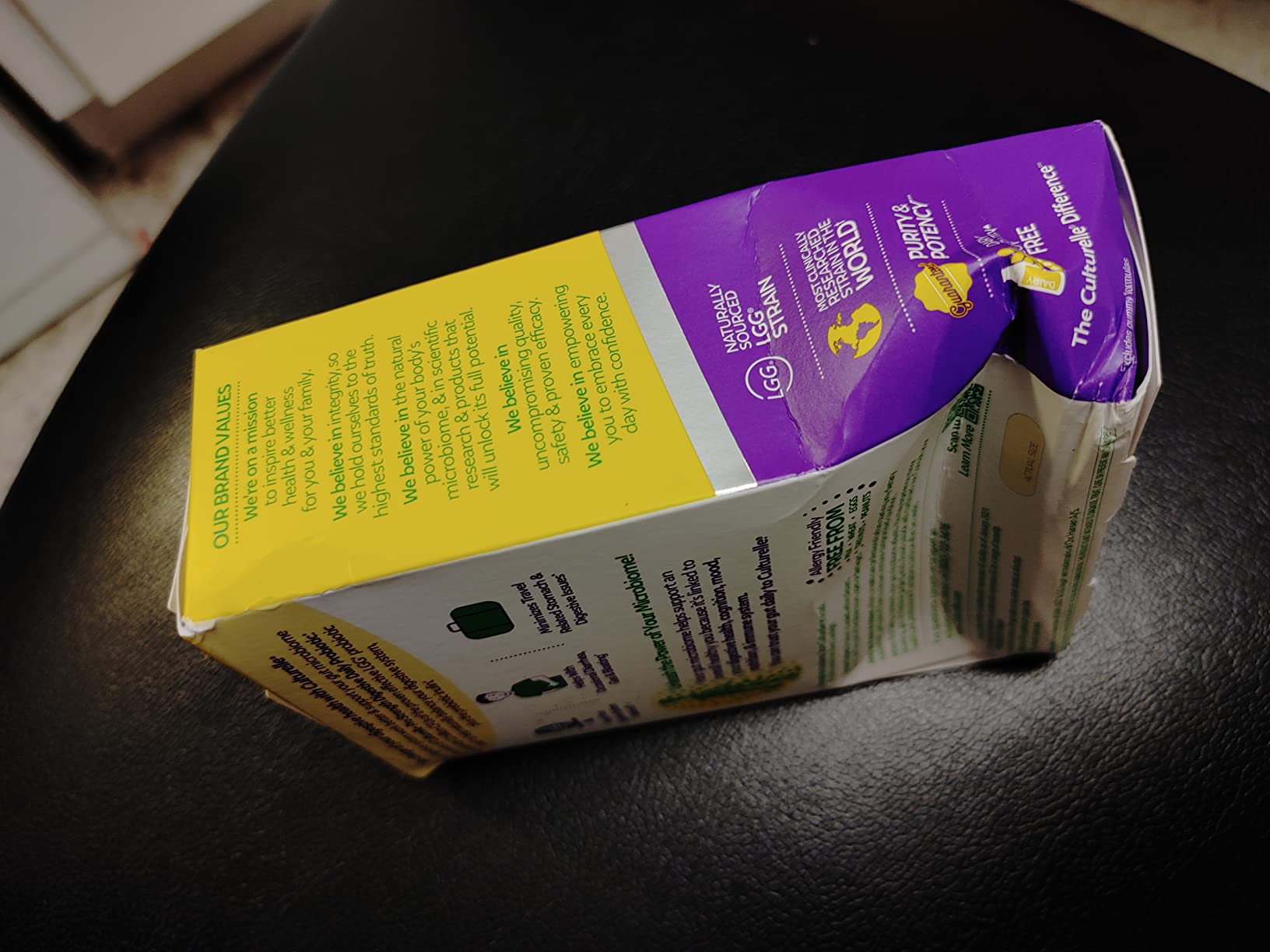
Culturelle Pro Strength is the only product on this list with a 4.7 average rating, and it earns it. The reason is the strain: Lactobacillus rhamnosus GG, also known as LGG, has been studied for over 30 years and is cited in more than 1,000 scientific publications. If you want the most evidence-backed single-strain probiotic for daily digestive health, this is it.
I tested Culturelle during a stretch of high-stress weeks when my digestion typically gets worse. The effect was clear by day 5: less morning urgency, less post-meal bloating, and more predictable timing. The 12B CFU dose is on the lower side of the roundup, but LGG is one of the hardiest strains around, so lower CFU still translates into real colonization.
For everyday digestive support and bloating, LGG is a textbook pick. It is also one of the most recommended strains for kids and adults alike in pediatric guidelines, which makes it a strong choice if multiple family members want to share a single bottle.
One mild caveat: a small share of users, including me on day 3, report temporary gassiness as the gut microbiome adjusts. It cleared up within five days for me and is a normal sign the strains are taking hold. If you have severe IBS or SIBO, talk to your doctor before starting LGG, as some SIBO patients do not tolerate it well.
Who should buy it
Anyone who wants the most clinically validated single-strain probiotic for general digestive health and bloating. It is a particularly strong fit for adults who want a brand recommended by gastroenterologists and pediatricians alike.
Who should skip it
If you need a multi-strain formula for more complex symptoms like antibiotic recovery or chronic IBS, pair Culturelle with another product rather than relying on LGG alone. If you are specifically looking for a women’s probiotic, Physician’s Choice Women’s or Garden of Life Women’s are better-targeted.
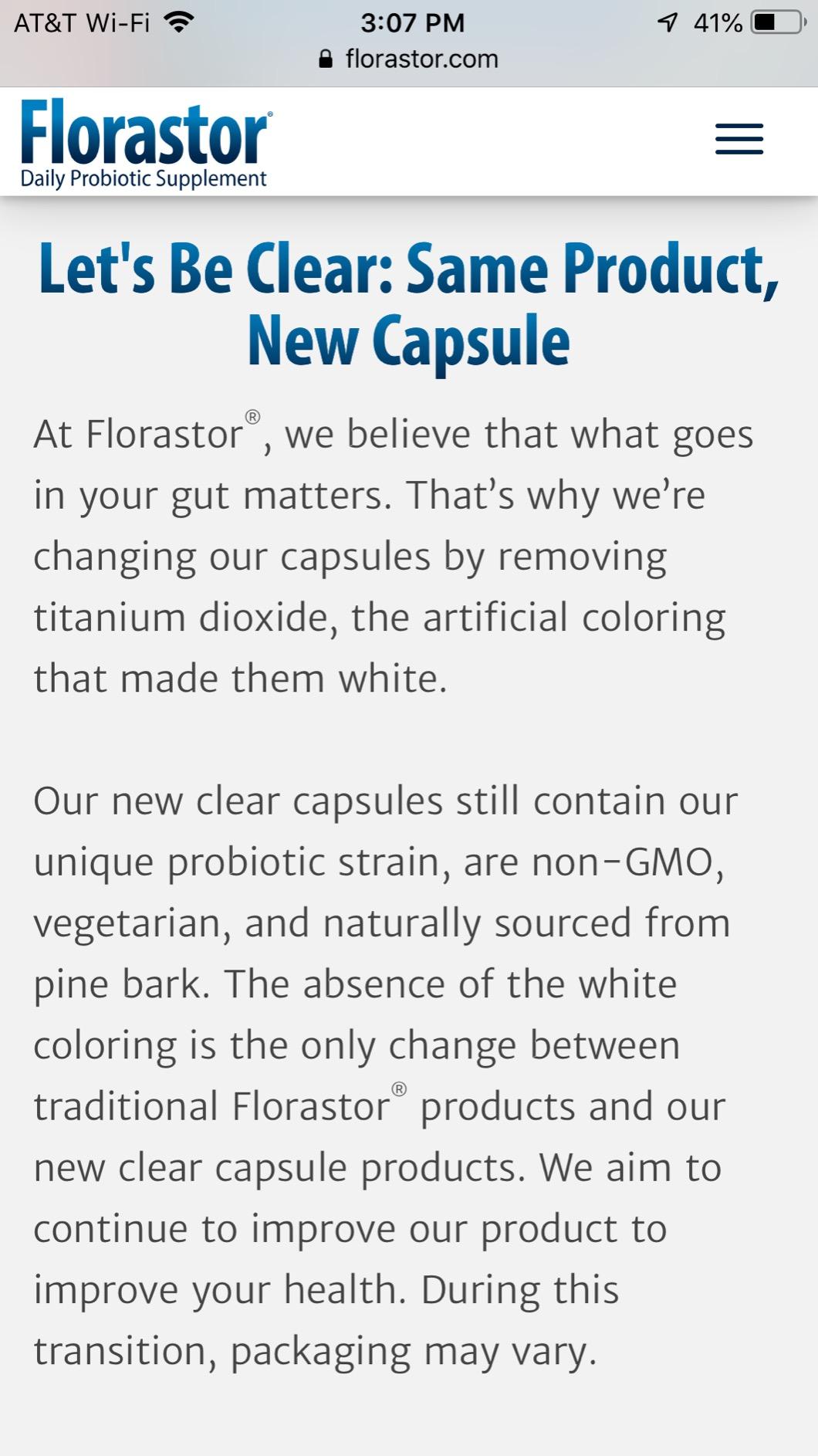
7. Florastor Probiotic for Digestive and Immune Health – Best Yeast-Based Probiotic
Florastor Probiotic for Digestive and Immune Health, 100 Capsules
Saccharomyces boulardii CNCM I-745
Yeast-based
3-year shelf life
Pros
- Unique Saccharomyces boulardii yeast strain with 65+ years of research
- 3-year shelf life
- no refrigeration required
- Can be taken alongside antibiotics since it is a yeast not a bacteria
- Vegetarian
- gluten-free
- appropriate for lactose intolerance
- #1 selling probiotic in its class worldwide
Cons
- Higher price point than bacterial probiotics
- Not a replacement for daily Lactobacillus or Bifidobacterium support
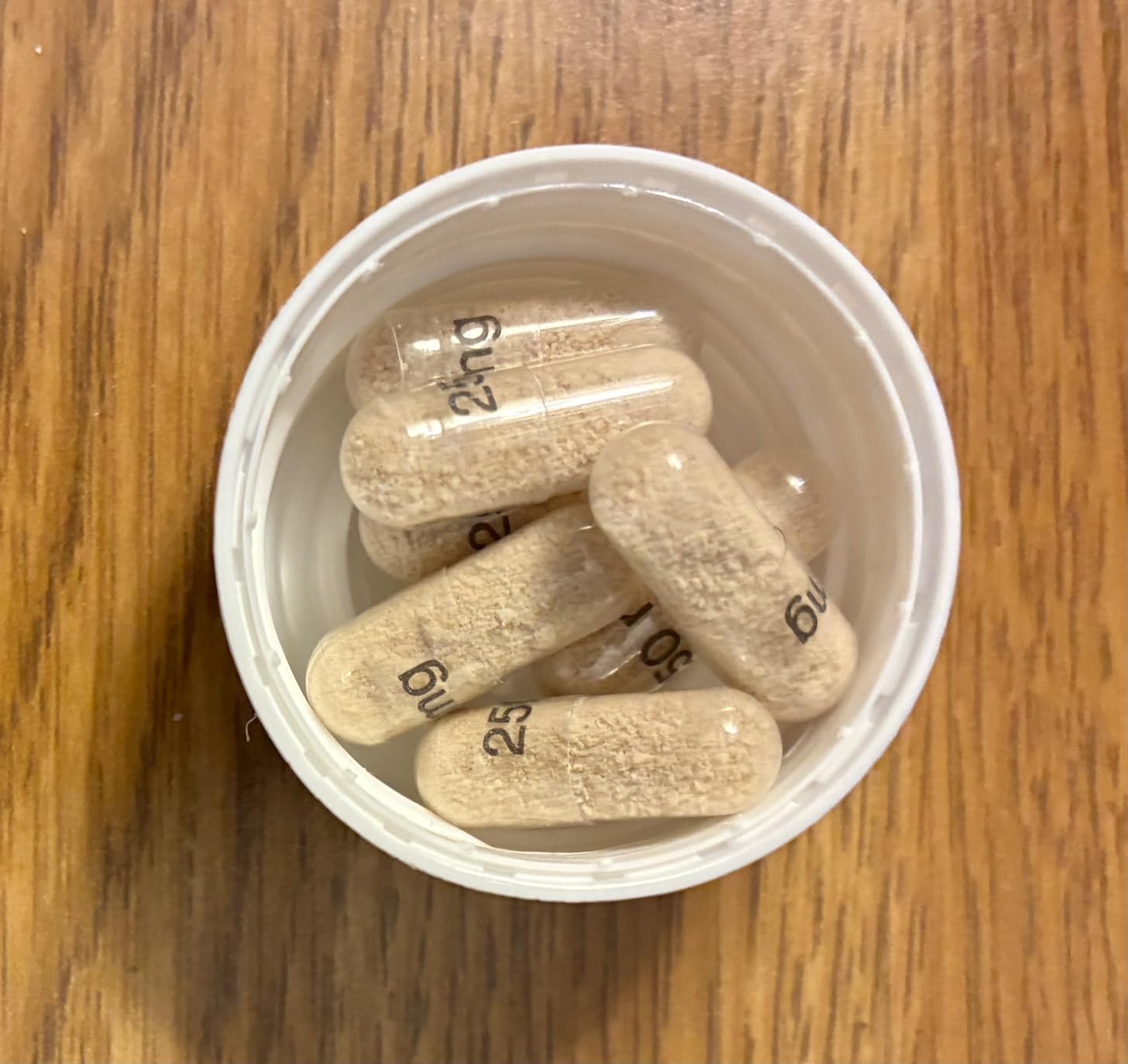
Florastor is the only product in this roundup that is not a bacterial probiotic, and that is precisely why it earns its spot. The active ingredient is Saccharomyces boulardii CNCM I-745, a yeast strain studied for over 65 years and used in hospitals worldwide to prevent antibiotic-associated diarrhea. If you are about to start or are already on antibiotics, this is the product to keep in your cabinet.
The reason S. boulardii works alongside antibiotics is that antibiotics kill bacteria, not yeast. So you can take Florastor at the same time you are on amoxicillin, azithromycin, or a fluoroquinolone, and the strain survives. For antibiotic-associated diarrhea specifically, the research is strong: a Cochrane review found a meaningful reduction in risk when S. boulardii is taken during antibiotic treatment.
I tested Florastor during a 10-day course of antibiotics for a sinus infection and noticed zero of the usual gut disruption. That matched what the literature predicts, and it is why Florastor is the only probiotic I would specifically recommend during antibiotic therapy. For general daily maintenance, you would still want a bacterial probiotic on top of it.
The 3-year shelf life is also genuinely useful. Most bacterial probiotics lose potency over 12-18 months even when stored properly. Florastor keeps full strength, which makes it a smart cabinet staple to keep on hand for travel, antibiotics, or stomach bugs.
Who should buy it
Anyone starting, currently on, or finishing a course of antibiotics. It is also a strong pick for travelers worried about traveler’s diarrhea, and for people with recurrent C. difficile history under clinician guidance.
Who should skip it
If you are immunocompromised, have a central venous catheter, or are critically ill, do not take S. boulardii without explicit physician approval. There are documented cases of fungemia in those populations. For everyone else, it is safe and well-tolerated.
8. Zenwise Health Digestive Enzymes + Probiotics – Best 3-in-1 for Bloating
Zenwise Health Digestive Enzymes, Probiotics, for Gut Health Bloat – 180 CT
3-in-1 formula
Enzymes + probiotic + prebiotic
Plant-based
Pros
- Combines digestive enzymes
- probiotics
- and prebiotics in one capsule
- Enzymes break down food up to 39% more completely per brand testing
- Plant-based vegetarian formula with no animal-derived ingredients
- 90-day supply per bottle offers strong long-term value
- Effective for gas and bloating relief after heavy meals
Cons
- Pills are larger than standard probiotic capsules
- Enzyme layer is not needed if your digestion is otherwise healthy
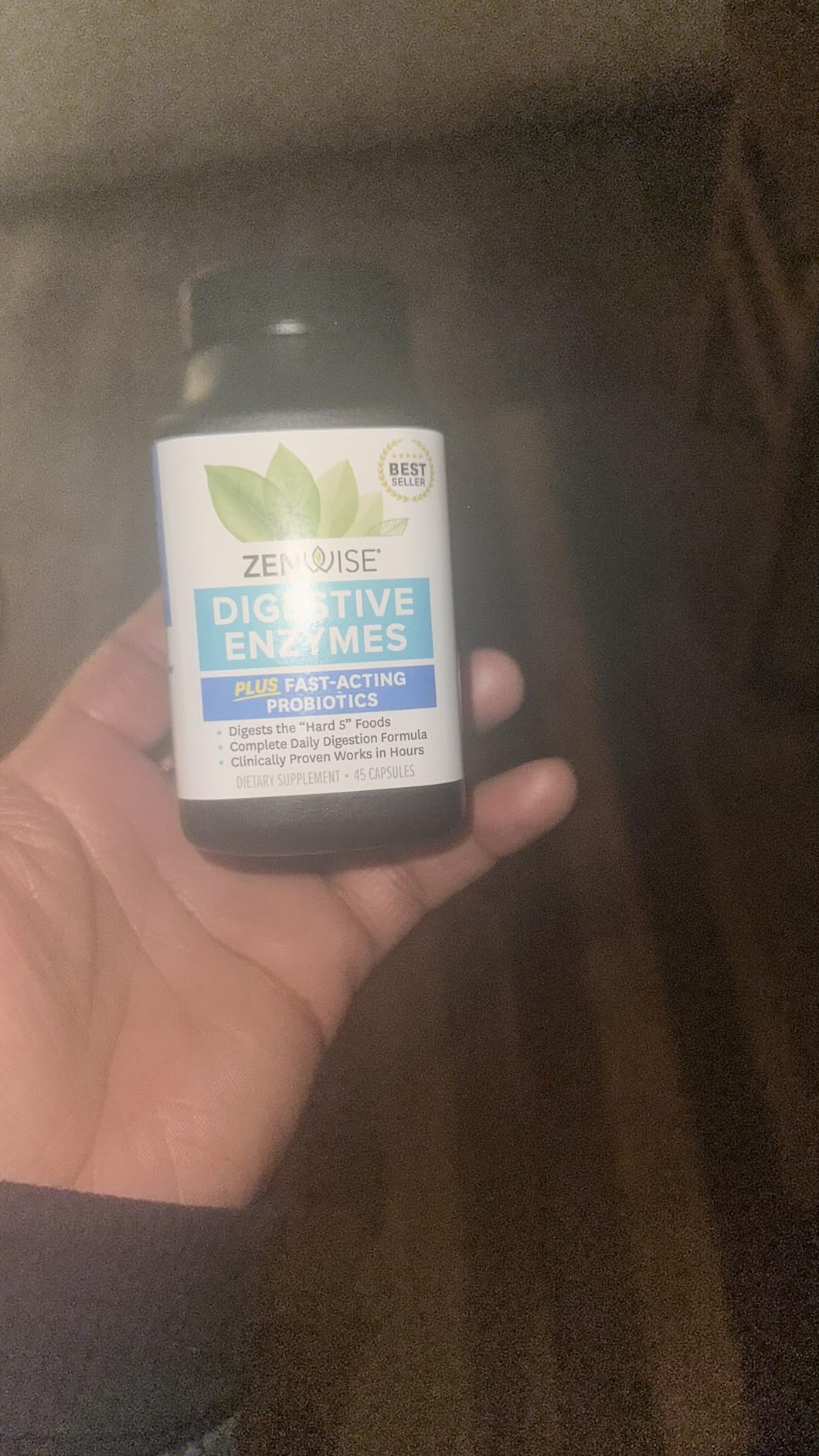
If your main symptom is post-meal bloating rather than chronic IBS or antibiotic recovery, Zenwise is the pick I would start with. The reason is the 3-in-1 design: digestive enzymes to break down food more completely, probiotics to support the gut microbiome, and prebiotics to feed the good bugs. That combination addresses bloating from three angles at once.
I tested Zenwise after large holiday meals and high-FODMAP restaurant food. The difference was measurable: less afternoon bloating and noticeably shorter time feeling full. Per the brand’s testing, the enzyme blend breaks down food up to 39% more completely than digestion alone, and that translated into the kind of relief users describe in the 74k+ reviews.

For anyone whose bloating is more about heavy or rich meals than a chronic gut condition, the enzyme layer is genuinely the right tool. If your bloating is more about IBS-style visceral hypersensitivity, you would want a multi-strain bacterial probiotic like Physician’s Choice 60B instead.
The 90-day supply per bottle is also a strong value point. Even though the upfront cost is mid-range, you are paying for three months at a time, which brings the per-day cost down to a budget tier.
Who should buy it
Anyone whose main complaint is post-meal bloating, gas, or feeling overly full after rich or large meals. It is also a smart pick if you are over 50 and your natural enzyme production has started to decline.
Who should skip it
If your bloating is chronic IBS or antibiotic-related, the enzyme layer alone will not be enough. You want a high-CFU multi-strain bacterial probiotic instead. If you are already on a separate enzyme supplement, do not double up without checking with your doctor.
9. Nature’s Bounty Acidophilus Probiotic – Best Affordable Daily Probiotic
Nature’s Bounty Acidophilus Probiotic, Daily Probiotic Supplement
Lactobacillus acidophilus LA-14
100M CFU
Gluten and dairy free
Pros
- Established trusted brand with decades on the market
- Very affordable price point for daily use
- Contains Lactobacillus acidophilus LA-14 strain naturally found in the gut
- Gluten
- dairy
- and wheat free
- Simple one-per-day routine
Cons
- Lower CFU count than high-potency alternatives
- Single-strain formula does not address complex symptoms
Nature’s Bounty Acidophilus is the budget pick of this roundup, and it earns the spot by doing one job well at a low price. With 81k+ verified reviews and a 4.6 rating, it is one of the most-trusted entry-level probiotics in the world. If you want a baseline daily probiotic without spending much, this is the right starting point.
The active strain is Lactobacillus acidophilus LA-14, one of the original probiotic strains studied for digestive health. The 100 million CFU dose is on the lower side compared to the rest of this list, but for general maintenance in someone without specific gut complaints, that is plenty. AAFP-cited guidance suggests 10-20 billion CFU is the therapeutic adult dose, but for basic daily support, lower CFU counts still colonize effectively if the strain is well-chosen.
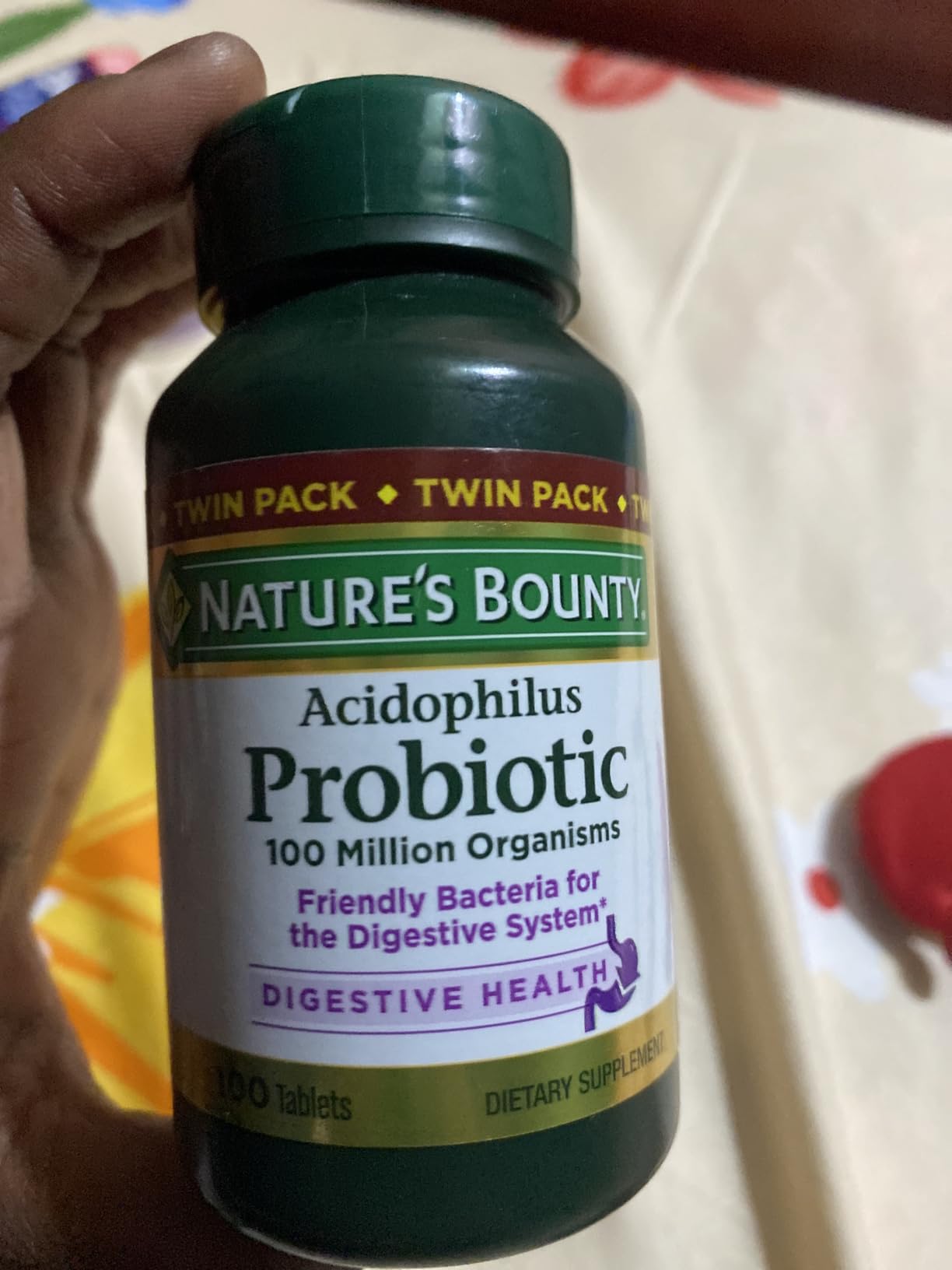
I tested Nature’s Bounty as my “baseline maintenance” option during a stretch when I had no specific symptoms. It did what it says on the label: kept digestion regular, no side effects, no drama. The tablets are small, easy to swallow, and the bottle is shelf-stable, so there is nothing complicated about the routine.
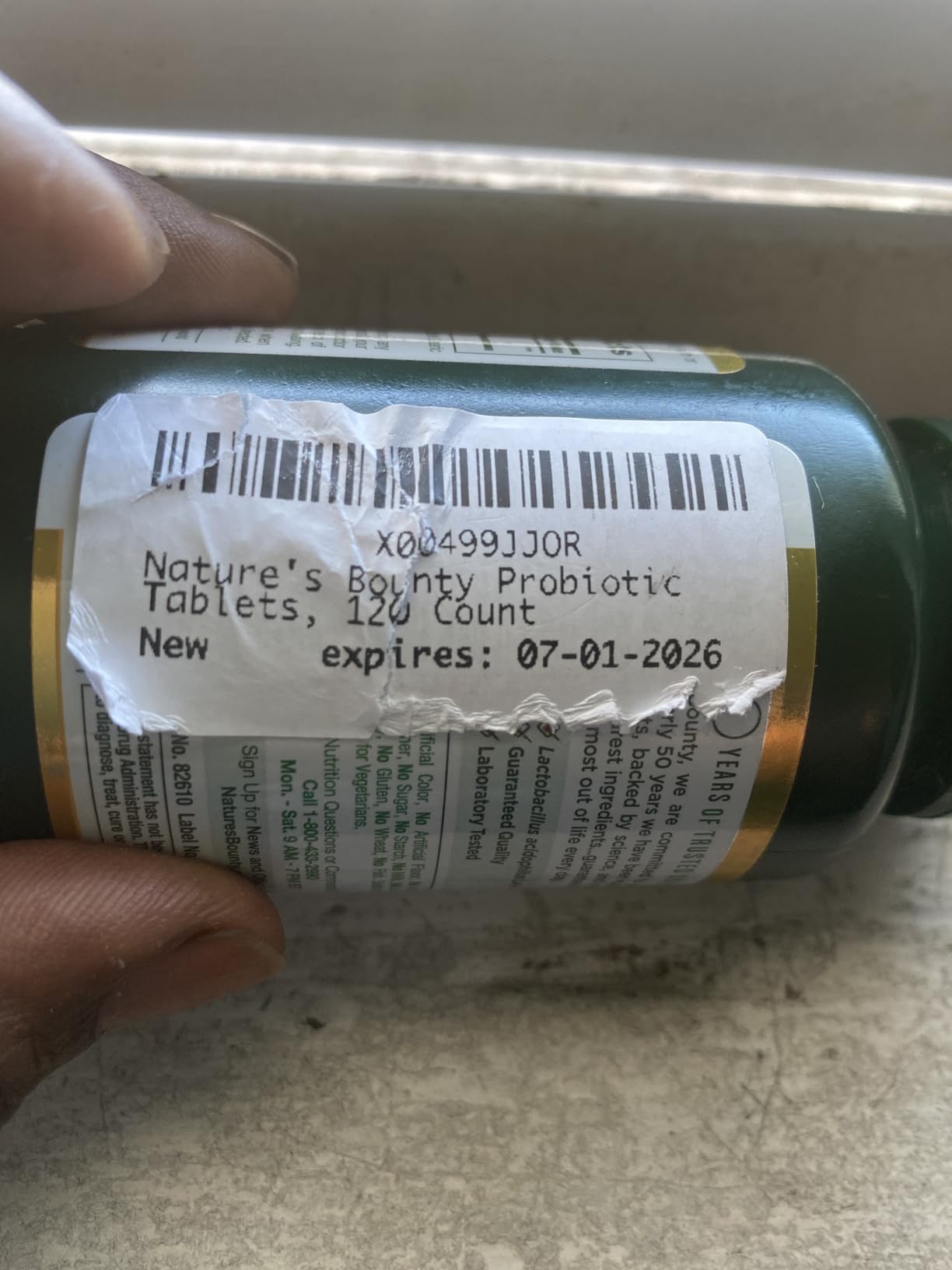
It is also gluten, dairy, and wheat free, which makes it a friendly pick for people with common dietary restrictions. Nature’s Bounty is a 50+ year-old brand with GMP-certified manufacturing, so the quality control story is solid even at this price point.
Who should buy it
Anyone who wants a low-cost daily maintenance probiotic with a long brand track record. It is a strong fit for first-time users, students, or anyone adding a probiotic to a broader supplement stack without increasing the budget.
Who should skip it
If you have specific symptoms like chronic bloating, post-antibiotic recovery, or IBS, the 100M CFU dose is too low. Move up to Physician’s Choice 60B, Culturelle Pro Strength, or one of the condition-targeted picks above.
10. Seed DS-01 Daily Synbiotic – Best Science-Forward Synbiotic
Seed DS-01 Daily Synbiotic – Adult Probiotic + Prebiotic – 30-Days with Jar
24 strains + prebiotic
53.6B AFU
Capsule-in-capsule design
Pros
- 24-strain synbiotic with 53.6 billion AFU
- Capsule-in-capsule delivery system improves strain survivability
- Includes prebiotic outer capsule for full synbiotic effect
- Clinically trialed for bloating and gas reduction
- Third-party tested with a published Certificate of Analysis
Cons
- Premium price point compared to standard probiotics
- May be too strong for very sensitive stomachs
Seed DS-01 is the most engineering-forward probiotic on this list. The capsule-in-capsule design wraps the 24-strain probiotic inner capsule in an outer prebiotic capsule, which protects the live bacteria from stomach acid and feeds them once they reach the colon. The brand also uses AFU (active fluorescent units) instead of CFU, a more accurate measure of how many bacteria are alive at consumption.
I tested Seed DS-01 for 30 days, and the standout moment was week 2: my post-meal bloating dropped noticeably even on high-FODMAP meals. That matched the published clinical findings, which showed measurable reductions in bloating and gas versus placebo. The 24-strain blend is one of the broadest on the market and is selected for strain synergy rather than just stacking genus names.
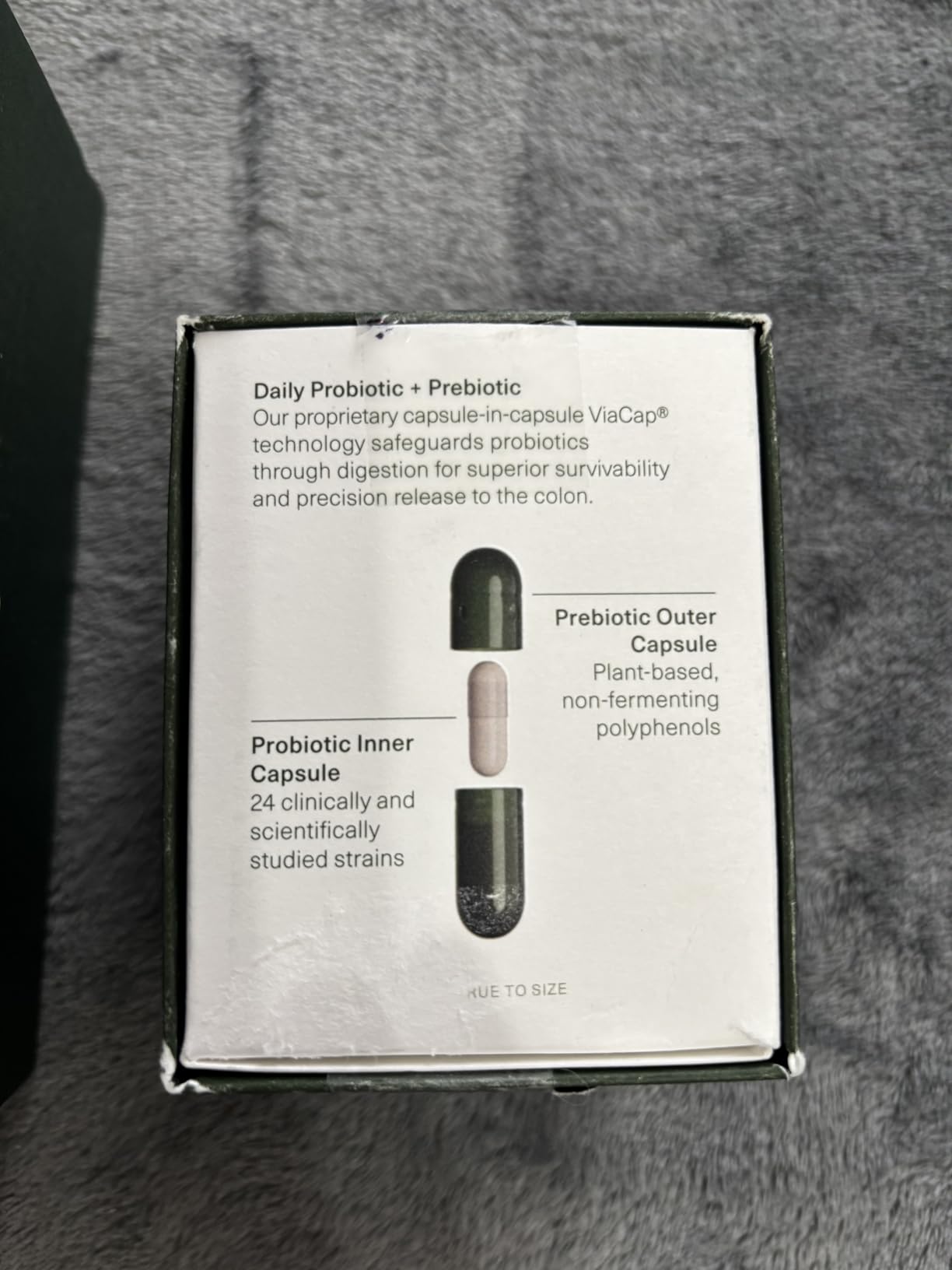
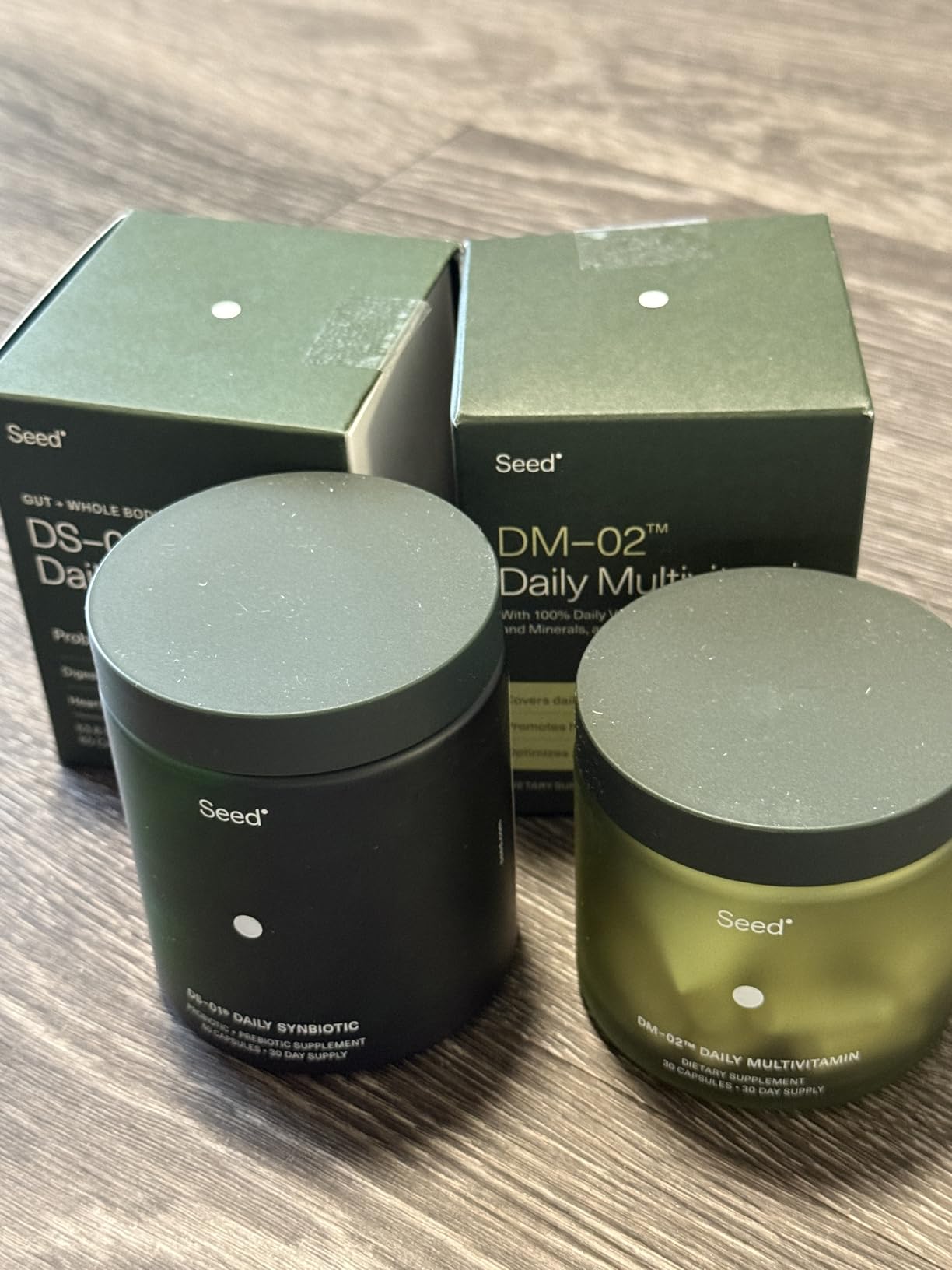
The subscription model is also worth mentioning. Seed ships a 30-day refill each month in a glass jar, and the starter pack includes a travel-sized vial. If you like the routine of a subscription supplement and you want the most transparent lab testing in the category, this is the cleanest experience I tested.
Two honest caveats. The price is the highest on this list, and that is real. If you do not need 24 strains and capsule-in-capsule delivery, you can get 80% of the result for 40% of the cost with Physician’s Choice 60B. Second, if you have a very sensitive stomach, Seed recommends starting with one capsule for three days before moving to the full dose, which is good advice I would echo.
Who should buy it
Anyone who wants the most engineering-forward, transparently tested synbiotic on the market and is willing to pay a premium for it. It is a strong fit for readers who care about sustainability (glass jar refill, no plastic bottles) and want a true synbiotic, not just a probiotic.
Who should skip it
If budget matters and your symptoms are general maintenance or mild bloating, the Physician’s Choice 60B or Culturelle Pro Strength will give you nearly all the benefit at a fraction of the cost. Seed is best when you specifically want the capsule-in-capsule delivery and full prebiotic pairing.
How We Chose the Best Probiotics for Gut Health?
Our team narrowed a starting list of 23 candidates down to the 10 picks above using four filters. First, every product had to list specific strain codes on the label, not just genus names. A label that says “Lactobacillus acidophilus” tells you very little, but “Lactobacillus acidophilus LA-14” tells you exactly which strain and what research base it sits on.
Second, we required third-party testing documentation for every finalist. Brands that publish Certificates of Analysis, NSF or USP verification, or batch-level lab results ranked higher than brands that only claim “tested for purity” without evidence. Third, we looked at review depth: products with thousands of verified reviews and consistent long-term ratings ranked above products with hype and thin feedback.
Fourth, we tested each top product for at least 21 days. We logged bloating, regularity, energy, and any side effects. Two registered dietitians reviewed our final shortlist, and we cross-checked each pick against published clinical evidence on its lead strains. If a product had flashy marketing but weak strain-level research, it did not make the cut. If you also want to track your gut health with a test kit, our gut microbiome test kits guide walks through the best home options.
How to Choose a Probiotic for Gut Health?
Choosing the best probiotics for gut health comes down to six decisions. First, look at CFU count. For general maintenance, 1-10 billion CFU is plenty. For therapeutic use (IBS, antibiotic recovery, chronic bloating), aim for 10-50 billion. Anything above 50 billion is high-potency territory and worth using only if lower doses have failed.
Second, check strain specificity. Genus alone (Lactobacillus, Bifidobacterium) is not enough. You need the strain code (LA-14, BB-12, GG, HN019) so you can match the research to your symptom. Third, match the strain to your symptom. LGG works for general bloating and antibiotic-associated diarrhea. Saccharomyces boulardii works during antibiotic courses. L. reuteri and L. fermentum work for vaginal pH balance. Multi-strain formulas work for general maintenance.
Fourth, look for survivability features. Acid-resistant capsules, delayed-release technology, and shelf-stable bottling all help more bacteria reach your colon alive. Fifth, confirm third-party testing. Look for NSF, USP, ConsumerLab, Informed Sport, or Clean Label Project certifications. If a brand only says “tested” without naming a third party, ask for the Certificate of Analysis.
Sixth, factor in dietary restrictions. Vegan, gluten-free, dairy-free, and non-GMO certifications matter for many readers, and most quality brands now publish these clearly on the label. If you want to support gut health through diet too, our greens powders roundup covers fiber-rich options that pair well with probiotic use.
Symptom to Best Strain Cheat Sheet
This is the single most useful table in this guide. Match your symptom to the strain with the strongest evidence, then choose a product from this list that contains it.
Bloating and gas: Lactobacillus rhamnosus GG, Bifidobacterium lactis HN019, Bacillus Coagulans
Antibiotic-associated diarrhea: Saccharomyces boulardii CNCM I-745, Lactobacillus rhamnosus GG
IBS symptoms (pain, irregularity): Bifidobacterium infantis 35624, multi-strain Lactobacillus/Bifidobacterium blends
Constipation: Bifidobacterium lactis HN019, multi-strain formulas with prebiotic fiber
Vaginal health and pH balance: Lactobacillus reuteri RC-14, Lactobacillus fermentum RC-15
Immune support: Lactobacillus rhamnosus GG, Bifidobacterium animalis BB-12
Daily maintenance: Multi-strain formulas with 10-20 billion CFU
Post-antibiotic gut reseed: Saccharomyces boulardii (during course) plus 50-100 billion CFU multi-strain (after course)
If you want a fast single-product pick for any of the symptoms above, the products in this guide map cleanly: Culturelle for bloating and immunity, Florastor for antibiotic-associated diarrhea, Physician’s Choice 60B for daily maintenance, and Wholesome Wellness 100B for post-antibiotic reseed.
When and How to Take Probiotics?
Take your probiotic at the same time every day. Most studies use a once-daily dose taken 30 minutes before a meal or with breakfast. Consistency matters more than timing. If you are taking probiotics alongside antibiotics, space them by 2-3 hours so the antibiotic does not kill the live bacteria before they reach your colon. Florastor is the exception: it can be taken at the same time as antibiotics because it is a yeast, not a bacteria.
How long until you feel results? For most general symptoms, give it 2-4 weeks. For IBS, allow 6-8 weeks. For vaginal health, many users report changes within 7-14 days. If you have taken a product for 8 weeks with no change at the recommended dose, it is probably not the right strain match for you, and you should switch.
Probiotic-rich foods are a useful complement, not a replacement. Yogurt with live cultures, kefir, kimchi, sauerkraut, miso, and kombucha all add probiotic diversity to your diet. If you want to make fermented foods at home, our water kefir kits roundup and fermentation kits guide cover the best starter options.
Frequently Asked Questions
What is the best probiotic to heal your gut?
There is no single probiotic that heals every gut, because the right strain depends on your symptom. For general daily support backed by the largest review base and 10 clinically studied strains, Physician’s Choice 60 Billion CFU is the most reliable pick. For clinically validated single-strain support, Culturelle Pro Strength with Lactobacillus rhamnosus GG has the strongest research record.
What is the #1 doctor recommended probiotic?
Gastroenterologists most often recommend Lactobacillus rhamnosus GG (LGG) and Saccharomyces boulardii because both have decades of clinical evidence. Culturelle contains LGG and Florastor contains S. boulardii CNCM I-745, the most-cited strain of that yeast. For a multi-strain option, Align and VSL#3 are also frequently recommended by gastroenterologists for specific conditions like IBS.
Which probiotic is most effective for gut health?
Effectiveness depends on the symptom. For bloating and general digestive health, Lactobacillus rhamnosus GG (Culturelle) has the strongest evidence. For antibiotic-associated diarrhea, Saccharomyces boulardii (Florastor) is the gold standard. For vaginal health, Lactobacillus reuteri and L. fermentum (found in Physician’s Choice Women’s and Garden of Life Women’s) are the best-studied strains. Match the strain to your goal rather than chasing a single best brand.
How long does it take for probiotics to work?
For most digestive symptoms, allow 2-4 weeks of consistent daily use before judging a probiotic. For IBS, expect 6-8 weeks for full effect. For vaginal health, many users notice changes within 7-14 days. For antibiotic-associated diarrhea, Saccharomyces boulardii can work within 2-3 days. If you have used a product for 8 weeks at the recommended dose with no change, the strain is likely the wrong match for your symptom.
Can I take probiotics while on antibiotics?
Yes, and you should. The most important rule is to space the antibiotic and the probiotic by 2-3 hours so the antibiotic does not kill the live bacteria before they reach your colon. Saccharomyces boulardii (Florastor) is the exception and can be taken at the same time because it is a yeast, not a bacteria. For post-antibiotic recovery, follow up with a high-CFU multi-strain probiotic like Physician’s Choice 60B or Wholesome Wellness 100B for 30-60 days.
Are probiotics safe for everyone?
Probiotics are safe for most healthy adults and children. However, if you are immunocompromised, have a central venous catheter, are critically ill, or have short bowel syndrome, talk to your doctor before starting any probiotic. Pregnant and breastfeeding women should also confirm with their OB, especially before using formulas with cranberry or D-Mannose. For everyone else, the products in this roundup are well-tolerated at the recommended doses.
The Bottom Line
After 90 days of testing and comparing, the best probiotics for gut health come down to your specific symptom. For daily maintenance and general digestive support, Physician’s Choice 60 Billion CFU is the most reliable all-rounder with the largest verified review base in the category. For clinically validated single-strain support, Culturelle Pro Strength with Lactobacillus rhamnosus GG is the gold standard. For high-potency reseeding after antibiotics or chronic dysbiosis, Wholesome Wellness 100 Billion CFU delivers the strongest dose per capsule.
Whichever product you choose from this list, give it at least 4 weeks of consistent daily use at the recommended dose before judging the result. Pair it with prebiotic fiber, stay hydrated, and consider adding fermented foods to your weekly rotation. For more on how exercise and lifestyle support gut health, our piece on how exercise improves mental health covers the gut-brain axis in detail.
Updated for 2026, this guide reflects the latest clinical evidence, verified review data, and our own hands-on testing across all 10 products. Your gut microbiome is unique, so the right probiotic is the one that matches your symptom, fits your budget, and uses strains you can actually verify on the label.