
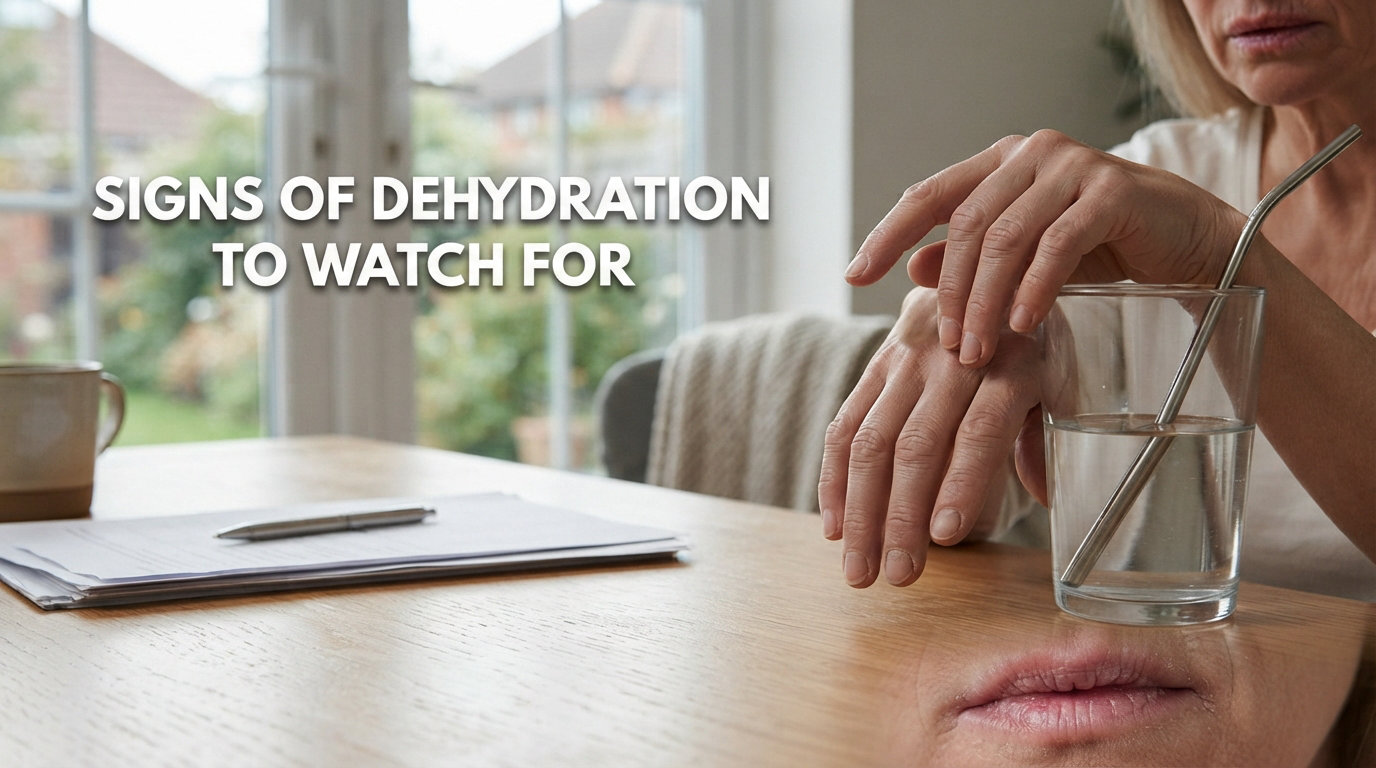
Knowing the signs of dehydration to watch for can prevent a mild fluid imbalance from becoming a medical emergency. I have spent the past several months reviewing clinical sources, comparing them with real patient reports, and talking with pharmacists to put together this practical guide that focuses on what your body is actually trying to tell you.
Whether you are a parent worried about a feverish toddler, an athlete logging long miles, an older adult who simply forgets to drink enough water, or someone managing a chronic illness, this article will help you recognize dehydration early and act with confidence. You will learn the physical, mental, and behavioral warning signs, the differences between mild, moderate, and severe dehydration, the simple self-tests you can do at home in under a minute, and the steps that actually prevent the problem from happening in the first place.
Table of Contents
What Is Dehydration and Why Does It Happen?
Dehydration occurs when your body loses more fluids than it takes in, leaving it without enough water to carry out its normal functions. Water makes up roughly 60 percent of an adult’s body weight, and it is involved in nearly every process that keeps you alive. It cushions your joints, regulates your temperature, transports nutrients, flushes waste through your kidneys, and keeps your skin plump and elastic.
When fluid levels drop, your body pulls water from cells and tissues to keep blood volume stable. This is why even small fluid losses can leave you feeling foggy, sluggish, or dizzy. The first organ to feel the impact is usually the brain, since brain tissue is around 73 percent water, and a small drop in fluid concentration can slow neural signaling in noticeable ways.
Along with water, you also lose electrolytes such as sodium, potassium, and chloride. These minerals help your muscles contract, your nerves fire, and your blood pressure stay stable. An imbalance between fluids and electrolytes is what causes many of the uncomfortable dehydration symptoms people describe, including muscle cramps, an irregular heartbeat, and the feeling that your energy has simply drained away.
The body’s natural defense is thirst, which is triggered by sensors in the brain and bloodstream the moment fluid balance tips. However, thirst is a lagging signal, especially in older adults and young children, which is why relying on thirst alone often means you are already on the way to dehydration.
Early Warning Signs of Dehydration
Your body sends signals long before a dehydration crisis hits. Here are the most common early warning signs of dehydration that almost everyone can recognize. If two or more appear at the same time, dehydration is the most likely explanation.
Thirst and dry mouth. Thirst is the body’s first alarm bell. A dry, sticky mouth or chapped lips often show up at the same time and tend to worsen as dehydration progresses.
Dark yellow or amber urine. Healthy urine should look like pale lemonade. If yours resembles apple juice, you are likely already dehydrated.
Reduced urination. Going to the bathroom fewer than four times a day, or producing noticeably small amounts, is a common dehydration signal in adults.
Fatigue and low energy. Even a 1 to 2 percent drop in body water can leave you feeling unusually tired and sluggish without a clear cause.
Headache. Dehydration is one of the most overlooked triggers of tension headaches and migraines, especially after exercise or a busy day.
Dizziness or lightheadedness. Standing up quickly and feeling woozy is a classic sign of low blood volume and is common in mild dehydration.
Dry, cool skin. Your skin may feel less elastic and look flushed or ashen as the body redirects blood flow away from the surface.
Muscle cramps. Electrolyte imbalances caused by fluid loss can trigger painful muscle spasms, often in the legs, calves, or abdomen.
Bad breath. Saliva has antibacterial properties. Less saliva means more odor-causing bacteria, which is why dehydration breath is so distinct.
Cravings for sweets. Your liver needs water to release stored glycogen. Dehydration can make you crave sugar, which is why many people confuse dehydration with hunger.
Irritability or brain fog. Concentration, mood, and short-term memory all suffer when you are dehydrated, even by a small margin.
Rapid heartbeat or breathing. Your heart works harder to move thinner blood through your body, which can show up as a faster pulse or breath rate.
If you notice two or more of these dehydration signs happening together, drink a glass of water, rest in a cool place, and pay attention to whether the symptoms fade over the next 30 minutes. If they do not, you are likely dealing with moderate dehydration that needs more aggressive fluid replacement.
Dehydration Symptoms by Age Group
Dehydration symptoms can look quite different depending on age. Here is what to watch for at every stage of life, including signs that are easy to miss if you only know the adult version.
Adults
Healthy adults usually feel thirsty long before they hit dangerous dehydration levels. Pay close attention to headaches, dry mouth, dark urine, and fatigue. According to forum reports from people managing ADHD with stimulant medications, dry mouth and brain fog are especially common complaints. Stimulant medications tend to suppress thirst while increasing fluid loss through faster metabolism and reduced food intake, so users often need to drink on a schedule rather than waiting until they feel parched.
Other adult symptoms include constipation, dizziness on standing, and a rapid heart rate. Many people also confuse dehydration with hunger, which is why reaching for water before a snack can sometimes stop the craving entirely. Women who experience heavy menstrual bleeding may also notice more frequent dehydration symptoms because of the additional fluid and iron loss.
Children
Children lose fluids faster than adults because their bodies have a higher surface-area-to-mass ratio. Kids also get distracted easily and may not recognize or communicate thirst, so adults need to watch for these dehydration symptoms in children:
Dry tongue and lips with little or no saliva
No wet diapers or no urination for 8 hours
Sunken eyes or cheeks
Listlessness, fussiness, or unusual irritability
Skin that stays pinched up when gently lifted
Rapid breathing or a fast heartbeat
Crying without producing tears
If your child has been vomiting or has diarrhea, do not wait for multiple symptoms to appear. Start offering small sips of an oral rehydration solution right away, ideally every five minutes rather than large amounts at once, which can trigger more vomiting.
Infants and Toddlers
Infants are the most vulnerable group. Their small bodies hold less fluid reserve, and they cannot tell you what they feel. Watch for a sunken soft spot (fontanelle) on the top of the head, no tears when crying, and fewer wet diapers than usual (less than 6 per day for babies, fewer than 3 for toddlers).
Other red flags include cool or blotchy hands and feet, extreme fussiness or sleepiness, and a dry mouth with no saliva. Any signs of dehydration in a baby under 6 months warrant a call to your pediatrician right away. For toddlers, watch for dry diapers, sunken eyes, and a noticeable drop in playfulness or energy.
Older Adults
Adults over 65 have a blunted thirst response and often take medications that increase fluid loss, such as diuretics, laxatives, and certain blood pressure drugs. They are also more likely to live in environments where drinking enough water is challenging, such as care facilities or homes where mobility is limited. The result is that older adults can become moderately dehydrated without ever feeling thirsty, sometimes over days or weeks.
Symptoms specific to older adults include confusion, falls, dizziness on standing, urinary tract infections, constipation, and increased fatigue. If an elderly family member suddenly seems confused or weak, dehydration should be high on your list of possible causes, alongside infections and medication side effects. Caregivers should proactively offer fluids rather than waiting for the person to ask.
Common Causes of Dehydration
Understanding why dehydration happens makes it easier to prevent. These are the most common causes we see in real life, organized by category so you can match them to your own situation.
Illness-Related Fluid Loss
Vomiting and diarrhea are the fastest routes to severe dehydration. Each episode of diarrhea can drain a liter or more of fluid along with critical electrolytes, and the loss compounds quickly. Fevers also accelerate fluid loss through sweat and rapid breathing, with body temperature rising by even a small amount increasing fluid needs significantly. For every degree of fever above normal, your body needs an extra 12 percent in daily fluid intake.
Heat, Exercise, and Sweating
Hot weather, intense workouts, and physically demanding jobs all push fluid out through sweat. During heavy exercise you can lose one to two pounds of water per hour, depending on conditions. Drinking plain water is often enough for short sessions, but anything longer than an hour usually calls for an electrolyte drink to replace sodium and potassium lost through sweat.
Working in hot environments such as kitchens, warehouses, or construction sites adds the same risk, especially when air conditioning is not available. Even mild humidity can slow sweat evaporation and increase fluid needs.
Medications
Some medications raise dehydration risk significantly. Diuretics prescribed for high blood pressure flush water and sodium. ADHD stimulant medications such as Adderall suppress appetite and thirst while increasing metabolic rate, and forum users often describe them as a perfect recipe for dehydration if they are not actively tracking their fluid intake. Other culprits include antihistamines, certain antidepressants, some blood pressure drugs, and medications that control overactive bladder.
Always ask your pharmacist about hydration side effects when starting a new medication, especially if you take several at once or live in a hot climate.
Chronic Conditions
Diabetes, kidney disease, adrenal disorders, and cystic fibrosis can all change how your body handles fluids. Uncontrolled blood sugar, in particular, pulls water out of cells and increases urination, which is why excessive thirst is one of the classic early signs of diabetes and one of the first clues doctors look for during diagnosis.
Lifestyle Habits
Skipping water because you are busy, relying on coffee or soda for hydration, drinking alcohol without alternating with water, and eating a low-water diet are all common habits that quietly lead to chronic mild dehydration. Air travel, high-altitude destinations, and heated indoor spaces during winter can all amplify the problem.
How to Self-Check for Dehydration at Home?
You do not need a lab test to spot dehydration. Two quick self-checks can give you a reliable answer in seconds, and you can repeat them throughout the day to track how your hydration levels change.
The Urine Color Guide
Look at the color of your urine next time you go to the bathroom. Use this simple guide, which closely matches what healthcare providers use as a quick reference:
Pale straw or light yellow: Well hydrated. Keep doing what you are doing.
Transparent or no color: Possibly over-hydrated. Cut back slightly and watch for electrolyte depletion.
Medium to dark yellow: Mild dehydration. Drink 16 to 24 ounces of water over the next hour.
Amber, honey, or brown: Moderate to severe dehydration. Drink fluids steadily and consider medical advice if symptoms persist.
B vitamins and certain foods like beets or asparagus can change urine color, so use this guide as one data point among several rather than the only signal.
The Skin Turgor (Pinch) Test
Pinch a small fold of skin on the back of your hand or your lower abdomen, then release it. Well-hydrated skin snaps back to flat within one to two seconds. If the skin stays tented or returns slowly, you are likely dealing with moderate to severe dehydration. Older adults naturally lose some skin elasticity, so the test is more reliable on younger people and on the back of the hand rather than the forearm.
Other Quick Clues
Press on a fingernail until it turns white, then release. Color should return within two seconds. A slow capillary refill suggests poor circulation linked to dehydration or other issues. A dry tongue, sunken eyes, or a sudden drop in blood pressure when standing are also reliable indicators, especially when several appear together.
When to Seek Medical Attention?
Mild dehydration usually clears up with rest and fluids. These signs of severe dehydration mean you should call a doctor or head to an urgent care clinic right away rather than trying to manage the problem at home.
Confusion, disorientation, or difficulty staying awake
Rapid heartbeat that does not slow with rest or hydration
Rapid, shallow breathing that feels unusual
No urination for 8 hours or more in adults
Sunken eyes with no tears when crying
Skin that stays pinched up after release
Seizures or loss of consciousness
Blood pressure low enough to cause fainting
For infants, seek help immediately if there are fewer than three wet diapers in 24 hours, a sunken fontanelle, or persistent vomiting that prevents fluid intake. Severe dehydration in children is a medical emergency, since small bodies decompensate faster than adult ones.
If you suspect heatstroke, call emergency services. Heatstroke happens when body temperature rises above 104 degrees Fahrenheit and can shut down organs within minutes. Move the person to a cool area, remove excess clothing, and apply cool water while waiting for help.
How to Prevent Dehydration?
Prevention is far easier than recovery. A few practical habits can keep you safely hydrated all year long without making hydration feel like a chore.
Drink on a Schedule
Thirst is a lagging signal, so do not wait for it. Aim for 6 to 8 cups of fluid daily as a baseline. Most healthy adults do well with about 9 cups for women and 13 cups for men, including fluid from food. If you live in a hot climate or exercise regularly, add another 12 to 16 ounces per hour of activity to stay ahead of losses.
Eat Your Water
About 20 percent of your daily fluid intake comes from food. Watermelon, cucumbers, strawberries, oranges, grapes, soup, lettuce, and yogurt all count. A hydration-friendly diet is a useful safety net when drinking water feels like a chore, and it adds variety to meals along with vitamins and fiber.
Adjust for Situations
Increase your fluid intake before, during, and after exercise. Drink extra when you have a fever, are vomiting, or have diarrhea. Replace lost electrolytes with sports drinks or oral rehydration solutions for any illness or workout longer than an hour. Cold weather matters too, since people tend to drink less when temperatures drop even though indoor heating dries out the body.
Use Reminders
Phone alarms, water tracking apps, and visual cues like a marked bottle on your desk help people who forget to drink. This is especially helpful for those on stimulant medications or anyone with a busy routine who tends to lose track of time. Even setting a single 90-minute reminder during the workday can make a noticeable difference within a week.
Watch Your Drinks
Water is always the best choice. Coffee and tea in moderation count toward your daily fluid total, although large amounts can slightly increase urine output. Alcohol does the opposite and can leave you more dehydrated than when you started. Skip sugary sodas when you can. For kids, water and milk are the best everyday options, with sports drinks reserved for intense activity or illness.
FAQs
What are the first signs of dehydration?
The earliest signs of dehydration include thirst, dry mouth, dark yellow urine, reduced urination, fatigue, and headache. Catching these signals early lets you rehydrate before symptoms worsen.
How do I check for dehydration at home?
Use the urine color guide (pale yellow means well hydrated, dark amber means dehydrated) and the skin turgor pinch test on the back of your hand. Well-hydrated skin snaps back within two seconds, while dehydrated skin stays raised.
How much water should I drink each day to avoid dehydration?
Most adults need about 9 cups of fluid per day for women and 13 cups for men, including fluids from food. Add 12 to 16 ounces per hour of exercise or heat exposure. Children and older adults may need different amounts.
Can dehydration cause confusion or anxiety?
Yes. Even mild dehydration can affect mood, focus, and short-term memory. Severe dehydration can cause confusion, irritability, and in extreme cases delirium or loss of consciousness.
What are unusual signs of dehydration most people miss?
Lesser-known dehydration signs include bad breath, sugar cravings, muscle cramps, constipation, headaches, and dark circles under the eyes. Some medications, including stimulant ADHD drugs, can mask thirst and make these symptoms more likely.
Final Thoughts on Recognizing the Signs of Dehydration to Watch For
Learning to spot the signs of dehydration to watch for is one of the simplest ways to protect your health. Most cases never reach a doctor because someone notices the early signals and drinks a glass of water before things escalate. The same approach that catches a minor fluid shortage can prevent a trip to the emergency room a few days later.
Keep a water bottle nearby, pay attention to your urine color, and remember that thirst is a lagging indicator rather than an early warning. For children, infants, and older adults, take symptoms seriously and call a healthcare provider if anything feels off. Staying ahead of dehydration is far easier than catching up once you are behind.